





 Portuguese
  English
  Spanish
  5 min of reading
  0 comments


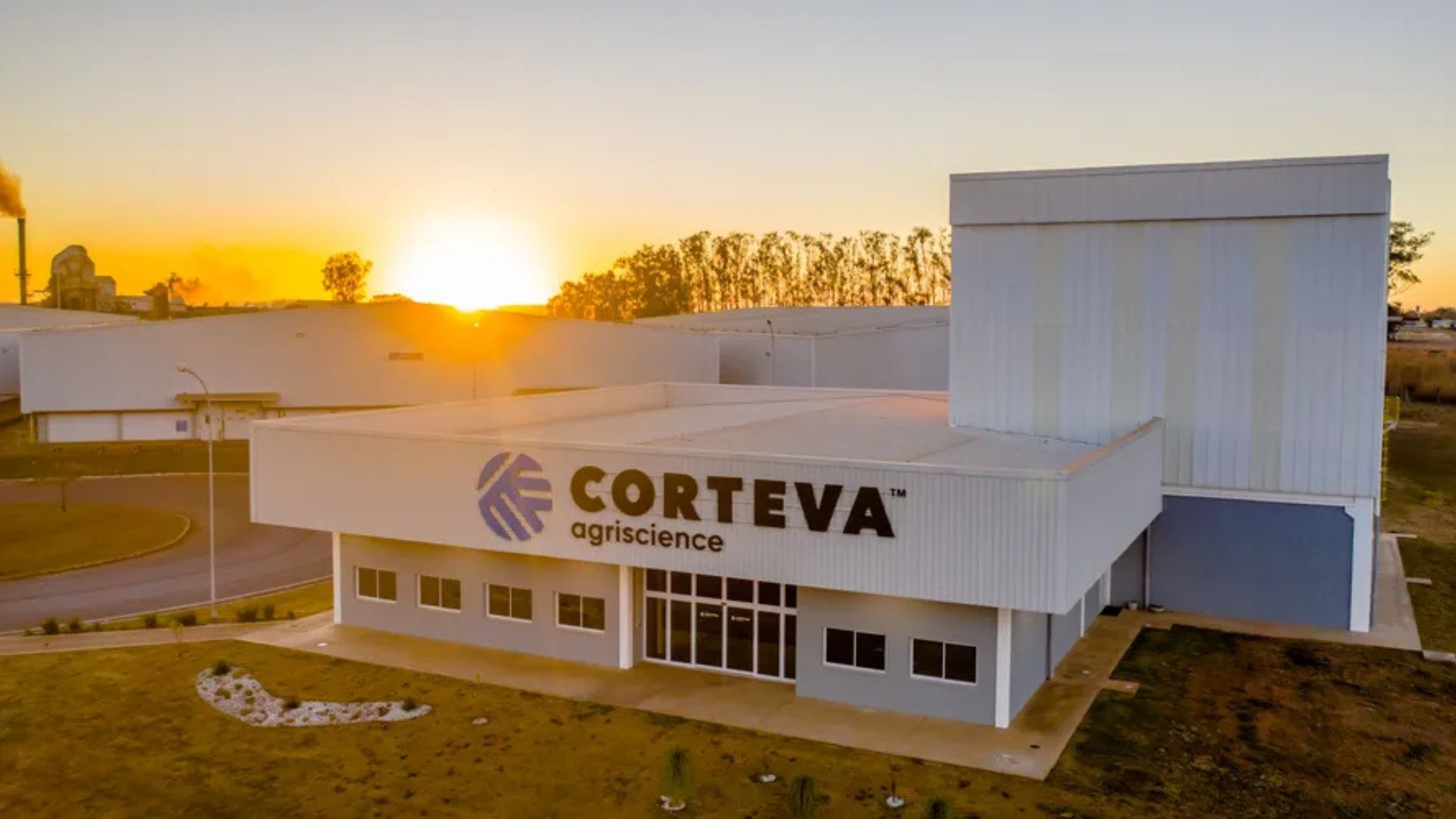
Corteva and BP Join Forces in the Creation of Etlas to Drive Sustainable Production of Agricultural Feedstock for Advanced Biofuels, SAF, and Renewable Diesel, Strengthening New Opportunities for Agribusiness by 2030.
Corteva and BP announced on January 7, 2026, the creation of Etlas, a strategic joint venture focused on the production of agricultural feedstock for the manufacturing of biofuels, with a special focus on sustainable aviation fuel (SAF) and renewable diesel (RD). According to a report published by CNN Brasil, the new company is born with the goal of structuring a robust and scalable production chain based on crops such as canola, sunflower, and mustard, addressing the growing global demand for low-carbon energy solutions by 2030.
Corteva and BP Drive a Strategic Joint Venture
The creation of Etlas places agriculture at the center of the global energy transition. By combining seed technology, agricultural production, and industrial capacity, the initiative signals a new model of integration between agribusiness and the energy sector, which is deemed essential for reducing emissions in hard-to-decarbonize segments such as aviation and heavy-duty transportation.
The Etlas was established as a joint venture with equal participation between Corteva, an American multinational specialized in seeds and agricultural biotechnology, and BP, one of the largest energy companies globally. The combination of competencies is the main differentiator of the project.
-
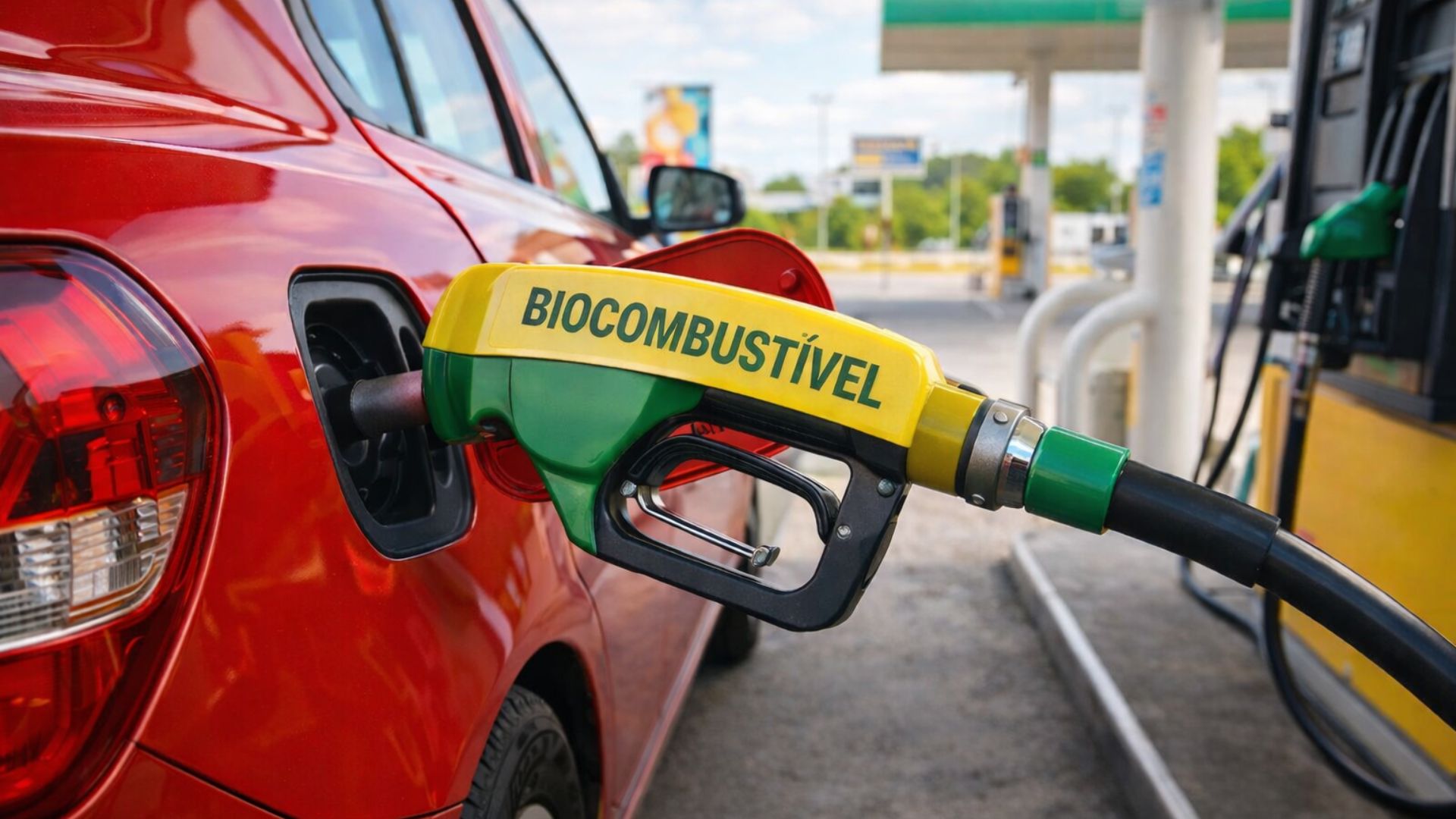
CNPE strengthens policy and prevents imported biodiesel from being mixed with diesel, aiming to strengthen the Brazilian industry and protect jobs by reducing external dependence amid tensions in the global market.
-
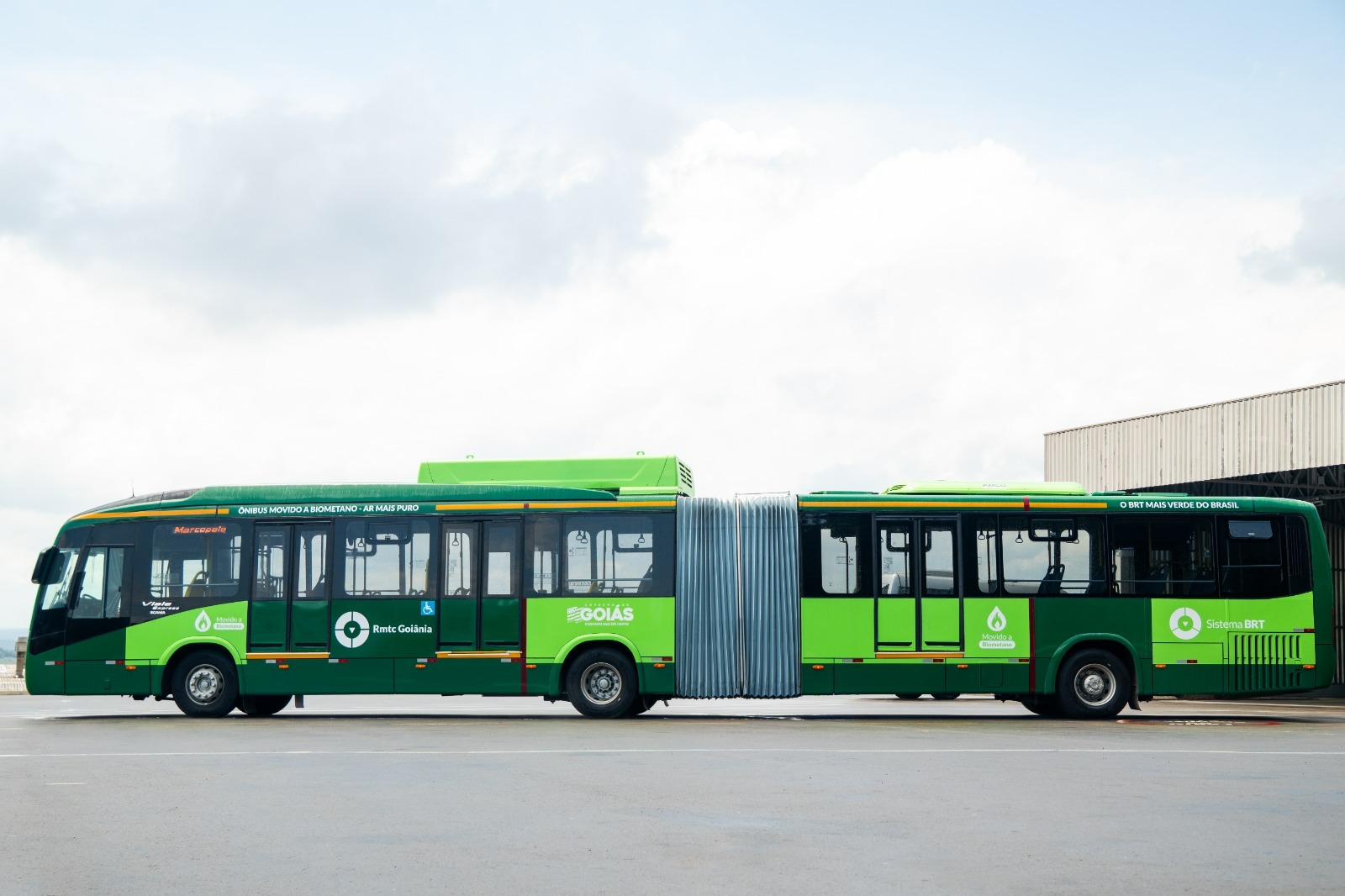
Revolution in public transport: Goiânia puts into circulation the first articulated buses powered by biomethane in Brazil and promises to drastically reduce pollution on the Anhanguera Corridor.
-
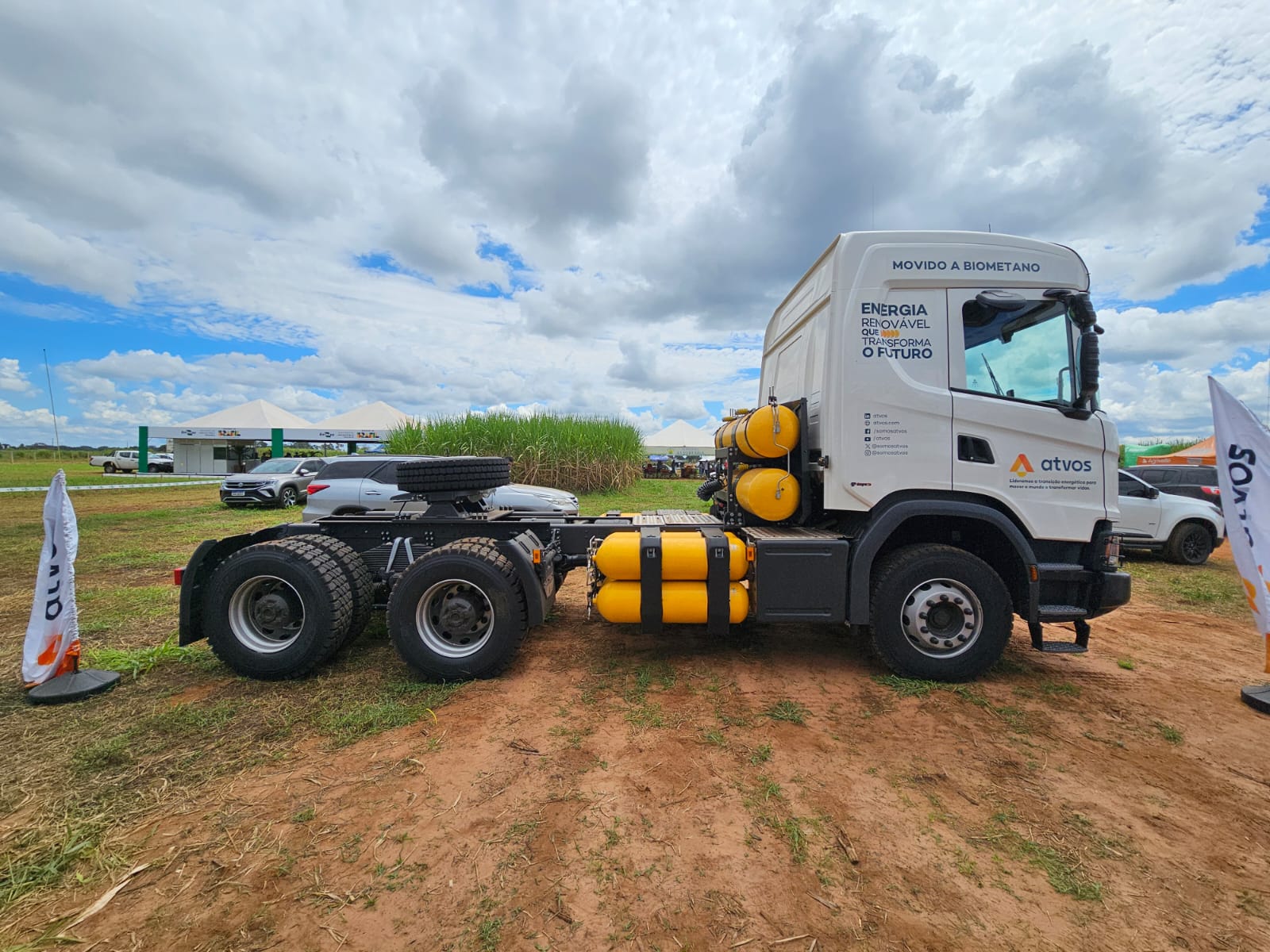
From the field to the pipelines: Mato Grosso do Sul accelerates the energy transition and consolidates a new axis in renewable energy with the arrival of a giant biogas plant.
-
The Economist states that Brazil has a “secret weapon” against expensive oil and highlights how the country can reduce economic impacts even in international scenarios of high volatility.

While Corteva contributes with its extensive portfolio of genetics, innovation, and productivity in the field, BP brings its expertise in refining, logistics, and marketing of fuels for the transportation sector. This complementarity creates a direct bridge between the agricultural sector and the energy industry, reducing risks and enhancing the efficiency of the value chain.
Etlas and the Production of Sustainable Agricultural Feedstock
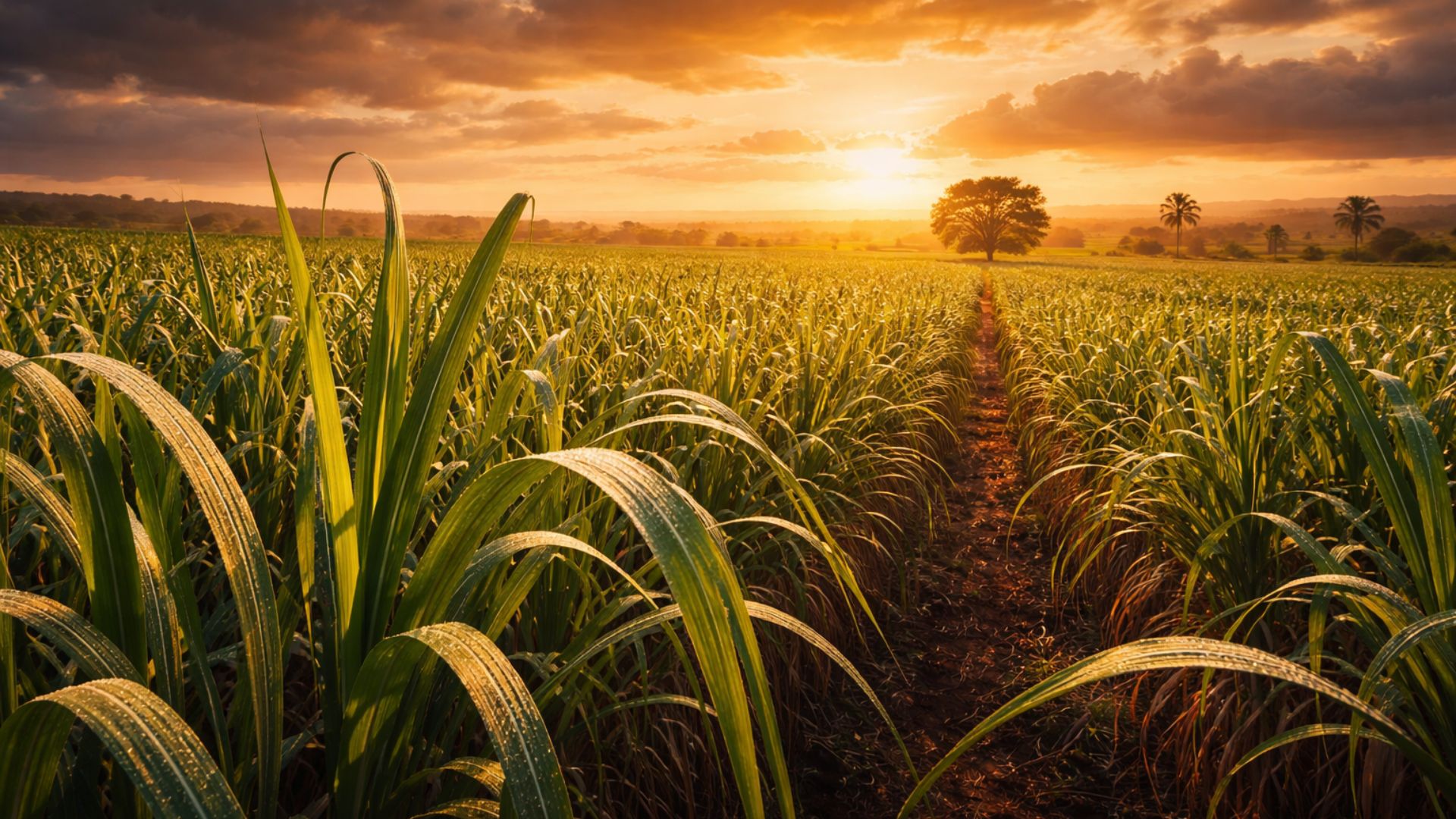
The operational focus of Etlas is on the production of agricultural feedstock from oilseed crops grown among major food crop harvests. Canola, sunflower, and mustard were chosen for their high oil yield potential, good adaptability to different climatic conditions, and relevant agronomic benefits.
These intermediary crops are planted during traditionally idle periods, such as fallow land or cover crops. The result is a more efficient use of land, without competing with food production or additional demand for new agricultural areas.
Biofuels, SAF, and Renewable Diesel at the Center of the Strategy
The production of Etlas will be primarily directed toward the manufacturing of advanced biofuels, particularly SAF and renewable diesel. These fuels are considered essential for reducing the carbon footprint of air and road transportation, sectors that face technological limitations for total electrification.
According to industry estimates, global demand for SAF could grow from about 1 million tons in 2024 to as much as 10 million tons by 2030. Meanwhile, the renewable diesel market could jump from approximately 17 million tons in 2024 to up to 35 million tons by the end of the decade. These numbers highlight the urgency for new reliable and sustainable supply sources.
Corteva and BP Expand Biofuel Offerings by 2030 with Etlas
The target announced by Etlas is to produce about 1 million tons of agricultural feedstock per year by the mid-2030s. This volume could result in more than 800,000 tons of biofuels, intended both for co-processing in existing refineries and for plants dedicated to the production of SAF and renewable diesel.
Initial supply is expected to begin in 2027. The timeline demonstrates the strategic and long-term nature of the joint venture, which aims to position itself early in an increasingly competitive and regulated market.
Joint Venture Etlas Strengthens Farmers and Sustainability
One of the most significant points of the joint venture between Corteva and BP is the direct positive impact on farmers. By introducing intermediary crops, Etlas creates a new source of income without compromising the primary food production.
Moreover, these crops contribute to improving soil health, aiding in nutrient retention, reducing erosion, and increasing agricultural biodiversity. It is a model that combines economic gains with tangible environmental benefits, aligned with good practices of regenerative agriculture.
Governance of Etlas Unites Agricultural and Energy Experience
The governance structure of Etlas has been designed to reflect the balance between agriculture and energy. Ignacio Conti, global director of Business Development at Corteva, takes on the role of CEO of the new company. Meanwhile, the presidency of the Board of Directors will be held by Gaurav Sonar, vice president of New Feedstocks at BP.
This mixed leadership aims to ensure strategic decisions aligned with both the realities of the field and the demands of the global energy market. Strong governance is seen as a key factor for the success of Etlas on an international scale.
Agricultural Feedstock as a Vector of the Energy Transition
The use of agricultural feedstock for clean energy production has been gaining prominence in the climate and industrial policies of various countries. By leveraging existing agricultural lands and unproductive periods, projects like Etlas reduce emissions without putting pressure on natural ecosystems.
In this sense, the partnership between Corteva and BP reinforces the idea that agriculture can be an active part of the climate solution. The field ceases to be merely a consumer of energy and becomes a strategic supplier for a low-carbon economy.
Biofuels and Competitiveness in the Global Market
The advancement of biofuels is not only a response to climate change but also an issue of economic competitiveness. Countries and companies that manage to structure efficient production chains tend to benefit from regulatory incentives, access to premium markets, and greater resilience against fossil fuel volatility.
Etlas positions itself in this scenario as a new strategic link, connecting rural producers, agricultural technology, and large energy consumers. This integration can accelerate the adoption of sustainable fuels on a global scale.
Corteva and BP Redefine the Role of Agribusiness
The creation of Etlas symbolizes a structural change in the role of agribusiness within the energy transition. More than just producing food, the sector now provides essential inputs for the decarbonization of the economy.
With innovation, planning, and strategic partnerships, crops such as canola, sunflower, and mustard gain prominence. Agriculture solidifies itself as a pillar of energy and climate security.
The launch of Etlas in January 2026 represents a milestone in the integration between agriculture and energy. The joint venture between Corteva and BP combines technical knowledge, industrial scale, and long-term vision to meet the growing demand for biofuels by 2030.
The project demonstrates that the energy transition involves the field. By valuing agricultural feedstock, generating additional income for farmers, and reducing emissions, Etlas positions itself as a sustainable business model, with the potential to influence public policies, private investments, and the future of clean energy on a global scale.







Seja o primeiro a reagir!