





 Portuguese
  English
  Spanish
  3 min of reading
  0 comments


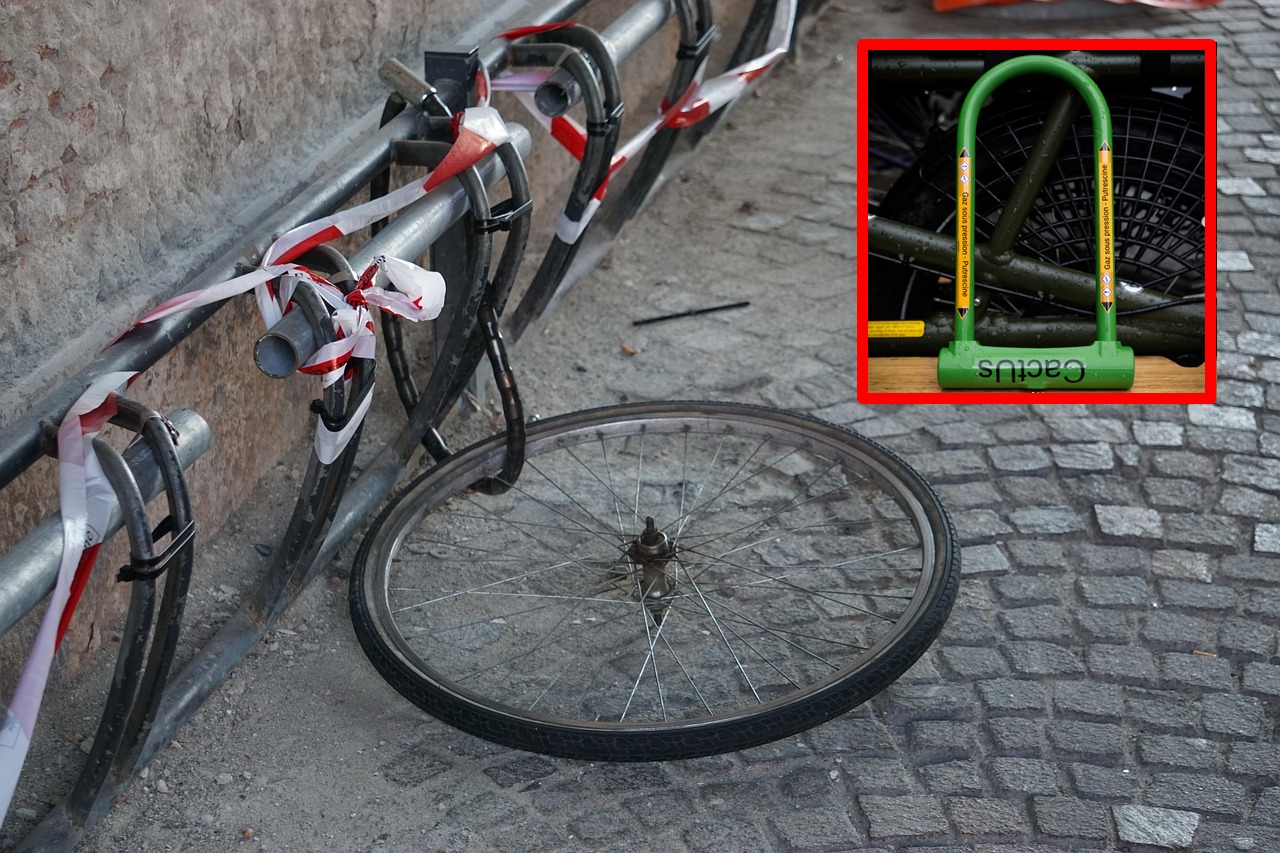
The Cactus Lock Anti-Theft Device Bets on the Use of an Unbearable Smell to Prevent Theft
In France, bicycle theft is a growing problem. More than 400,000 bicycles disappear each year, according to the French Federation of Bicycle Users. The theft not only results in financial losses but also complicates the lives of those who depend on this means of transportation.
With this in mind, a young engineer created an innovative device to deter thieves: a lock that releases a foul odor when broken. The invention, named CactUs, promises to transform the safety of bicycles.
An Invention Motivated by the Theft of a Bicycle
The project was born out of the frustration of Aïko, an engineering student at CPE Lyon. In 2023, her bicycle was stolen, even while using two certified locks. The crime occurred in broad daylight.
-
With a cost per shot close to zero, the DragonFire laser could change naval warfare in 2027 and provide British ships with nearly unlimited defense against drones.

-
A British startup creates tires that generate electricity in electric vehicles when passing over potholes, speed bumps, and cracks.

-
Scientists have created robots made with living cells that have their own nervous system, swim on their own, explore the environment, and self-organize without any genetic engineering, and now they want to do the same with human cells.

-
Students create a solar-powered ambulance that operates without a plug, without fuel, and still keeps medical equipment running in remote areas.

Outraged, she realized that traditional devices only delayed thieves without actually stopping them. Thus, she decided to develop a solution that would not only make theft difficult but also create an immediate and unpleasant consequence for the criminal.
The answer was a security system based on extreme sensory discomfort. The mechanism releases a foul odor that clings to the thief’s clothes and belongings, creating a traumatic experience. The idea, although unusual, has proven effective.
Bicycle Thief Will Think Twice: The Secret is in the Smell
The major breakthrough of the CactUs lock is the use of putrescine, a substance naturally found in decomposing bodies. Despite the unbearable smell, the molecule is safe for human health. The effect is immediate: once the odor is inhaled, it lingers in the olfactory memory for days, making it difficult to remove.
Aïko used her chemistry knowledge to ensure that the gas is released only when the lock is broken. This way, the liquid does not accidentally escape and harm the bicycle owner. The thief, on the other hand, will immediately suffer the consequences.
French Production and Intimidating Design
With her father’s support, Aïko was able to turn the idea into a commercial product. The CactUs lock is already available for pre-order on the brand’s website for €179.99 (about R$ 1,128.91). Made entirely in France, production is carried out by small and medium local companies.
The design also plays an important role in prevention. The device is bright green and yellow, with chemical pictograms that warn of danger. This makes many thieves think twice before attempting to tamper with it.
How It Works in Practice
The mechanism of the CactUs follows a simple logic:
- The thief approaches and notices the visual warnings on the bicycle lock.
- If they still decide to cut the device, they will be exposed to a cloud of nauseating gas.
- The smell clings to their clothes, backpack, and hair, making it impossible to disguise what happened.
- The immediate discomfort makes the thief think twice before attempting again.
The goal is not only to make theft difficult but to create a mechanism of psychological punishment to deter crime. The thief’s olfactory memory will associate the negative experience with the act of theft, serving as an unwanted lesson.
The CactUs hits the market as an original and effective alternative for those who fear losing their bicycle. In a scenario where conventional methods fail, a defense mechanism based on smell could be the solution.
With production already underway, the expectation is that the device will gain popularity and help reduce bicycle thefts in France, or even expand to other parts of the world in the future.
Information from Neo Zone.







-

Uma pessoa reagiu a isso.