





 Portuguese
  English
  Spanish
  3 min of reading
  0 comments



Specialists warn of unjustified charges at the beginning of the school year, highlighting consumer rights, strict supervision, and how to avoid unnecessary expenses on prohibited items on school supply lists
At the beginning of each school year, a recurring concern returns to the routine of thousands of Brazilian families: the school supply list. However, beyond the financial impact, there is an even more relevant factor that requires heightened attention: the presence of prohibited items that, although common, cannot be demanded by educational institutions.
This information was disclosed by a “consumer defense portal,” based on inspections carried out by competent authorities, such as Procon, which reinforce the importance of knowing the rights guaranteed by Federal Law No. 12,886/2013. This legislation establishes clear rules about what can — and cannot — be requested by schools, protecting parents and guardians against abusive practices.
Prohibited items on the school supply list that still appear frequently
First of all, it is essential to understand that any item for collective use should not be included on school lists. Still, many institutions insist on including these materials, which constitutes irregularity and can result in severe penalties.
-
Family loses custody of 3 children after living isolated in the woods with solar panels, well water, and growing their own food in a routine far from the city, in Italy.

-
Luxury hotels are taking the competition to the ocean and transforming billion-dollar yachts into exclusive extensions of their brands for a new premium tourism.

-
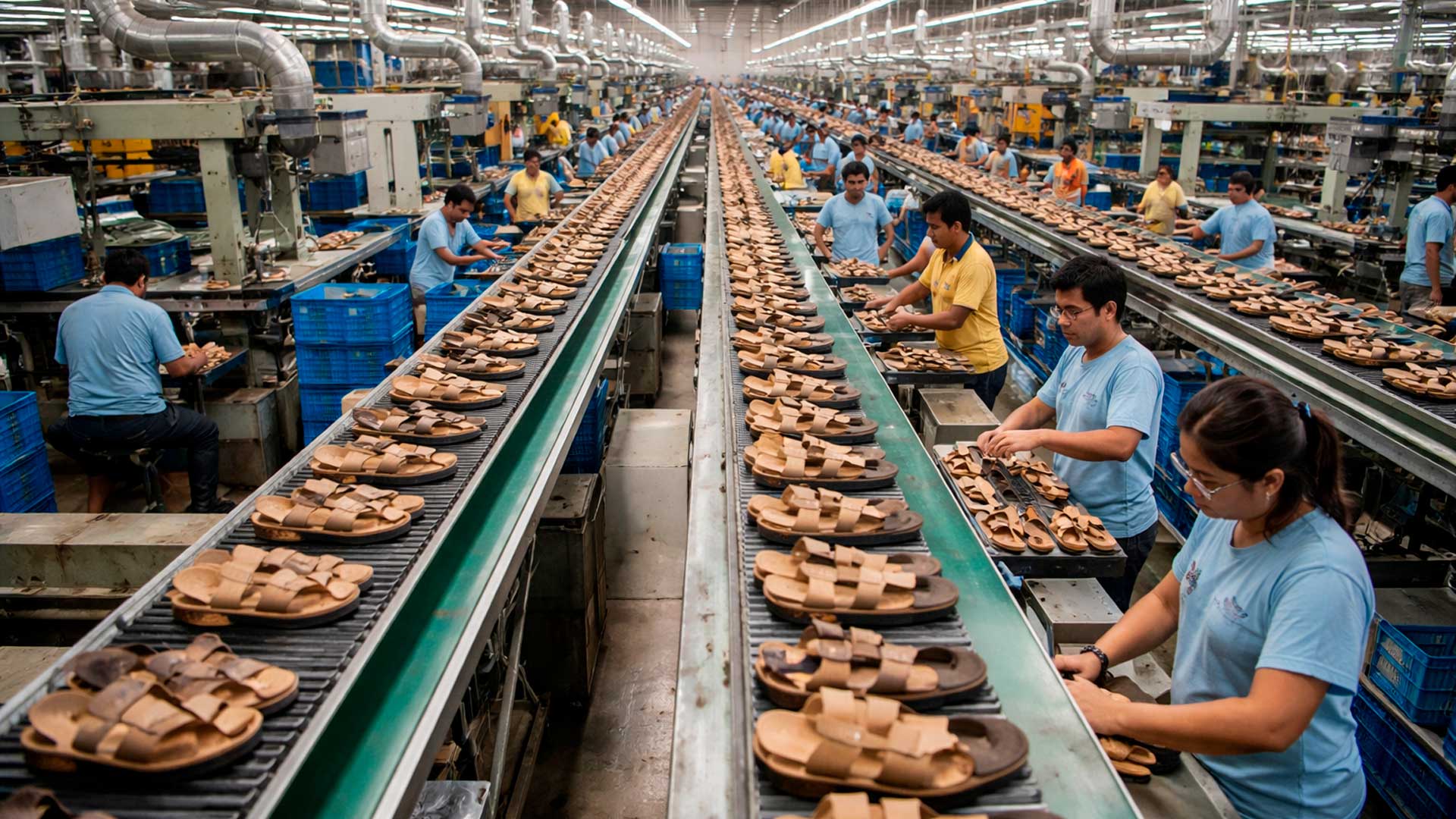
A Brazilian city produces 120,000 pairs of shoes per day and dominates the footwear industry, accounting for 16.5% of national production and helping Ceará capture 24.3% of the Brazilian market even under external pressure.
-
A millionaire wanted a mansion in Florida, found a protected bird, and is now trying to overturn environmental protection, impacting more than 1,200 species, to avoid a fine of $118,000.

Among the items most frequently considered abusive, the following stand out:
- Disinfectant
- Toilet paper
- Disposable cups
- Alcohol
- Plastic bags
Additionally, another point of attention involves the demand for specific brands. That is, no school can require parents to buy products from a certain brand or supplier. Likewise, the sale of materials within the institution itself is also considered illegal.
Consequently, these practices can result in fines that reach an impressive R$ 18.8 million, highlighting the seriousness of supervision and the rigor of the rules applied in Brazil.
Operation reveals irregularities and reinforces supervision in schools
In order to combat these practices, specific actions have been carried out in various regions of the country. One example occurred in January when Procon Fortaleza implemented the so-called “School Supply Operation.”
During the operation, schools were notified and had a period of five days to present their supply lists. If irregularities were identified, the institutions were required to immediately comply with the current legislation.
Furthermore, the initiative primarily focused on investigating complaints made by consumers, showing that the active participation of parents is essential to curb abuses. Thus, supervision not only punishes irregularities but also educates and guides both institutions and families.
How to report irregularities and avoid unnecessary expenses
In light of this scenario, it becomes essential for parents and guardians to adopt a more critical and informed stance. If they identify any unjustified demands, the recommendation is to contact Procon directly to formalize a complaint.
On the other hand, a simple practice can lead to significant savings: reviewing last year’s materials. Often, items are still in good condition and can be reused, contributing not only to the budget but also to sustainability.
Another important point involves so-called substitute fees. Although permitted, they can only be charged if they are a choice of the contractor — never an imposition from the school. Therefore, any mandatory charge in this regard should also be questioned.
In summary, staying informed is the best way to avoid losses and ensure that consumer rights are respected. After all, although they may seem common, these abusive practices can hide serious irregularities that directly impact the family budget.








Seja o primeiro a reagir!