Portuguese
  Spanish


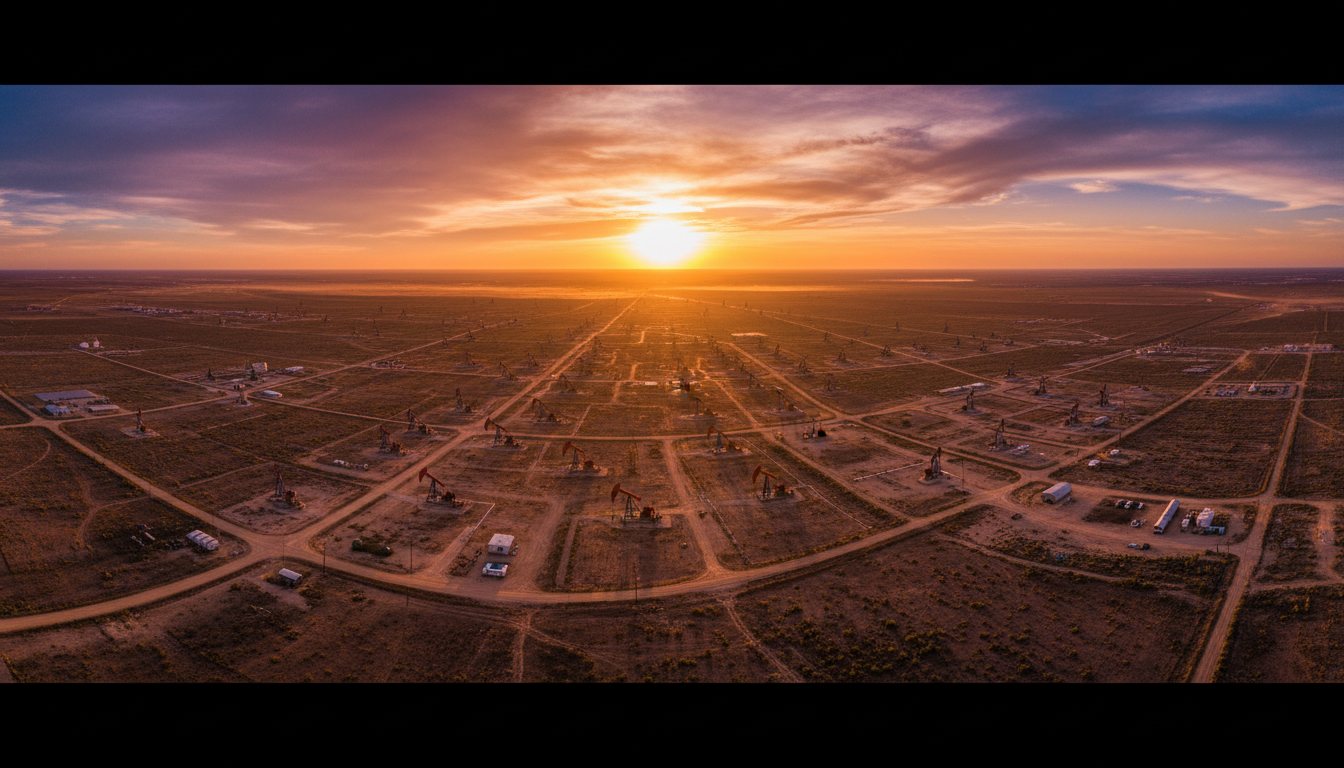

The USGS confirmed in January 2026 that the Woodford and Barnett formations of the Permian Basin hide 1.6 billion barrels of oil and 28.3 trillion cubic feet of natural gas at depths of up to 20,000 feet — resources that the industry did not know existed
The world’s largest oil field had a secret. On January 14, 2026, the United States Geological Survey (USGS) published an assessment revealing 1.6 billion barrels of oil and 28.3 trillion cubic feet of natural gas technically recoverable in the Woodford and Barnett shale formations, buried beneath the already productive fields of the USGS Permian Basin in Texas and New Mexico.
Ned Mamula, director of the USGS, stated: “USGS oil and gas assessments point to resources that the industry has yet to discover. We estimate that there are significant undiscovered resources in the Woodford and Barnett formations in the Permian Basin.” Therefore, decades of exploration have overlooked entire layers of rock.
The numbers that were hidden 6 km deep in the USGS Permian Basin

- Oil: 1.6 billion barrels (equivalent to 10 weeks of U.S. consumption)
- Natural gas: 28.3 trillion cubic feet (10 months of U.S. consumption)
- Depth: up to 20,000 feet (6,100 meters)
- Location: west Texas and southeast New Mexico
- Formations: Woodford and Barnett shales
- Historical production: only 26 million barrels since the 1990s
The historical production of these layers — 26 million barrels — is equivalent to just one day of consumption in the United States. Thus, the untapped potential is immensely greater than everything that has been extracted.
-
Australia deploys poisoned sausages and uses traps, shooting, and fences in a battle against invasive cats that kill over 1.5 billion native animals annually, threatening more than 200 species.

-
NASA Rover Captures “Tired Face” on Mars, Highlighting Human Brain’s Tendency to See Faces in Rock Formations

-
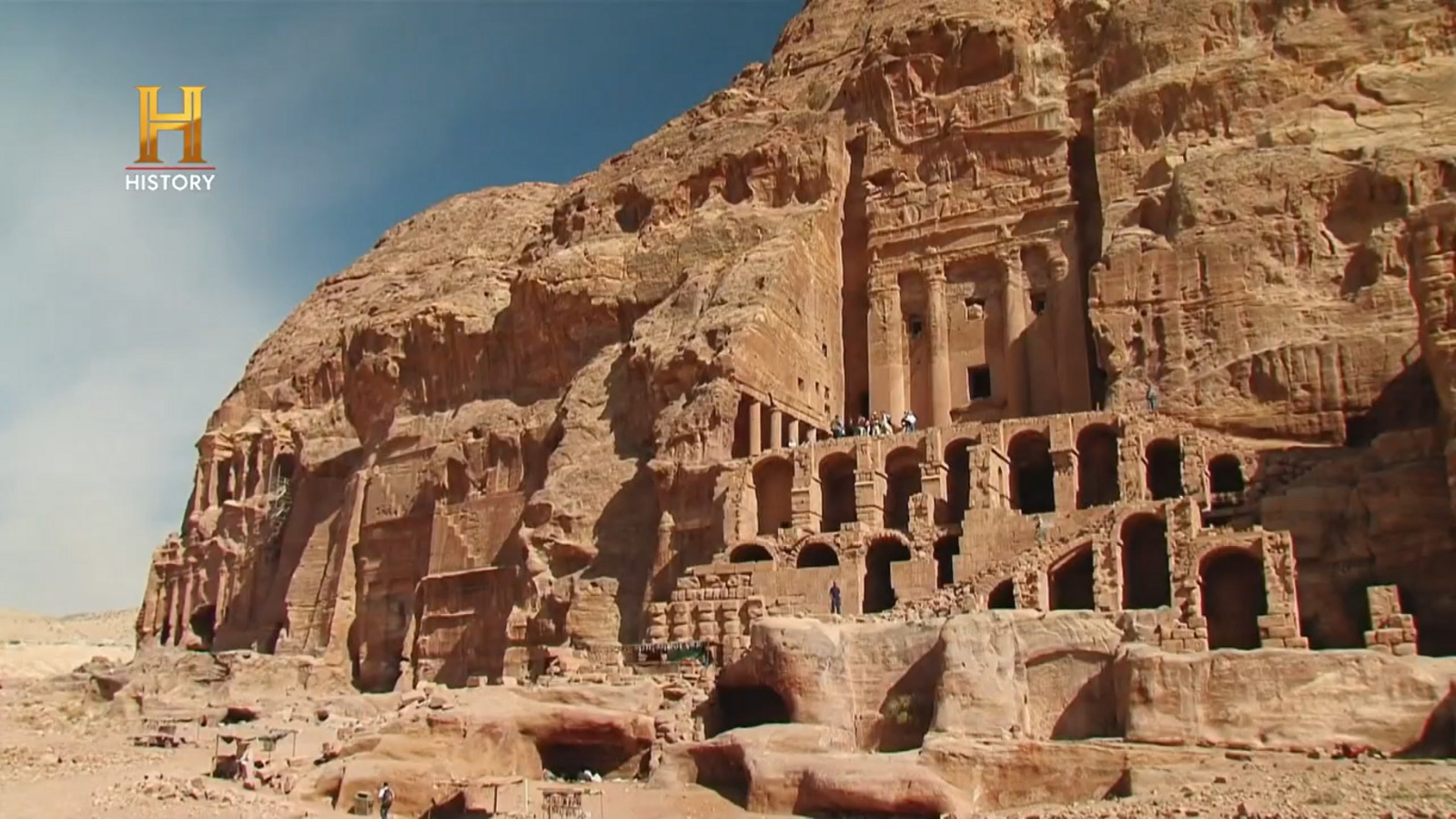
Ancient Stone City in the Desert, Once Home to 30,000, Puzzles Scientists with Nabateans’ Water Mastery 2,000 Years Ago

-
Ancient Creature Thought Extinct Since Dinosaur Era Reappears, Baffling Scientists



Why these reserves remained invisible for decades

The answer is simple: depth and technology. The Woodford and Barnett layers are up to 20,000 feet below the surface, much deeper than other resources in the USGS Permian Basin. Consequently, until recent advances in hydraulic fracturing and horizontal drilling, these formations were technically inaccessible.
The assessment was led by Andrea D. Cicero from the USGS Central Energy Resources Science Center, in collaboration with Christopher J. Schenk, Jenny H. Lagesse, Benjamin G. Johnson, and other researchers. Furthermore, the methodology used was based on geology, defining assessment units as the basis of the National Oil and Gas Assessment Project.
The impact on American energy security and what still needs to be resolved

The 1.6 billion barrels represent 10 weeks of national supply, and the 28.3 trillion cubic feet of gas cover 10 months of U.S. consumption. Therefore, in a basin that is already the largest producer of oil and gas in the world, these additional resources reinforce American energy independence amid a global geopolitical crisis.
However, these are “undiscovered and technically recoverable” resources — not economically guaranteed. The extreme depth of 20,000 feet increases drilling costs and risks. Additionally, no operator has announced concrete plans for exploration in these layers. Still, the mere fact that significant reserves exist beneath mature fields that the industry has explored for decades without realizing it is a reminder that the USGS Permian Basin still holds surprises.