





 Portuguese
  English
  Spanish
  6 min of reading
  0 comments


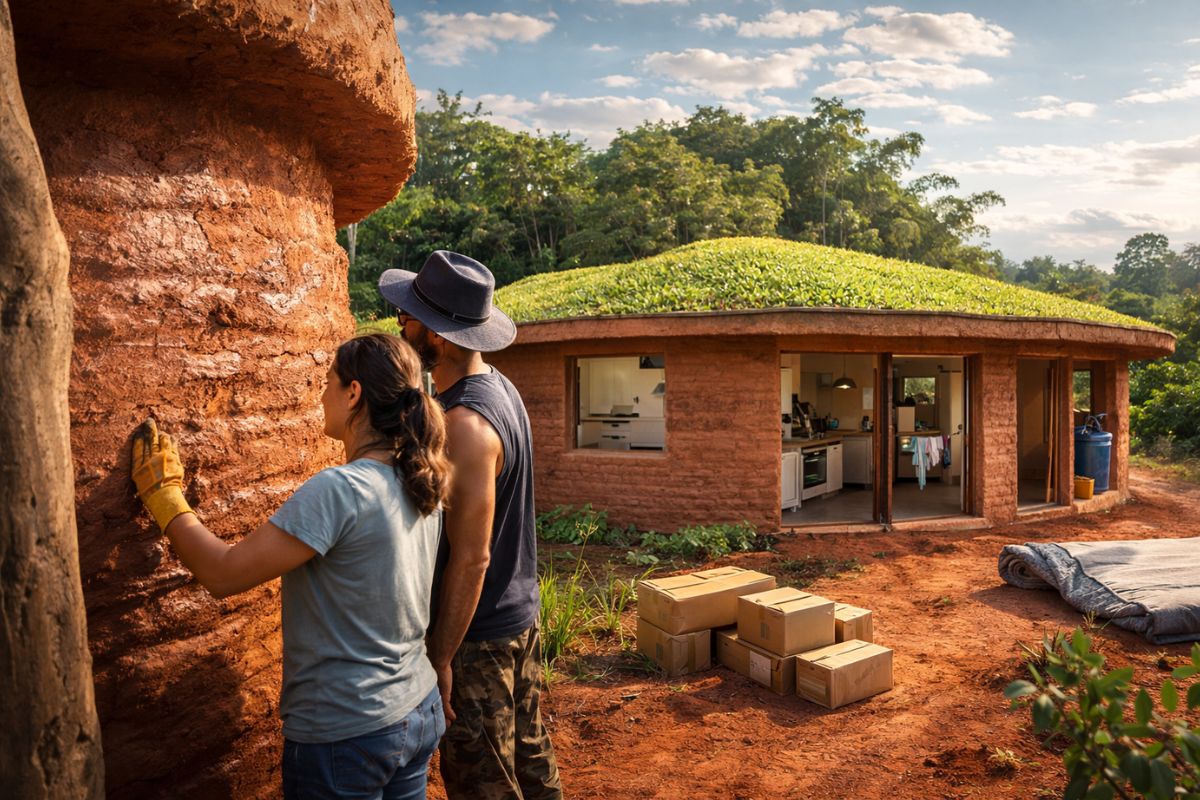
The earth house built by the couple at the Pedra da Mata Institute enters a new phase, with kitchen completed, green roof underway, internal partitions ready, and move-in expected in about two months.
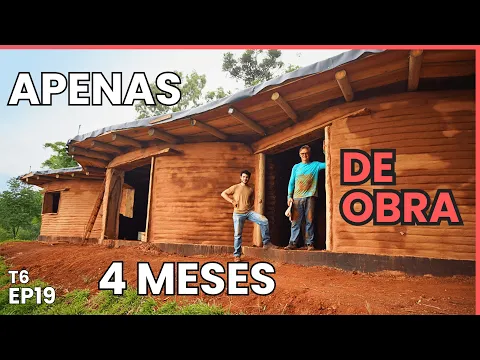
The earth house revisited by the channel Expanding Worlds shows how the work has evolved since the walls of the kitchen were raised. Now, the project already displays the roof structure ready, gel membrane applied, earth on the roof, irrigation system installed, and plaster progressing on the walls.
At the same time, the construction reveals technical choices that deviate from the more common standard. Instead of tarpaulin, the couple opts for gel membrane on the green roof, uses hyperadobe on the external walls, adobe bricks on the internal partitions, and prepares the finish with plaster made from earth, sand, lime, and cactus slime.
The work is led by Guinter and Eliana at the Instituto Pedra da Mata, which shares the progress of the construction also on Instagram @instituto.pedradamata. The proposal combines bioconstruction, thermal comfort, attention to detail, and solutions designed for the actual use of the house.
-
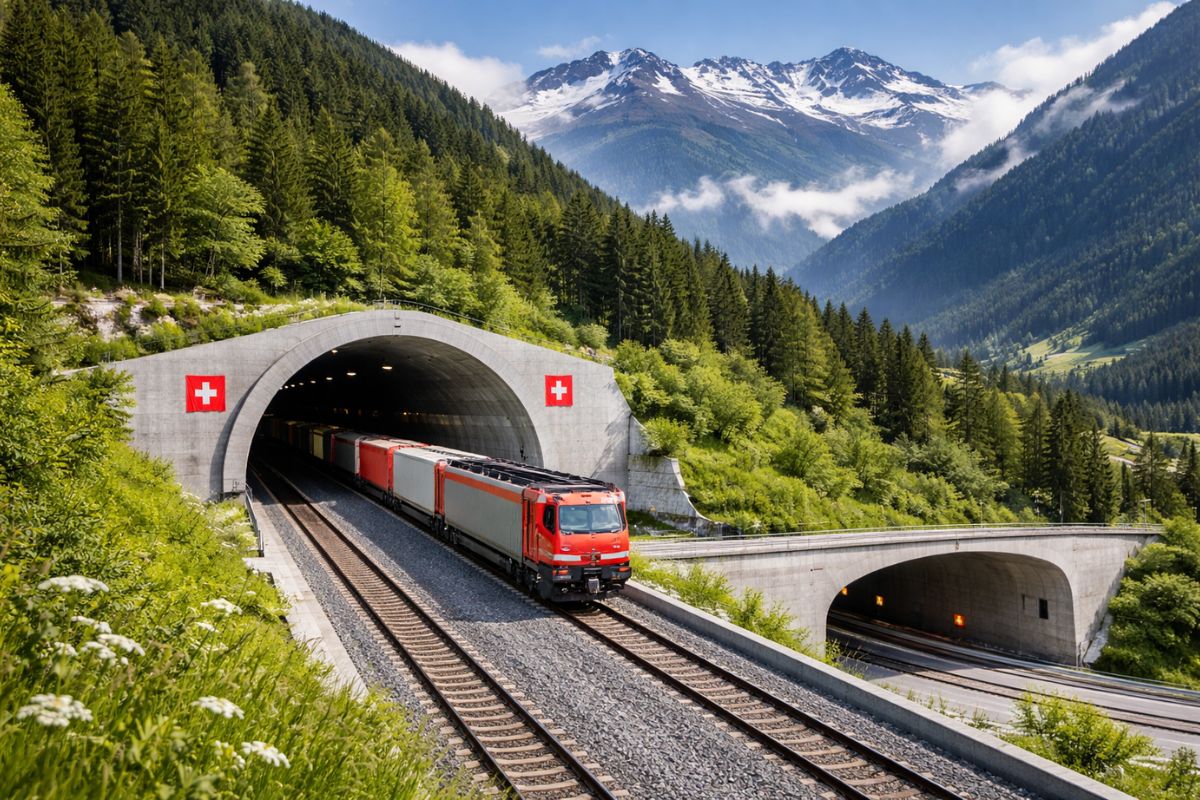
Switzerland has hidden more than 1,400 tunnels beneath the Alps to take trucks out of the mountains, and the result has already prevented hundreds of thousands of tons of CO2 without passengers noticing the difference.
-
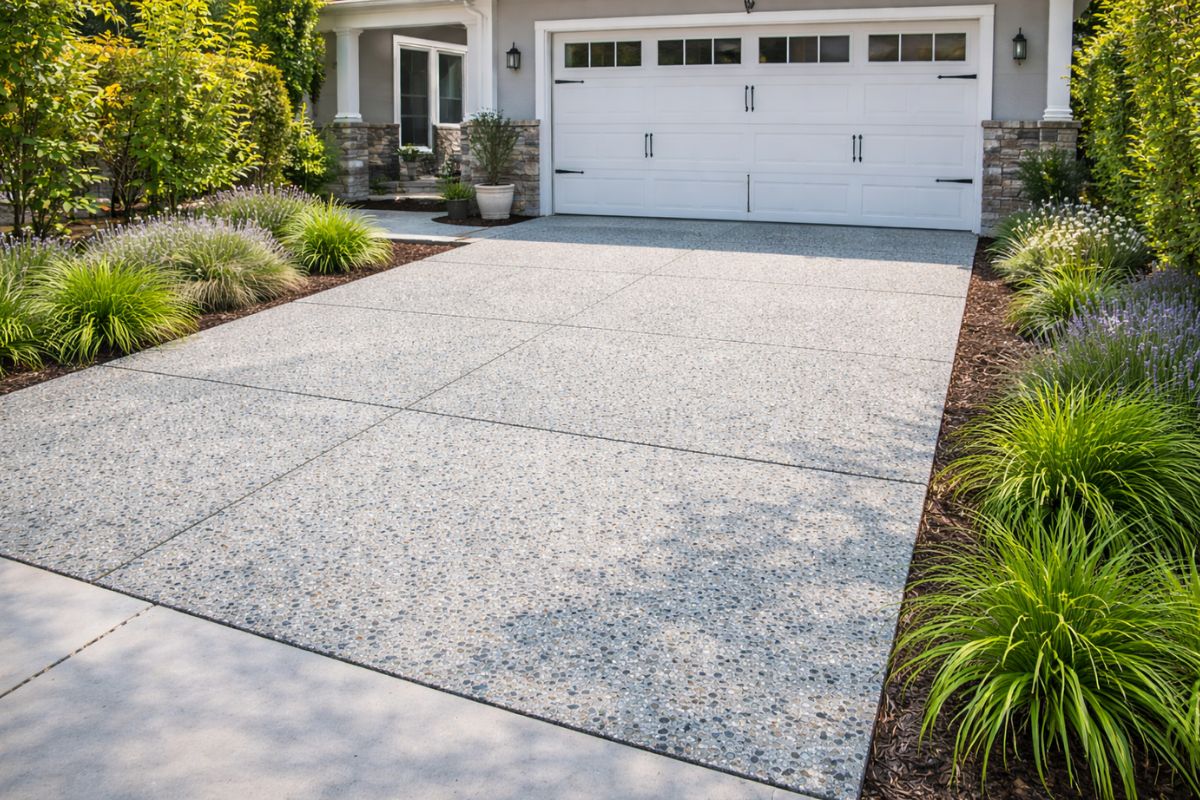
Recycled material costs less than half of concrete, pollutes much less, and gives the garage entrance a flawless appearance, but almost no one knows about this ecological alternative that has existed for years.
-
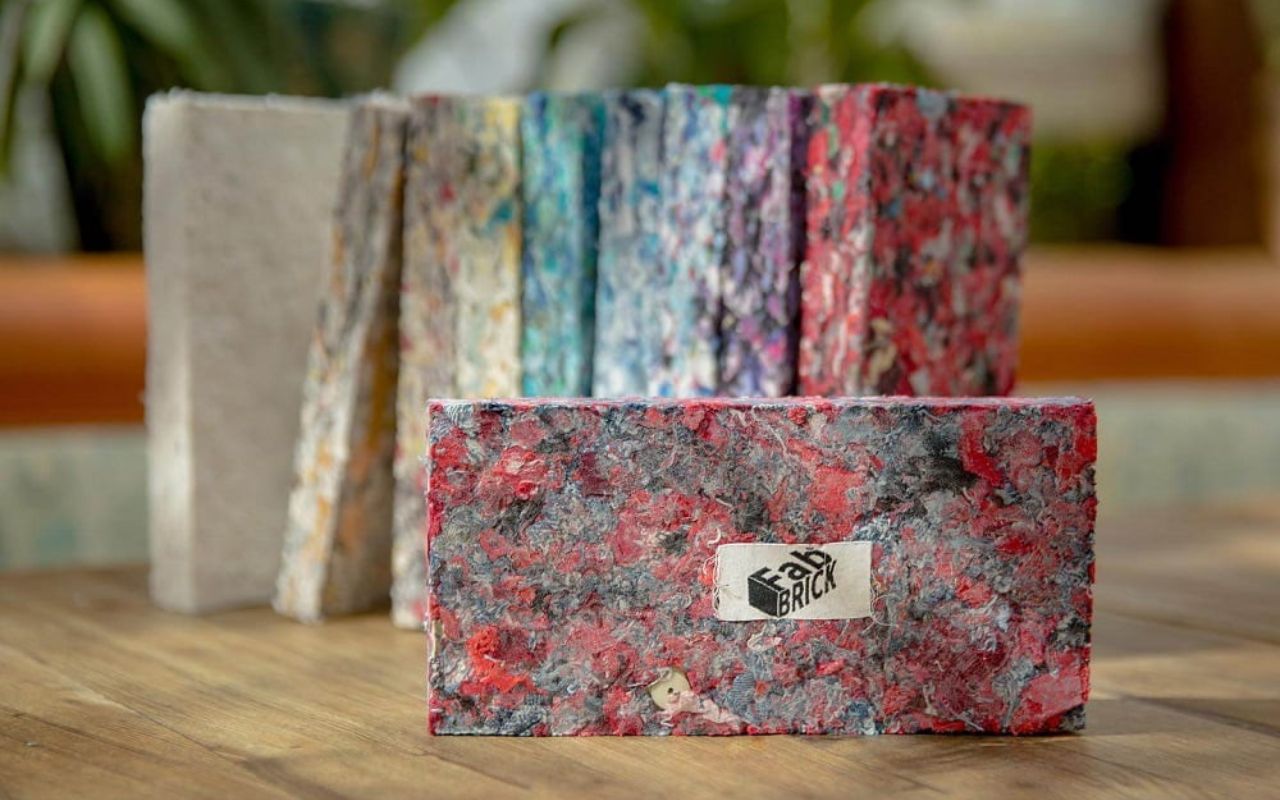
The company transforms discarded clothing into eco-friendly bricks that are resistant to fire and moisture; FabBRICK has already reused more than 12 tons of fabric.
-
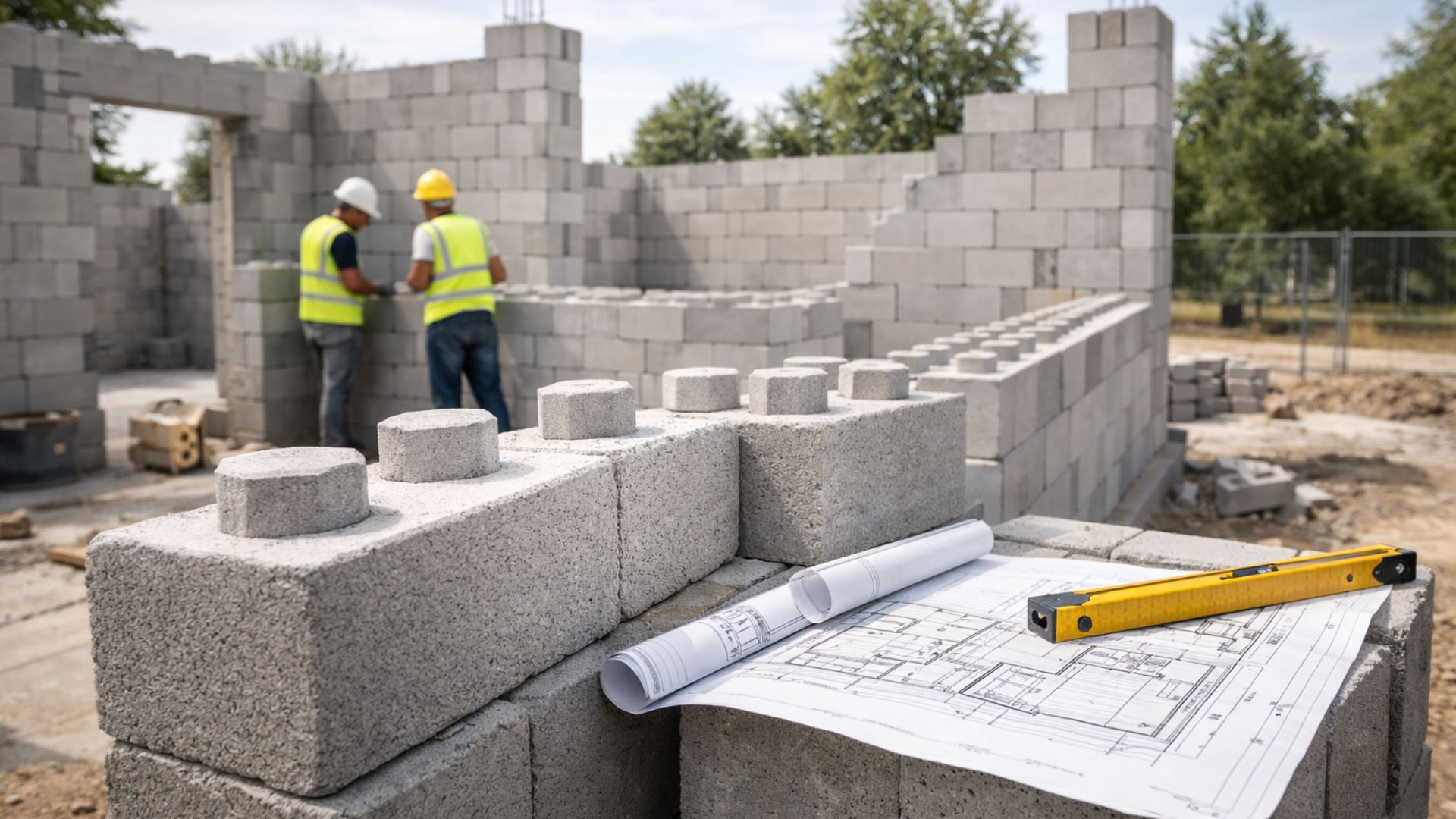
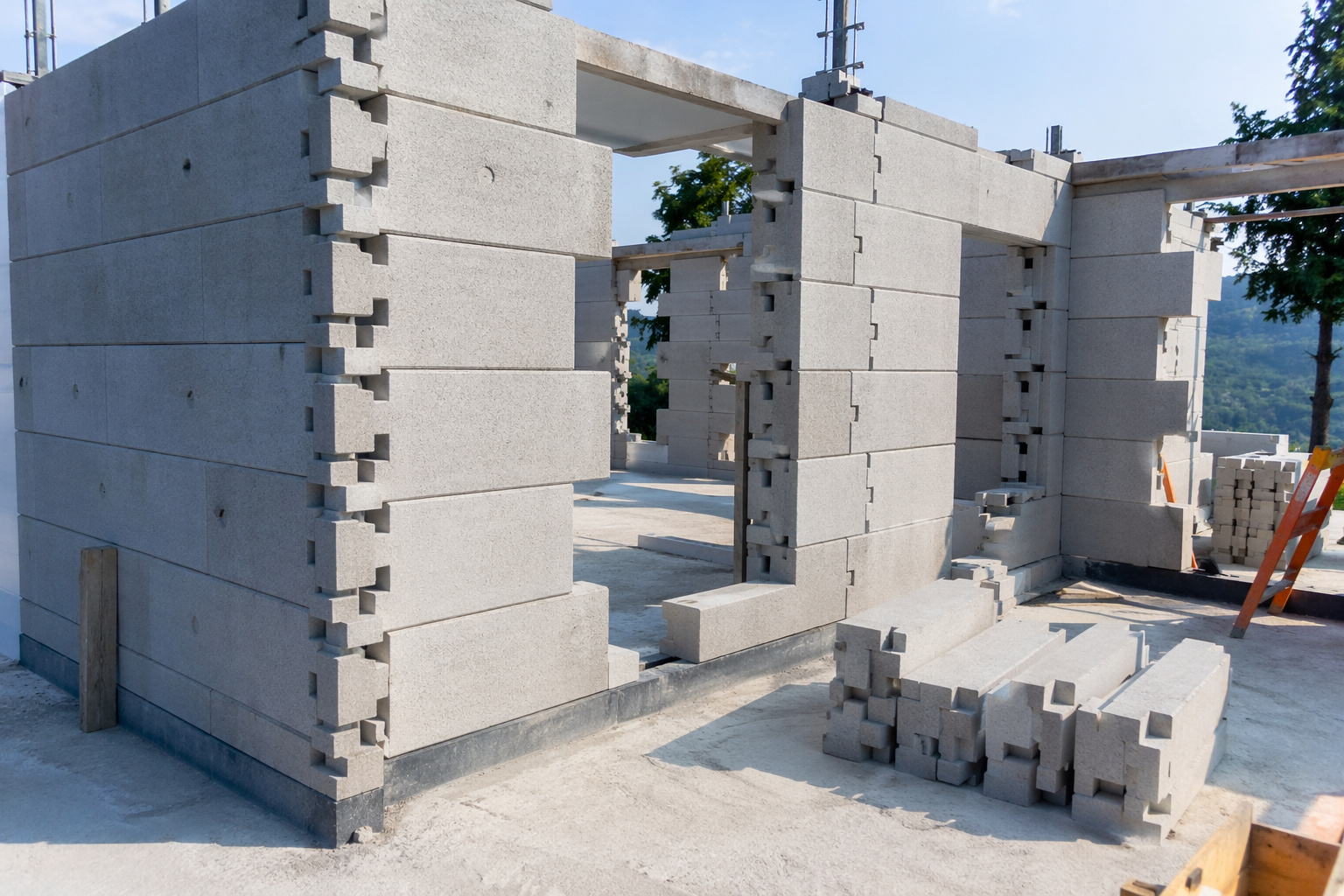
How to build an entire house in just a few days using LEGO concrete blocks and reduce construction time by up to 60%, without mortar, with precise fitting, lower labor costs, and high thermal and acoustic insulation.
Completed kitchen marks a new stage of the work

The kitchen area, which had been one of the most recent fronts of construction, has already been completed. This progress helps to show that the earth house has moved past the heaviest phase of the structure and is starting to enter a more visible stage of finishing.
According to the report shown on the channel Expanding Worlds, after the completion of this area came the assembly of the wooden structure, the execution of the roof structure, and the application of the gel membrane.
Next, the roof has already received earth on top and is prepared for grass planting, with the irrigation system also installed.
Green roof without tarpaulin is one of the most important choices

One of the most striking features of the earth house is precisely the green roof. The couple explains that they prefer to avoid tarpaulin because this type of solution may be cheaper at first but tends to bring infiltration and higher costs in the future.
Therefore, the choice was to invest in a material considered more reliable for the roofing, in addition to a structure capable of supporting the load of the roof with earth.
The expected thickness is around 15 to 20 centimeters of earth, with grass on top and an anchoring system to prevent the material from sliding in areas of greater inclination.
The roof was also designed to improve comfort inside the house. The green roof helps with thermal and acoustic insulation, and the couple reports that the internal temperature is already cooler than outside, even before the final installation of doors and windows.
Hyperadobe on the outside and adobe on the internal partitions
The structure mixes two different techniques. The external walls of the earth house were executed with hyperadobe, while the internal partitions are made with adobe bricks.
These bricks, according to the explanation given during the visit, are not burned and dry in the sun, maintaining the logic of a construction more connected to the earth and natural materials.
The chosen format in the internal areas helps to organize the spaces and facilitates the advancement to the next stages of plaster and finishing.
In addition, the house already has the definition of spaces. The project includes a suite, a guest room, and a space that will be Eliana’s office and consulting room, with its own external access.
Plaster with earth, lime, and cactus slime draws attention

Another highlight of the work is the plaster. The mixture used combines sifted earth, sifted sand, burnt quicklime, and cactus slime, forming a mass that the couple considers suitable for protection and finishing.
In the initial tests, the mix started with three parts of sand, one of earth, and half a part of lime, but larger cracks than desired appeared in the external area. After adjusting to four parts of sand and one of earth, the result improved.
The cactus slime plays an important role in this process. It is used along with water to make the mass more workable and also to help protect the external plaster against rain moisture.
After application, the finish also receives a paint made from earth, which helps cover small cracks and uniform the wall.
Internal installations show focus on comfort and quality
Even being a bioconstruction, the work does not compromise on complete internal structure. The earth house already has provisions for hot water, cold water, and conduits for electrical energy, with part of the distribution going under the floor.
The couple shows that the boxes and conduits are installed with cuts made in the wall, then fitted and settled with the clay itself. The proposal is to unite the logic of bioconstruction with functionality and comfort for everyday use, including in winter, with support from solar heating for water.
Acoustics and temperature become strong points of the construction

During the visit, one of the aspects that stands out the most is the internal sensation of the house. Even still under construction, the environment already presents a more pleasant temperature and noticeable acoustic insulation.
This response comes from the combination of thick earth walls and green roofing, which help reduce noise and balance the heat.
According to the report, when it rains, the sound tends to appear more strongly in specific points, such as water outlets and skylights, while the rest of the house remains quite silent.
Delays weighed, but the move-in already has a deadline
The evolution of the work did not happen without interruptions. Guinter reports a series of problems that delayed the schedule, including roof collapse with fracture, an accident with one of the workers, and cases of dengue in the team.
These unforeseen events caused the construction to extend longer than planned. Still, the perception now is that the heaviest part is already behind, with walls and roof practically resolved.
The focus now shifts to finishing the plaster, installing frames, advancing the painting, cleaning details, working on the wooden ceiling, and finalizing the flooring.
With this, the expectation presented during the visit is clear: in about two months, the couple intends to be living in the house.
Project shows bioconstruction in a concrete phase
The new visit from the channel Expanding Worlds to the Pedra da Mata Institute makes it clear that the construction has already surpassed the promise stage and entered a concrete phase of completion. The earth house now shows completed kitchen, defined partitions, advanced roofing, and finishing taking shape.
More than a different work, the project reveals a combination of technique, adaptation, and choice of materials that seeks durability and comfort.
And the fact that the process is being shown publicly, with updates on the channel and on Instagram @instituto.pedradamata, helps transform the construction into a practical reference for those closely following bioconstruction.
Would you live in a house made of earth with a green roof and natural finish, or would you still have reservations about investing in this type of construction?






Seja o primeiro a reagir!