





 Portuguese
  English
  Spanish
 5 min of reading
  0 comments


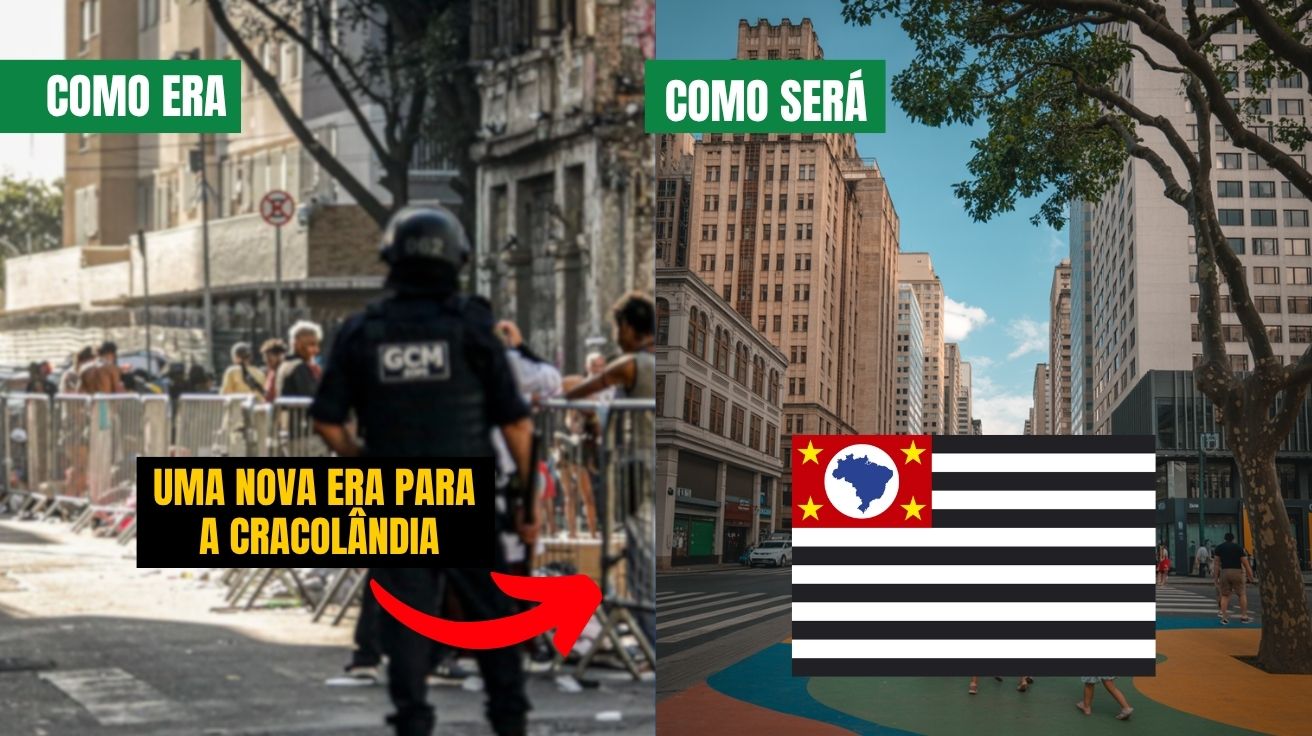
Old Cracolândia in Downtown São Paulo Gives Way to Innovative Urban Project Promising to Transform Territory Marked by Social Challenges.
The Cracolândia has disappeared from the map of downtown São Paulo, and the city hall has already defined the future of the land where the so-called “flow” of drug users operated in the region.
According to the official announcement made this Friday (06), the area will give way to a housing project for low-income families, which will include apartments in residential towers and infrastructure aimed at leisure and well-being for the community.
Located in the triangle formed by General Couto Magalhães, dos Gusmões, and dos Protestantes streets, the land is under municipal management and was empty for almost a month after the removal of the scene of use known as Cracolândia.
-
“No one will make us change the Pix,” says Lula after the US report.

-
He started running at 66 years old, broke records at 82, and is now a subject of study for having a metabolic age comparable to that of a 20-year-old, in a case that is intriguing scientists and inspiring the world.

-
Oldest tree on the planet reappears after 130 years of searches: Wattieza, 385 million years old, was 10 meters tall and had no leaves or seeds; Gilboa fossils in New York solved the mystery in 2007.

-
A 48-square-meter house assembled in hours with 4,000 bricks made of recycled plastic that does not absorb moisture, has natural thermal insulation, and costs less than 90,000 reais in a complete kit.


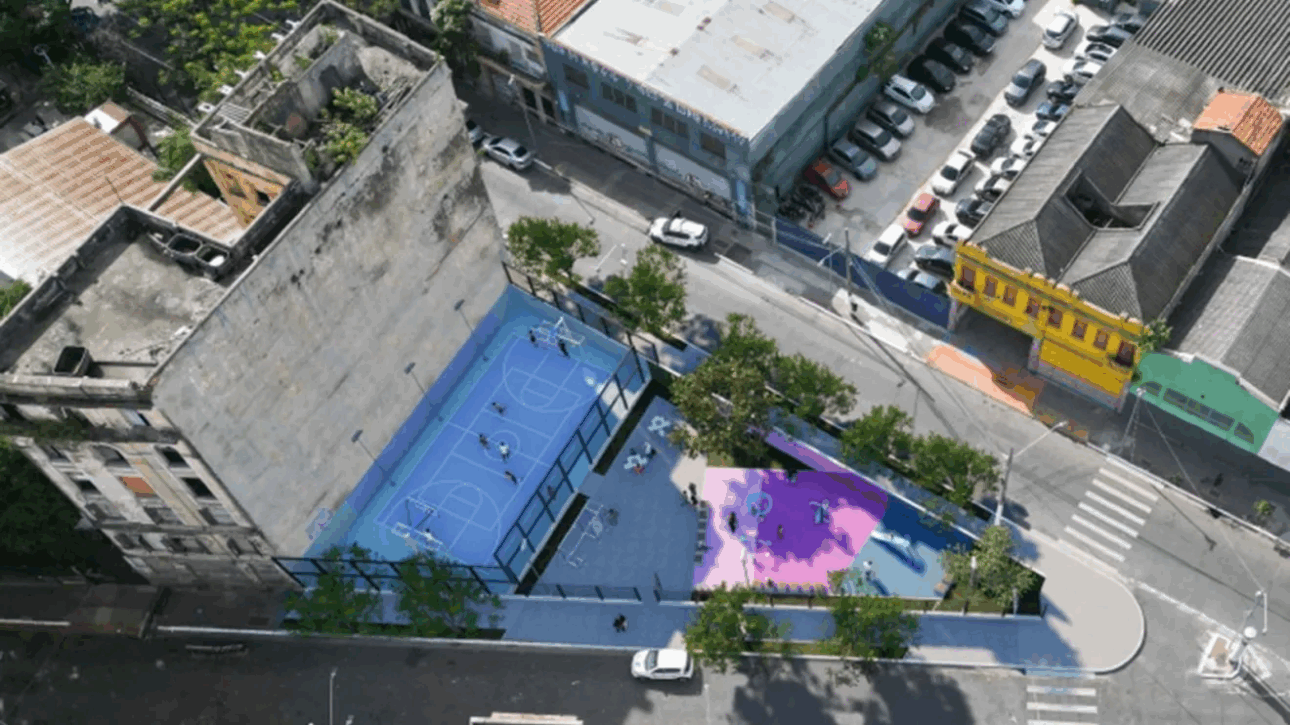
Previously occupied by users and cultural collectives, the area will now undergo a complete transformation, with the demolition of the deteriorated building that existed there and the construction of two towers of affordable apartments, in partnership between the Metropolitan Housing Company of São Paulo (COHAB) and the Company for Housing and Urban Development (CDHU).
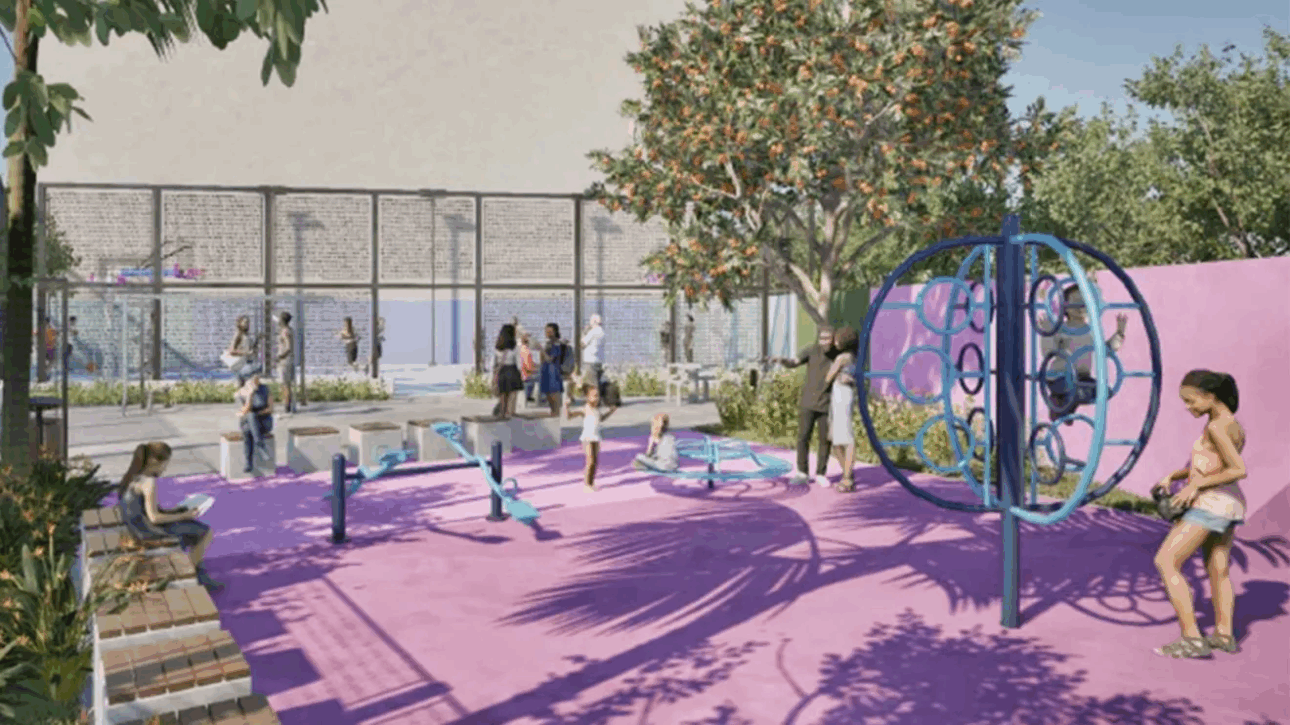
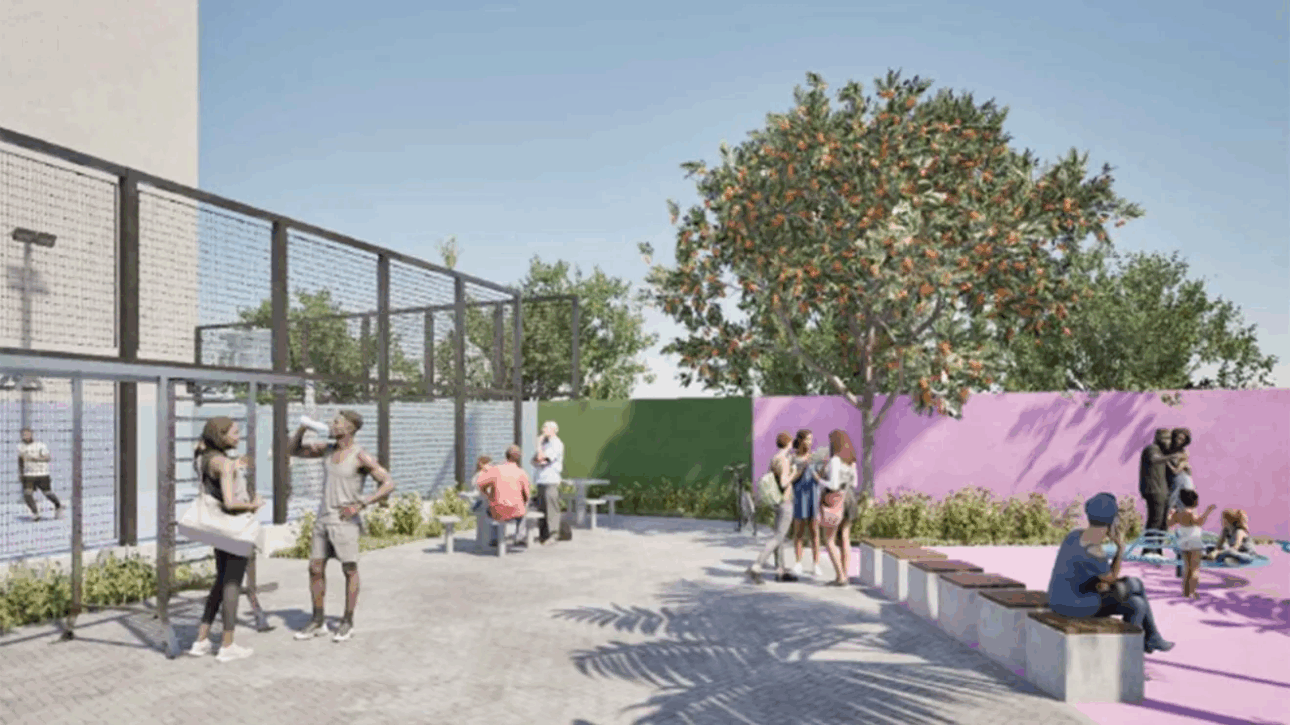
In addition to the housing, the project includes community spaces such as sports courts, playgrounds, lawns, and rest areas, aiming to ensure better quality of life for future residents.
According to the city hall, construction is expected to start in the coming days, marking the beginning of a new chapter for the heart of the city.
Dialogue with Cultural Collectives and Relocation
The definition of the land’s use comes after months of dialogue and negotiations with the cultural collectives that operated in the area, such as the Mungunzá Container Theater and the Collective Tem Sentimento, the latter focused on assisting women in vulnerable situations, especially those connected to Cracolândia, with activities such as sewing workshops.
Since August 2024, the municipal administration had been requesting the return of part of the land to install support structures for public services from the Municipal Health Department, which directly operates in the Open Scene of Cracolândia.
In early 2025, the request intensified, and in April the city hall notified the Mungunzá Theater to vacate the entire land, emphasizing that the area would be allocated to expand assistance to people experiencing homelessness and substance use, providing better conditions for social and health assistance teams.
The Collective Tem Sentimento also received a relocation proposal to an address on Rua Maria Borba, in the Consolação region, aiming to ensure adequate safety and accessibility for its activities.

Transformation of Cracolândia and Public Services
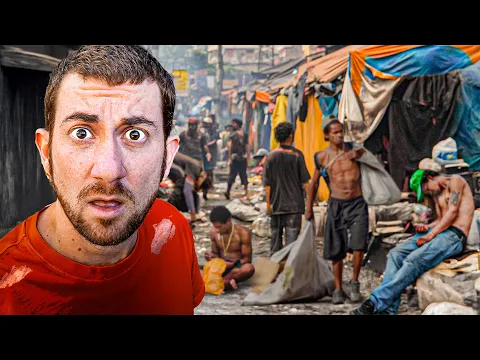
The so-called “Cracolândia” has been undergoing intense changes since early 2024, when the city hall built a wall to contain the flow in the area and installed the Health Tent, inaugurated in September of that year on Rua dos Protestantes.
This tent remains operational and serves as a strategic point for clinical and social assistance for drug users experiencing homelessness, providing a suitable environment for medical procedures and integrated meetings for the teams working in the Center.
Despite the “disappearance” of Cracolândia, which drew national and international attention, São Paulo’s management maintains dialogue to ensure that cultural collectives are relocated to sites with adequate infrastructure, ensuring continuity of social and cultural projects.
Affordable Housing in the Heart of the City
The land, which for years has been the stage for complex social challenges related to drug use and extreme vulnerability, will be transformed into a space for dignified housing, within a broader program for urban recovery in the capital.
According to the city hall, the goal is to strengthen the supply of affordable housing and assist families registered in the administration’s social programs, promoting social integration and improving the urban fabric in the central region of the city.
Experts in public policy and urbanism point out that initiatives like this are essential to address the housing and social crisis affecting large urban centers in Brazil.
Transforming areas previously marked by marginalization into spaces for coexistence, leisure, and housing is a strategy that can reduce vulnerabilities and create opportunities for social inclusion.
Challenges of Urban Transformation
However, the implementation of housing projects in central locations also brings challenges, such as the need to ensure adequate infrastructure, safety, and efficient public services for new residents.
The integration with local commerce, public transport, and the preservation of the cultural memory of the region are also topics that deserve attention in urban planning.
As the city hall advances with the project, the people of São Paulo are watching the changing scenery in the city center, which has marked the history of Cracolândia and its complexities for decades.
Do you believe that transforming the Cracolândia land into affordable housing will be sufficient to improve the quality of life in the region, or do other challenges need to be addressed to ensure real change?







Seja o primeiro a reagir!