





 Portuguese
  English
  Spanish
  6 min of reading
  0 comments


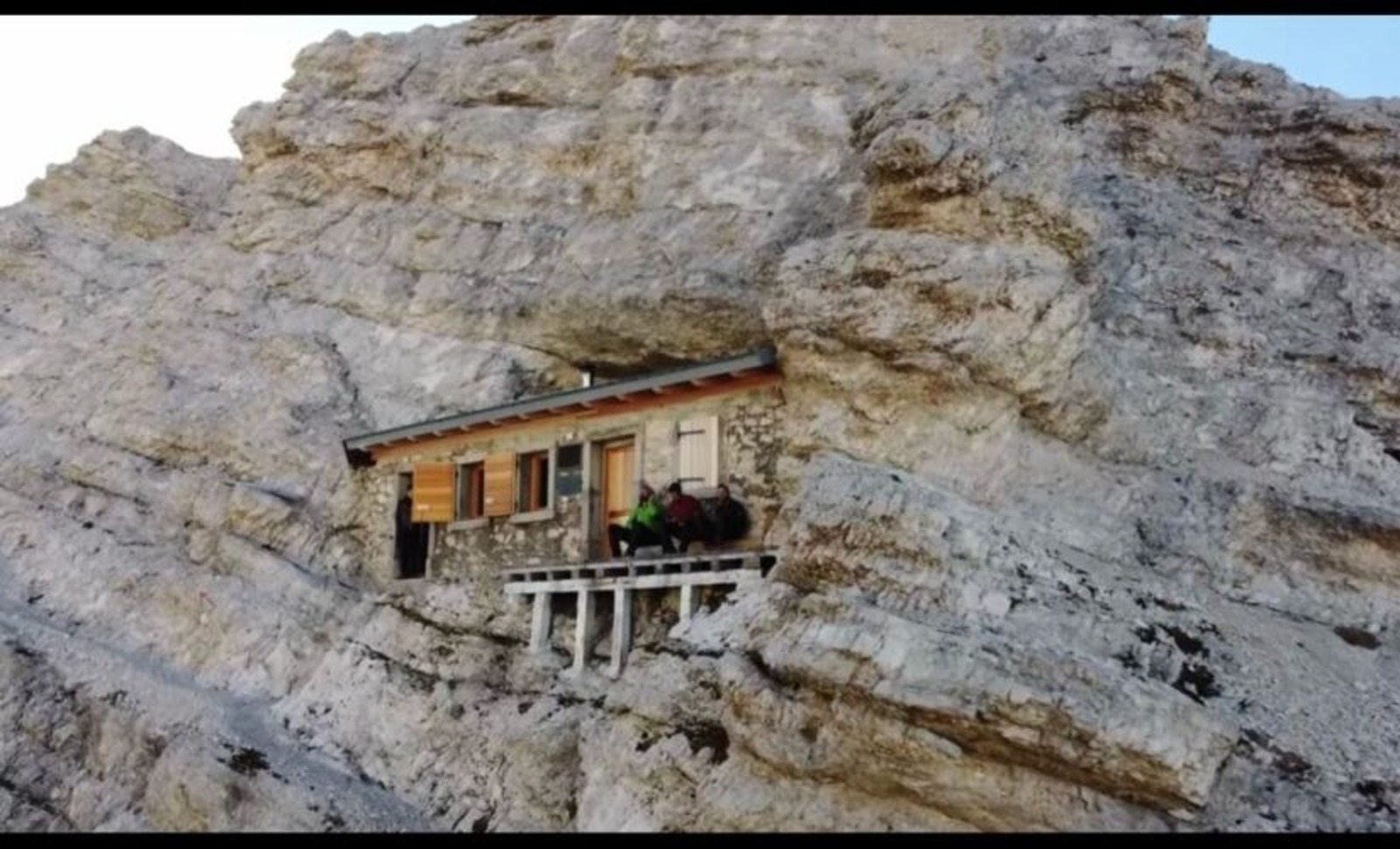
Isolated in the Italian Dolomites, the Buffa di Perrero was built during World War I. Today, the mysterious stone house attracts climbers who face the dangerous Via Ferrata Ivano Dibona to reach the historic refuge
In the heart of the Italian Dolomites, at 2,760 meters high, a small stone house defies logic and time. Vaulted into a cliff of Monte Cristallo, the Buffa di Perrero continues to intrigue scholars and attract adventurers seeking thrills on one of the most dangerous trails in Europe.
A Shelter Built to Withstand
During World War I, the house served as a refuge for Italian soldiers. Historians explain that the elevated position was strategic because it offered protection against enemy attacks and also against the region’s severe weather.
More than a hundred years later, the shelter remains standing. Although marked by wear, its interior holds silent traces of the war, reminding us of a past struggle fought amid rocks and ice.
-
A 68-year-old pizza delivery driver went off route to buy a soda that was missing from a visually impaired customer’s order, refused an extra tip, and now Dan Simpson has over R$ 546,000 in donations from people around the world who want to ensure he can retire peacefully on April 30.

-
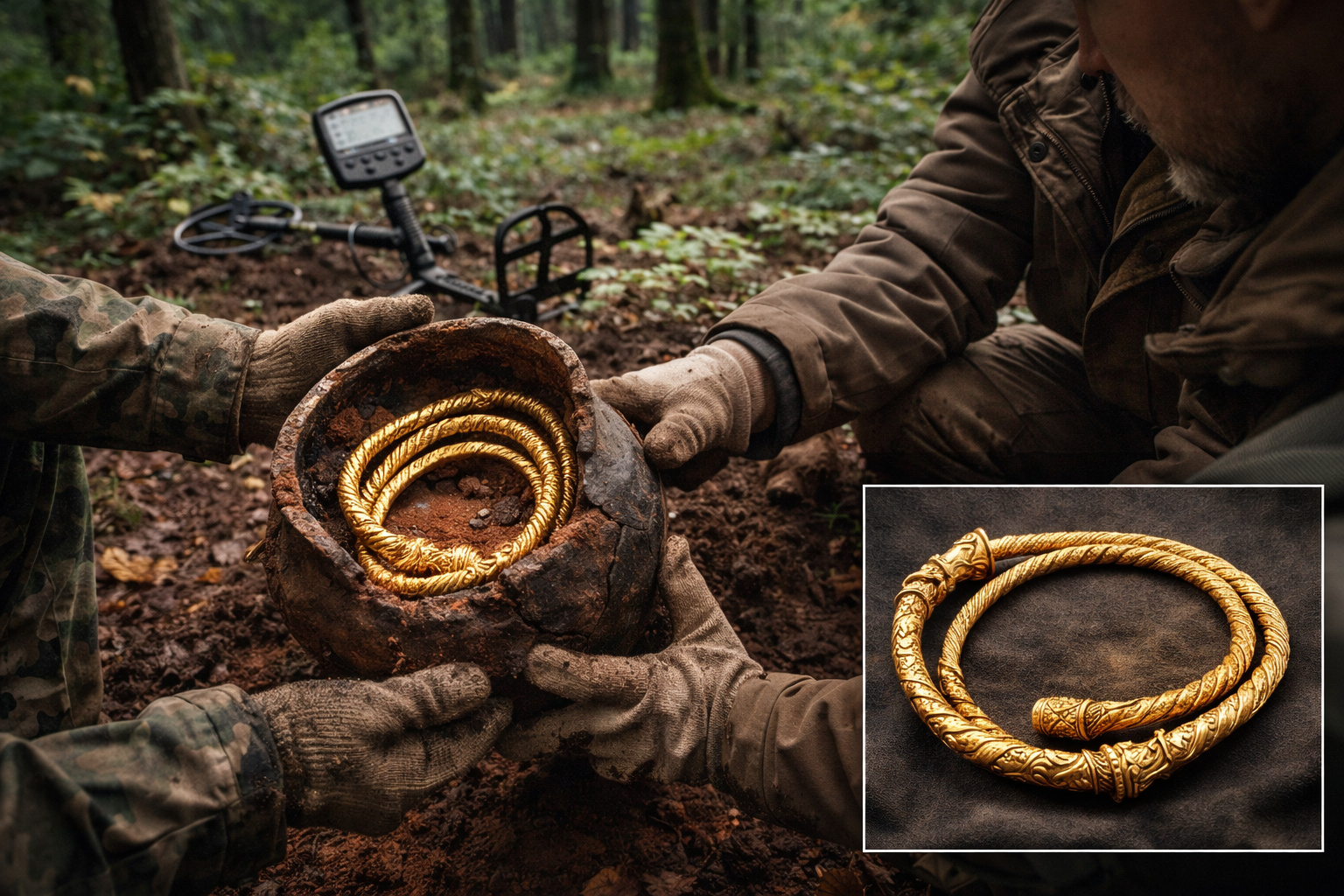
Amateur archaeologists were searching a forest in Poland with metal detectors when they found a ceramic pot buried for over 1,500 years. Inside was a pure gold necklace weighing 222 grams, folded to fit in the vessel, and when experts examined the piece, they discovered it was the first Gothic torque ever found in Polish territory.
-
Millions of people have been eating pomegranates for centuries without knowing that this ancient fruit contains punicalagins, which scientists are studying for their possible effects on memory and vascular health.

-
Argentina patrols the South Atlantic with ships built in France and monitors over 1.1 million km² with 87 m OPVs, a range of 7,500 miles, 360° radar, and a 30 mm cannon against illegal fishing in the 200-mile zone.

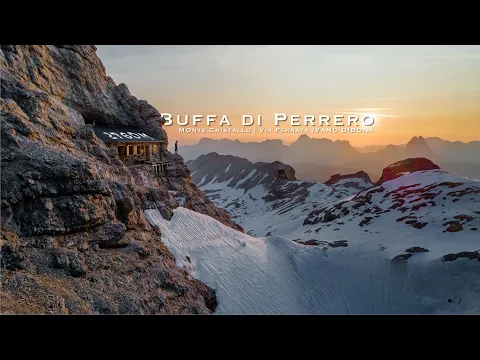

The Enigma of the House’s Construction
The Buffa di Perrero is considered one of the most isolated houses in the world. Its simple architecture, made of stone walls and a sloped roof, is located on a cliff so steep that experts still wonder how it was possible to erect the structure at that point.
Researchers report that the materials were transported using ropes and makeshift cranes. This work required extreme courage, as any mistake could be fatal.
Relics Amid the Clouds
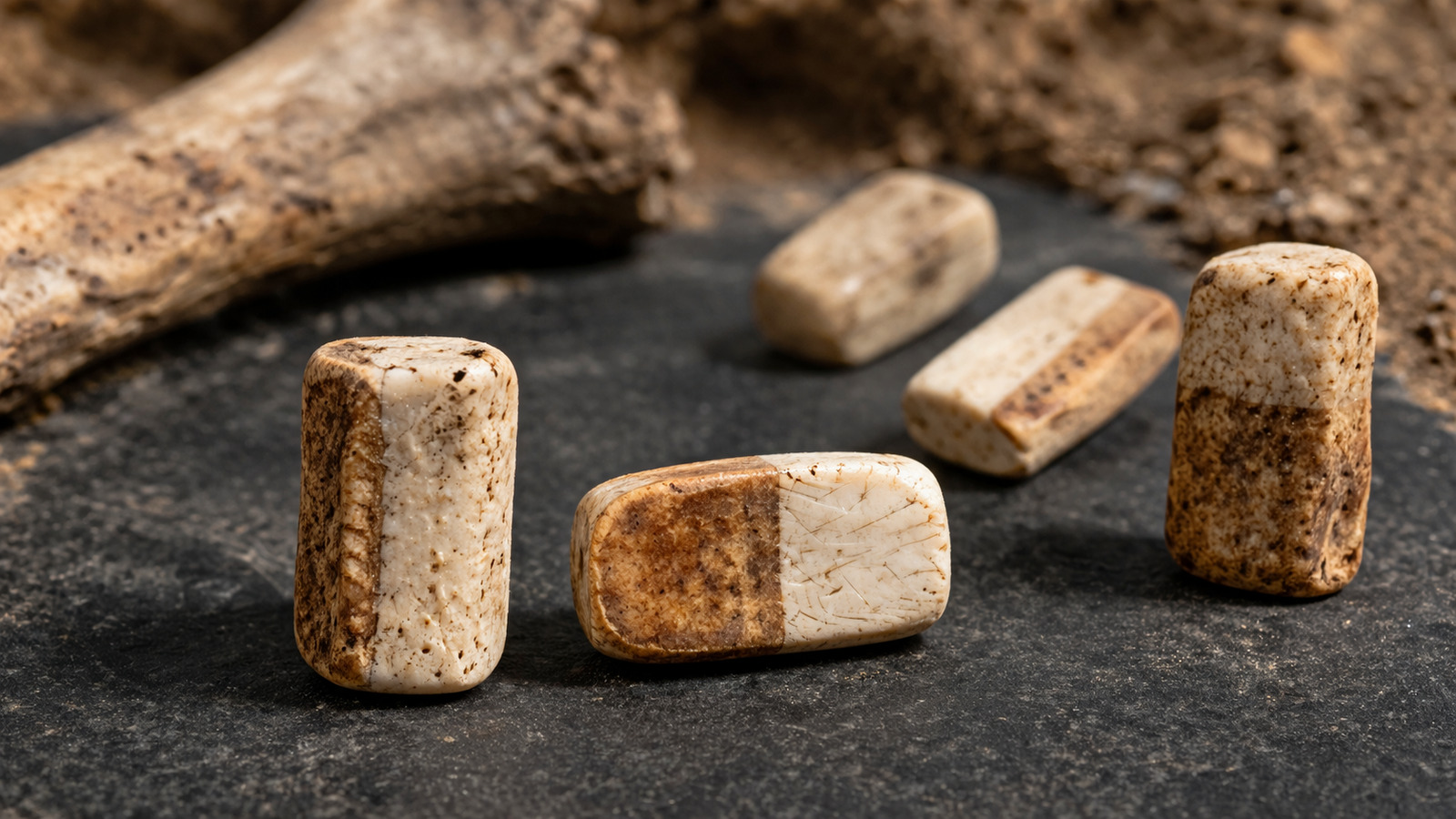
In 2020, climbers reached the building and found impressive remnants: rusted food cans and military uniform buttons.
These objects serve as time capsules, revealing details of the soldiers’ daily lives who occupied the place.
Today, inside the house, only wooden chairs and walls marked by the wind remain. The view, however, remains grand, turning the effort of the climb into a unique experience.
Stone House: A Strategic Hiding Place
The name of the house honors Colonel Carlo Buffa di Perrero, who commanded Italian troops in the mountains.
The fortification had two doors and four small windows, creating a cramped and dark environment, but functional for hiding weapons and supplies.
Despite its small size, the shelter represented safety. There, soldiers found a space to rest and plan movements in the battlefield.
Courage to Visit the Stone House
Today, the Buffa di Perrero can only be reached by those who traverse the Via Ferrata Ivano Dibona, one of the most dangerous trails in the Alps. Access requires physical preparation, climbing gear, and experience.
The roof has collapsed under the weight of snow, but it has been rebuilt. Even so, the aura of mystery remains, as if the house were a secret kept in the heights.
With information from Gazeta de São Paulo.
You May Also Like: Man Digs a Labyrinth House in a Cliff for Half a Century, with Rooms and Colorful Art — and May Be Evicted by the Government
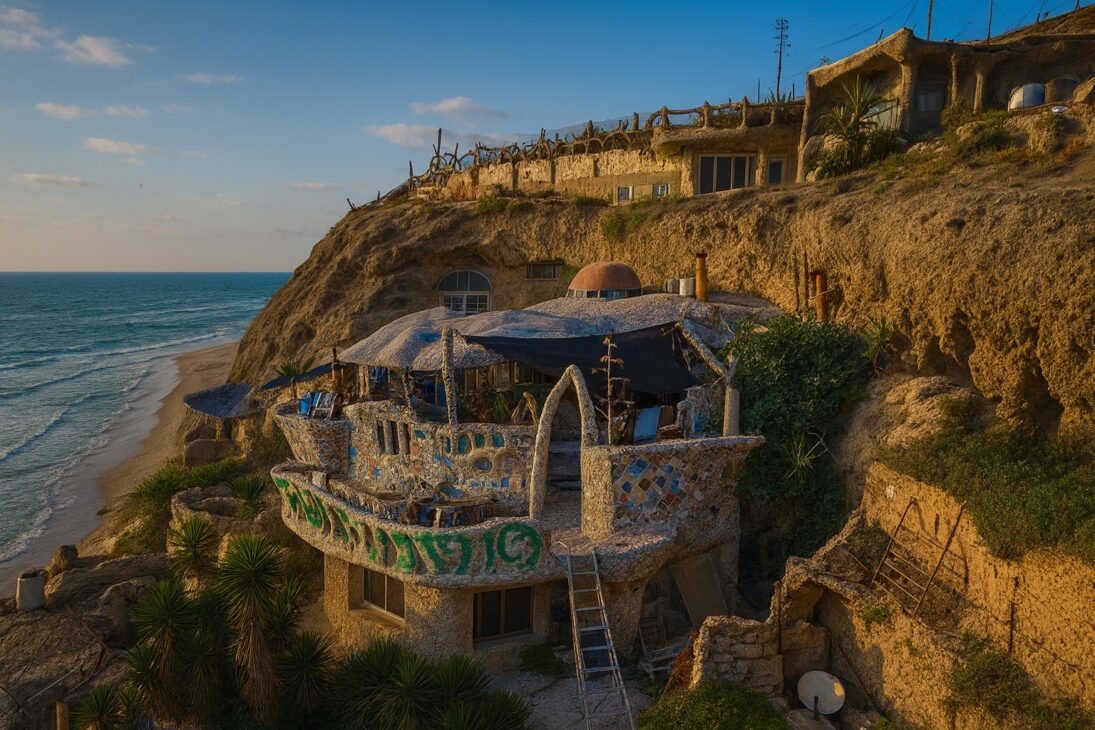
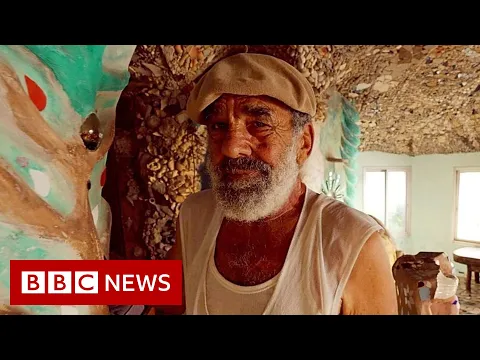
The “Hermit’s House” is a set of rooms carved into the rock. The space functions as a labyrinth, with rooms linked by tunnels and stairs, according to AP News. The exterior is coated with stones, pebbles, and repurposed materials, as described by Atlas Obscura.
The Origin and Life in the Cave House
Kahlon, now 77, began sleeping by the seashore before he started digging the cliffs fordecades in 1973. He told New Lines that he lived in a tent after escaping an arranged marriage.
When the police tried to evict him, he decided to build a refuge.
The dwelling grew over time. Initially, it was a simple cave, but he expanded rooms over the decades.
The space was made and filled with recycled materials, Kahlon told AP News. “With the stones I extract, I make a mold and build a wall. Here there is no waste, only material,” he said.
Construction Details
The images show a property on multiple levels, accessible by a staircase that descends from the beach.
The interior walls have texture and curved ceilings. Narrow, arched doors almost do not allow Kahlon, who is of short stature, to pass.
Simple tools, such as an iron spear he forged himself, shovels, and spatulas, were used in sculpting the space, according to New Lines Magazine.
He also carved shelves into the stone walls to store his belongings and has some furniture inside.
Artistic Touches of the Cave House
The interior mixes shards of colored glass, mosaics, and fragments of pottery. Kahlon made these mosaics with old tiles collected from dumpsters in Tel Aviv, according to AP News. Some rooms display walls, windows, and paintings in vivid colors.
Despite its rustic appearance, the house has plumbing and a telephone line. Additionally, many rooms receive electricity, AP News reported.
The Risks and Losses
The sea has already destroyed the house’s exterior on two occasions. The first occurred in the early 1980s and the second at the end of the 1990s when the construction of the Herzliya Marina caused beach erosion, reports Atlas Obscura.
Herzliya is located about 13 kilometers north of Tel Aviv, and the house is near the beachfront neighborhood known for its high-end hotels and villas.
Threat of Eviction
Now, after nearly half a century, Kahlon faces an order of removal from the Israeli government. The Ministry of Environmental Protection states that the cave has caused “significant damage to the cliff, put the public at risk, and reduced public access to the beach,” as reported by AP News.
Kahlon rejects the accusation. “I have worked here for fifty years without pay. What have I done? Killed, robbed, raped? No!” he told New Lines magazine. For the resident, the house is a museum and should be recognized, not demolished.
The man admitted that he never had official permission to erect the structure. Still, he claims that local authorities connected his cave to the power grid years ago.
In 1974, he received a demolition order that was not carried out. Since then, he says he has only faced recent opposition.
The authorities maintain that they offered Kahlon alternative housing. He, however, insists he has no intention of leaving. “I will not leave here. I am ready to be buried here,” he declared to AP News. “I have nowhere to go, I have no other home.”
The Legal Battle
With the support of friends and family, Kahlon raised funds to hire a lawyer for the legal process that will take place in court, New Lines Magazine reported.
He questions why he is being expelled now, after decades of coexistence with the place.
The community and cultural groups are closely observing the dispute because many value Kahlon’s creativity, but also fear concrete risks to the coast and stability.
The story highlights the clash between personal heritage and public rules. Because the house emerged from the need and ingenuity of an individual, many see it as having cultural value.
Thus, the case raises questions about who defines what is public space and what deserves protection.
Not everyone agrees. Furthermore, erosion and safety risks are arguments that the authorities use to justify the action.
With information from Business Insider.






-

-

-

-

-

-

127 pessoas reagiram a isso.