





 Portuguese
  English
  Spanish
  3 min of reading
  0 comments


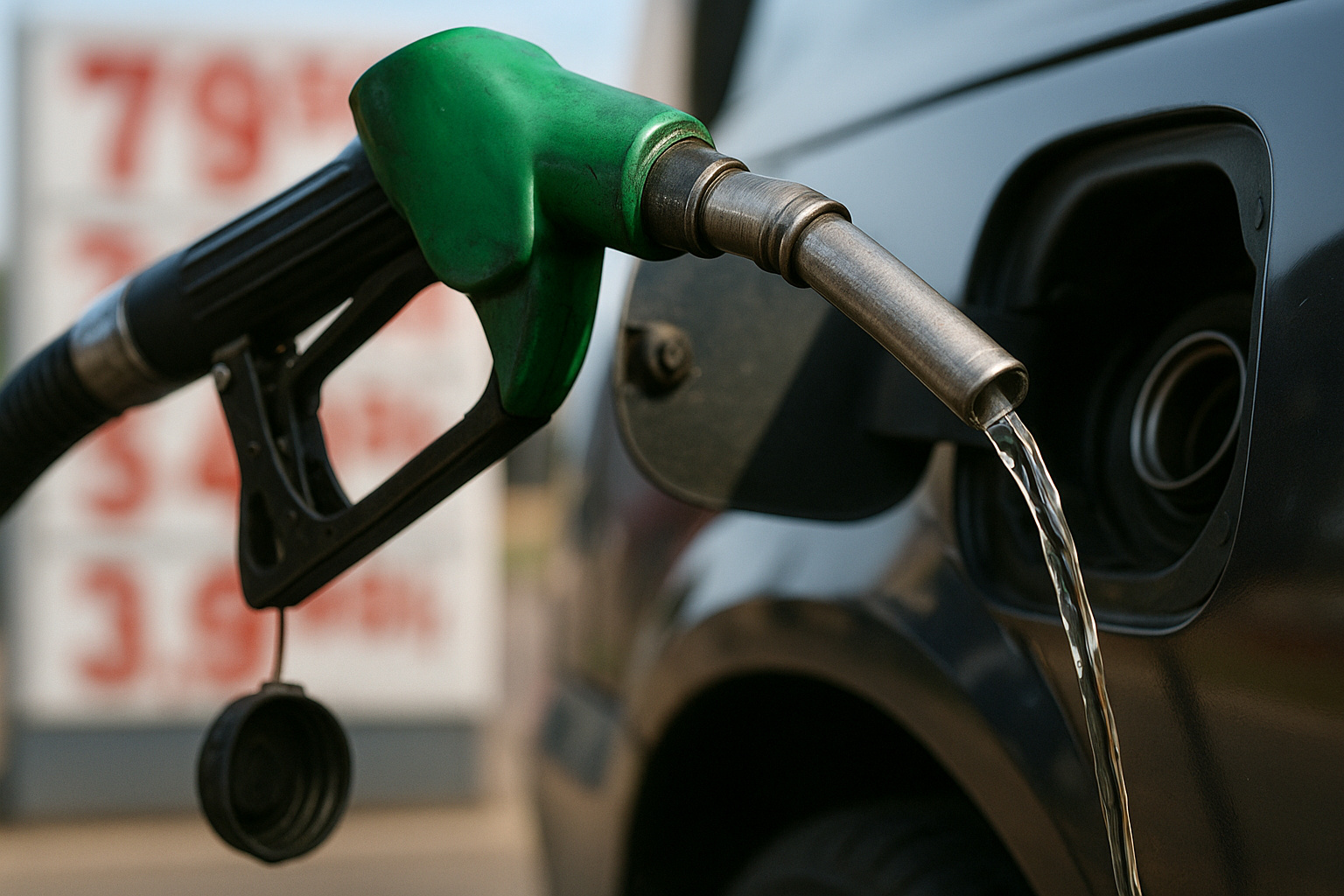
The Discrepancy Between the Public Law Chambers of the Superior Court of Justice Opened a New Cycle of Uncertainty in the Fuels Sector, with Opposing Decisions on the Use of PIS and Cofins in the Acquisition of Anhydrous Ethanol, Gasoline A and Diesel A for Blending and Later Marketing
The possibility of recognizing these amounts as tax credits began to be treated differently by the chambers, which directly affects the formulation of type C gasoline and BX diesel at B30, produced by distributors and sold across the country.
Debate on Tax Credits in the Fuels Sector
The discussion began in cases involving distributors that purchase anhydrous ethanol fuel to mix with type A gasoline to form type C gasoline. For the 1st Chamber, the fuel used in the blend acts as input. Therefore, it generates credit provided for in Article 3 of Laws 10.637/2002 and 10.833/2003.
The 2nd Chamber understands differently. The ministers state that the operation represents only a process of additive mixing. Thus, there is neither industrialization nor creation of a new product. Consequently, there would be no right to credit, even when the fuel is purchased for mixtures made by the distributors.
Monophase Regime and Limits of Crediting
The conflict grows because the sector operates under the monophase regime. In this regime, PIS and Cofins are levied at a single stage, at the refineries’ production or importation. There is a binding decision in the STJ that prohibits the credit of these contributions when the asset is subject to this model.
For the 1st Chamber, this prohibition does not apply when the fuel is purchased as input. In the ministers’ view, the prohibition applies only to resale.
The 2nd Chamber disagrees. The ministers state that allowing credit for the distributor creates incoherence. This is because the distributor does not collect these contributions at the sales stage. Minister Marco Aurélio Bellizze states that the distributor cannot be treated as a producer just to gain access to credits.
-
The noise law will no longer be in effect at 10 PM starting in June with a new rule valid during the 2026 World Cup.

-
The Chamber opens a debate on driver’s licenses at 16 years old as part of a reform that includes around 270 proposals to change the Brazilian Traffic Code and may redesign rules for licensing, enforcement, and circulation in the country.

-
The new Civil Code could revolutionize marriages in Brazil with “express divorce” and changes that could exclude spouses from inheritance.
-
Banco do Brasil sues famous influencer for million-dollar debt and intensifies debate on delinquency, risks of seizure, and direct impact on Gkay’s credibility.


Fuels Used as Input for Formulation
The same line of the 2nd Chamber emerged in a ruling regarding the acquisition of Gasoline A and Diesel A to formulate Gasoline C and BX Diesel at B30. The ministers state that these operations do not constitute industrialization.
With this, they understand that the blend does not transform the fuel into an input capable of generating tax credits.
Legal Treatment of Anhydrous Ethanol and Divergent Interpretations
The analysis of the 1st Chamber involved a period after Law 11.727/2008. This law inserted the permission for PIS and Cofins credits for distributors who purchase anhydrous ethanol to mix with gasoline into Law 9.718/1998. The rapporteur states that this regulation merely maintained a right already established in previous laws.
The divergence increased because the case analyzed by the 2nd Chamber dealt with a period prior to the 2008 law. The taxpayer argued that the credit would be supported only by previous laws. The chamber rejected this thesis and stated that Article 3 of Laws 10.637/2002 and 10.833/2003, individually, does not support the request.
Tax Situation After Legal Repeals
The current scenario resembles the period before Law 11.727/2008. The provision allowing credit on the purchase of anhydrous ethanol was repealed by Law 14.292/2022. The provision that remained was also subsequently repealed by Complementary Law 214/2025.
As a result, there is currently no specific provision allowing the distributor to offset PIS and Cofins credits for the purchase of anhydrous ethanol used in the formulation of Gasoline C. The discussion remains based solely on Article 3 of Laws 10.637/2002 and 10.833/2003.
Practical Consequences and Legal Uncertainty in the Sector
The lack of uniformity in the understanding of the STJ keeps the fuels sector in a state of uncertainty, and therefore, distributors are closely monitoring the debate. Moreover, the use of fuels as input may directly influence the tax structure and operational costs.
Thus, specialists indicate that the divergence should continue until the court unifies its position or until new regulations establish clear criteria on the treatment of blends conducted in the fuels sector.










Seja o primeiro a reagir!