





 Portuguese
  English
  Spanish
  6 min of reading
  0 comments


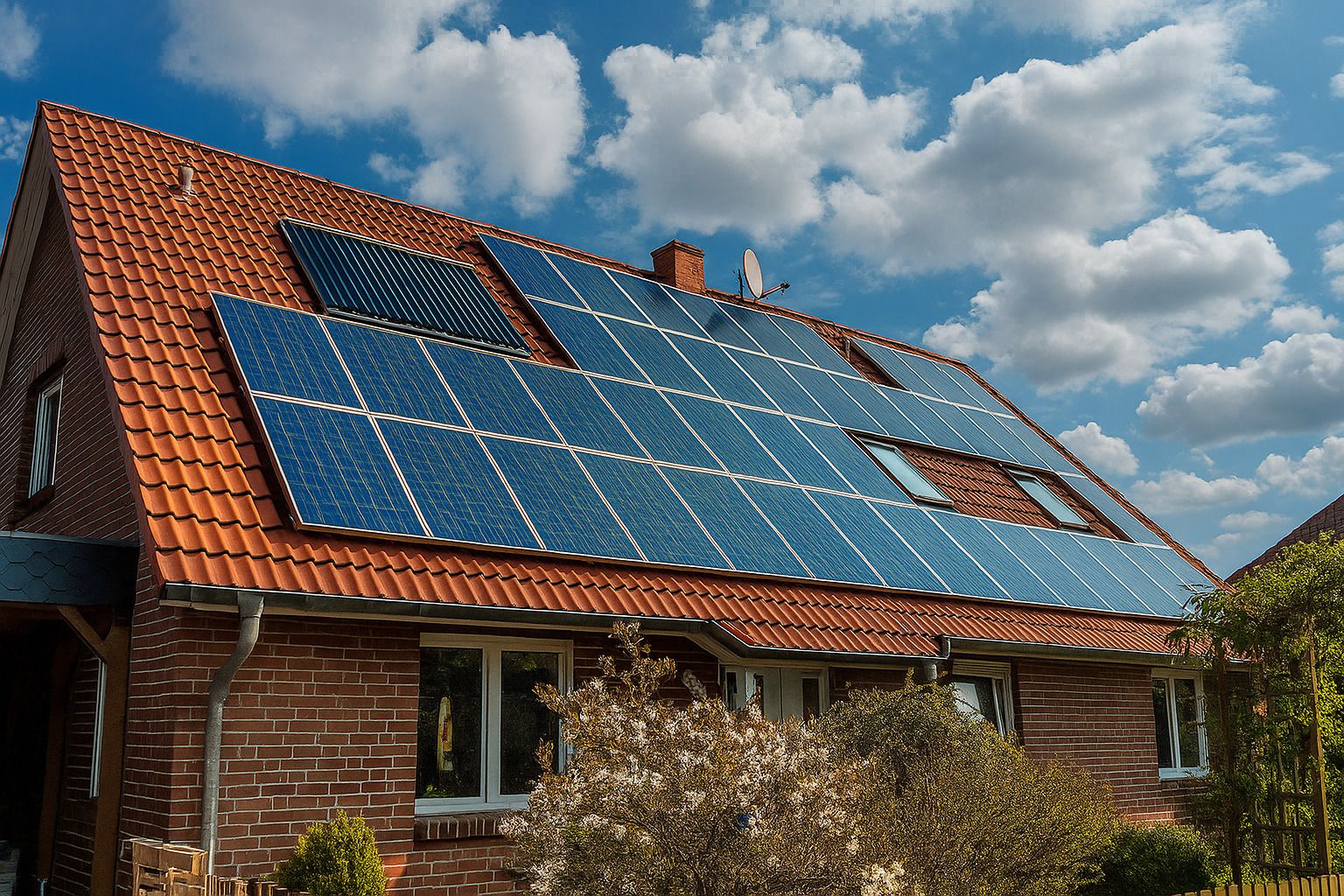
Discover How Clean Energy in Brazilian Households Is Growing and Transforming Domestic Consumption, Promoting Sustainability, Economy, and a Greener Future for the Country.
In recent years, Brazil has seen a significant advance in the use of clean energy in households. In fact, this change results from a series of factors that involve, primarily, environmental awareness.
In addition to government incentives, technological advances, and the growing commitment to sustainability.
Therefore, the search for renewable energy sources to power Brazilian homes reflects an important transformation in the country’s energy matrix, which has historically relied heavily on non-renewable and polluting sources.
-
Petrobras reaffirms its commitment to the market and ensures that it will carry out the energy transition safely to maintain national sovereignty.

-
Researchers discover a possible hydrogen deposit of up to 46 million tons beneath an ancient coal basin, and the volume could exceed half of the entire global production.

-
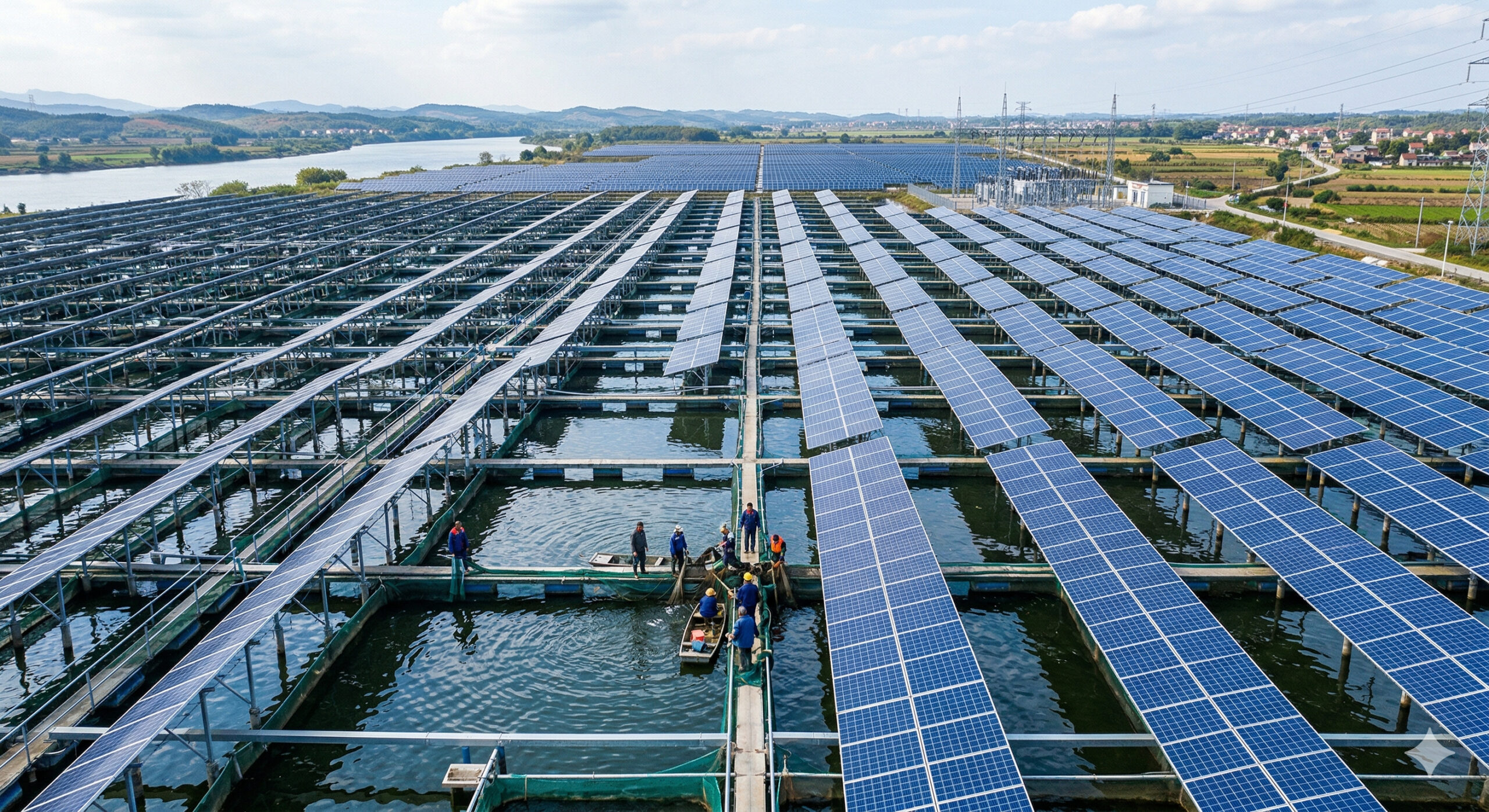
China bets on the Fishery-PV model and transforms fish farms into giant solar plants, covering ponds with panels that generate energy while utilizing the same space for large-scale aquaculture production.
-
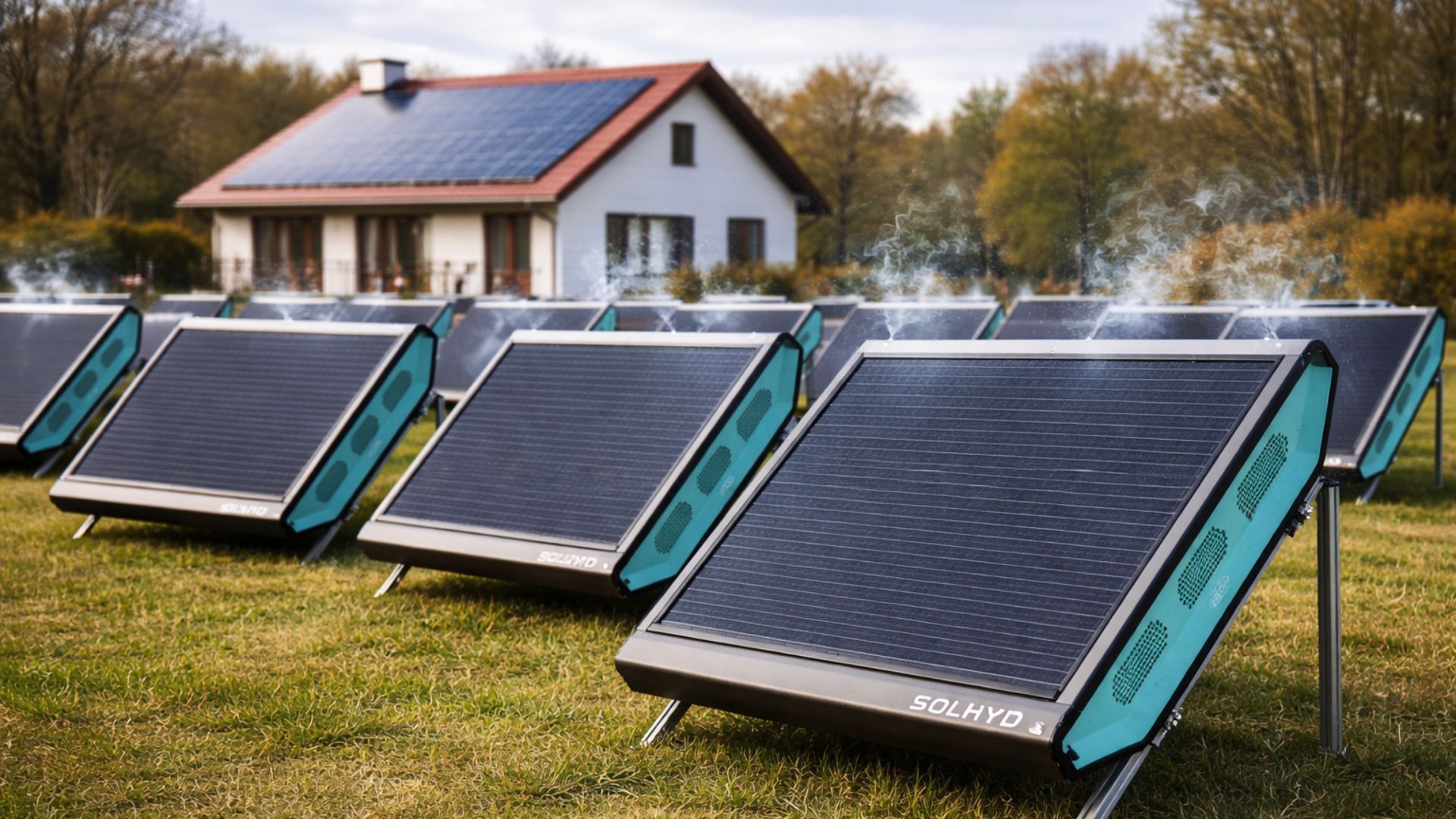
Green hydrogen at home: Belgium launches new technology that makes solar panels produce fuel from the moisture in the air, which could boost the energy transition.

To better understand the significance of this growth, it is important to first know the historical context of energy use in Brazil. Until the mid-20th century, Brazil’s energy matrix primarily relied on fossil sources such as coal and oil.
Furthermore, the use of these sources considerably increased with the accelerated industrialization and urbanization of the country.
However, these sources caused negative environmental impacts, such as air pollution and the emission of gases that contribute to the greenhouse effect and global warming.
From the second half of the 20th century, Brazil began to invest in renewable sources, especially hydropower.
Thus, the country gained international prominence with the construction of large plants like Itaipu, which still ranks among the largest producers of clean energy on the planet.
Even so, residential consumption remained heavily dependent on electricity primarily generated by hydropower plants, with no significant diversification into other renewable sources.
Although the hydropower matrix has supported the country’s energy development, climatic events such as prolonged droughts highlighted the need to diversify Brazil’s electrical matrix.
Consequently, these water-energy crises stimulated investments in other renewable sources, particularly solar and wind energy, which began to gain ground in residential, commercial, and industrial settings.
Technological Advances and Expansion of Renewable Sources
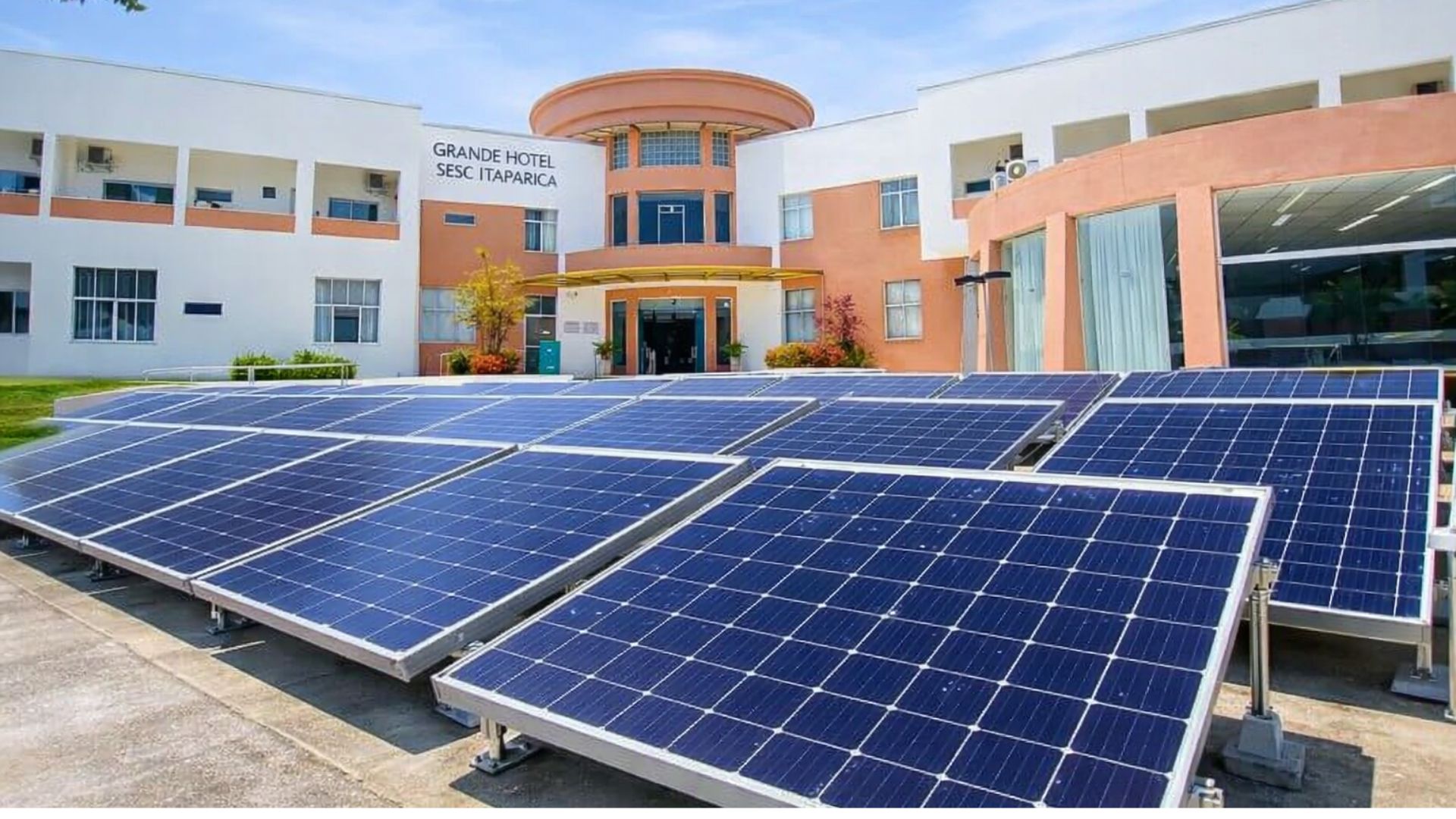
In recent decades, the reality began to change more concretely. On one hand, the advancement of technology and the reduction in equipment costs made the popularization of solar energy and other renewable sources, such as wind and biogas, easier.
On the other hand, public policies and incentive programs encouraged the adoption of clean energy generation systems in households, allowing ordinary families to produce part or all of their energy sustainably.
Among the initiatives that propelled this transformation is the expansion of distributed generation systems, which allow consumers to generate their own energy, often exceeding their consumption and selling the excess back to the grid.
In this way, this model democratized access to clean energy, brought autonomy to residential consumers, and strengthened the country’s energy security.
According to the National Energy Balance (BEN) of 2025, published by the Energy Research Company (EPE), the energy matrix of the residential sector reached a renewability index of 71.8%.
This means that nearly three-quarters of the energy consumed by Brazilian households comes from renewable sources. Among them, solar thermal energy stands out as the main clean source used in homes, accounting for a significant portion of consumption.
This advance reflects not only the adoption of solar panels for electricity generation but also the use of solar energy for water heating and other domestic applications.
Furthermore, the use of solar thermal energy in households reduces electricity consumption from the conventional grid, alleviating pressure on the electrical system and helping to prevent blackouts and supply failures.
Environmental and Economic Benefits of Residential Clean Energy
Another relevant aspect of the growth of clean energy in Brazilian households is its contribution to the reduction of greenhouse gas emissions. By replacing fossil sources with renewable alternatives, families help mitigate climate change.
Thus, this change is essential for Brazil to fulfill its international commitments to reduce emissions and move toward a more sustainable future.
In addition to the positive environmental impact, the use of clean energy also brings economic benefits for residential consumers.
The installation of self-generation systems, such as photovoltaic solar panels, allows for savings on electricity bills, which have become an increasingly heavy expense for many Brazilian families.
With technological development and increased production scale, the costs of these equipment have dropped significantly, making them accessible to a larger number of people.
The popularization of clean energy in households aligns with global trends in energy transition.
Worldwide, interest in renewable sources is growing, as they are more sustainable and contribute to the energy security of countries.
In Brazil, this trend is even stronger due to the abundance of natural resources such as sun, wind, and biomass that can be utilized efficiently and cleanly.
Furthermore, the advancement of digitalization and the use of smart technologies, such as digital meters and home automation systems, allow for better management of energy consumption in homes.
These innovations help maximize the use of generated energy, reduce waste, and integrate renewable systems with the electrical grid more efficiently.
Challenges and Paths to Expand the Use of Clean Energy
The residential sector represents one of the largest energy consumers in the country, and its transformation to renewable sources is essential to building a more diversified and resilient energy matrix.
Thus, this change reduces dependence on polluting sources, promotes distributed generation, and encourages the development of innovative technologies in the energy sector.
However, despite advances, there are still challenges to expanding the use of clean energy in Brazilian households.
Among them are difficulties in accessing financing, the lack of technical knowledge in some regions, the need for clear regulations, and the improvement of infrastructure to connect distributed generation systems to the electrical grid.
Another significant challenge is regional inequality.
While some urban areas and more developed regions show high adoption of clean energy, other locales, especially rural areas and less favored regions, still face difficulties in accessing these technologies.
Therefore, the expansion of clean energy needs to be inclusive to ensure that all Brazilians can benefit from it.
Thus, governments, the private sector, and civil society must work together to overcome these obstacles.
Public policies that encourage the use of clean energy, technical training programs, awareness campaigns, and easy access to credit are important strategies to ensure that current growth is sustainable and reaches all regions of the country.
Integration with Energy Efficiency and Sustainable Future
Another point that deserves attention is integrating clean energy with other energy efficiency initiatives in households.
In addition to generating renewable energy, it is important to reduce consumption through measures such as using more efficient equipment, improving the thermal insulation of homes, and adopting energy-saving habits.
In Brazil, the energy transition in the residential sector is at a decisive moment.
Thus, recent data confirm that clean energy in households is not merely a passing trend, but a consolidated reality that should continue to grow.
This movement brings environmental, social, and economic benefits and represents an important step toward a more sustainable and just future for all.
To accompany this transformation, families need to be informed about the options available, the costs and benefits involved, and the care necessary for the installation and maintenance of clean energy systems.
After all, correct information is a key factor for more people to embrace this change.
Thus, the growth of clean energy use in Brazilian households responds concretely to the environmental and social challenges of our time.
This change contributes to preserving the environment, reducing household expenses, and promoting a more balanced economic development.
Brazil, with its enormous potential in renewable resources and the commitment expressed in its energy plans, is increasingly closer to consolidating a clean, sustainable, and efficient residential energy matrix.
Therefore, this advance inspires pride and hope for the country and future generations.







-

Uma pessoa reagiu a isso.