





 Portuguese
  English
  Spanish
  4 min of reading
  0 comments


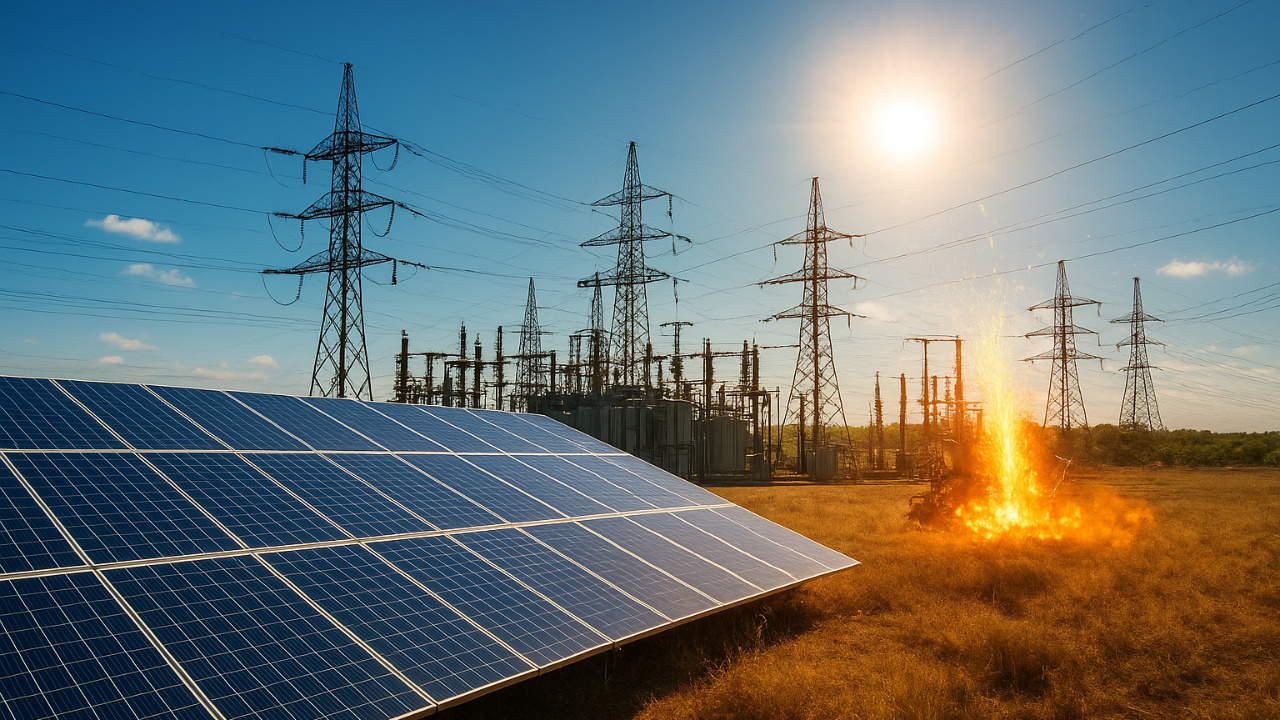
The Advancement Of Solar Energy In Brazil Boosts Clean Generation, But Experts Warn That Excess Supply May Cause Overloads And Even Blackouts. Understand The Risks And What ONS Does To Balance The National Electric System.
Brazil is experiencing an energy revolution. The rapid expansion of solar energy has transformed the national electrical matrix, making it cleaner and more decentralized. However, the accelerated growth of photovoltaic generation, mainly through small generators, begins to expose a new type of risk: blackouts due to excess supply.
This warning gained strength after the power outage recorded in the early morning of last Tuesday (10/14), which partially left the country in the dark for over an hour. The Ministry of Mines and Energy confirmed that the failure originated from a fire at the Bateias Substation in Paraná, which ended up affecting the National Interconnected System (SIN) and interrupting supply in all regions — except partially in the South, where restoration took about two hours.
Aneel Demands Explanations And ONS Investigates Causes Of The Blackout
After the incident, Aneel (National Electric Energy Agency) sent letters to the concessionaires demanding detailed explanations about what occurred. The agency also opened inspection processes to identify responsibilities and determine whether there were operational failures.
-
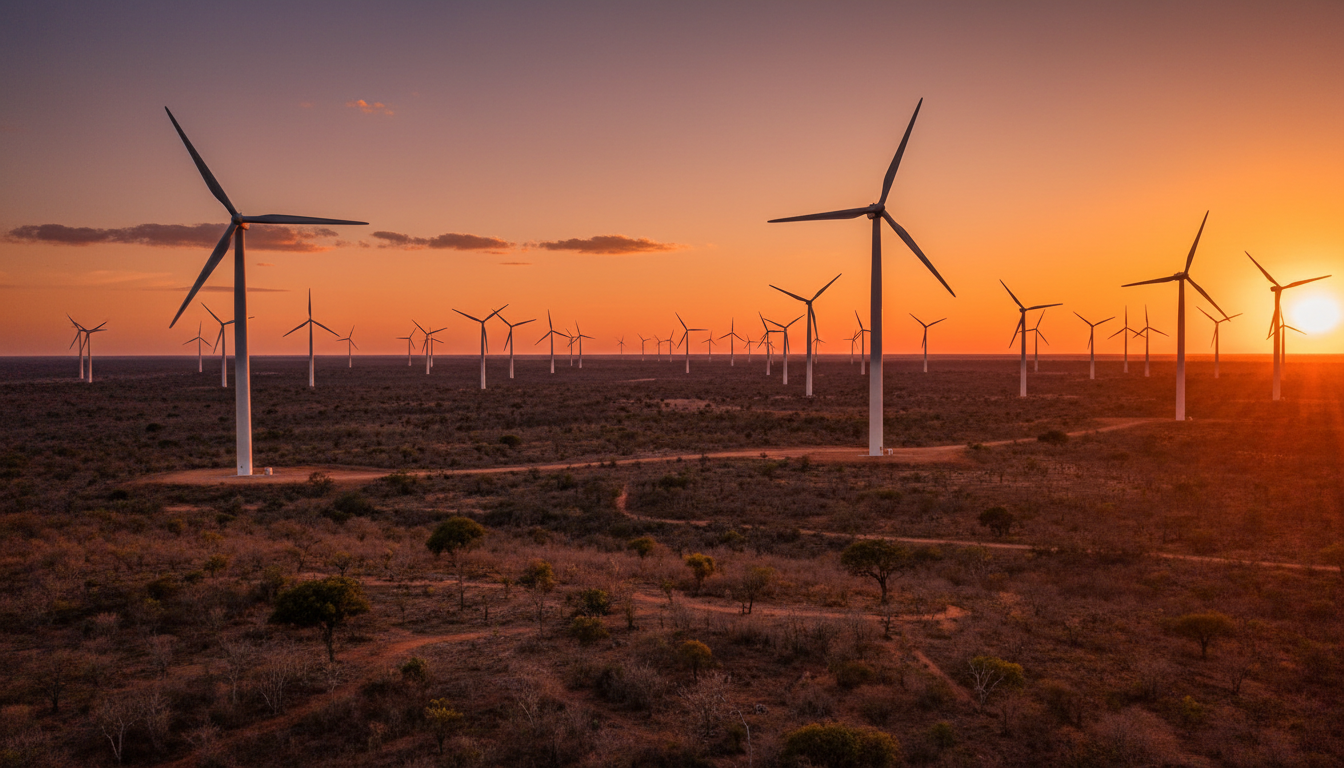
The Brazilian Northeast is receiving the largest wave of investments in clean energy ever seen in the country, with R$ 200 billion in wind and solar, 9,000 km of transmission lines, and a promise that could change the economy of 60 million people.
-
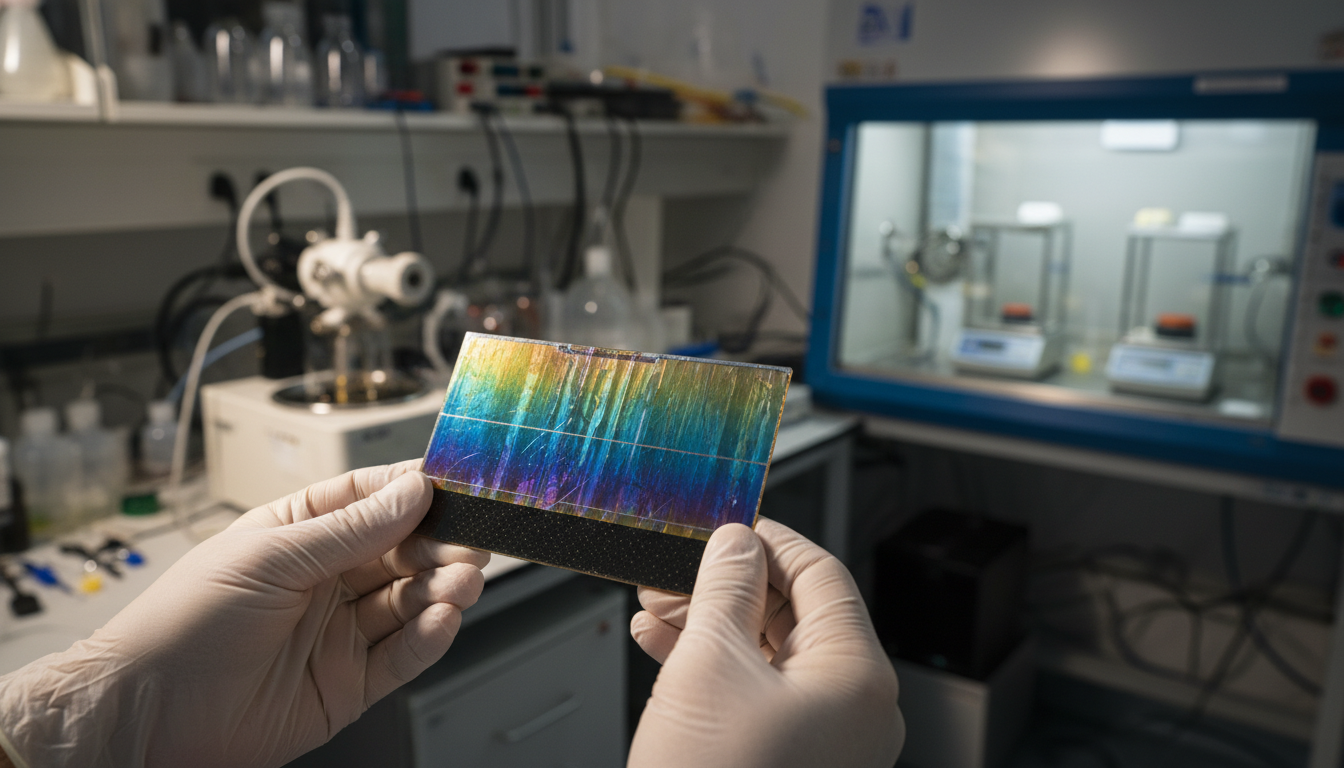
Chinese company creates solar cell that breaks the physical limit of silicon with 34.85% efficiency and promises to revolutionize electricity bills with panels that generate 20% more energy starting in 2026.
-
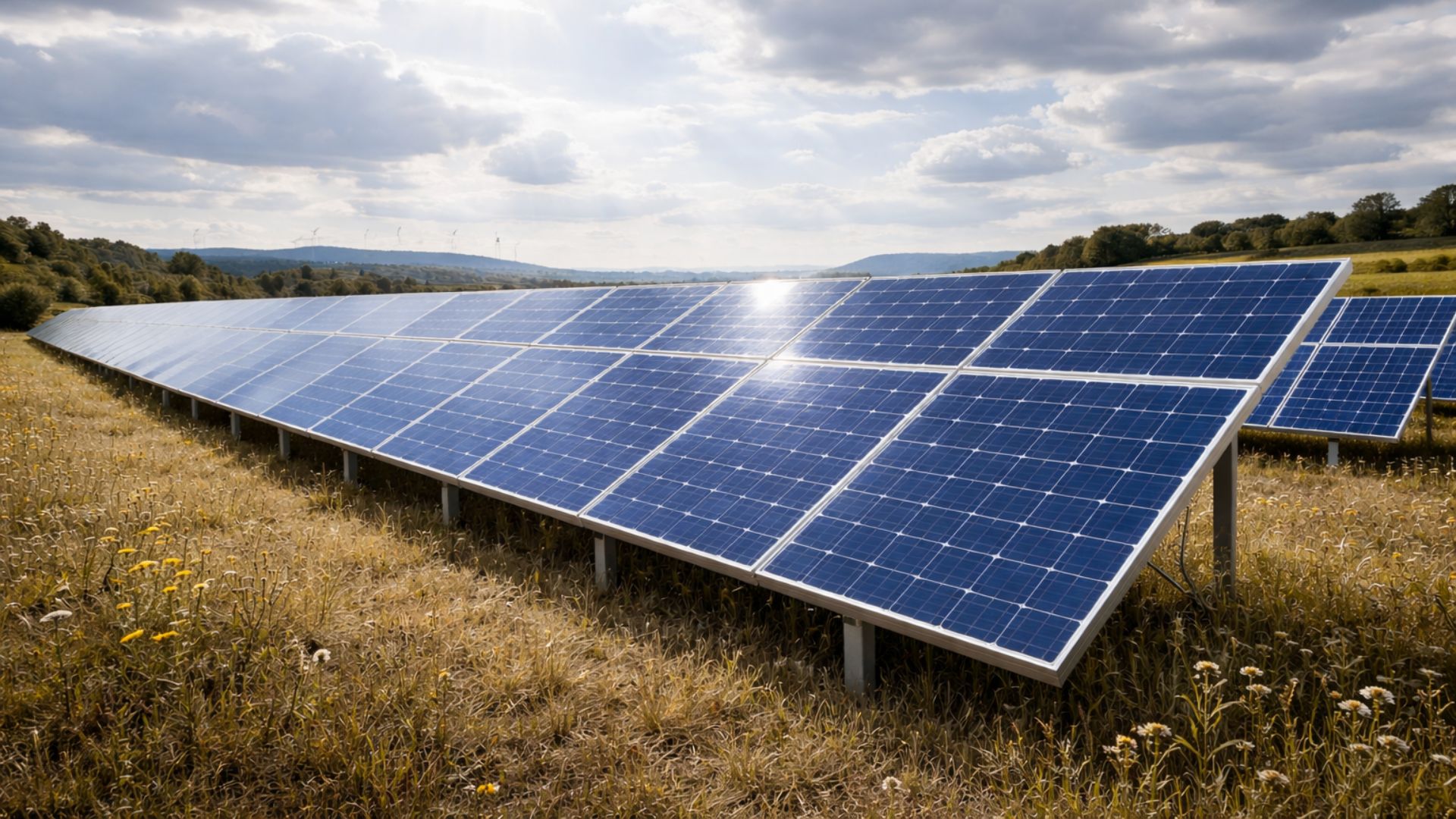
Jacareí advances with a photovoltaic plant and bets on sustainability to transform public management with clean solar energy, reducing operational costs and strengthening energy efficiency in essential services.
-
Maricá transforms Risca-Faca into Leonel Brizola Neighborhood with solar energy and promises to reduce costs for families while promoting dignity, urbanization, and social development in a historically vulnerable community.
The country still carries the memory of major blackouts that marked its history. The most recent one, in 2023, affected 29 million Brazilians and originated from an overload in energy transmission, supposedly caused by a fire in Ceará. “To this day, this blackout is not well understood, nor is what happened last Tuesday,” says Walter Froes, president of CMU Energia and a specialist in the electric sector.
Solar Energy On The Rise: The Boom That Challenges The Balance Of The System
In recent years, Brazil has witnessed a true explosion of investments in solar energy, both in large centralized plants and in residential and business systems. According to experts, the cost of solar panels has dropped 93% since 2013, which has driven the skyrocketing growth of so-called distributed generation, meaning the production of energy by individual consumers.
This decentralized model has democratized access to clean energy but also brought unprecedented complexities to the control of the electrical grid. This is because the National System Operator (ONS) does not have direct control over the energy generated by small producers, which complicates the balance between supply and demand in real time.
“The electrical system must have generation exactly equal to consumption. If there is under-supply or over-supply, there are risks of blackouts,” warns Froes.
Although common sense associates blackouts with lack of energy, the opposite problem — excess electricity — can also cause instability in the system. When there is excessive solar generation, especially during peak radiation hours, the electrical grid can become overloaded, resulting in voltage drops, substation failures, and even fires.
This situation is known as curtailment, a term used when the ONS decides to cut generation from centralized solar plants to avoid overload. However, the same control is not possible with the thousands of residential micro-generators, which continue injecting energy into the grid even when there is not enough demand.
According to Froes, this dynamic may have contributed to the incident that occurred in Bateias (PR). “The imbalance between supply and consumption also puts the system at risk and can generate blackouts due to overload,” he explains.
ONS Monitors The System In Real Time To Prevent Collapses
To prevent supply collapses, the National Electric System Operator continuously monitors the generation and consumption of energy throughout the country. When it detects excess, the agency activates adjustment mechanisms and temporary production cuts.
However, with the rapid expansion of distributed solar energy, it is not always possible to predict the intensity of generation, especially on days of high solar radiation. This unpredictable behavior increases the challenge of maintaining the dynamic balance of the grid, which requires that the amount of energy produced be exactly equal to the amount consumed at each moment.
The growth of solar energy is irreversible and brings enormous environmental and economic benefits. However, experts emphasize that it will be necessary to invest in energy storage systems, smart grids, and new control mechanisms to ensure the stability of the national electric system.
In the meantime, agencies such as Aneel and ONS reinforce the importance of improving regulation and enhancing monitoring capacity for distributed generation, ensuring that the advancement of renewable sources continues without compromising the energy security of the country.





Seja o primeiro a reagir!