





 Portuguese
  English
  Spanish
  4 min of reading
  50 comments


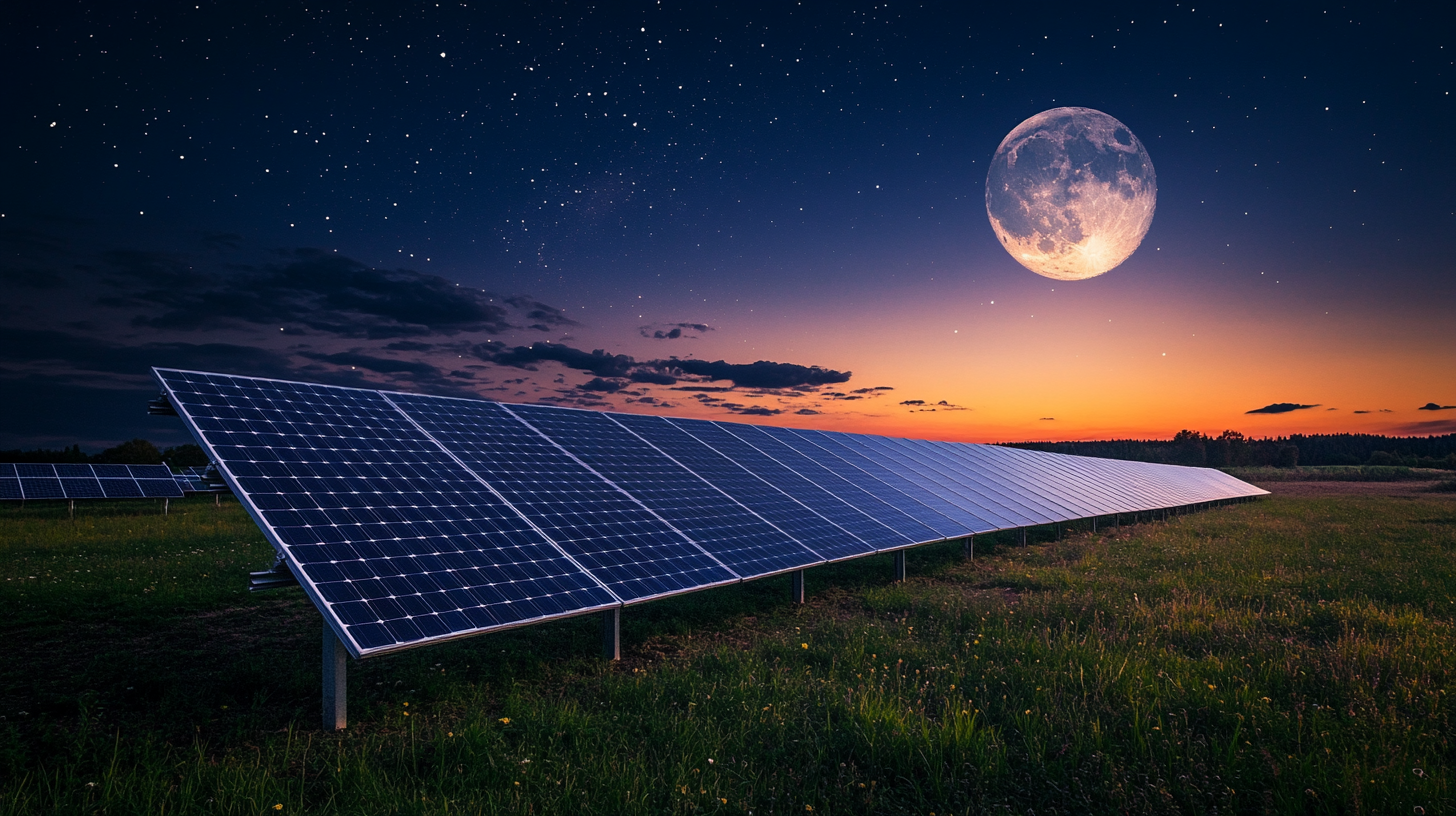


Growth of Distributed Generation Leads Utilities to Limit the Sending of Excess Solar Energy, Resulting in Significant Losses for the Sector
The accelerated growth of the solar energy sector in Brazil, especially in distributed generation (GD), is creating significant challenges for energy utilities. Cemig, the Energy Company of Minas Gerais, and other utilities are facing a complicated scenario, with losses that can reach R$ 4 billion due to unapproved connection requests.
The “Lunar Energy” Phenomenon
The term “lunar energy” refers to a paradoxical effect that has arisen with the expansion of solar energy. This expression is used to describe the excess solar energy that is injected into the distribution grid by photovoltaic panels during the day.
To avoid overloads on the system, Cemig conditions the authorization for sending excess energy to the grid between 7 PM and 5 AM, when demand is lower.
-
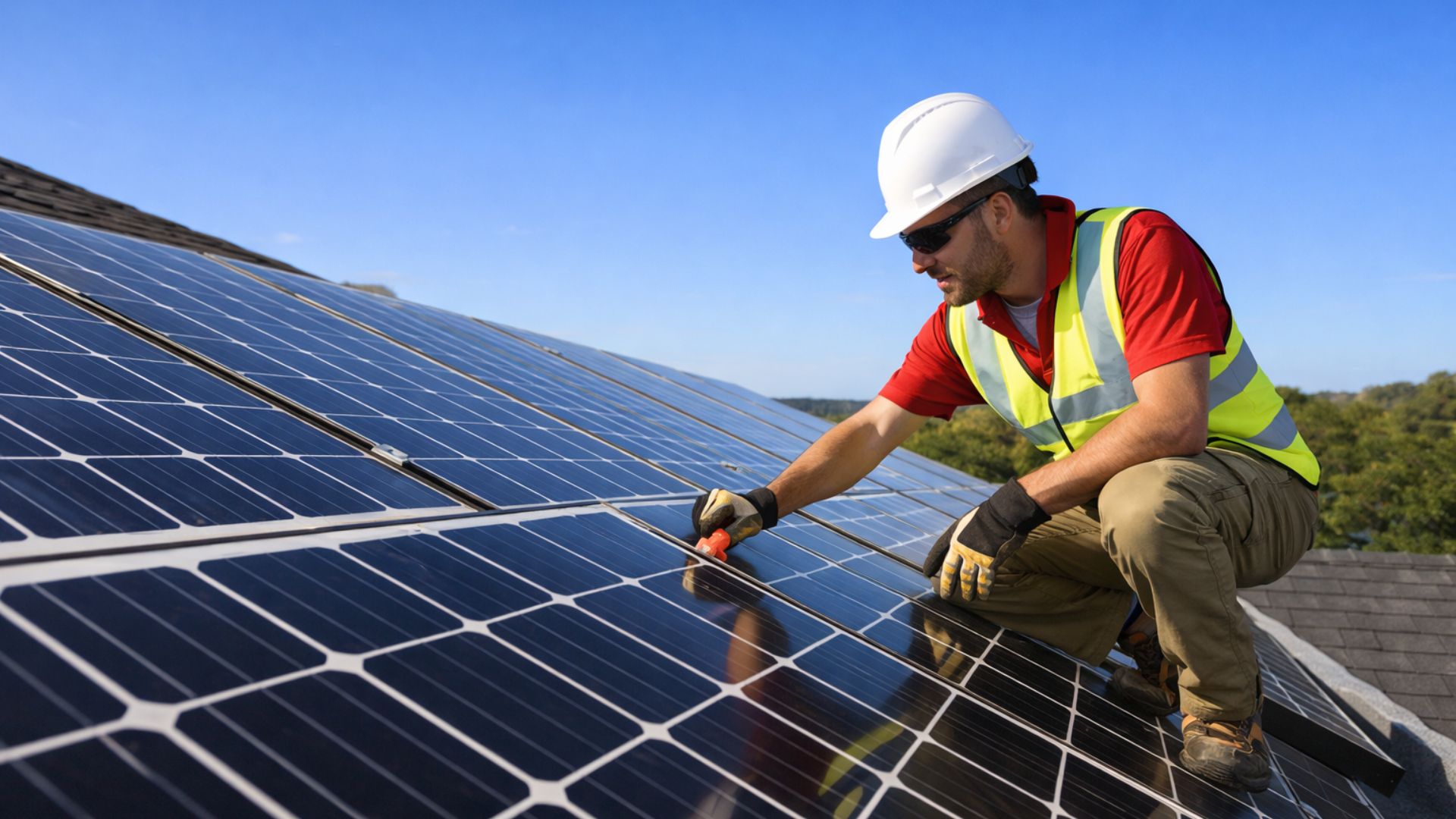
Seagri’s headquarters invests in solar energy with Neoenergia Coelba and promises to cut electricity costs, highlighting a strategic advance in sustainability and energy efficiency within state public administration.
-
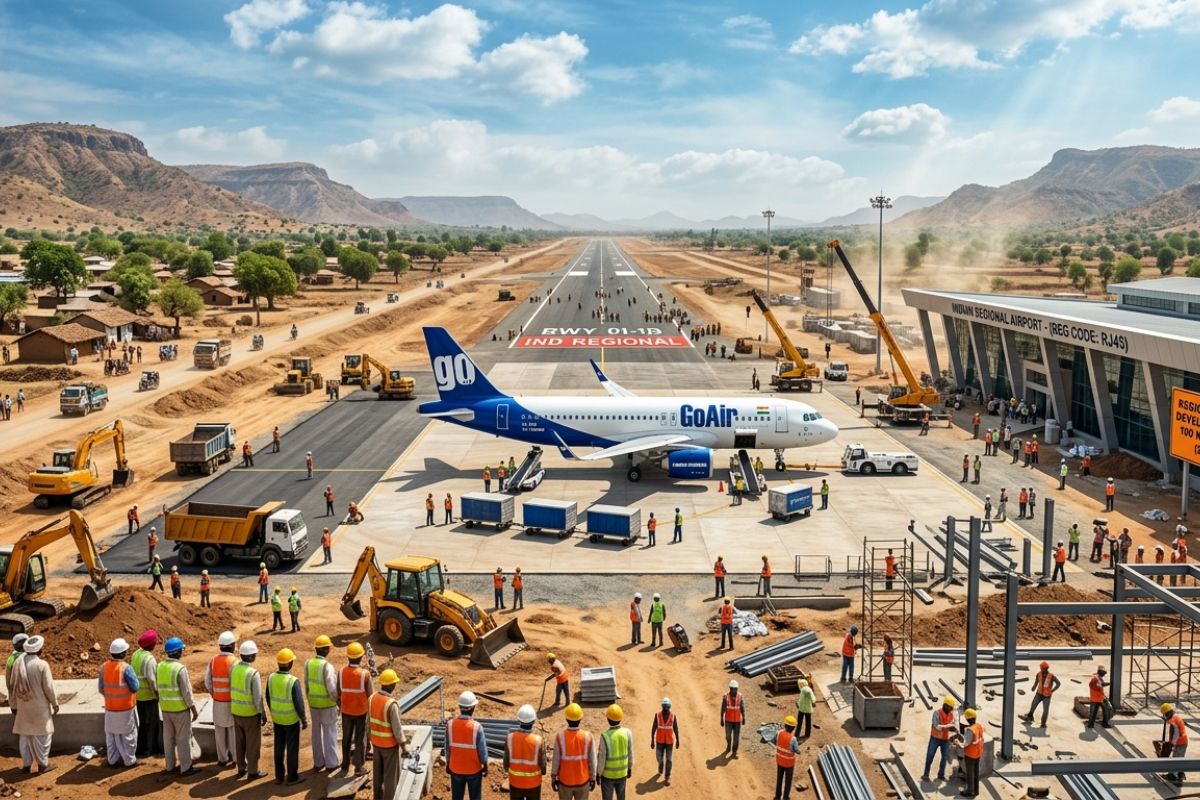
India announces a plan of $3.06 billion to bring aviation to forgotten regions: 100 new airports, $1.07 billion in subsidies, and regional routes guaranteed for 10 years, from 2026 to 2036, away from the centers.
-
Brazil blocked a proposal from the United States at the WTO that would make the exemption from tariffs on digital products like streaming and ebooks permanent, favoring American tech giants at the expense of developing countries.

-
IPTU exemption for seniors in 2026: see how to secure the benefit.


This measure, although necessary, has generated frustration among solar energy producers, who feel penalized by the imposed limitations.
Growth of Distributed Generation
In 2024, the installed capacity of distributed generation exceeded 35,420 megawatts (MW), equivalent to two Itaipu power plants, with a growth of 33% compared to the previous year.
This increase resulted in 779,000 new connections across the country, consolidating solar energy as the second-largest source of the national energy matrix, behind hydropower plants.
The advancement of solar energy aligns with sustainability targets and carbon emission reduction, promoting a cleaner and more efficient energy transition.
Impacts on Utilities and Sector Companies
According to Abradee, the Brazilian Association of Electric Energy Distributors, the situation is critical, especially in Minas Gerais and Rio Grande do Sul.
Many companies in the solar energy sector have faced difficulties with Cemig, which blocked about 1,200 connection requests, resulting in significant financial losses for uninstalled projects.
Problems mainly occur when utilities need to assess whether the local grid has the capacity to receive additional solar energy without causing overloads or interruptions in supply.
The Role of Solar Farms
The growth of solar farms, which are large solar energy installations, is contributing to the oversupply of energy during peak solar production hours.
These plants, primarily located in rural regions of Minas Gerais, take advantage of low land prices, but also put pressure on the electric grid infrastructure, which was not designed to support this load.
The solar farm model, which currently generates about R$ 40 billion, is attracting investors who see the opportunity to rent space for the installation of photovoltaic panels.
Regulatory Challenges and Potential Solutions
The regulation of Aneel (National Electric Energy Agency) allows utilities to deny connection requests under the justification of overload risk.
This raises concerns about the transparency and efficiency of the process, leading companies and sector associations to file complaints about the actions of utilities.
Aneel has received a growing volume of complaints about how utilities are handling connection requests, especially in areas where solar energy has been rapidly growing.
A proposed solution for the “lunar energy” problem is the use of storage batteries, but the cost is still a challenge, especially for residential consumers.
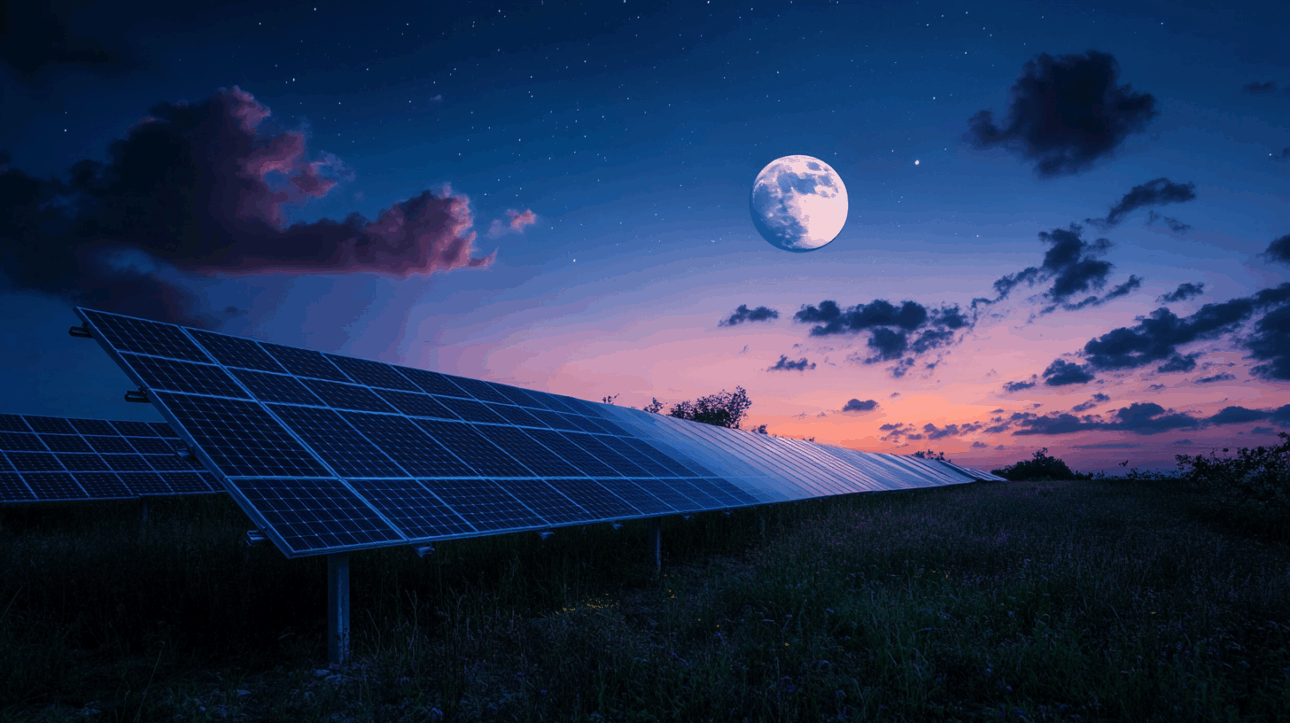
Batteries could allow consumers to store the solar energy generated during the day and use it at night, reducing reliance on the electric grid and increasing the efficiency of the system as a whole.
However, this solution is still not widely financially viable for many small producers.
The Future of Solar Energy in Brazil
The solar energy market in Brazil, currently valued at R$ 140 billion, continues to grow, even in the face of these challenges.
The new model of shared distributed generation, which allows consumers to rent part of solar farms, is attracting more investors and consumers seeking sustainable alternatives to reduce their energy bills.
This approach offers a solution for those who do not have space to install solar panels on their properties but still wish to benefit from solar energy.
Moreover, the growing demand for solar energy is driven by a shift in public awareness regarding sustainability and the need to reduce carbon footprints.
With rising energy costs and concerns about climate change, more consumers are seeking ways to generate their own electricity.
The Role of Technology
Technological advancements in the field of renewable energy are also playing a crucial role in the future of the sector. New innovations in solar panel technology, monitoring systems, and energy storage are making solar energy increasingly accessible and efficient.
Furthermore, the digitalization of the electric sector, utilizing applications and online platforms to manage energy consumption and generation, is facilitating the integration of solar energy into distribution networks.
SOURCE: NEOFEED






Novamente essa narrativa mercadológica.
A matéria rodou, rodou, rodou e não disse a verdade, que o problema da energia solar é que as distribuidoras estão ganhando menos porque os consumidores estão gerando sua própria energia… Não interessa energia limpa e blá blá blá blá se perdem dinheiro…. FALEI
Muito confuso tudo isso, as Empresa Distribuidoras não vendem energia em forma de leilões??? Nós produzimos muito mais do que consumimos, os créditos podem ser utilizados em até 5 anos, depois disso o excedente “morre”, zera os créditos, ou seja após 5 anos da instalação todos os dias estarão zerando créditos e a distribuidora se beneficiando de graça da nossa produção, fora isso todos os meses pagamos taxas para utilizar a rede da Concessionária, não da para entender essas negativas para aprovação de projetos.