





 Portuguese
  English
  Spanish
  3 min of reading
  0 comments


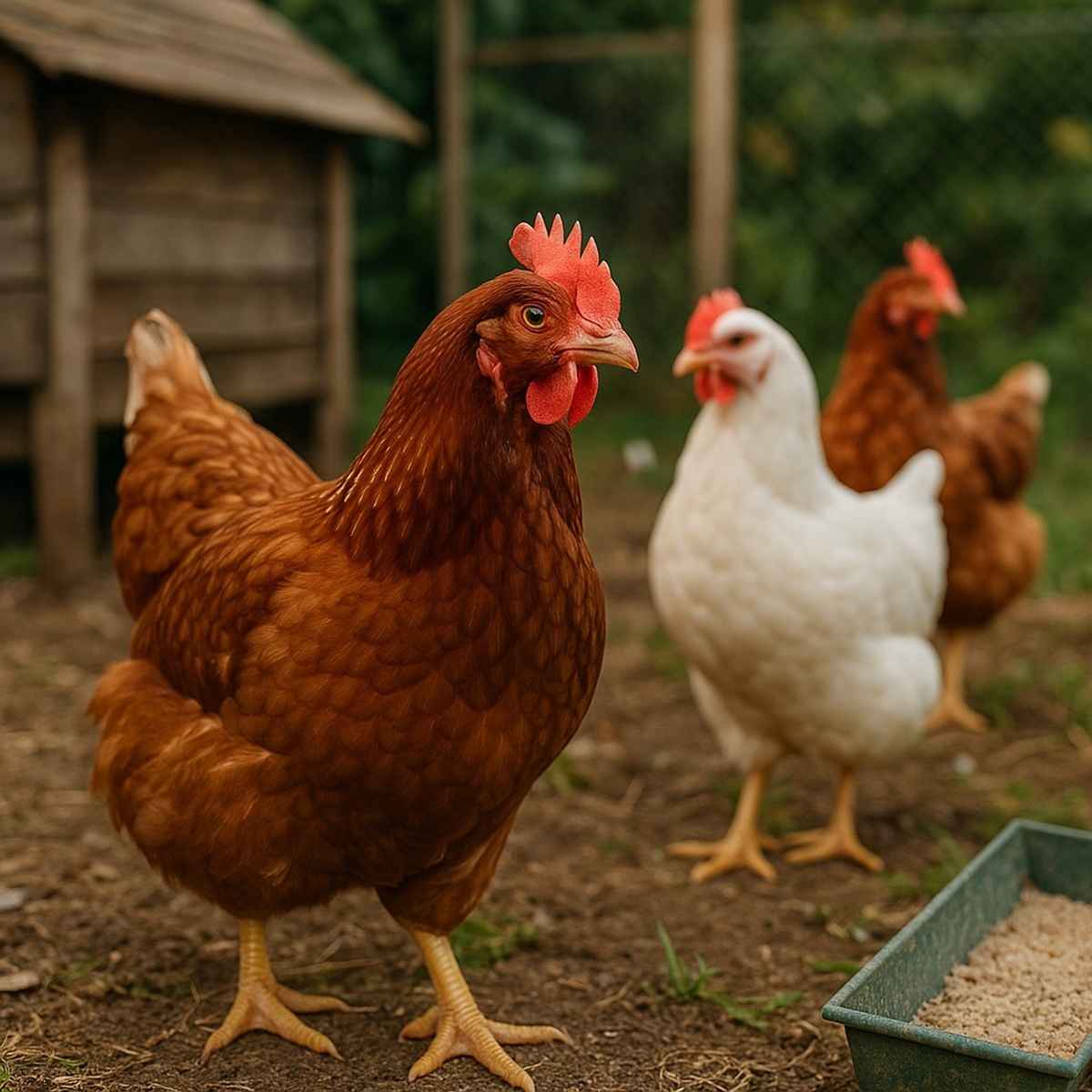
Raising Chickens Can Be Economic And Sustainable, But Requires Care, Time And Attention To Details That Many Beginners Cannot Imagine.
In recent years, backyard chicken-keeping has become a trend among Brazilians seeking a more sustainable life and closer to nature.
The dream of having fresh eggs every morning, reusing food scraps, and giving a rural touch to the home seduces many people. But, in practice, the chicken coop can bring unexpected headaches.
Why Have A Chicken Coop At Home?
For many, chickens represent savings and practicality. They turn food scraps into feed, produce natural fertilizer for gardens, and provide fresh eggs, which are tastier and free from preservatives.
-
The water that almost everyone throws away after cooking potatoes carries nutrients released during the preparation and can be reused to help in the development of plants when used correctly at the base of gardens and pots, at no additional cost and without changing the routine.

-
The sea water temperature rose from 28 to 34 degrees in Santa Catarina and killed up to 90% of the oysters: producers who planted over 1 million seeds lost practically everything and say that if it happens again, production is doomed to end.

-
An Indian tree that grows in the Brazilian Northeast produces an oil capable of acting against more than 200 species of pests and interrupting the insect cycle, gaining ground as a natural alternative in soybean, cotton, and vegetable crops.

-
The rise in oil prices in the Middle East is already affecting Brazilian sugar: mills in the Central-South are seeing their margins shrink just as ethanol gains strength.


Moreover, raising them can be an educational hobby for children.
However, the initial charm can give way to frustrations. Without proper care, the dream of a bucolic backyard quickly turns into hard work.
Daily Maintenance
Contrary to popular belief, a chicken coop does not clean itself. You must remove waste every day, wash waterers, change the straw, and ensure proper ventilation.
If this is not done rigorously, bad smells will arise and may lead to complaints from neighbors.
And if there is a rooster, be prepared: the crowing at dawn can disturb the neighborhood and lead to conflict.
Threat To The Garden
Chickens love to dig in the dirt, peck at seeds, and destroy newly planted sprouts. If there are no proper fences, a garden can be destroyed in just a few hours.
Even the lawn is at risk: in no time, green grass can turn into a dry and dug-up area.
Predators
Foxes are not common in Brazil, but opossums, cats, and even dogs can attack chickens.
The security of the chicken coop should be reinforced with sturdy fencing and tightly closed gates.
In rural areas, birds of prey can also pose a risk, especially to chicks.
Eggs Not Always Guaranteed
Many people are disappointed to discover that hens do not lay eggs year-round.
Some only start laying after six months, and production decreases over time.
You can raise three hens and still have only a few eggs per week. Additionally, stress, improper feeding, or climate can further reduce laying.
Advantages That Make It Worth It
Despite the challenges, raising chickens can be rewarding.
Besides fresh eggs, they help with composting, consume food scraps that would go to waste, and produce nutrient-rich manure for gardens. They are relatively docile animals and, when well cared for, can live 5 to 10 years.
Another advantage is savings: a 25 kg bag of feed can last several months for just a few birds, and there is also the possibility of complementing their diet with kitchen scraps and vegetables.
Is It Worth It?
Raising chickens requires time, patience, and a minimum investment. For those only looking for cheap eggs, it may not be worth it.
But for those who like the idea of living more sustainably and have space for a small chicken coop, the benefits can outweigh the problems.
Whether in a city backyard or on a farm, the important thing is to start small and fully understand the challenges before increasing the flock.










-

Uma pessoa reagiu a isso.