





 Portuguese
  English
  Spanish
  2 min of reading
  0 comments


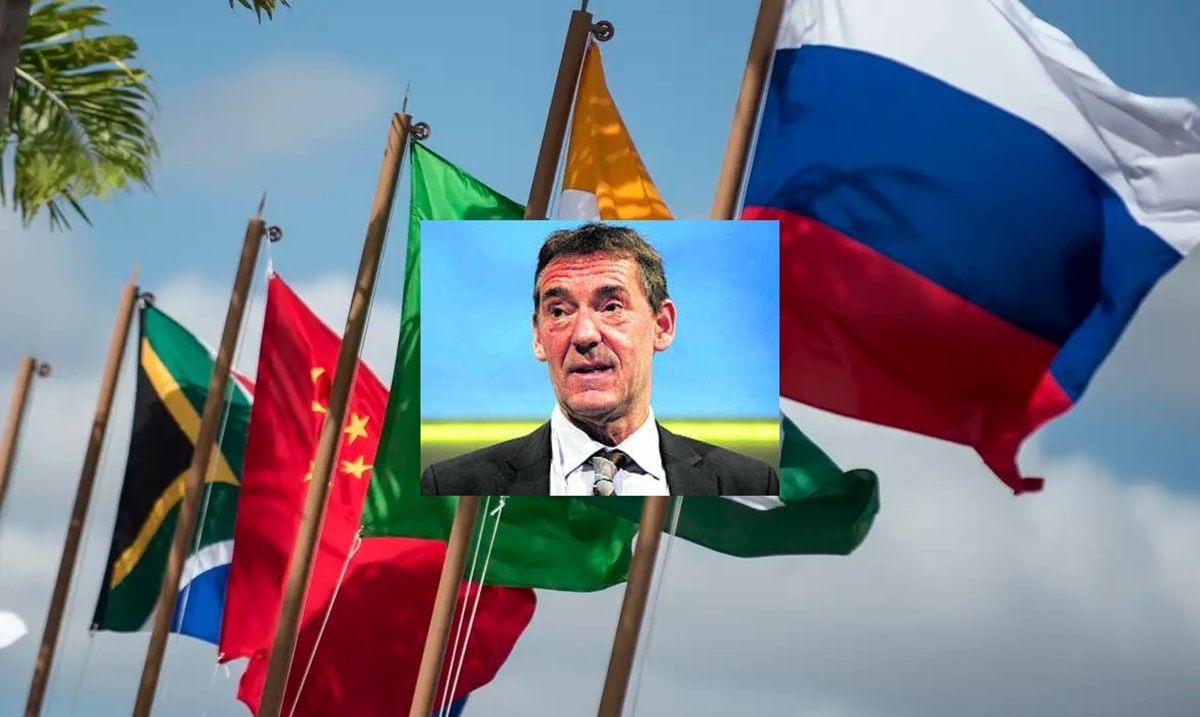
From a Term Created by Jim O’Neill in 2001 to the Entry of South Africa in 2011, See How the BRICS Block Was Born.
The history of BRICS did not begin with an international treaty, but rather with a market analysis. In 2001, British economist Jim O’Neill from Goldman Sachs published a study in which he presented a bold projection: four emerging countries — Brazil, Russia, India, and China — would increasingly play a relevant role in the global economy. To organize the idea, he created the acronym BRIC, formed by the initials of these nations.
At that moment, there was no political commitment between the countries. The term was merely an economic concept, used to illustrate the rapid growth of these economies and their potential to influence global decisions. Nonetheless, the expression quickly gained traction in the media and caught the attention of the governments involved.
From Theory to Diplomatic Practice
The next step was to turn the idea into political action. In 2009, the first BRIC summit took place in Yekaterinburg, Russia. It was at this meeting that the leaders of Brazil, Russia, India, and China decided to create a formal dialogue space. The meeting marked the official foundation of the group, which began to have its own identity and present itself as an alternative bloc to traditional powers.
-
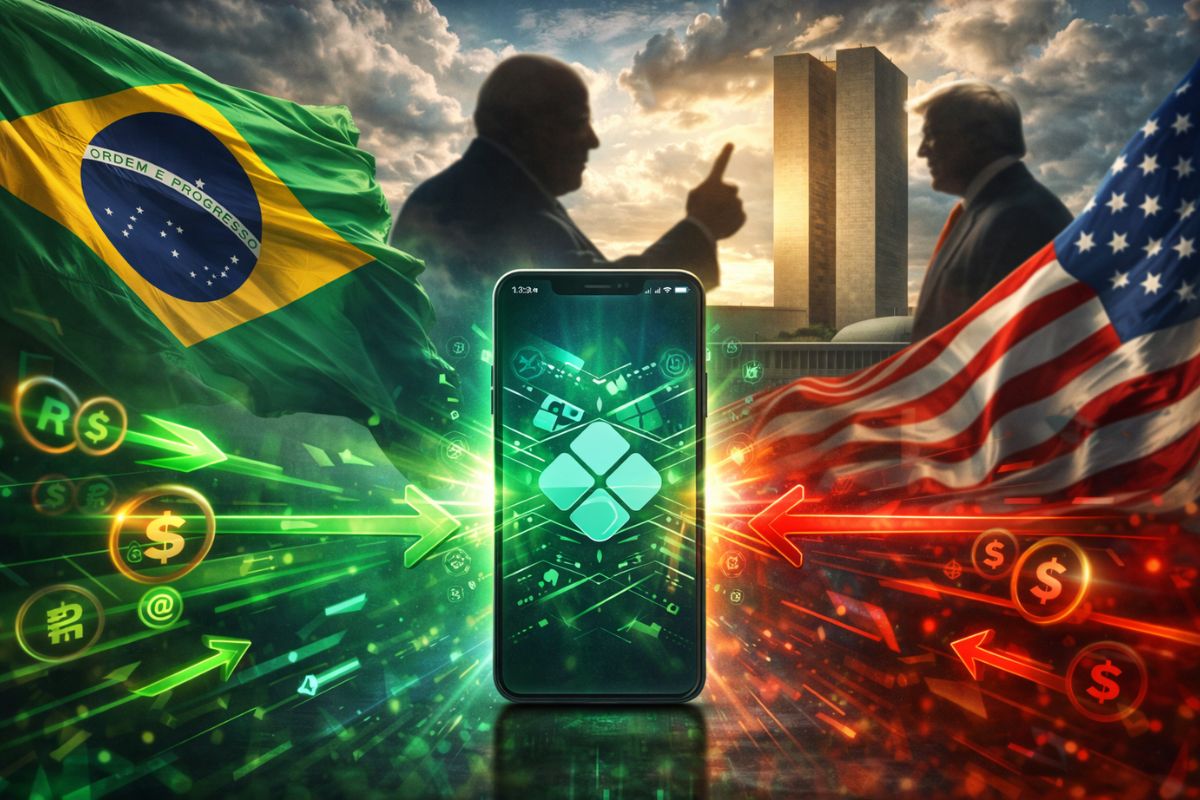
“No one will make us change the Pix,” says Lula after the US report.

-
Lula responds directly to Trump and says that Pix is from Brazil and will not change under pressure from anyone, after a report from the United States pointed out the Brazilian payment system as an American trade barrier.
-
Amazon has just announced a new fee on all deliveries, and your online purchases will become more expensive starting April 17, including for those buying from the United States here in Brazil.

-
He sold his share for R$ 4 thousand, saw the company become a giant worth R$ 19 trillion, and missed the opportunity of a lifetime.


On that occasion, the countries discussed ways to enhance economic cooperation, development strategies, and mechanisms to address the global financial crisis. The meeting symbolized a new stage: BRIC was transitioning from being just an economist’s forecast to becoming a diplomatic alliance with periodic meetings.
The Arrival of South Africa
Two years later, in 2011, there was a significant movement to expand the group’s representativeness. South Africa was invited to join the alliance, adding the “S” to the acronym and transforming BRIC into BRICS. The entry of South Africans ensured the bloc’s presence on all developing continents, reinforcing the global character of the initiative.
As a result, BRICS ceased to be merely a coalition of major emerging economies from Asia and Latin America, now including Africa, a continent strategic both in natural resources and in economic growth potential.
The Milestone of Creation
Therefore, the creation of BRICS can be understood in two phases. The first was the conception of the acronym by Jim O’Neill, who highlighted the economic weight of Brazil, Russia, India, and China in the early 2000s. The second was the institutionalization of the group in 2009, when the leaders of these nations decided to meet officially.









-

-

-

-

-

16 pessoas reagiram a isso.