





 Portuguese
  English
  Spanish
  2 min of reading
  0 comments


Galaxy Z Fold 7 Survives Freezing, River Diving with Sand, Nine Liquids and Drops, Showing Advances in Protection and Structure
Just a few days after its launch, the Galaxy Z Fold 7 was subjected to a series of extreme durability tests. The tests were conducted by the channel Gupta Information Systems, known for evaluating the resilience of newly released devices.
One of the most eye-catching tests involved complete freezing of the device. The phone was trapped in a block of ice for over 12 hours.
After thawing, the Galaxy Z Fold 7 functioned normally. Both screens turned on and responded as expected.
-
With a cost per shot close to zero, the DragonFire laser could change naval warfare in 2027 and provide British ships with nearly unlimited defense against drones.

-
A British startup creates tires that generate electricity in electric vehicles when passing over potholes, speed bumps, and cracks.

-
Scientists have created robots made with living cells that have their own nervous system, swim on their own, explore the environment, and self-organize without any genetic engineering, and now they want to do the same with human cells.

-
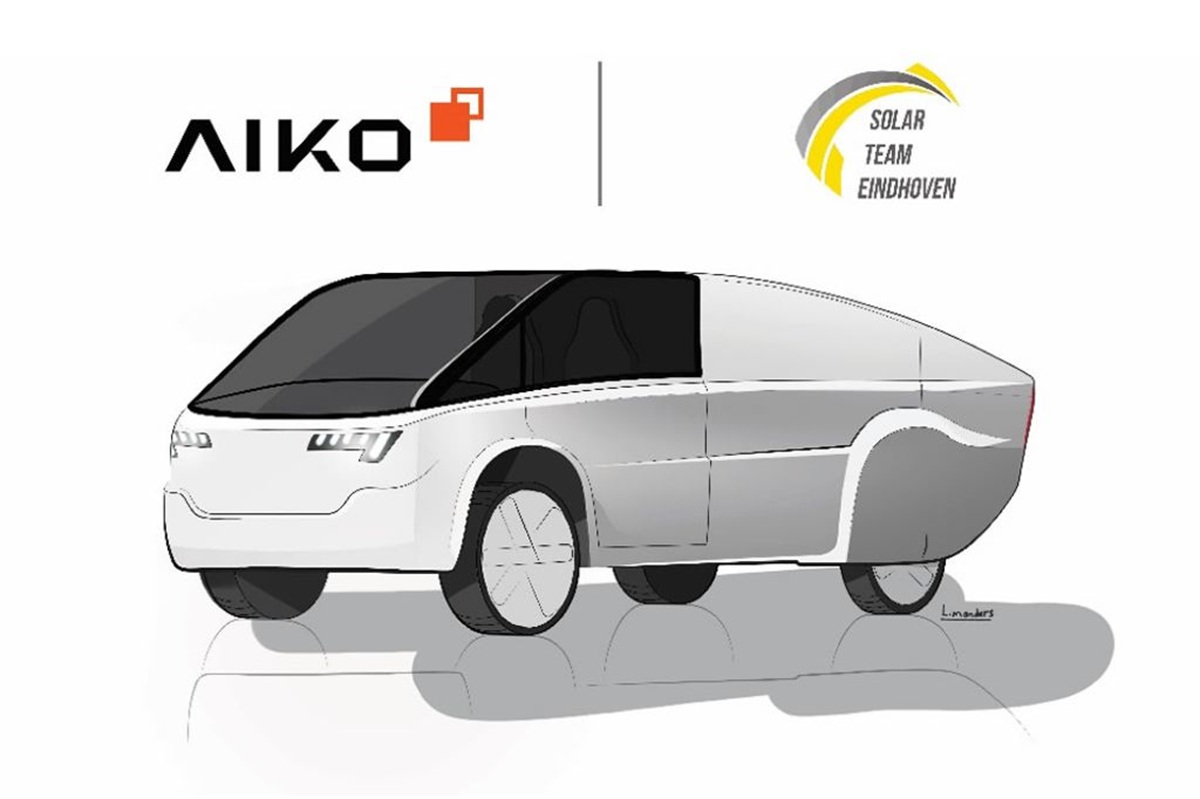
Students create a solar-powered ambulance that operates without a plug, without fuel, and still keeps medical equipment running in remote areas.

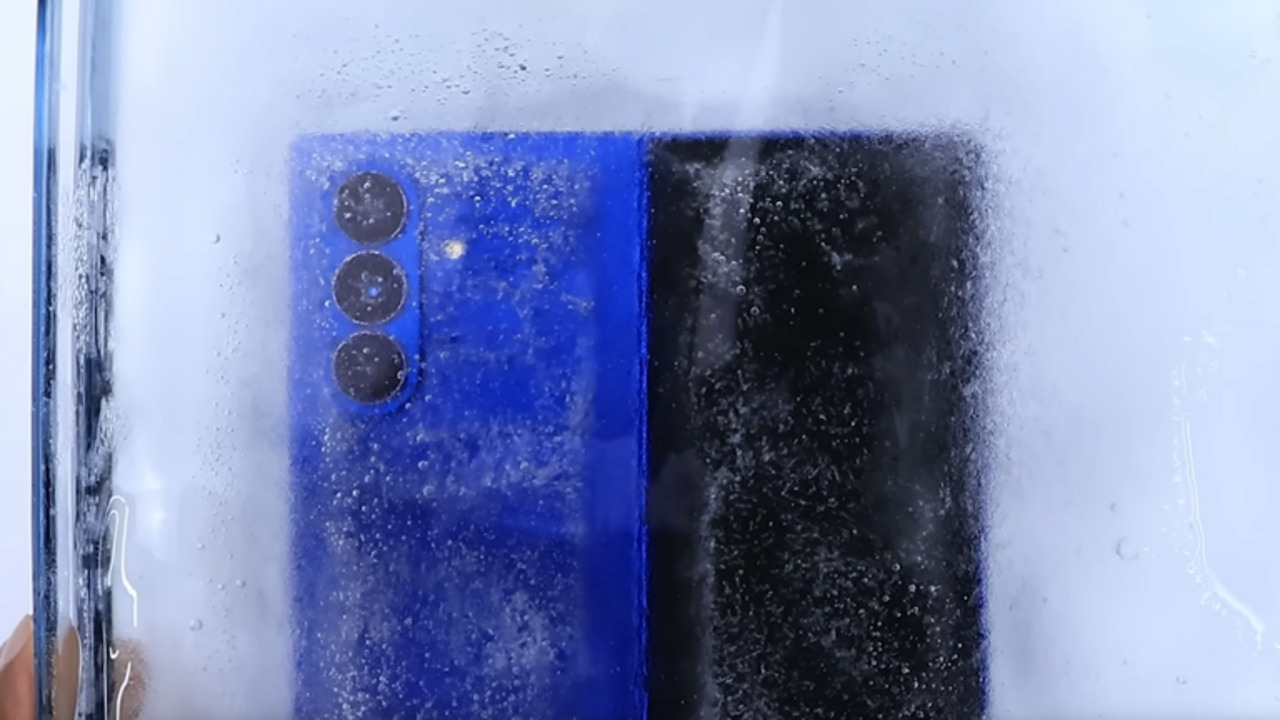
Another test exposed the device to an adverse natural environment. The phone was submerged for 30 minutes in a river with a strong current, full of sand and dust particles.
Despite the IP48 certification, which does not guarantee protection against very small solid particles, the Galaxy Z Fold 7 remained intact. No failures were identified in its internal components after the test.
Contact with Various Liquids
In another simulation, the phone was in contact with nine different liquids. Among them were coffee, soda, tea, hot water, and cold water. Even after these tests, the device continued to function.
These results attracted attention for the robustness of the model.
Improvements in Screens and Structure
The inner screen received an important update. It now features a thicker layer of Ultra-Thin Glass.
This ensures more protection against accidental touches, surpassing previous versions of Samsung’s foldable.
On the outside, the phone uses Gorilla Glass Ceramic 2. In tests, this layer resisted up to level 6-7 on the Mohs hardness scale, which is considered common for rigid displays.
Drops and Mechanical Stress
During drop tests, the device was dropped from a height of 1.8 meters. Even after impact, there were no cracks on the screens or damage to the hinge.
The Galaxy Z Fold 7 also underwent a structural stress test. It was folded in the opposite direction of normal operation. Even so, it did not break.
This reinforces the advances made by Samsung in the new Armor FlexHinge, the titanium structure on the back, and the aluminum frame.
Despite the official announcement, the Galaxy Z Fold 7 is not yet available for purchase in Brazil. Samsung is expected to soon announce information about pricing and launch in the country.
With information from Canal Tech.






-

2 pessoas reagiram a isso.