





 English
  Francês
  Alemão
  Italiano
  Japonês
  Norueguês
  Portuguese
  Spanish
  3 min of reading


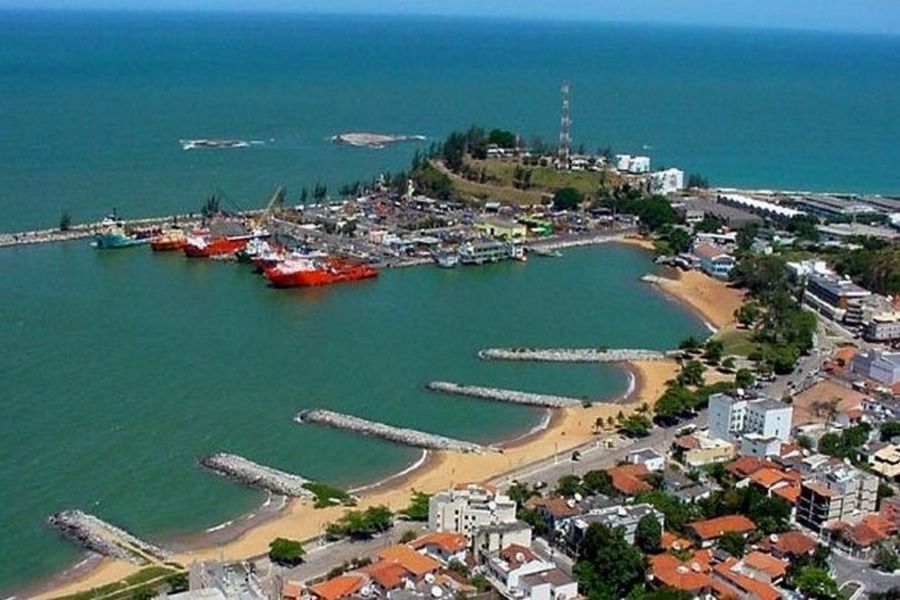
In Light Of This Reality, The Chances That Campos And Macaé Will Return To Being Major Beneficiaries Of Special Participation In Royalties Are Slim.
Due to the pandemic caused by the new coronavirus, which has led to a significant drop in oil barrel prices since March of this year, the main oil basins in Brazil – Macaé and Campos, saw their special participation payments scheduled for one quarter in royalties completely wiped out. Petrobras Sued For Irregularly Depositing Tonnes Of Equipment And Pipeline From Oil Platforms In The Campos Basin, Rio De Janeiro
Read Also
- Petrobras Puts Up For Sale Refinery And 26 Oil Fields In The State Of Rio Grande Do Norte – RN
- More Than 2 Thousand Jobs In Civil And Industrial Construction: Port Of Macaé – TEPOR Maintains Schedule For The Start Of Work In 2021
- PetroRio Receives ANP Approval And Becomes The Dominant Operator Of The Tubarão Martelo Field In The Campos Basin
Historically, the municipalities of northern Fluminense have been significant beneficiaries of fiscal resources from oil exploration precisely because they are located in an area of confrontation with the Campos Basin which – before the pre-salt discovery – was Brazil’s main frontier for hydrocarbon production.
The Campos Basin is made up of mature oil fields that naturally lose their production vigor over time. Given the new reality, the chances that Campos dos Goytacazes and Macaé will return to being significant beneficiaries of special participation, currently held by Maricá and Niterói, are slim, as there are currently no investments promoting the recovery of mature fields or the exploration of new areas in the basin, making it unlikely that production will grow to generate significant special participation income again.
-
Petrobras announces new oil discovery in the pre-salt of the Campos Basin and reinforces Brazil’s prominence with high-quality reserves that can increase production and energy revenues.

-
Alert in the fuel market: Analysts and a former director of ANP warn that oil prices may worsen in the coming months due to global instability.

-
Ocyan brings executives and digital solutions to Macaé Energy 2026 and highlights offshore expansion with Nexio and a new base in Macaé.

-
Petrobras advances 4.6% with rising oil prices and the dollar, reigniting the debate on macro risks, pricing policy, and fiscal impact in Brazil.
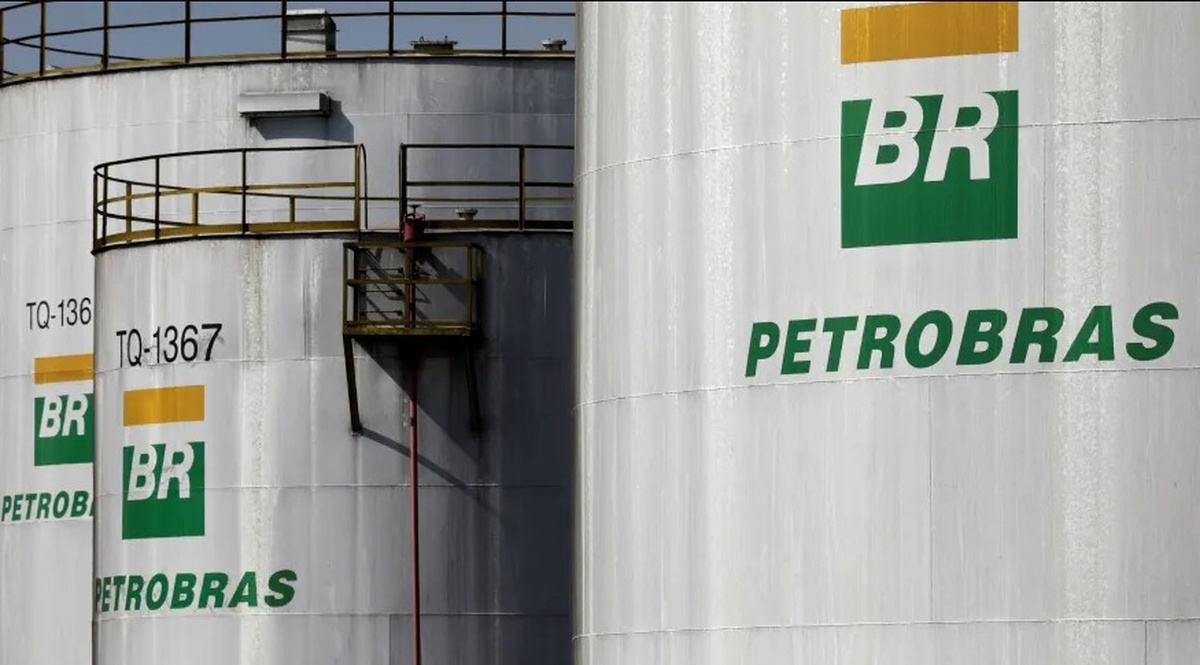

The expectation for Macaé and Campos is that there will be a rebound in oil barrel prices positively affecting the revenues of the fields, providing some breathing room for the resumption of this financial compensation in the upcoming period.
by – Carla Borges Ferreira*
See Who Also Missed Out
In addition to Macaé and Campos, the cities of São João da Barra, Rio das Ostras, Casimiro de Abreu, Armação de Búzios, and Carapebus also missed out, according to data from the National Agency of Petroleum (ANP) regarding the distribution of special participation for the second quarter of 2020.
According to researcher Wellington Abreu, Superintendent of Oil in São João da Barra (RJ), the scenario of severe constraints was expected for special participation:
Wellington recalls that “even the pre-salt fields with very high production paid much less than in May.” In this case, Maricá and Niterói are included, which saw a drop of -42.9%, receiving R$ 119.81 million and R$ 105.28 million, respectively.
And he adds: “We should see an increase in royalties now in August, but I don’t expect anything for the Special Participation in November. The climate remains the same, requiring austerity in financial control and a mode of survival until new horizons for the post-pandemic that promises to be tense.”
The special participation is a financial compensation – like royalties – extraordinary generated due to a large volume of production and profitability of the oil and natural gas field. The calculation for its collection is based on a rate determined each quarter based on the location, number of years, and volume of production, applied to the net revenue, also quarterly, of the field.
*Sociologist, Master of Social Sciences from the State University of Londrina (UEL). She is a researcher at the Institute for Strategic Studies in Oil, Natural Gas, and Biofuels (Ineep).









Seja o primeiro a reagir!