Portuguese
  Spanish


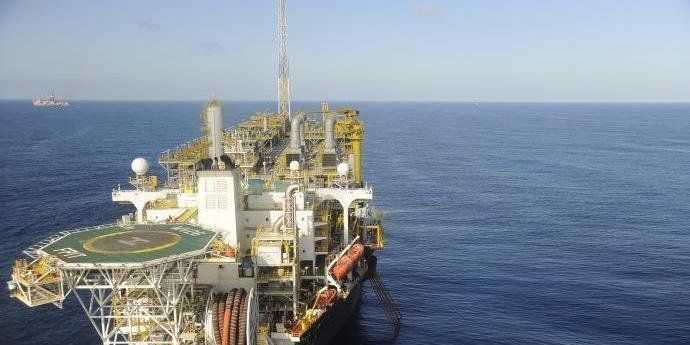

Referred to as “Submarine Warehouse,” Petrobras Accumulates Tons of Materials from Its Oil Platforms in the Campos Basin without Any Environmental Licensing
Petrobras and the Ministry of Energy received a letter from the president of the Senate Environment Commission, Senator Fabiano Contarato, demanding explanations about the irregular deposits that the state-owned company has been “feeding” for over twenty years in the Campos Basin, Rio de Janeiro. The Guanabara Bay in RJ is also facing a similar problem and is becoming a “graveyard” for ships.
The request is based on the report made earlier this month by Estadão, which revealed details of six areas that Petrobras itself called a “submarine warehouse,” where it accumulates thousands of tons of equipment and pipelines from its oil platforms without any environmental licensing.
Currently, Petrobras has over 1,400 kilometers of flexible pipes used in oil extraction on the 460 square kilometers of the seabed. To give an idea of the scale, it’s as if the city of Florianópolis (SC) or Porto Alegre (RS) were transformed into a marine deposit.
-
Brazil’s ANP Opens 86 New Oil Blocks in the Equatorial Margin, Expanding the Amazon River Mouth Frontier

-
OPEC+ Boosts Oil Supply by 188,000 Barrels per Day in July 2026, Leading to Price Drop from $112 to $89 per Barrel in Under Two Months

-
TotalEnergies Signs 20-Year Deal to Purchase 2 Million Tons of LNG from Alaska, Boosting Project Viability
-
Turkey Deploys Çağrı Bey Drilling Ship to Explore New Oil Frontier Off Somalia’s Coast
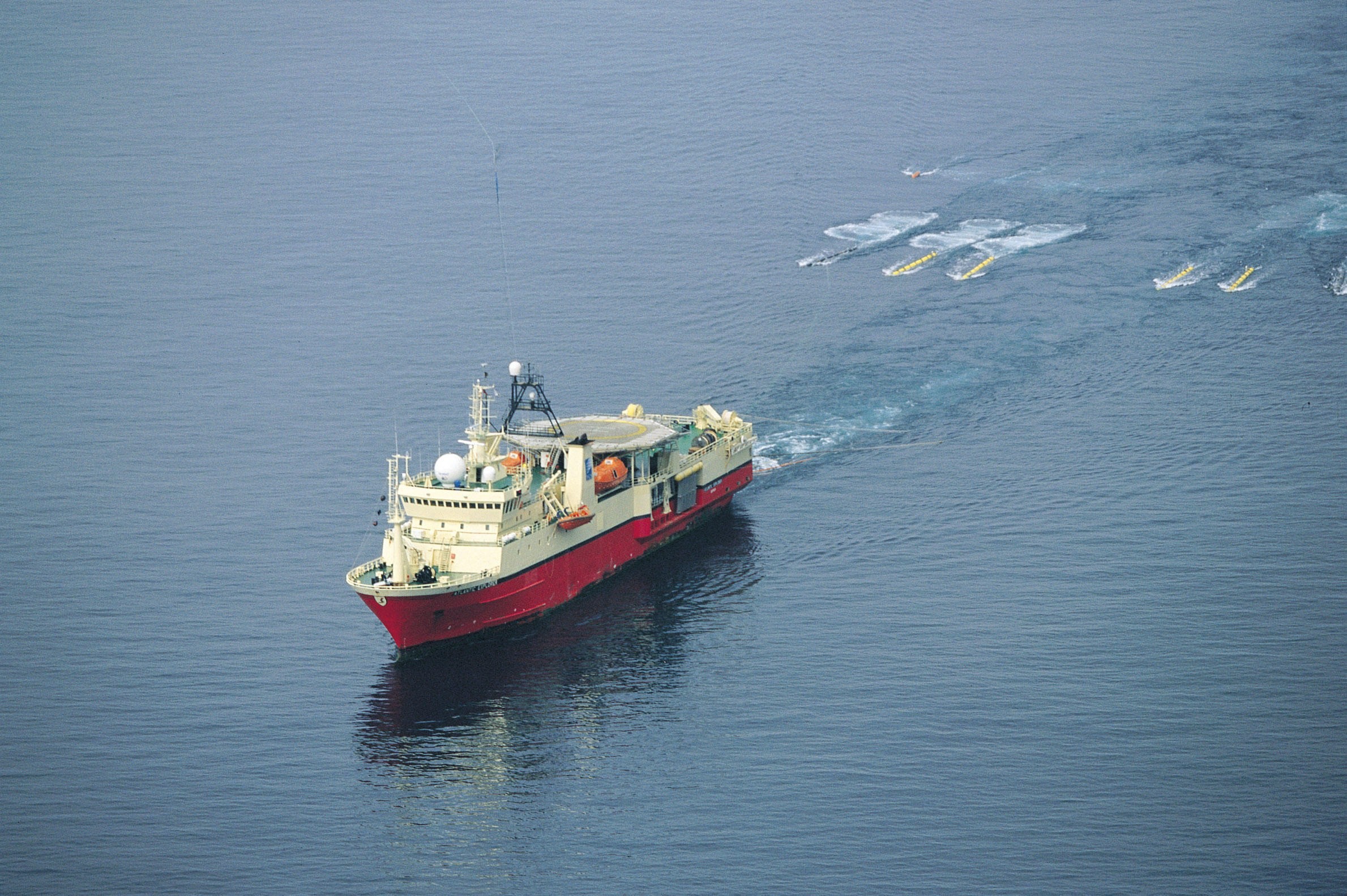
The areas that Petrobras named “submarine warehouse” began to be used in 1991 (Corvina). Subsequently, Pargo A and Pargo B came in 1992, Garoupinha in 1998, Alsub in 1999, and Altemp in 2003.
Read Other News Involving Petrobras and the Oil Industry
- Petrobras Puts Up for Sale 26 Oil Fields and a Refinery in the State of Rio Grande do Norte – RN
- Petrobras Completes Sale of Eight Oil Fields for 94.2 Million Dollars in the State of Bahia to SPE Rio Ventura
- South America is Rapidly Becoming a Global Leader in Offshore Oil, and Petrobras Takes on a Key Role in This Scenario
According to Petrobras, “the legislation created at the time depended on a series of regulations for the requirement of such procedure,” and the company adds that, in December 2002, there was an agreement (TAC of the Campos Basin) for the “definitive regularization of the environmental licensing of maritime production activities and respective support units in the Campos Basin,” and that the operation of submarine materials “started to be protected by the TAC of the Campos Basin, according to Petrobras’s understanding.”
However, Ibama states, “It is noted that the beginning of the use of the Altemp area occurred after the signing of the TAC of the Campos Basin without any communication from Petrobras regarding it at that time.”
Petrobras told Estadão that “there was no omission” on the part of the company. “In the company’s understanding, the operation in these areas began to be protected by the TAC of the Campos Basin from 2002.”