





 Portuguese
  English
  Spanish
  4 min of reading
  0 comments


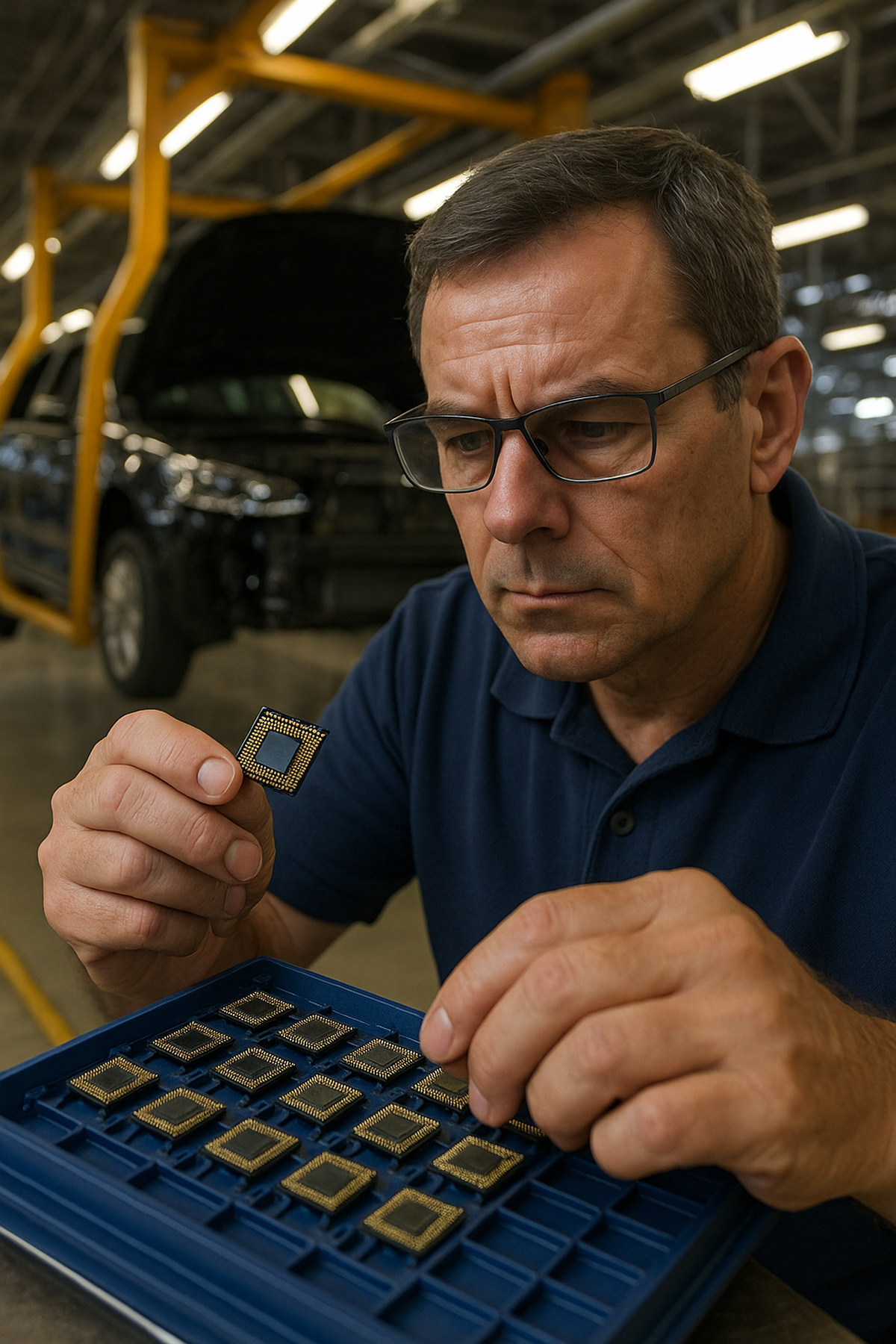
Dispute Between China, United States and Netherlands Over Nexperia Exposes Brazil’s Dependency and Pressures Government to Act to Avoid a Collapse in Automakers
The Brazilian automotive industry faces a real threat of paralysis. The geopolitical dispute between China and the United States, involving the semiconductor manufacturer Nexperia, headquartered in Netherlands, has raised alarm in national automakers. According to the National Association of Motor Vehicle Manufacturers (Anfavea), if the deadlock continues, production lines could stop in the coming weeks, directly affecting the country’s economy.
International Dispute Disrupts Semiconductor Supply
Nexperia is one of the world’s largest producers of semiconductor chips. Controlled by a Chinese group, it has factories spread across Asia and Europe. Since 2023, the trade war between Washington and Beijing has led the United States to expand sanctions against key Chinese companies in the technology sector.
As a consequence, the Netherlands government nationalized, in October 2025, Nexperia’s unit in the country. The decision generated a strong reaction from China, which prohibited the export of chips abroad. At the same time, the Dutch subsidiary lost access to inputs from Chinese suppliers, causing a domino effect in global production.
-
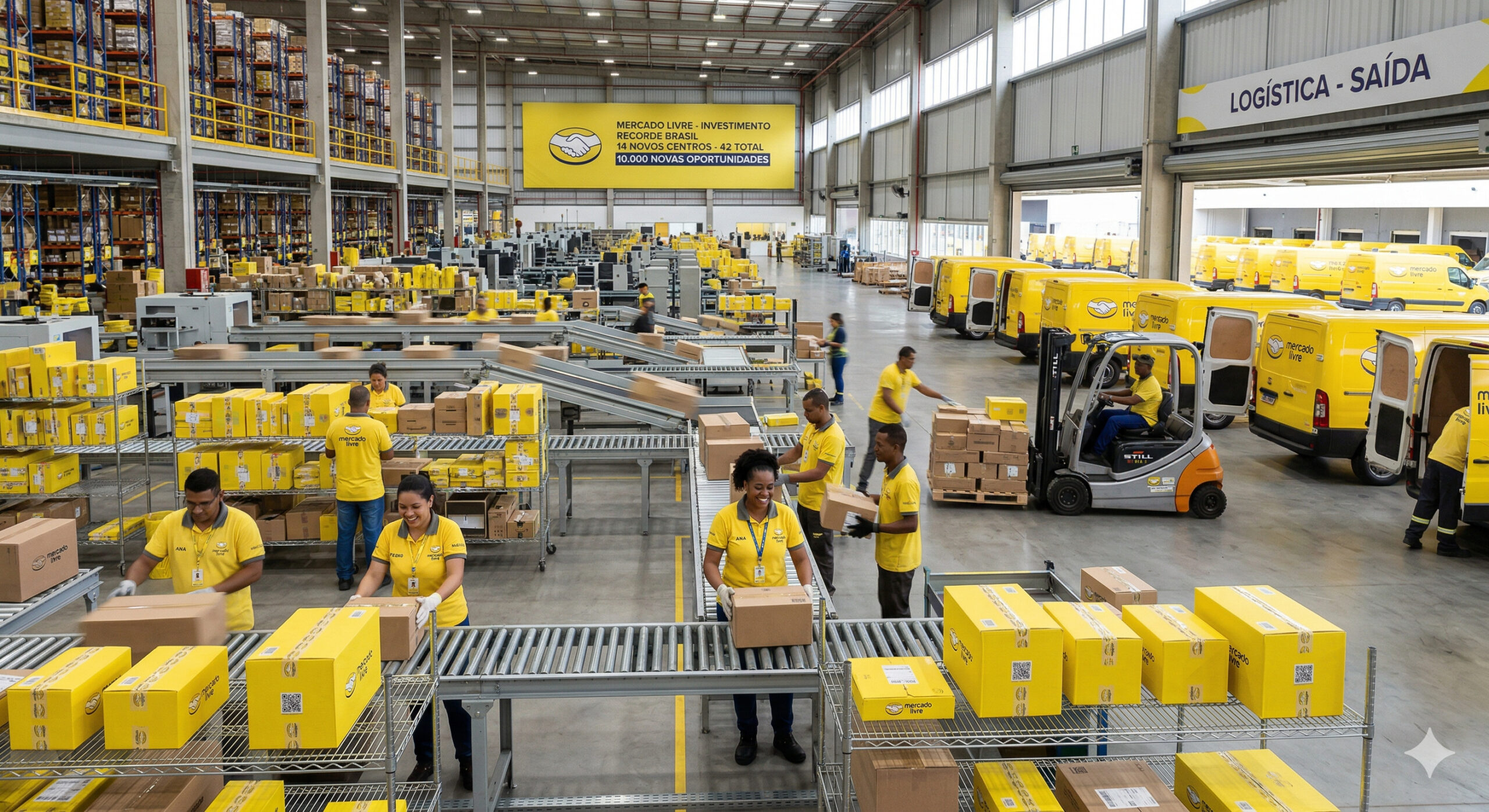
Mercado Livre “opens the vault” and announces a record investment of R$ 57 billion in Brazil in 2026, a value 50% higher than the previous year, with an expansion plan that includes 14 new logistics centers, totaling 42 units in the country and hiring an additional 10,000 employees.
-
How investment in technology can revolutionize the national economy and enhance industrial gains, according to a study that highlights the direct impact on productivity, innovation, and wealth retention within Brazil.

-
The largest food company on the planet, JBS, has just opened a 4,000 square meter laboratory in Florianópolis to develop customized proteins that modulate muscle mass gain, immune response, and metabolic performance.

-
After nearly 30 bids and competition among industry giants, a Spanish company purchases one of the largest airports in Brazil for almost R$ 3 billion and takes over the management of Galeão in a concession that will last until 2039.


According to analysts from Reuters and Folha de S. Paulo, Nexperia’s semiconductors are not complex, but are essential for automotive systems, such as ABS brakes, gear, airbags, engines, and multimedia centers. Each modern car uses between 1,000 and 3,000 chips, which increases the vulnerability of the chain.
“Automakers have already received notifications about delays and risks of component shortages,” said Igor Calvet, president of Anfavea, on October 23, 2025.
Risk of Paralysis and Appeal to the Brazilian Government
In light of the risk of interruption, Anfavea has asked the Ministry of Development, Industry, Commerce and Services (MDIC) to negotiate diplomatically and technically with China to ensure the supply of semiconductors.
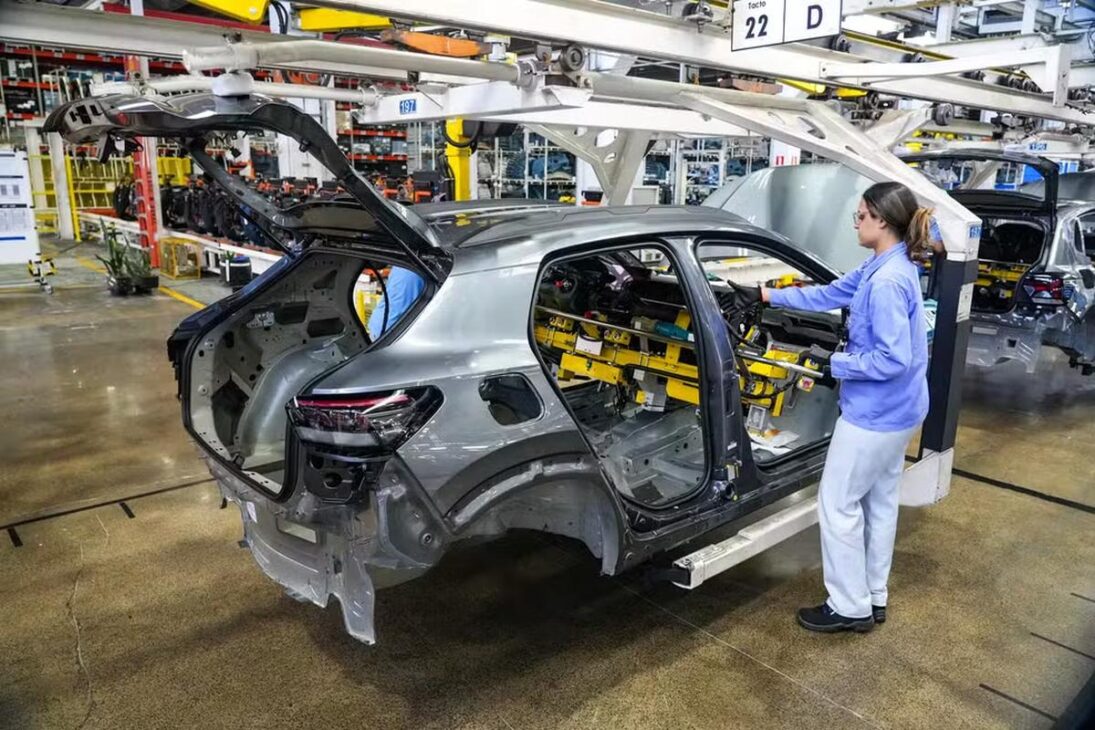
According to information from Reuters, part of Nexperia’s production was resumed by the end of October, which temporarily reduced the risk of shortages. Nevertheless, the market remains unstable and vulnerable, as the global semiconductor chain depends on Asia, particularly China, South Korea and Taiwan, countries that concentrate the refining and manufacturing of critical components.
This international dependency places Brazil in a delicate position, since almost all chips used by automakers are imported. Therefore, any logistical or commercial crisis directly affects the production and economic performance of the sector.
Pandemic Exposed Fragility of the Global Automotive Sector
The current situation recalls the chip shortage between 2020 and 2021, during the COVID-19 pandemic. During that period, automakers reduced orders anticipating a decline in sales, but the demand for consumer electronics exploded, diverting global production to televisions and computers.
When the automotive market tried to recover, there was a lack of inputs and industrial capacity, which caused prolonged shutdowns. According to consulting firm AlixPartners, 7.7 million vehicles were not manufactured in 2021 due to the semiconductor shortage — a scenario that again scares the industry at the end of 2025.
Impacts and Challenges for Brazil
Anfavea estimates that if the Nexperia crisis worsens, national production may drop by up to 15% in the coming weeks. The MDIC is studying emergency measures to reduce impacts and diversify sources of import. Experts stress that Brazil needs to invest in technological autonomy, creating policies to stimulate local semiconductor manufacturing.
Moreover, the country should strengthen agreements with nations that dominate this technology and attract foreign investments to set up factories on national territory. This debate has been happening since 2024, when the government began studies on the creation of a Brazilian chip hub.
Paths to Recovery and Technological Independence
Although Nexperia’s production has partially resumed, global instability reinforces the urgency to reduce dependency on a single supplier. For many analysts, Brazil should turn the crisis into an opportunity and expand its participation in the global technology chain.
The Anfavea advocates that the government and the private sector unite efforts to strengthen infrastructure, invest in research, and train professionals. This way, the country can ensure industrial sovereignty and productive security.
But in the face of growing disputes between powers, how long will Brazil be able to keep its factories active without relying on foreign chips?










Seja o primeiro a reagir!