





 Portuguese
  English
  Spanish
  4 min of reading
  0 comments



Europe Faces An Unprecedented Housing Crisis That Transcends Borders, Transforming Into A Structural Problem That Threatens The Economic And Social Stability Of The Continent.
New data in a document revealed by the European Union Council shows a dramatic scenario for those seeking housing: house prices in the European Union skyrocketed 60.5% between 2010 and 2025.
This dizzying increase, driven by external shocks such as the pandemic, geopolitical instability, and migration waves, has created an affordability gap that disproportionately affects young people, low-income workers, and inevitably, the immigrant population seeking refuge in major capitals.
Lisbon: The Epicenter Of Inaccessibility
Although the crisis is pan-European, Lisbon has emerged as the sharpest symbol of this “squeeze” financial. Alarming data from 2025 indicates that, in the Portuguese capital, the average cost of renting an apartment is equivalent to 116% of the local average salary.
-
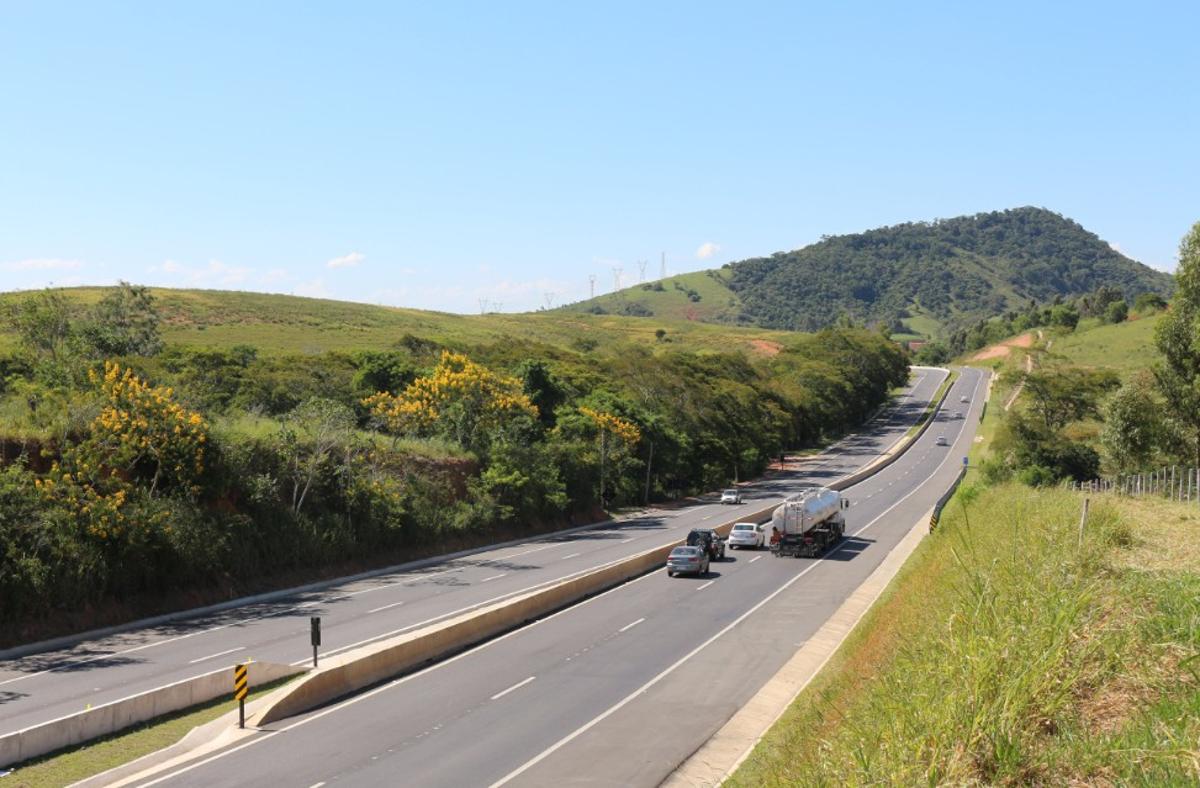
Firjan proposes to ANTT the acceleration of works on BR-101 in Northern Fluminense to improve logistics, urban mobility, and regional competitiveness.
-
Couple that traveled by Kombi through many countries moves forward with the land in the south of SC: machines level the refuge in the woods, reinforce embankments, set up a construction camp, and train chainsaw operators to speed up the building process.

-
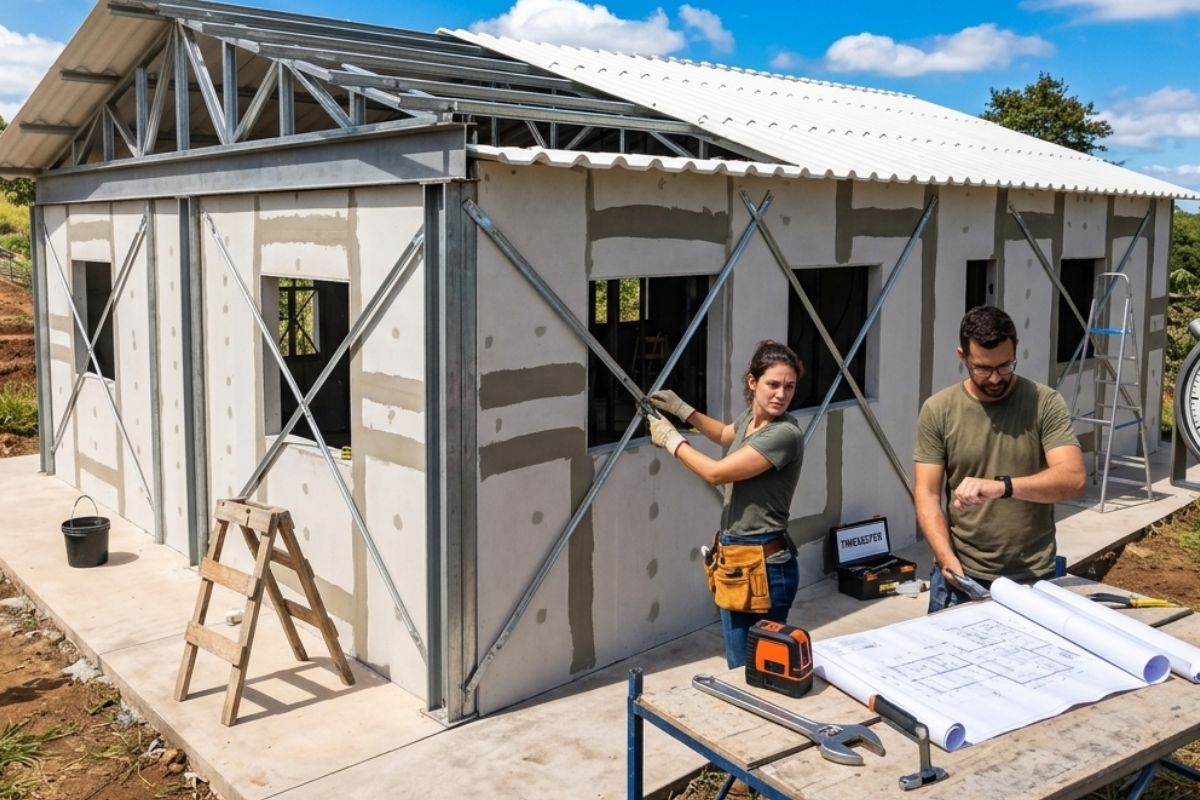
Couple leaves the city and builds a steel frame house in the countryside: sandwich roof, beams and columns secure the roof, X-braces prevent the walls from moving, and the 3-month deadline tightens.
-
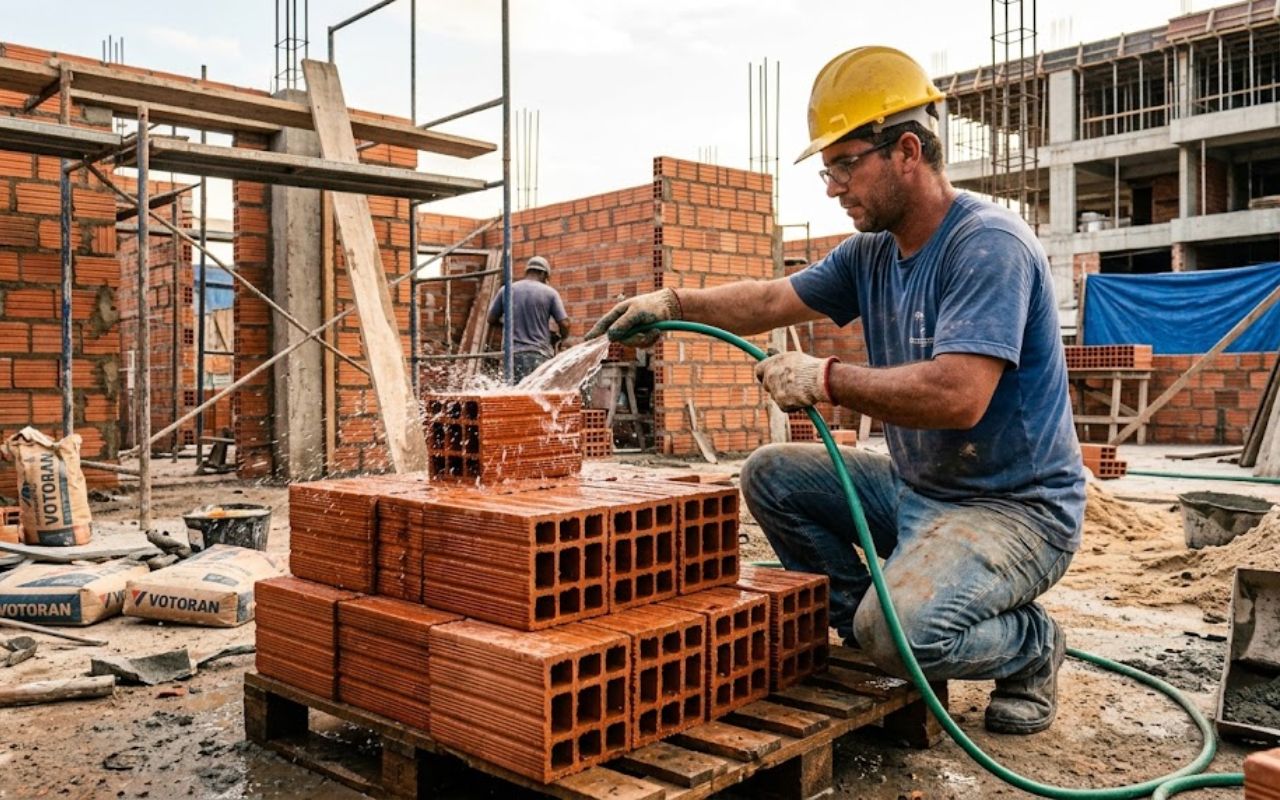
A simple technique of wetting the brick before laying it prevents cracks, improves the adhesion of the mortar, reduces fissures, and ensures stronger walls and more durable constructions.
This is by far the most critical scenario among the analyzed European capitals, surpassing historically expensive cities such as Barcelona (74%), Paris (45%), and Munich (45%).
The situation in Portugal reflects a brutal disconnect between family income and the cost of living. Between 2015 and early 2025, housing prices in the country jumped by about 147%, one of the most significant increases in the bloc.
In cities like Lisbon, the rise in rental prices has far exceeded the national average growth. For immigrants and new residents, who often rely on the rental market upon arrival, this financial barrier makes integration extremely difficult and financial independence a distant dream.
The average age for young Portuguese to leave their parents’ home reached nearly 29 years in 2024, reflecting this impossibility of covering housing costs.
The Explosion Of Prices On The Continent
Europe today lives distinct realities under the same roof, but the upward trend is widespread. While prices have risen over 60% on average in the EU, some Eastern European and Baltic nations have seen their markets triple in value.
Hungary recorded a 277% increase and Estonia a 250% increase in housing prices. In contrast, stagnant markets like Italy experienced a slight retraction of 1% in the same period.
For those who cannot buy, renting has ceased to be a viable alternative and has become another financial bottleneck. Rental prices in the EU increased by 28.8% between 2010 and 2025.
The competition for rental properties has become fierce, pressured not only by residential demand but also by the phenomenon of the “financialization” of housing.
Institutional investors and private equity funds have acquired significant portions of the housing stock; in Berlin, for example, they control €40 billion in real estate assets, often focusing on high-end segments rather than affordable housing.
The Impact Of Tourism And Short-Term Rentals
Another vector that pressures the market, especially in tourist destinations like Lisbon, is the proliferation of short-term rentals (such as Airbnb and similar platforms).
The exponential growth of this sector has reduced the availability of houses and apartments for the long-term market. In 2024, the EU recorded a record 854.1 million overnight stays, with 152.2 million occurring in short-term rental accommodations. This phenomenon displaces local residents and drives up prices, generating tension in communities.
Why Has Construction Stopped?
The obvious solution, increasing supply, faces colossal barriers. The construction of new homes in Europe has not kept pace with demand for almost two decades.
The cost of building new homes in the EU increased by 56% between 2010 and 2024, with a record jump of 12% in just 2022. The shortage of skilled labor, high interest rates, and bureaucracy in issuing permits have created a scenario of stagnation.
The European Investment Bank estimates that nearly 1 million new homes would need to be built to close the current supply gap, but investment in construction fell by more than 2% in 2024.
Risks To Democracy And Social Cohesion
The housing crisis has ceased to be just an economic issue and has become a political risk. Housing inequality is now the biggest factor in wealth inequality in Member States.
The gap between homeowners (who have seen their wealth grow due to appreciation) and tenants (who are struggling with high rents) is widening.
This dynamic has fueled political polarization. Studies indicate a direct link between rising rents and voting for populist parties. Far-right parties have capitalized on housing anxiety, often rhetorically linking the crisis to migration to bolster support for their agendas.
In short, Europe faces an existential challenge. With 1 in 10 EU families unable to afford rent or mortgage payments on time, the crisis demands more than market solutions; it requires a reevaluation of housing as an essential public good for the democratic and economic stability of the bloc.








Seja o primeiro a reagir!