





 English
  Francês
  Alemão
  Italiano
  Japonês
  Norueguês
  Portuguese
  Spanish
  4 min of reading


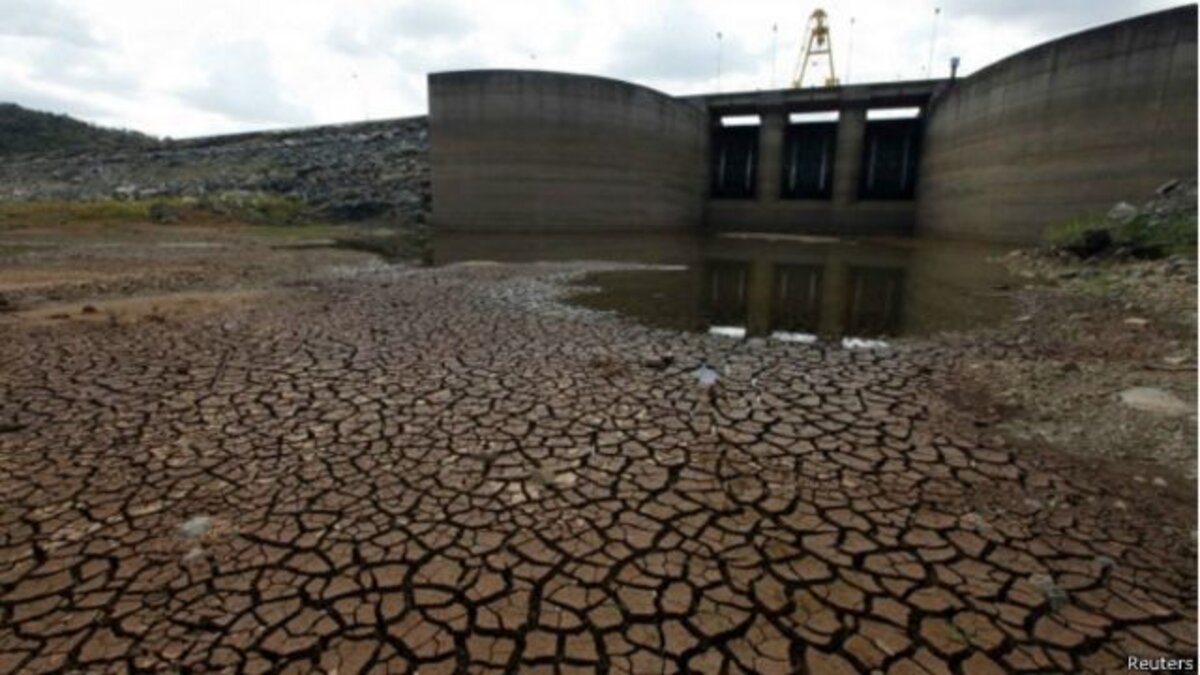
One Of The Main Consequences Of A Water Crisis Is Directly Related To A Higher Energy Bill
According to data released by the National Interconnected System (SIN), the country is experiencing the worst water crisis seen in the last 91 years. In mid-November 2020, meteorological institutes had already alerted the responsible entities about this event. What was already expected ended up happening. In addition to the crisis, agribusiness and the energy sector will also suffer during this dark period.
Other Interesting Articles
Since June 1st, data on water scarcity had been released by the National Water Agency (ANA). Resolution No. 77/2021 came to support earlier studies and inform that the Water Resources of the Paraná River Basin, which encompasses 10% of Brazil in territorial terms, was in a critical situation of quantitative scarcity.
Due to including the most populous states: São Paulo, Minas Gerais, Paraná, Goiás, Mato Grosso do Sul, the Federal District, and Santa Catarina, this is a national alert case. After all, in addition to being very populated, they are also the states that most influence the economic development of the country.
-
While Russia dominates the global wheat market, Brazil emerges as an unexpected competitor in the Cerrado, offering grain available in July and August when stocks in the Northern Hemisphere are at their lowest point of the year.

-
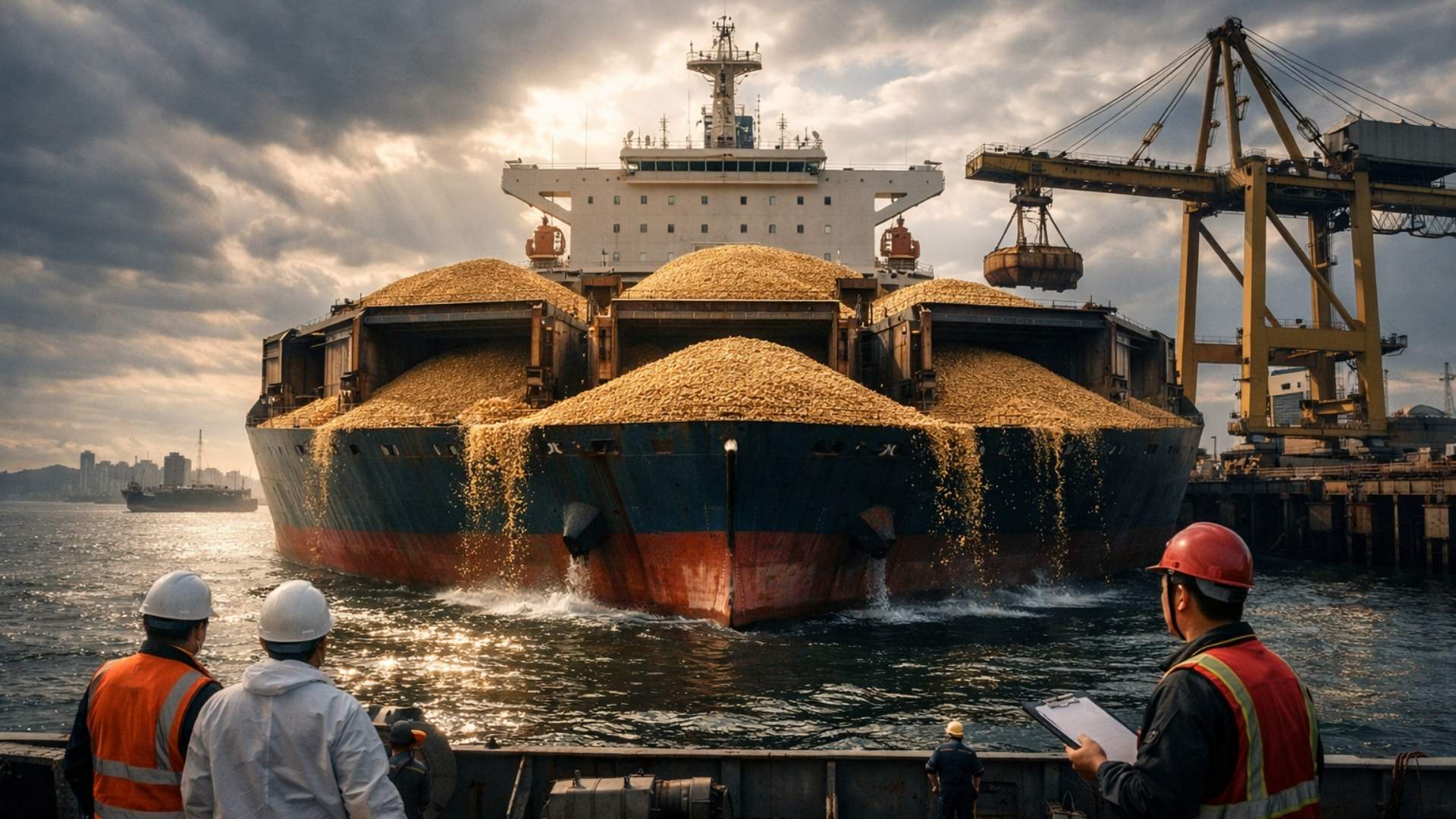
China returned almost 20 Brazilian ships with soybeans, but now everything could change: the country that buys 80% of the grain is considering relaxing regulations after impurities held up shipments of thousands of tons and caused million-dollar losses.
-
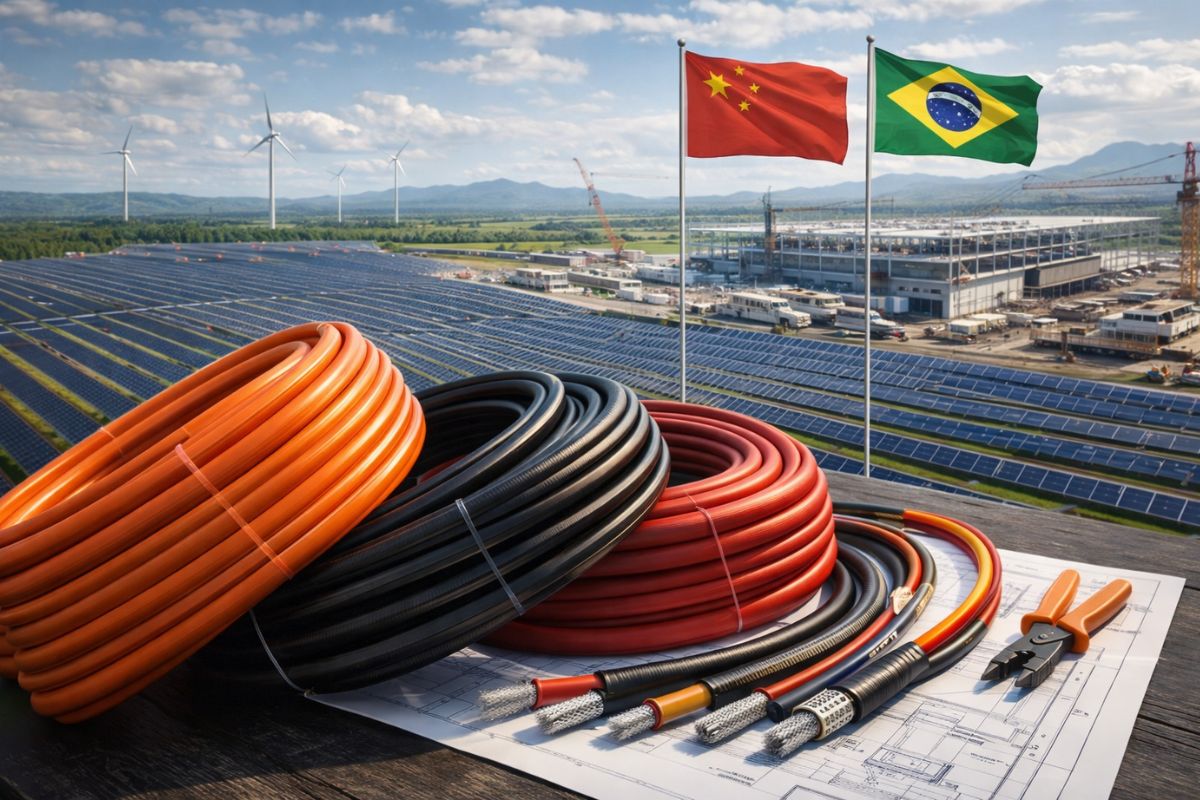
Chinese giant worth nearly R$ 4 billion that manufactures cables for electric cars, solar energy, and robotics wants to open a factory in SC.
-
Many employers do not know, but the law guarantees domestic workers a 25% increase in salary during trips, 50% for overtime, 20% for night shifts, and 17 additional benefits that can lead to labor lawsuits if not paid.


Why Can The Water Crisis Affect The Energy Sector?
It is worth mentioning that, just as water is important for the proper maintenance of life, it is essential for various sectors in the country to succeed. Thus, when there is a scarcity of water resources, it is not only the basins, plants, and animals that are at risk, but the entire Brazilian territory encompassed in that 10%.
This statement regarding the water crisis can be validated by professionals in the field, such as Tassio Barboza, a master in Photovoltaic Solar Energy and Deputy Secretary of Technical Affairs at the National Institute of Clean Energy (Inel). For him, the importance of water is of interest to the general population, as life becomes difficult when there is scarcity.
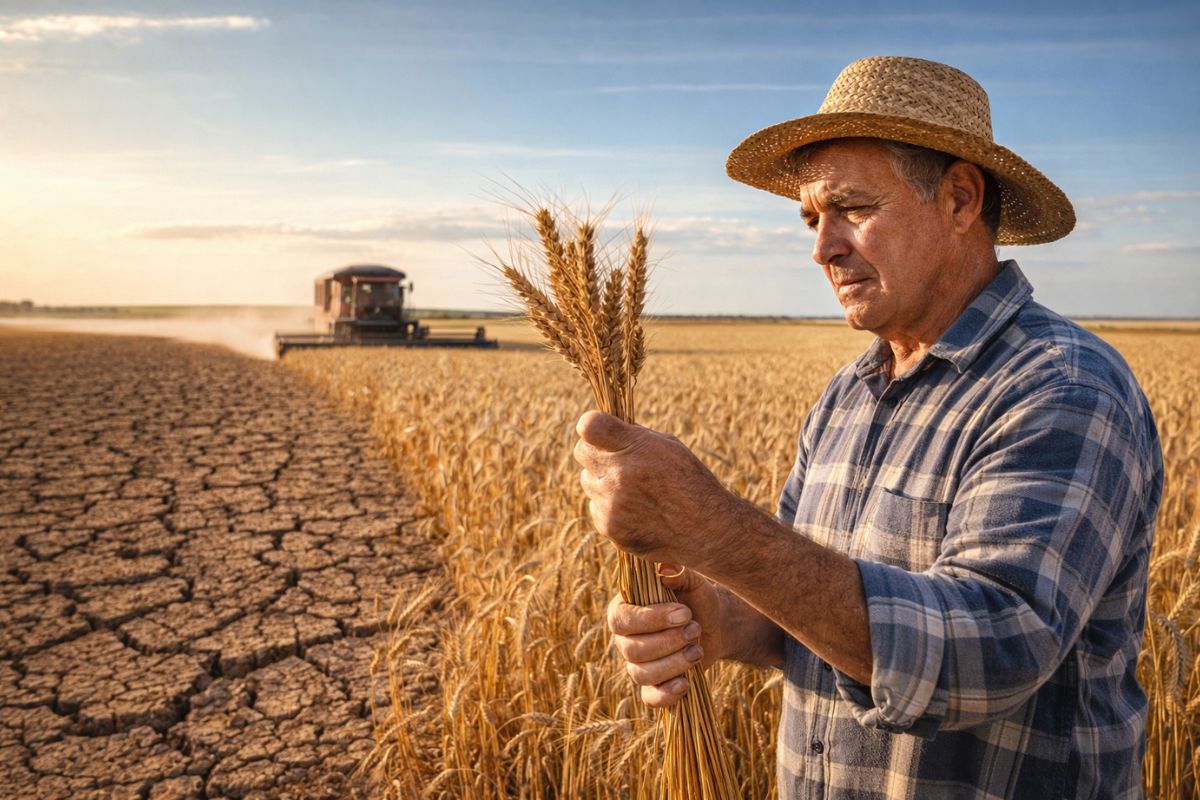
After all, how will agriculture or livestock survive without a single drop of water to irrigate their crops or quench their animals’ thirst? To contemplate other factors for the advancement of agribusiness and the energy sector, Barboza makes the following statement: “The generation of electric power and waterway transportation also need water—but it is not consumed in the process. Brazil is a continental country and needs to make water resources available for all these purposes. When there is a lack of water in the reservoir due to a water crisis, this entire chain is affected.”


How Can The Impacts Be Negative In The State Of São Paulo?
In addition to agribusiness, energy sectors and others will be widely affected by the water crisis. For São Paulo, the situation may be even more critical, according to the opinion of federal deputy Arnaldo Jardim (Cidadania-SP). For him, the first impact would be on the agricultural sector, where there would be a drop in production caused by water scarcity.
Immediately afterwards, an increase in energy prices would come for the residents of the state. However, it would not only be the people of São Paulo suffering, as the Tietê River would also be at risk of having its navigability made unfeasible, affecting cargo transportation.
Thus, when analyzed, the list of negative impacts generated by a water crisis causes almost irreversible damage, especially in agribusiness and energy. To prevent this from happening, the federal deputy suggests the creation of new projects aimed at protecting these resources. In fact, the bill 414/2021, suggested by senator Cássio Cunha Lima (PSDB-PB), brings proposals in this regard. It has already been approved by the Federal Senate and is awaiting a response from the president of the Chamber of Deputies.







Seja o primeiro a reagir!