






 Portuguese
  Spanish


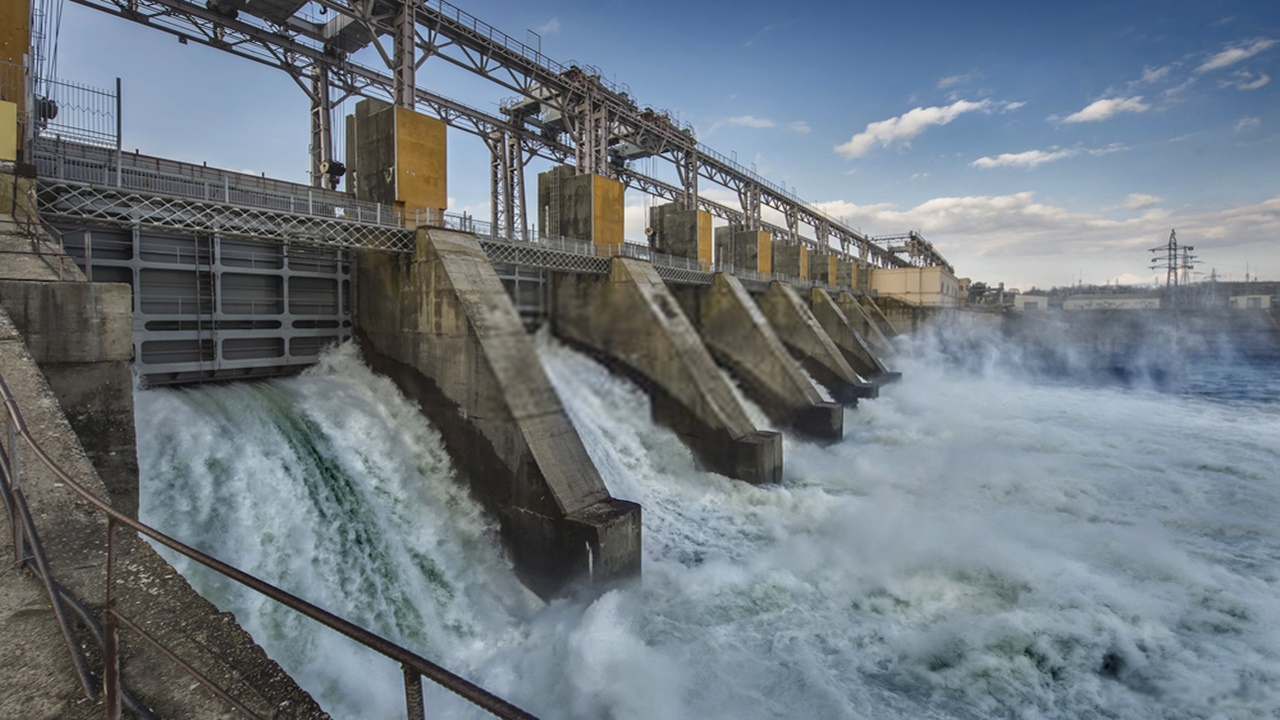

Despite The Hydric Crisis That Brazil Faces, Our Hydroelectric Plants Are Responsible For Supplying 73% Of The Energy Consumed In The Country
The most recent data on installed capacity and energy generation released by the National System Operator (ONS) and the National Electric Energy Agency (ANEEL) confirm that despite the hydric crisis Brazil faces, Brazilian hydroelectric plants are the main source of energy generation in the country. In the first half of 2021, even facing the worst drought in the last 91 years, hydraulic sources delivered 72.6% of all the MWh consumed in Brazil.
Read Also
- 446 Construction Workers Died As A Result Of Accidents Caused By Electric Shocks
- Transport Company Seeks Professionals With High School, Technical, And Higher Education For Job Openings In São Paulo
- Research Institute Of Education And Technology Partnering With The Catholic University Of Petrópolis Offers 70 Free Distance Courses
- L’Oréal, A Global Leader In Hair Products, Perfumes, Sunscreens, And Dermatological Products, Calls For Candidates Without Experience In RJ And SP For Positions In Its Trainee Program 2021
- Software Developer For Companies In The Logistics, Transport, And Fleet Segment Is Offering 30 Job Openings For The Technical, Commercial, Administrative, Marketing, And Customer Service Areas
From 2019 to 2021, hydropower delivered 71% in the worst year and 95.3% in the best year of all the MWh consumed in the country. All other sources combined (gas, diesel, oil, coal, biomass, wind, solar, and nuclear thermal) delivered a maximum of 29% of the MWh consumed and a minimum of 4.7%.
The reservoirs of hydroelectric plants have been drained for over 20 years, delivering an average percentage of MWh that is 29% higher than the percentage of installed capacity.
-
Robots Clean Solar Panels in Desert Power Plants Without Water, Preventing Energy Losses

-
Brazil’s Offshore Wind Energy Potential Worth $1 Trillion Stalled by Long-Delayed Agreement

-
World’s Largest Engie Solar Plant in Brazil Highlights Billion-Dollar Energy Waste Issue: Company Considers Batteries and Bitcoin Mining to Avoid Wasting Production

-
Air Products Cancels $2.9 Billion Clean Hydrogen Megaproject in Louisiana, Shuts Down Arizona Unit, Highlighting High Costs of U.S. Energy Transition


Nuclear Power Plant “Held The Ends”
Except for nuclear, all other sources generate less than their percentage of installed capacity.
According to the president of ABRAPCH, Paulo Arbex, it was the hydraulic sources that enabled the inclusion of intermittent sources in the Brazilian matrix, and it is the reservoirs of hydroelectric plants that have covered this intermittency, the majority of electrical disturbances, and various other issues in the national interconnected system.
“It was the mistaken energy policy of the past that, by demonizing hydroelectric plants and reservoirs for over 20 years, brought us to the current situation, not the drought periods. Brazil lived for more than 50 years with over 85% of its energy supplied by hydroelectric plants without any problems. Norway, one of the largest oil producers in the world, has 94% of its electric energy supplied by hydroelectric plants, also without any problems. The issue is much more about a lack of water supply than a lack of water. It will only be satisfactorily resolved with the resumption of reservoir construction and more hydroelectric plants. Fortunately, the current leadership of the Brazilian electric sector and the current legislature are aware of the problem and are working to take the necessary measures to correct it,” informs Arbex.


