





 Portuguese
  English
  Spanish
  5 min of reading
  0 comments


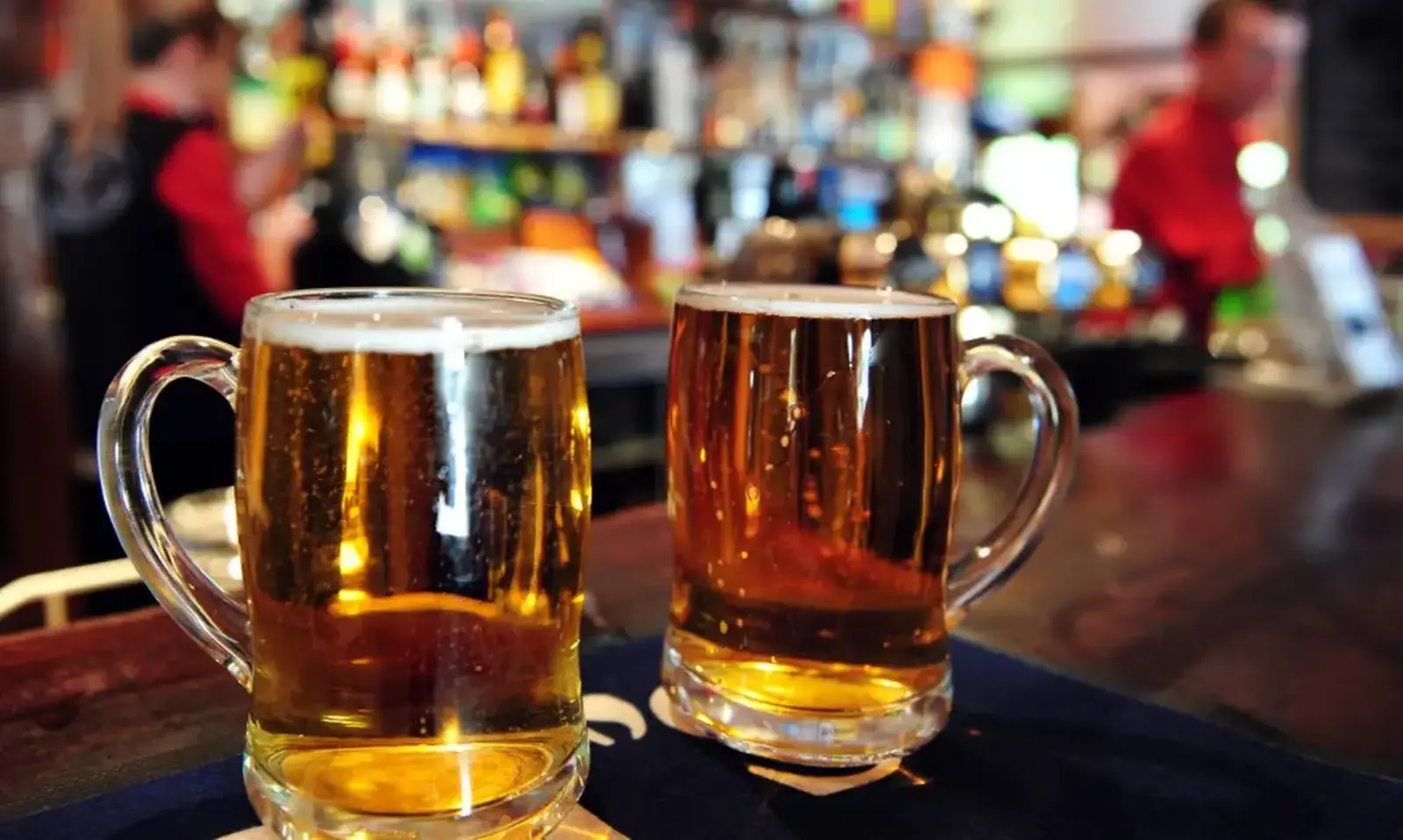
Generation Z Rejects Frequent Alcohol Consumption, Prioritizes Health and Well-Being, and Pressures the Beverage Industry to Innovate
Generation Z, composed of young people born between 1997 and 2012, is transforming the way the world consumes beverages. For these young people, beer is no longer part of daily life, but rather an occasional pleasure.
When they choose to drink, they prefer alcohol-free versions. This reflects a lifestyle where health and well-being take center stage.
This disinterest in alcohol is linked to economic, social, and cultural factors. The more limited income compared to previous generations weighs on the decision to abstain from alcoholic beverages.
-
Historic bankruptcy of Centauro shocks the market, and the century-old company puts more than 500,000 products, machines, and complete infrastructure up for online auction.

-
New shoe factory in Ceará is expected to create 400 jobs and strengthen the local economy.
-
No one imagined it, but a mixture of sawdust with a mineral that fights fires surprises scientists with a result that changes the course of fire-resistant construction.

-
From empty land to a high-end house, wooden construction uses a lightweight system, metal structure for the foundation, ventilated ceramic cladding, and special windows to create an efficient and comfortable living space throughout the year.

Furthermore, there is an increasing appreciation for fitness culture and awareness of the health risks associated with alcohol.
The Weight of Calories
Another important factor is the concern about body image. Beer is viewed as a caloric product that hinders weight loss and muscle gain.
Fitness content creators reinforce this view, highlighting the negative impacts of alcohol on physical results.
Therefore, for many young people, the choice not to drink goes beyond financial reasons: it is also a matter of image and performance.
This trend is not exclusive to Germany. Young people in other European countries and the United States are also reducing their alcohol consumption. The change is global and pressures the beverage industry.
The Situation in Brazil
Brazil follows the same trend. According to the Covitel 2023 Report, the percentage of young people aged 18 to 24 who consume alcohol three or more times a week fell from 10.7% before the pandemic to 8.1% in 2023.
This data shows that Brazilian Generation Z’s behavior mirrors the changes observed in other countries.
In the age group of 45 to 54 years, the frequent consumption rate is 9.1%. This indicates that young people already drink less than previous generations, solidifying a transformation in habits.
Alcohol-Free Beer Seems to Be the Solution for Breweries
The 1,500 breweries in Germany have had to adapt. The most important thing for them has been to understand that market growth lies in products with low or no alcohol content.
Many have started investing in soft drinks with fruit juice, advertising in train stations and TV commercials that highlight the pleasure without alcohol.
The biggest innovation in the sector, according to experts, is the growth of alcohol-free beer. Although nine out of ten beers sold in Germany still contain alcohol, the production of versions with a maximum of 0.5% alcohol content has nearly doubled in the past ten years.
Krombacher’s Bet
A clear example is Krombacher, one of the largest breweries in Germany. Its spokesperson, Peter Lemm, stated that traditional beer is unlikely to grow in the domestic market over the next few decades.
For him, the growth area lies in beverages with low alcohol content or completely alcohol-free.
The company invests in processes that remove alcohol after fermentation. The challenge is to maintain the flavor of the original version.
At the Kreuztal brewery, the beer goes through pipelines for weeks until reaching the desired result.
Who Is Generation Z?
Generation Z comprises people born between 1997 and 2012. This was the first generation to be born in a completely digital environment.
From an early age, these young people have been surrounded by computers, video games, and technological innovations. They did not need to learn computing in formal courses, as they grew up in this world.
They learned to interact through social media and apps. This behavior has reduced face-to-face meetings and lasting connections.
At the same time, they have lived in an environment of insecurity about the future. For them, a university degree no longer guarantees stable employment, unlike what occurred with Generation X.
Criticism and Challenges in the Workplace
Despite their particularities, Generation Z faces criticism. Many young people were hired at the peak of the pandemic, but 60% of employers admitted to laying off some of them shortly afterward.
Psychologist Mark Travers points out three reasons for these challenges.
The first is the alleged lack of motivation. Research shows that Generation Z values companies that care about employees’ well-being and are concerned about the world.
However, market instability and lack of prospects generate discouragement and reluctance to dedicate themselves intensely to work.
The second reason is the mode of communication. Having grown up in a digital environment, many young people struggle to adapt to more formal in-person settings.
This difference in language creates noise and misunderstandings, which can be perceived as a lack of engagement.
The third is the rejection of the culture of overwork. Previous generations valued long hours and personal sacrifice.
In contrast, Generation Z seeks balance, well-being, and meaning in their careers. For them, success does not mean always being available, but having quality of life.
The View of the Future
This clash of mindsets creates friction in the job market. Employers expect full dedication, while Generation Z prioritizes mental health and personal life.
For many, work cannot be the center of existence. Therefore, this generation seeks a different relationship with work, just as with alcohol consumption.
The Five Generations
When we talk about generations, we think of age groups with distinct characteristics. Each has lived in a specific historical context, with similar cultural traits. Currently, we can identify five generations.
Baby Boomers were born between 1946 and 1964. Generation X spanned from 1965 to 1980. Millennials, or Generation Y, were born between 1981 and 1996.
Generation Z includes those born from 1997 to 2012. Finally, Generation Alpha comprises those who entered the world from 2013 onward.
These classifications help to understand the consumption habits, values, and communication styles of each group. In the case of Generation Z, their rejection of alcohol and pursuit of well-being are trends that already challenge traditional industries worldwide.
Source: ND Mais.









-

-

2 pessoas reagiram a isso.