





 Portuguese
  English
  Spanish
  3 min of reading
  0 comments


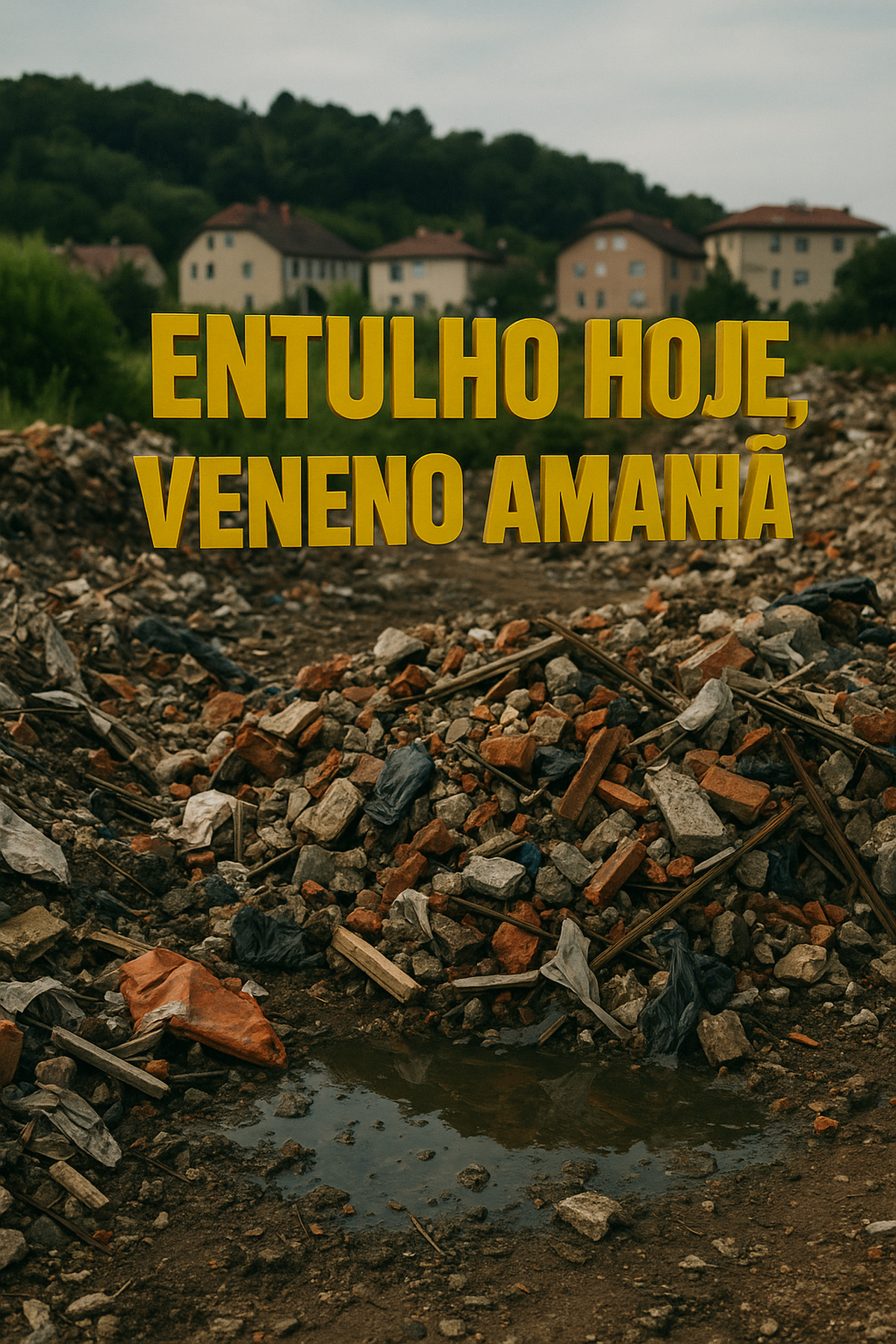
Research Reveals That More Than 60% of Debris in Brazil is Illegally Disposed Of, Spreading Heavy Metals and Putting Ecosystems and Communities at Risk.
National Investigation Exposes Hidden Environmental Crisis
A new survey by the Brazilian Association for the Recycling of Construction and Demolition Waste (Abrecon), released in May 2025, revealed an alarming scenario.
Brazil generates more than 106 million tons of construction and demolition waste (RCD) each year. However, only 25% of this volume is recycled and 30% to 40% is properly disposed of. As a result, 60% of debris is disposed of illegally, contaminating conservation areas, riverbanks, and residential neighborhoods.
Moreover, illegal waste contains lead, mercury, cadmium, arsenic, and other toxic metals. Thus, these elements penetrate the soil and groundwater, poisoning water sources and risking the health of communities.
-
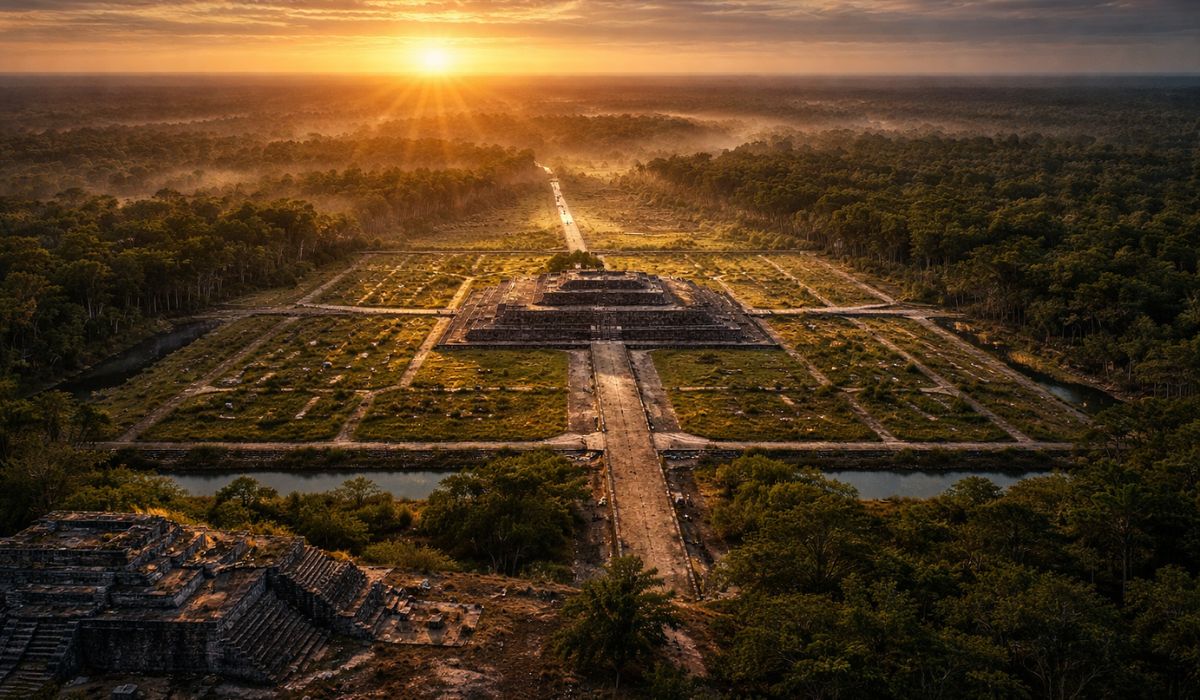
In Mexico, a 3,000-year-old Maya site with the dimensions of an entire city may have been built as a colossal map of the cosmos, created to represent the order of the universe and reveal how this people organized space, time, and rituals.
-
Japan wants to build a solar ring of 10,900 kilometers on the Moon to continuously send energy to Earth.

-
Weighing almost 1 ton, with temperatures of up to 3,000°C, the ability to launch 10,000 fragments within a radius of 1 km, capable of penetrating concrete and melting steel, Turkey’s terrifying bomb emerges as one of the most destructive non-nuclear weapons ever presented.

-
After a submarine disappeared beneath the “Doomsday Glacier,” scientists announce a new monstrous machine capable of operating at 3,000 meters depth to return to the heart of the ice and investigate a threat that could raise sea levels worldwide.


Heavy Metals Threaten Public Health
Experts from Abrecon, such as Rafael Teixeira, highlight that this is a silent crisis, with cumulative and dangerous effects.
Waste mixed with paints, metals, and chemicals releases substances that cause:
- Cancer
- Neurological disorders
- Hormonal changes
- Irreversible kidney damage
Additionally, the problem worsens because it often occurs in residential areas, exposing the population to danger without their awareness.
Growing Environmental and Urban Consequences
However, the damages are not limited to soil and water.
Illegal disposal of debris also:
- Increases the risk of floods in urban centers
- Contaminates water sources and rivers
- Facilitates the proliferation of disease vectors
- Causes landslides in risk areas
For this reason, the situation becomes even more concerning. Although many associate dumps with household waste, debris from construction today represents the largest volume of illegal disposal in Brazilian cities, according to Abrecon.
Underutilized Recycling Structure
Even with the capacity to handle up to 81 million cubic meters of RCD per year, the country utilizes less than half of this potential.
Furthermore:
- 24 million cubic meters of recycled aggregates are produced annually.
- Only 16 million cubic meters are sold.
Thus, this underutilization results from the lack of effective public policies, economic incentives, and proper enforcement.
Urgency of Public Policies and Enforcement
Therefore, to reverse this scenario, Abrecon recommends:
- Mandatory implementation of Construction Waste Management Plans (PGRCD) in all municipalities
- Encouragement to use recycled aggregates in public works
- Adoption of stringent systems to track the transport of RCD
- Application of direct legal penalties to generators who engage in illegal disposals
As Teixeira warns: “This is no longer an option. It is an urgent environmental and social necessity. The debris that is currently disposed of illegally will be tomorrow’s contaminated water.”
Brazil Facing an Environmental Dilemma
In light of this entire scenario, the urban dump crisis, exacerbated by the illegal disposal of construction debris, presents the country with a complex challenge.
On one side, there is a need to develop urban infrastructure. On the other side, there is an obligation to protect the environment and public health.
According to experts, the response must involve efficient public management, strict enforcement, and a commitment to sustainable practices.
And you, do you believe that municipalities should prioritize investments in recycling and enforcement to address this environmental crisis, or allow the market to self-regulate? Share your opinion!






-

Uma pessoa reagiu a isso.