





 Portuguese
  English
  Spanish
  5 min of reading
  0 comments


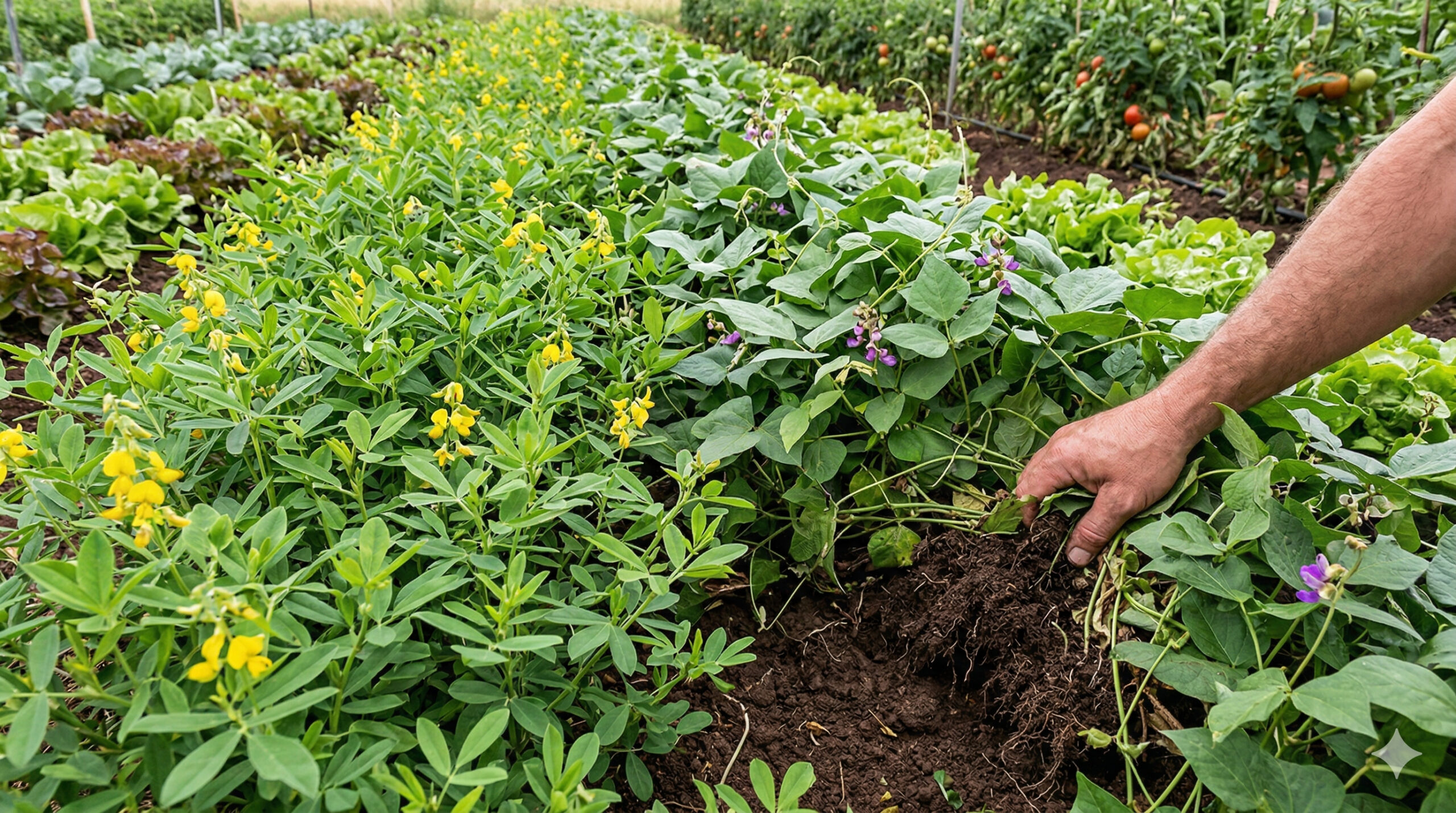
Crotalaria and mucuna transform the soil, increase fertility, and reduce fertilization costs in vegetable production.
In technical materials published by the Brazilian Agricultural Research Corporation (Embrapa), especially in guidelines from Embrapa Hortaliças and in a specific publication on green fertilization in vegetable cultivation, the role of cover crops has been emphasized as one of the most efficient tools in agricultural soil management. Species such as black mucuna (Mucuna spp.) and crotalaria (Crotalaria spp.), previously treated by many producers merely as secondary vegetation between crops, have come to be recognized as strategic components of what is called green fertilization. Embrapa Hortaliças itself lists black mucuna and Crotalaria juncea among the most used green fertilizers in organic vegetable systems, while the technical publication from Embrapa highlights that this practice brings significant benefits to crop management and soil quality.
The technique consists of the intentional cultivation of these plants with the aim of improving the physical, chemical, and biological conditions of the soil. According to Embrapa, this model has been gaining ground especially in vegetable systems, where nutritional demands are high and soil degradation can occur rapidly without proper management. In the case of legumes used as green fertilizers, the company highlights benefits such as nutrient cycling, soil cover, and improvements in attributes related to fertility and the biological balance of the cultivation environment.
Green fertilization with crotalaria and mucuna increases organic matter and soil structure
One of the most relevant effects of using these species is the increase in soil organic matter, a factor directly linked to fertility and productive stability. Crotalaria and mucuna exhibit rapid growth and high biomass production, allowing for the incorporation of large volumes of plant material after management.
-
Coruripe Mill secures international financing of R$ 530 million and boosts the sugar-energy sector.

-
The sugar-energy sector advances with agricultural technology, but agricultural productivity still raises concerns.

-
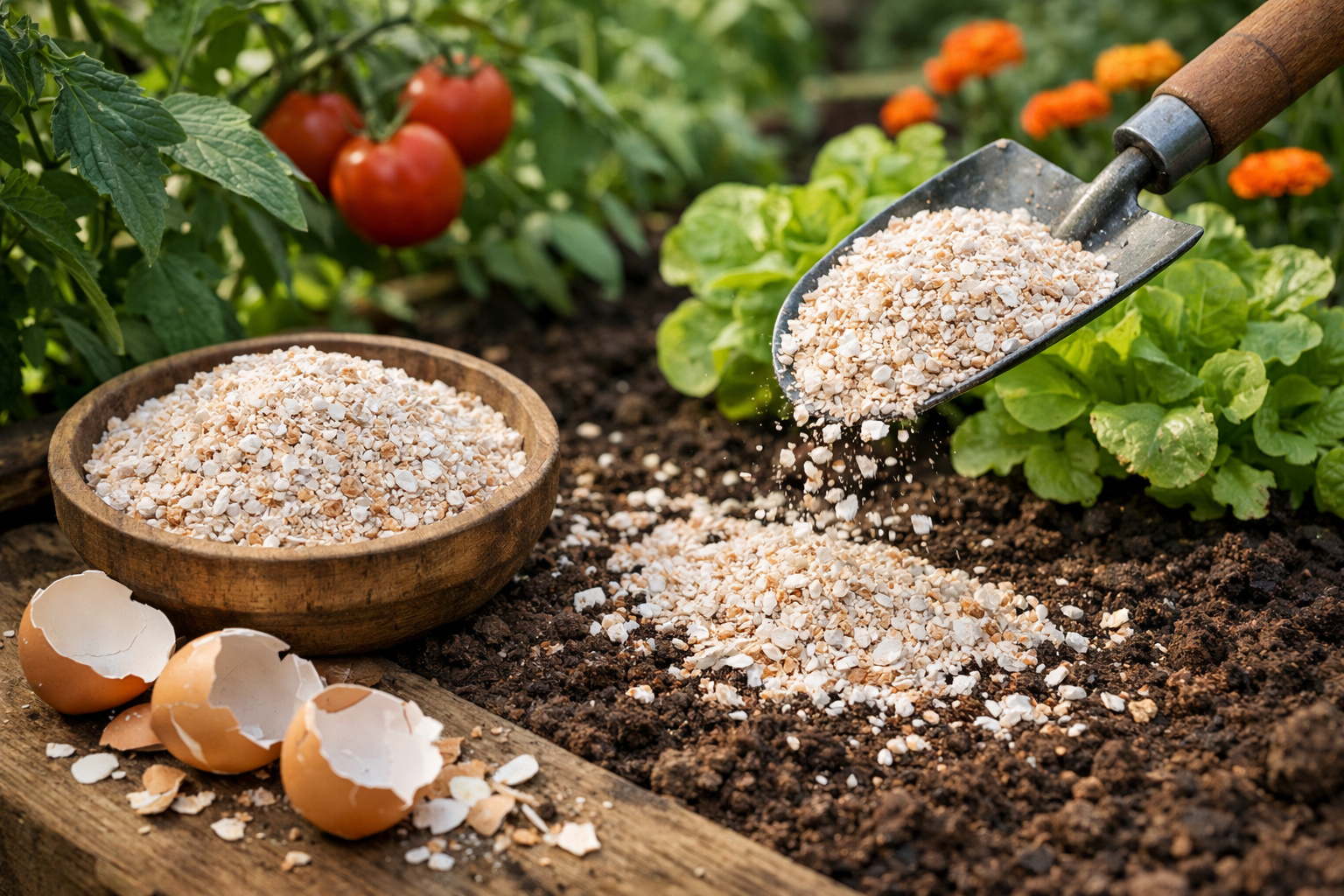
The eggshell that almost everyone throws away is made up of about 95% calcium carbonate and can help enrich the soil when crushed, slowly releasing nutrients and being reused in home gardens and vegetable patches.
-
This farm in the United States does not use sunlight, does not use soil, and produces 500 times more food per square meter than traditional agriculture: the secret lies in 42,000 LEDs, hydroponics, and a system that recycles even the heat from the lamps.




This continuous input of organic matter helps improve soil structure, making it more stable, less susceptible to compaction, and more efficient in water retention. The decomposition of this material also favors the formation of humus, essential for maintaining fertility throughout agricultural cycles.
Moreover, the presence of this organic matter creates a more favorable environment for microbial activity, which intensifies the natural processes of nutrient cycling.
Biological nitrogen fixation reduces fertilizer costs in horticulture
Another fundamental technical aspect of these plants is their ability to perform biological nitrogen fixation, a natural process conducted by bacteria associated with the roots of legumes. Crotalaria and mucuna stand out in this mechanism, as they can capture nitrogen present in the atmosphere and convert it into forms that are assimilable by plants.
In practice, this means that the soil begins to receive nitrogen naturally, reducing dependence on industrial nitrogen fertilizers. In vegetable systems, where the consumption of this nutrient is high, this factor represents a direct reduction in production costs.
Studies by Embrapa indicate that this contribution can be significant over the cycles, especially when green fertilization is continuously incorporated into the production system.
Vegetative cover with mucuna and crotalaria reduces weeds and protects the soil
The formation of a dense vegetative cover is another important effect provided by these species. During growth, crotalaria and mucuna quickly occupy space, hindering the development of weeds through direct competition for light, water, and nutrients.
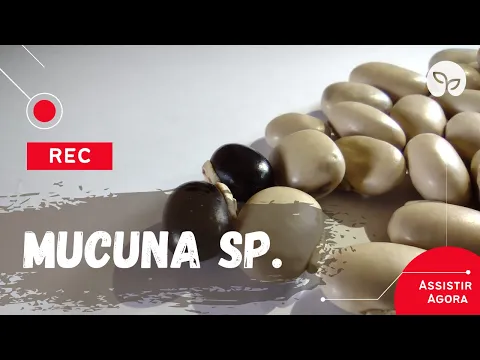
After management, the biomass remains on the soil forming what is called mulch, which acts as a physical barrier against the germination of invaders. This effect reduces the need for mechanical or chemical interventions, making the system more efficient and less dependent on external inputs.
In addition to controlling unwanted plants, this layer protects the soil from the direct impact of rain, reduces erosion, and helps maintain moisture, critical factors in regions with more intense climatic variations.
Crotalaria stands out in the control of nematodes in agricultural soil
Among the species used in green fertilization, crotalaria has a widely studied differential: its ability to assist in the management of plant-parasitic nematodes, organisms that attack the roots and compromise the development of crops.

According to research from Embrapa, certain varieties of crotalaria do not allow the multiplication of these organisms, functioning as a kind of “biological trap”. With continuous use, there is a reduction in the population of nematodes in the soil, which directly impacts the productivity of sensitive crops such as tomatoes, carrots, and lettuce.
This effect makes crotalaria a relevant tool within integrated management strategies, especially in systems that seek to reduce the use of chemical products.
High biomass production strengthens mulch and reduces soil evaporation
The amount of biomass produced by mucuna and crotalaria in a few months is one of the factors that stands out in agronomic studies. After cutting, this material remains on the soil and creates an efficient protective layer.
This cover directly acts on moisture conservation, reducing evaporation and keeping the soil in more stable conditions, even during dry periods. At the same time, it helps regulate soil temperature and creates a more balanced environment for root development.
This set of effects contributes to increasing the resilience of the production system, especially in scenarios of climatic irregularity.
Crop rotation with cover crops improves productivity over time
The introduction of these species in crop rotation systems is one of the most recommended strategies by agricultural research institutions. By alternating commercial crops with cover plants, the producer can recover the soil between productive cycles and reduce the pressure from pests and diseases.
In the case of vegetables, this practice has a direct impact on productivity, as it improves soil conditions before the next planting. The diversification of the system also contributes to biological balance and more efficient use of available nutrients.
According to Embrapa, rotation with green fertilization is one of the foundations for more sustainable and economically viable agricultural systems.
Use is growing in Brazilian agriculture with a focus on cost reduction and soil improvement
The adoption of crotalaria, mucuna, and other cover plants has been growing in Brazil, driven by the search for more efficient systems that are less dependent on external inputs. Although widely used in organic farming, the technique has also been incorporated by conventional producers.
The results observed in the field show that the practice helps reduce costs with fertilizers, improve soil quality, and increase production stability over time.
This advancement reflects a gradual change in the way soil is treated, moving from being merely a physical support to being seen as a living system that needs to be managed in an integrated manner.
Do you already use crotalaria, mucuna, or other cover plants in your production?
Green fertilization is gaining ground in the field, but still raises questions about management, species selection, and practical results in different regions. If you already use these plants or intend to test the technique on your property, share your experience or questions in the comments.







Seja o primeiro a reagir!