





 Portuguese
  English
  Spanish
  5 min of reading
  7 comments


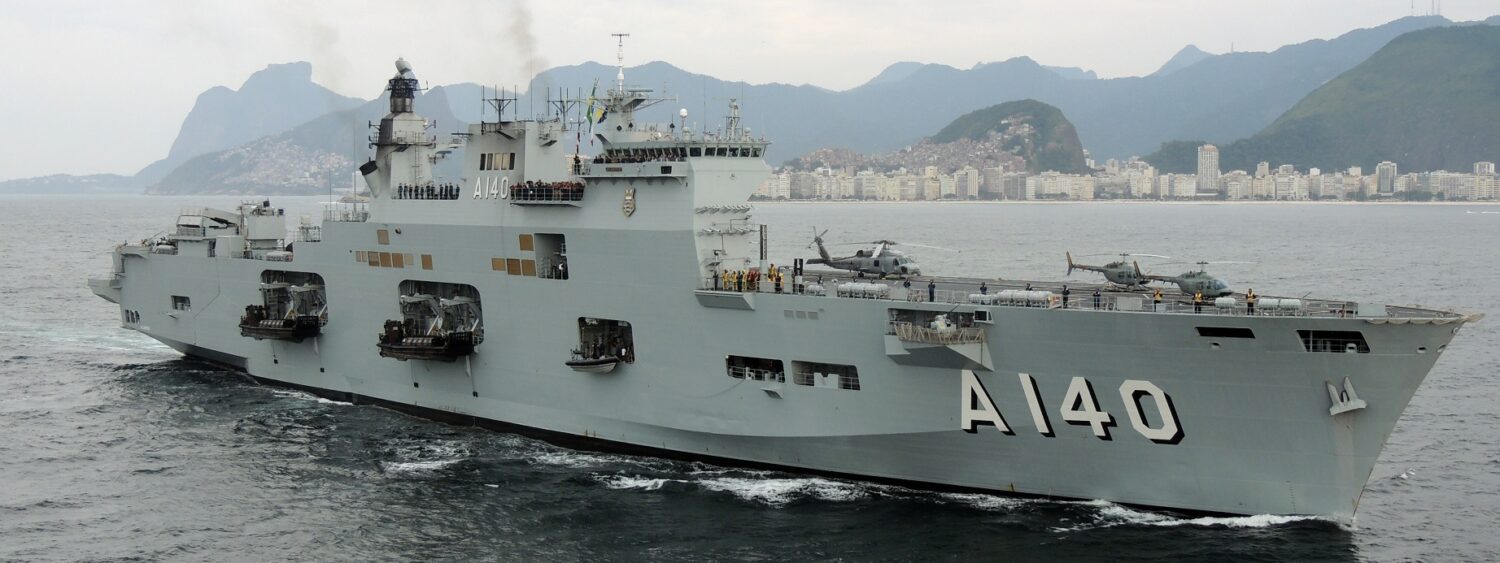


Cruisers Of The Ticonderoga Class: Meet The US Navy Ships Equipped With The Aegis System, Advanced Radar, And Dozens Of Missiles For Aircraft Carrier Defense.
During the last decades of the 20th century and the early 21st century, few warships have exercised as great an influence on naval strategy as the Ticonderoga-class cruisers. Designed during the height of the Cold War, these ships were conceived to confront increasingly sophisticated aerial threats, such as bombers, anti-ship missiles, and even ballistic weapons. By combining advanced sensors, long-range radar, and an impressive arsenal of missiles, the Ticonderoga cruisers have become central pieces of the US Navy’s combat fleets. In many cases, they serve as command ships responsible for the air defense of aircraft carrier groups, protecting some of the most valuable vessels in American military power.
More than just simple escort ships, these cruisers were designed to function as true naval battle control centers.
Origin Of The Ticonderoga Class Cruisers In The Cold War
The development of the Ticonderoga class began in the late 1970s, during a period marked by intense military competition between the United States and the Soviet Union.
-
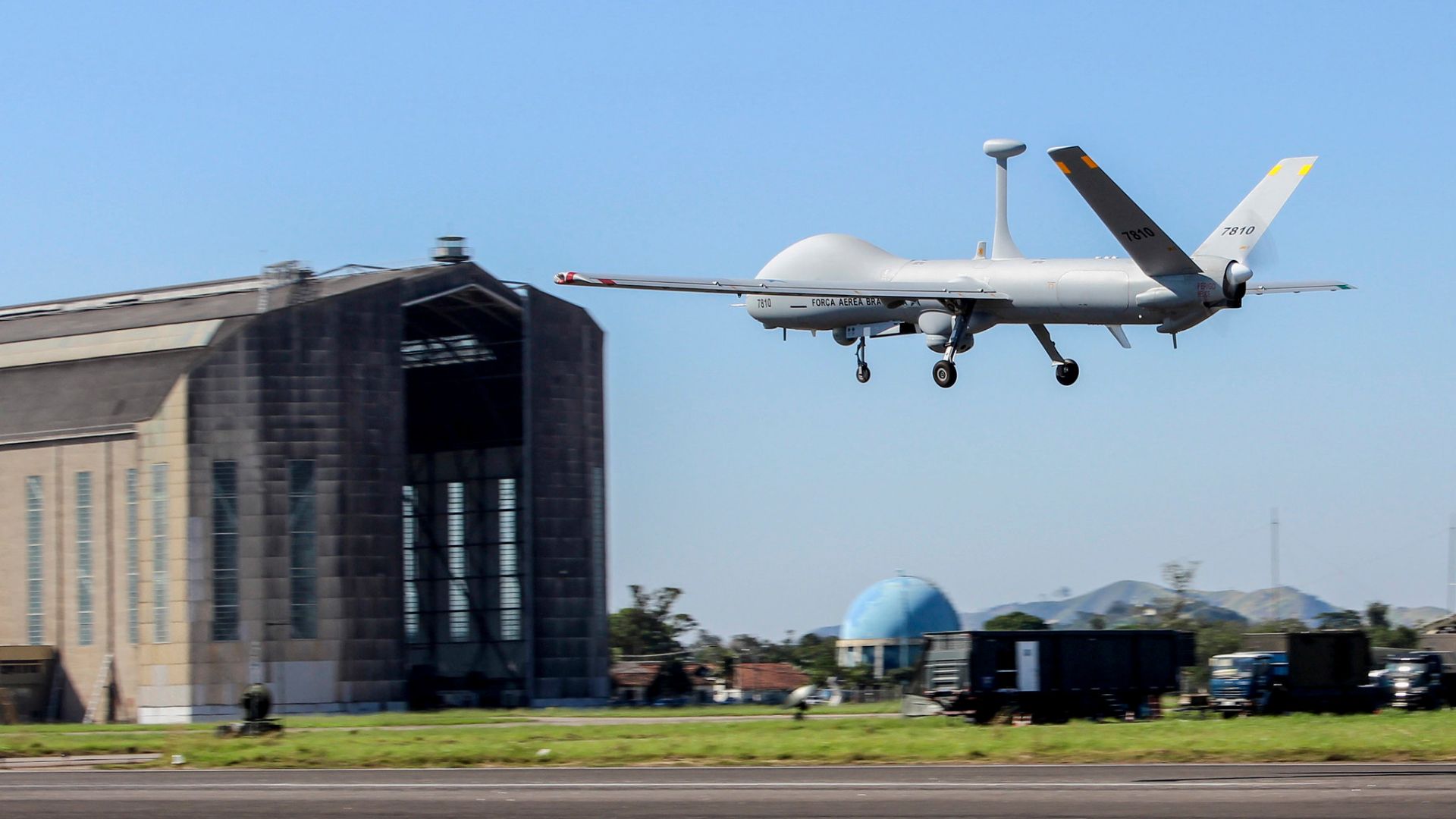
FAB loses Hermes 900 drone during multinational exercise in Mato Grosso do Sul and is left with only one active aircraft, raising concerns about operational fragility and strategic response capability.
-
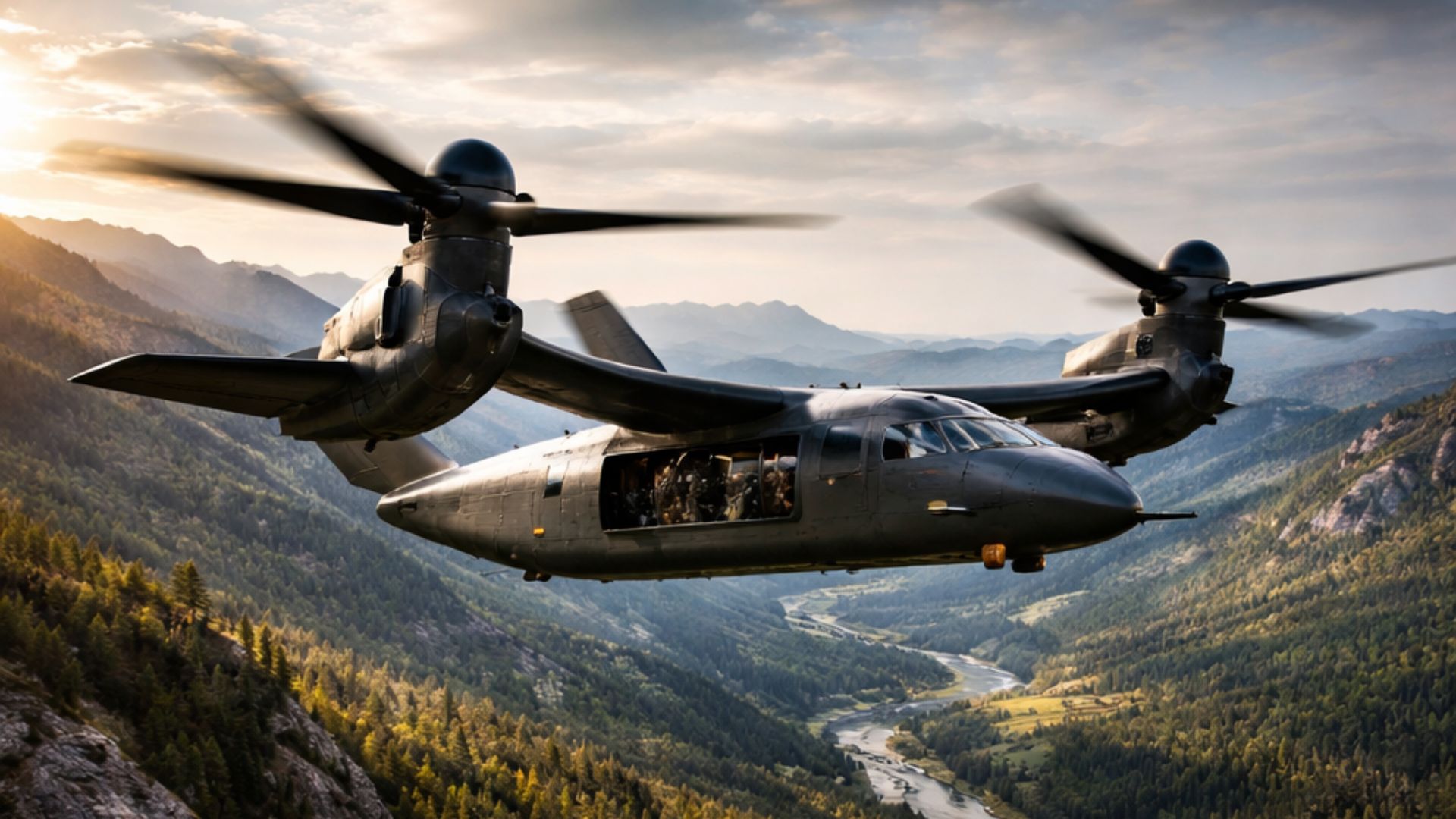
The U.S. Army bets on the multifunctional MV 75 aircraft with cutting-edge technology that promises to revolutionize modern warfare by combining extreme speed, greater range, and unprecedented operational efficiency.
-
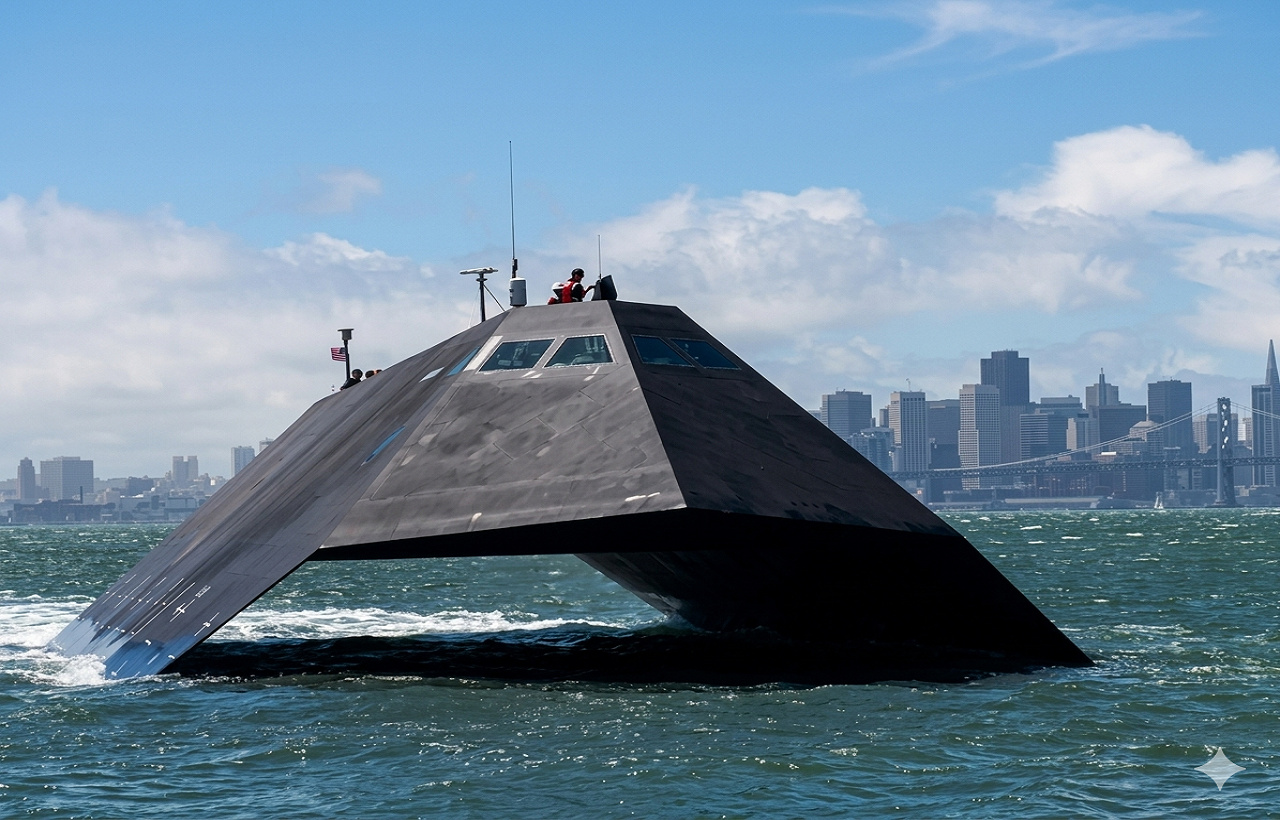
Built in secret inside a barge with a satellite-proof roof, the 49-meter, 560-ton ship with stealth technology deflected radar waves like an F-117 fighter, sailed invisibly for nearly 10 years at night, and, despite costing 170 million dollars, ended up being dismantled and sold as scrap for only 2.5 million.
-
North Korea tests intercontinental range rocket with a 2,500 kN solid fuel engine supervised by Kim Jong Un and advances in a five-year strategic plan.

At that time, military analysts feared that large formations of Soviet bombers equipped with anti-ship missiles could attack American aircraft carrier groups. To face this scenario, the US Navy decided to create a ship capable of detecting and intercepting aerial threats at great distances.
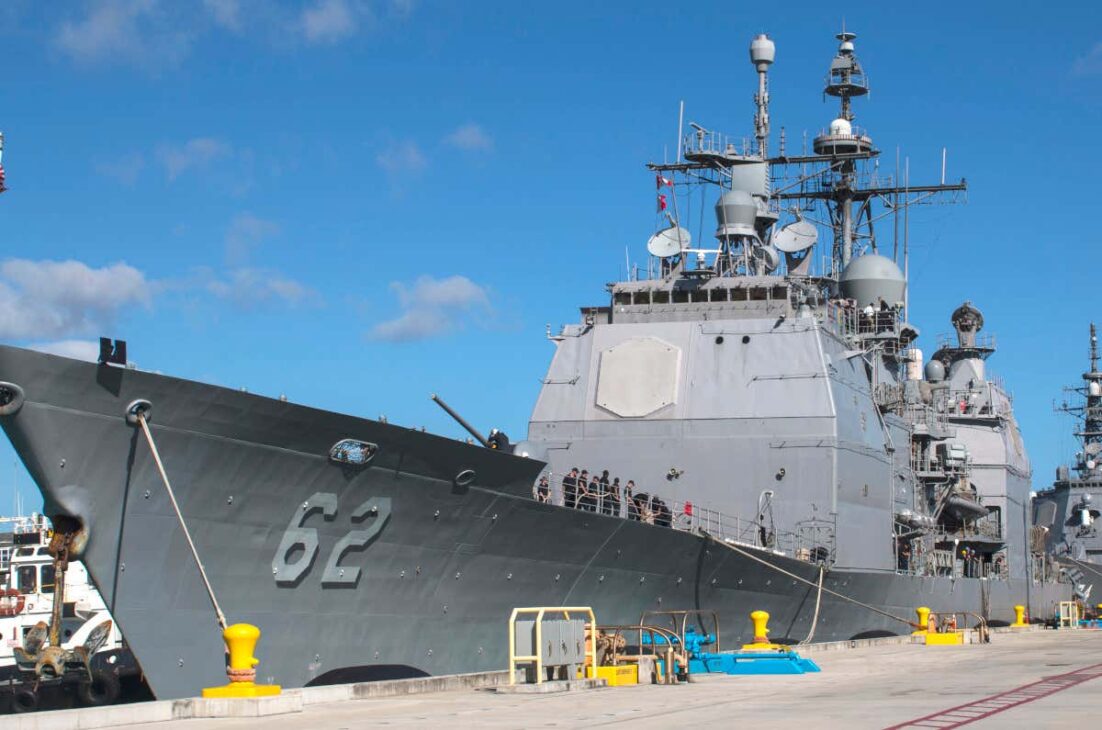
The solution found was to integrate a revolutionary radar system into a relatively large and heavily armed warship. The result was the first cruiser equipped with the Aegis combat system, a technology that would forever change naval warfare. The first ship of the class, the USS Ticonderoga (CG-47), was commissioned in 1983.
The Aegis System That Transformed Naval Defense
The heart of the Ticonderoga cruisers is the Aegis combat system, developed to coordinate sensors, radars, and weapons in real time.
This system utilizes a powerful multifunction radar known as AN/SPY-1, capable of simultaneously monitoring hundreds of aerial targets. Among the system’s capabilities are:
- tracking aircraft and missiles at greater distances
- automatically calculating intercept trajectories
- coordinating defensive missile launches
- integrating information with other ships and aircraft
Thanks to this system, the cruisers can act as command centers in complex naval operations. The ability to detect and respond quickly to threats has transformed the Ticonderoga into pillars of modern naval air defense.
The 122 Missile Cells That Form A Floating Arsenal
One of the most impressive features of these cruisers is the enormous number of missiles they can carry. More modern ships of the class utilize the Mk 41 vertical launch system, consisting of 122 launch cells.

Each cell can store different types of missiles, depending on the mission. Among the armaments used are:
- anti-aircraft missiles SM-2 and SM-6
- anti-missile interceptors SM-3
- land attack missiles Tomahawk
- anti-submarine missiles ASROC
This flexibility allows the ship to perform multiple functions simultaneously, from air defense to long-range attacks against land targets.
With this arsenal, a single cruiser can perform functions that previously required multiple different ships.
Structure And Dimensions Of The Ship
The Ticonderoga-class cruisers are relatively large vessels within the combat escort category. Their main features include:
- approximate displacement of 9,800 tons
- length of about 173 meters
- width of approximately 16.8 meters
The propulsion is provided by gas turbines, which allow speeds of over 30 knots, equivalent to more than 55 km/h at sea. In addition to the missile systems, the ship also includes:
- 127 mm naval gun
- short-range automated defense systems
- anti-submarine torpedoes
- embarked helicopters for surveillance and anti-submarine missions
These features make the cruiser an extremely versatile platform in naval operations.
The Role Of The Ticonderoga In Aircraft Carrier Protection
One of the main roles of these ships is to protect battle groups led by aircraft carriers. Aircraft carriers are extremely valuable strategic platforms capable of projecting air power in virtually any region of the planet. For this reason, they need a protective network against aerial and submarine threats.
In this context, the Ticonderoga cruisers frequently act as the air defense commanders of the fleet. They monitor the airspace around the battle group and coordinate interceptions against potential threats.
This strategic role ensures that the cruisers are considered one of the most important pieces within a modern naval force.
Participation In Real Military Operations
Since their entry into service in the 1980s, the Ticonderoga-class cruisers have participated in various military operations. They have been present in conflicts and missions such as:
- Gulf War
- operations in the Middle East
- patrols in the Pacific
- anti-missile defense missions
During these operations, the ships demonstrated their ability to integrate sensors, weapons, and communication systems in complex combat environments.
The use of Tomahawk missiles launched from these cruisers also showcased the class’s potential for precision strikes at long distances.
The Evolution Of Modern Naval Warfare
The Ticonderoga-class cruisers represent an important transition in the history of naval warfare. Before them, warships relied on more limited radars and weapon systems, with lesser integration between sensors and armaments.
The introduction of the Aegis system allowed for the creation of defense networks capable of quickly reacting to modern threats, including coordinated attacks from multiple missiles.
This technological evolution has directly influenced the development of new warships in various navies around the world. Many modern destroyers utilize systems inspired by the same concept developed for the Ticonderoga.
One Of The Symbols Of American Naval Power
Although some ships of the class are gradually being retired, the Ticonderoga cruisers remain one of the most important elements of the US Navy.
For decades, these vessels have served as floating command centers capable of coordinating air, naval, and anti-missile defense operations.
The enormous arsenal of missiles, combined with advanced sensors, has led these ships to be frequently described as true floating arsenals.
Today, even with the advancement of new technologies and classes of ships, the legacy of the Ticonderoga remains evident.
They have helped define the modern standard of naval combat and continue to serve as an example of how technological integration can completely transform the power of a military fleet.


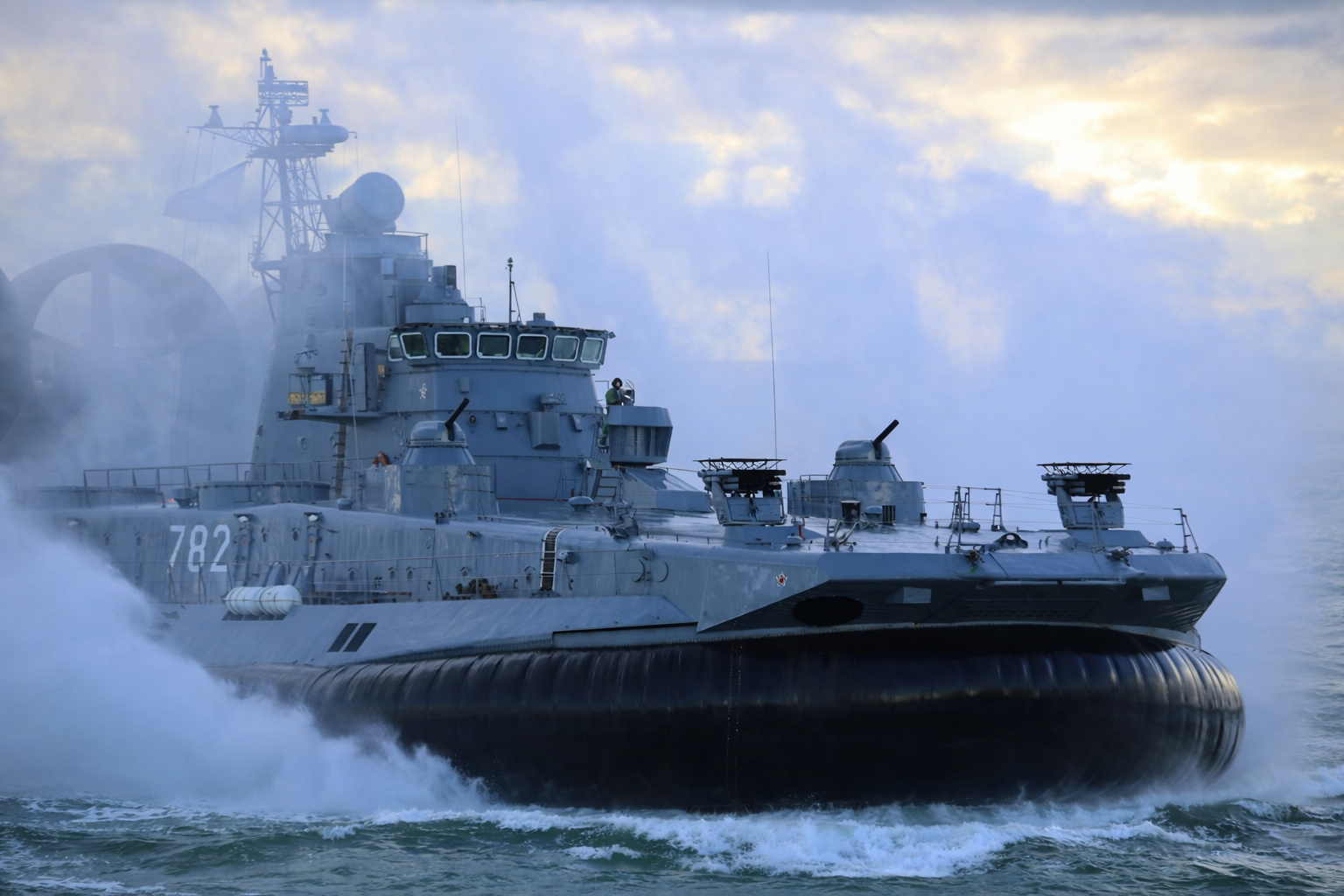






Essa foto não é de um Ticonderoga. E do porta helicóptero brasileiro Atlântico. Erro lamentável.
Muito interessante e boa informação
Cuando lleguen los hipersonicos de IRAN LOS VERAN LLEGAR PERO NO LOS PARARAN HAY QUIERO VER A LOS INVENCIBLES DE PAPEL.