Portuguese
  Spanish


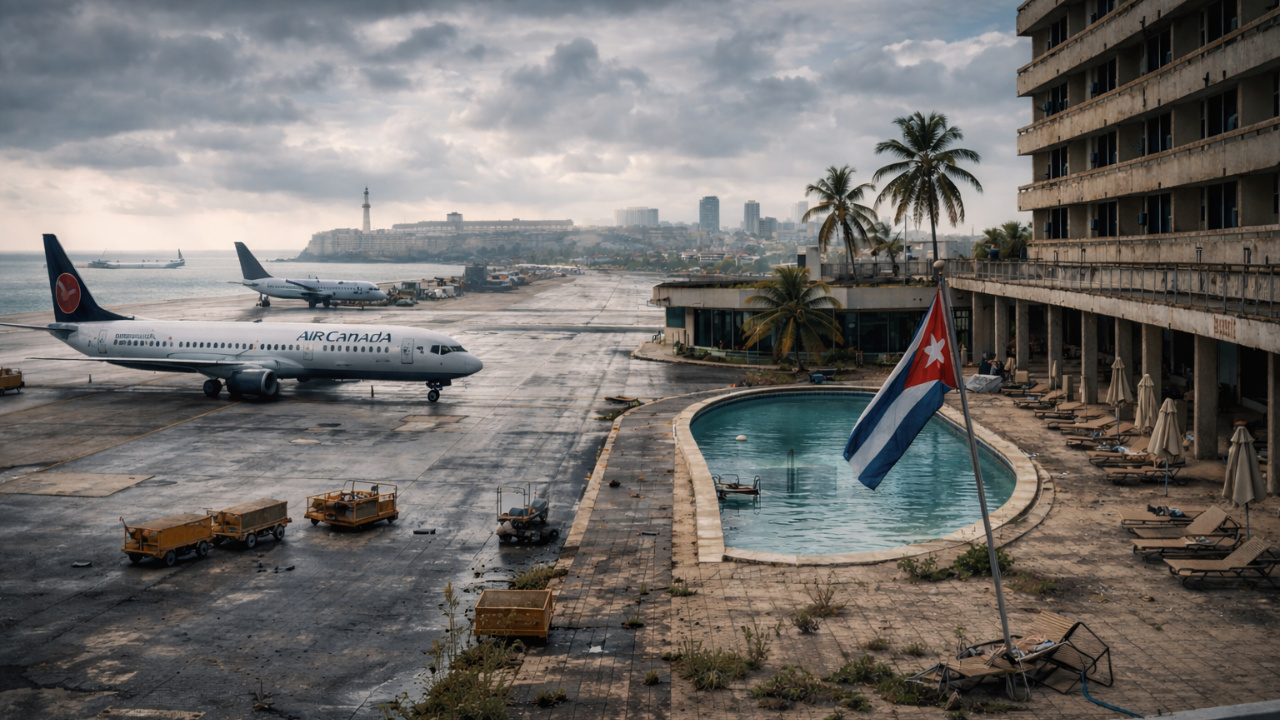

Fuel Shortage Due to US Oil Embargo Results in Flight Cancellations, Hotels Closed and Devastating Impact on Cuban Tourism During Peak Season.
Cuba is facing an unprecedented energy crisis that is paralyzing one of the country’s main sources of revenue: oil.
The lack of aviation and transportation fuel has reached a critical point after the blockade imposed by the United States, causing airlines to suspend flights to the island and hotels to begin closing.
The shortage directly impacts the tourism sector, which accounts for billions of dollars in annual revenue. The crisis occurs amid American pressure on oil suppliers, leading to cutbacks in shipments from Venezuela and further complicating Cuban logistics.
-
OPEC+ Boosts Oil Supply by 188,000 Barrels per Day in July 2026, Leading to Price Drop from $112 to $89 per Barrel in Under Two Months

-
TotalEnergies Signs 20-Year Deal to Purchase 2 Million Tons of LNG from Alaska, Boosting Project Viability
-
Turkey Deploys Çağrı Bey Drilling Ship to Explore New Oil Frontier Off Somalia’s Coast
-
Golden Pass LNG Ships First Liquefied Gas Cargo from the U.S., Completing $10 Billion QatarEnergy and ExxonMobil Investment




Canceled Flights and Routes Interrupted Due to Fuel Shortage
The crisis began with a shortage of aviation fuel, which made it impossible to refuel aircraft at Cuban airports such as Havana, Varadero, and Cayo Coco.
Aviation authorities announced that refueling was suspended for at least a month, forcing companies like Air Canada to cancel flights and repatriate passengers.

Without aviation fuel, there is no way to operate regular flights. Many companies are reallocating aircraft or requiring technical stops in neighboring countries to refuel. For Cuba, this means fewer tourists arriving and less revenue coming in.
Tourism Collapses During Peak Season
The impact on tourism is felt immediately. Cuba experienced years of growth in the sector, with over 1.8 million visitors in 2025, despite a decline compared to previous years.
Now, during the peak winter season in the Northern Hemisphere, numbers are plummeting as flights are canceled and tourists are anticipating their departures.
Major hotel chains like NH have closed all their establishments in the country. Meliá, the largest Spanish franchise in Cuba, announced the closure of three of its 30 hotels.
The worrying scenario reflects the pressure that the fuel shortage imposes on the hospitality sector, which directly depends on foreign visitors.
Economy at Risk with Oil Embargo
The oil blockade imposed by the US not only limits the supply of fuels but also triggers a chain reaction in the economy. Cuba relies on oil imports for cars, boats, and generators that power its infrastructure.
With cutbacks in Venezuelan shipments and pressure on other potential suppliers, reserves are rapidly depleting.
Without fuel, there is not enough energy to provide basic public services, operate transport, or sustain the tourism industry.
Supply lines are under heavy stress, leading allied countries like Russia to consider sending oil aid in the form of humanitarian fuel — in a diplomatic confrontation with Washington.
Repercussions Beyond Cuban Borders
Flight interruptions and economic instability trigger international alerts. Tourism offices in European countries have recommended that travelers avoid Cuba due to the instability of services like electricity, transportation, and supply.
The chaotic situation on the island is educating tourists and operators to be cautious when planning vacations in the Caribbean.
Furthermore, even tourists who have arrived on the island are facing difficulties returning, and in some cases, governments are organizing evacuation flights for their citizens.
The combination of sanctions, flight cancellations, and the fuel crisis deepens the uncertainty about the immediate future of the Cuban economy.
Do you think the oil embargo that is paralyzing tourism in Cuba could permanently transform the island’s economy, or will it be reversed by international pressures?