





 Portuguese
  English
  Spanish
  4 min of reading
  1 comment




Studies Indicate That Gas Stoves May Be More Dangerous Than Imagined. Learn How Frequent Use Can Affect Your Health And The Best Practices To Avoid Risks!
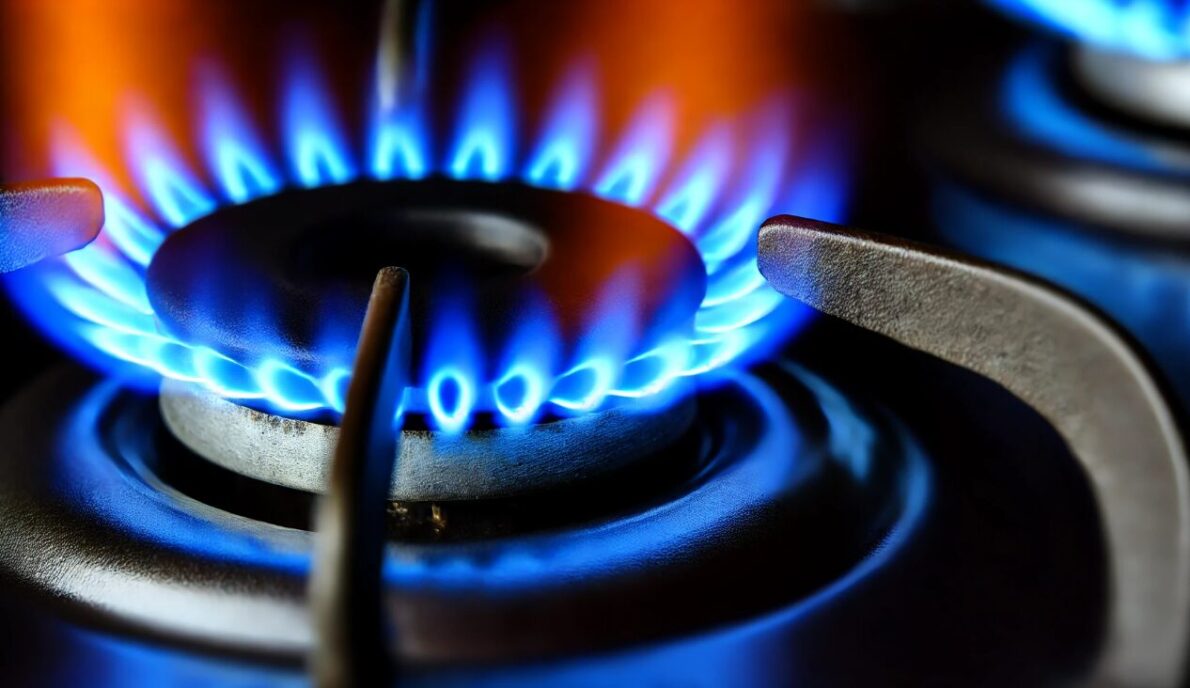
The gas stove, present in most households, is increasingly being identified as a villain for public health. A recent study by Spanish researchers revealed alarming data: gas stoves emit nitrogen dioxide (NO₂) and other pollutants that contribute to approximately 40,000 premature deaths per year in the European Union (EU) and the United Kingdom (UK).
Is The Gas Stove A Risk To Health?
Conducted by Jaume I University and the University of Valencia, the study estimates that constant use of gas stoves can reduce the average life expectancy of its users by nearly two years. These appliances are comparable to vehicle exhaust gases and secondhand smoke in terms of health risk.
In the 1970s, scientists had already identified high levels of NO₂ in kitchens with gas stoves. With the advancement of research, it was discovered that this pollutant is generated directly within our kitchens, a fact that had been ignored in favor of studies focused on external pollution.
-
Sleeping at different times each day can be a bomb for your heart and even double your risk of having a heart attack.

-
Without help and without heavy machinery, a woman builds a house from scratch with stone, wood, and cement, erects a chimney, creates a complete leisure area, and transforms an empty lot into her dream home.

-
Couple transforms abandoned house after years of being closed; residence was overgrown with weeds, had a green pool, and a deteriorated structure in the interior of Rio de Janeiro.

-
Hidden marks on the walls of the site associated with the Last Supper of Jesus for centuries have been deciphered in Jerusalem, revealing medieval inscriptions left by pilgrims, European nobles, and travelers from the Middle East.


The researchers concluded that, especially in homes with inadequate ventilation, the NO₂ levels from gas stoves can exceed the safe limits set by the World Health Organization (WHO).
The research analyzed households in European countries where gas stove usage is common, such as Italy, the Netherlands, and the United Kingdom. By comparing indoor NO₂ levels with external pollution data, the research team estimated the impact of emissions on health.
Alarming Result: Every year, gas stoves contribute to about 36,031 premature deaths in the EU and 3,928 in the UK.
Why Do We Ignore Indoor Pollution?
When we think of pollution, we usually associate the image with large factories, cars, or even cigarettes. However, indoor pollution is a growing problem. With improved insulation in modern constructions, air has less circulation, trapping pollutants in indoor environments.
Thus, in homes that use gas stoves, nitrogen dioxide levels can reach harmful concentrations quickly, especially in poorly ventilated kitchens.
It is estimated that more than one third of households in Europe use gas stoves. In countries like the United Kingdom, the Netherlands, and Romania, more than 50% of families rely on this type of appliance for cooking. In comparison, the European Union sets strict standards for outdoor air quality, but there are still no similar regulations for indoor air quality in homes.
This lack of regulation represents a greater risk for vulnerable groups, such as children and people with respiratory issues.
How Can We Reduce These Gas Stove Risks?
For families concerned about the risks associated with gas stoves, transitioning to electric stoves is one of the most direct solutions. Studies show that electric and induction stoves do not produce NO₂, benzene, or carbon monoxide, making them much safer.
Juana Maria Delgado-Saborit, the lead author of the study, comments that she is making this change in her own home, highlighting the benefits for health and the environment.
However, this switch is not simple for many families. Installing electric stoves requires adequate electrical infrastructure, which can be costly. This brings forth the need for subsidy policies to help low-income families with this transition.
Some countries in the European Union are already discussing new regulations to reduce emissions from gas stoves, potentially even suggesting the gradual phasing out of these appliances in favor of safer alternatives.
Short-Term Measures To Minimize Risks
If replacing gas stoves with electric ones is not immediately possible, some measures can help reduce the impacts of gas stoves:
- Ventilation: Use exhaust fans or ventilators while cooking and keep windows open for air circulation.
- Regular Maintenance: Performing regular maintenance on gas appliances can help minimize leaks.
These practices, while not eliminating pollutants, help reduce NO₂ concentrations in kitchens.
A Global Issue
Concern about NO₂ pollution is not limited to Europe. In the United States, a similar study revealed that gas stoves contribute to nearly 19,000 deaths per year. With about 35% of American households using this type of stove, some cities, such as New York and Berkeley, have already taken measures to ban gas connections in new buildings, encouraging the use of electric stoves.
However, in the U.S., this issue is quite politicized, with the Republican party generally opposing such changes.
In other regions, such as parts of Asia and Africa, gas pollution and other fuels in enclosed spaces continue to be a major public health problem, contributing to high rates of respiratory illnesses.
Economic Benefits And Public Health
Replacing gas stoves with electric ones would not only bring improvements to individual health, but also economic benefits for society. Reducing NO₂ levels in indoor environments would alleviate the burden on public health systems, decreasing cases of respiratory and cardiovascular diseases, especially in densely populated urban areas.
Important Tip: If you cannot replace your gas stove now, invest in adequate ventilation and avoid staying in the kitchen while the stove is in use.









Gostaria de saber se o gás afeta comidas assadas no forno?