





 Portuguese
  English
  Spanish
  5 min of reading
  0 comments


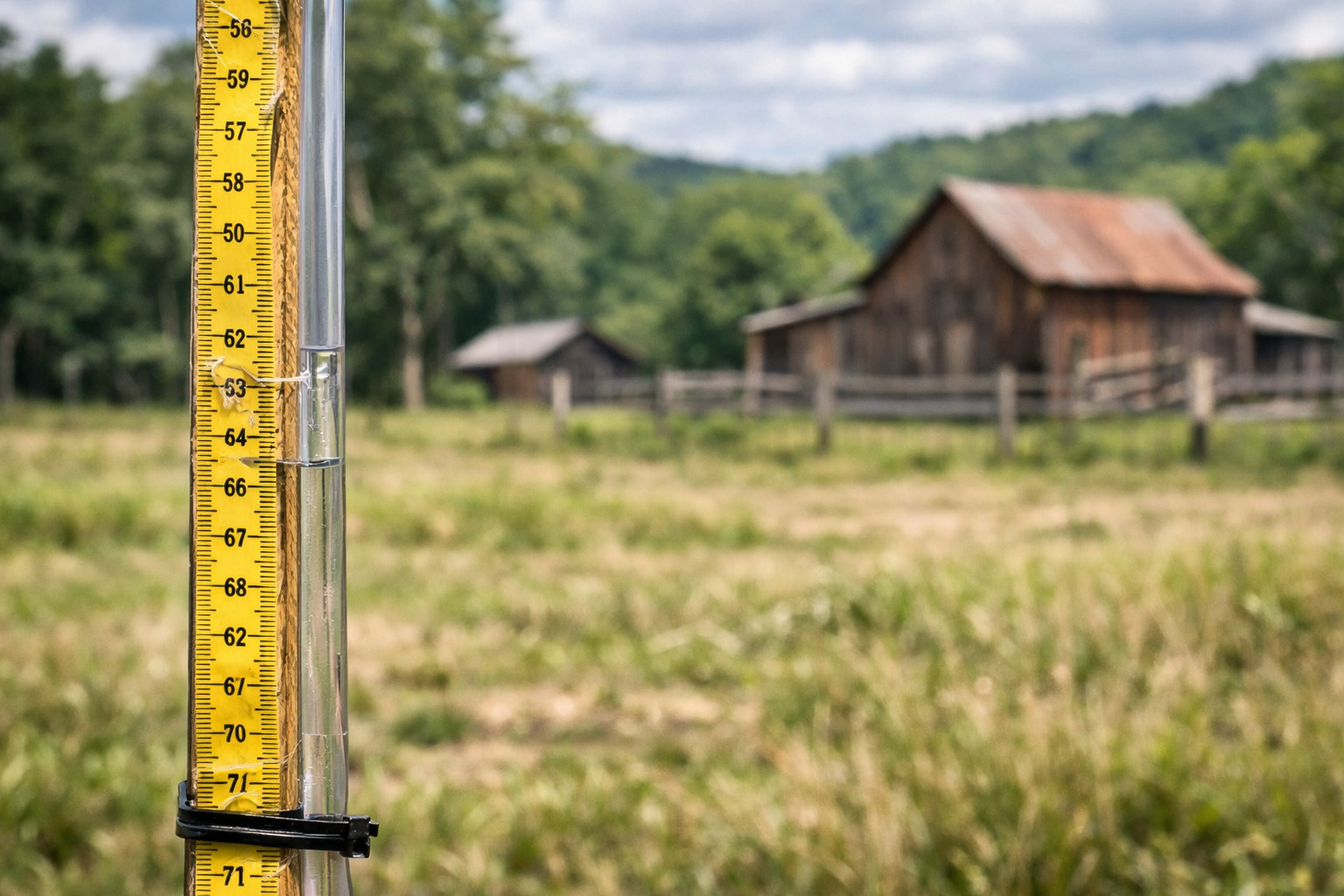
Level Curvature Technique Made With Hose Level Helps Farmers Reduce Erosion, Retain Rainwater in the Soil, and Improve Crop Productivity.
Soil erosion caused by rainwater is one of the biggest challenges faced by agriculture in sloped regions. When rain falls on sloping land, the water tends to run off quickly, carrying soil particles, nutrients, and organic matter. This process can degrade the land over the years, reducing fertility and compromising crop productivity.
To tackle this problem, farmers from various regions have started using a simple and efficient technique known as contour plowing, a soil conservation method that can be executed with basic tools and without the need for agricultural machinery.
Planting on Contours: Simple Technique That Reduces Erosion and Conserves Soil
The technique consists of marking horizontal lines on the land following exactly the same altitude level, creating small natural barriers that reduce the speed of rainwater. In many rural properties, these lines are marked with the help of a simple instrument known as a hose level, which allows identifying points of the same height on the land.
-
Rain gains strength in April, potentially exceeding 150 mm, placing the North, Northeast, and the coasts of the South and Southeast at the center of the heaviest forecast of the week.

-
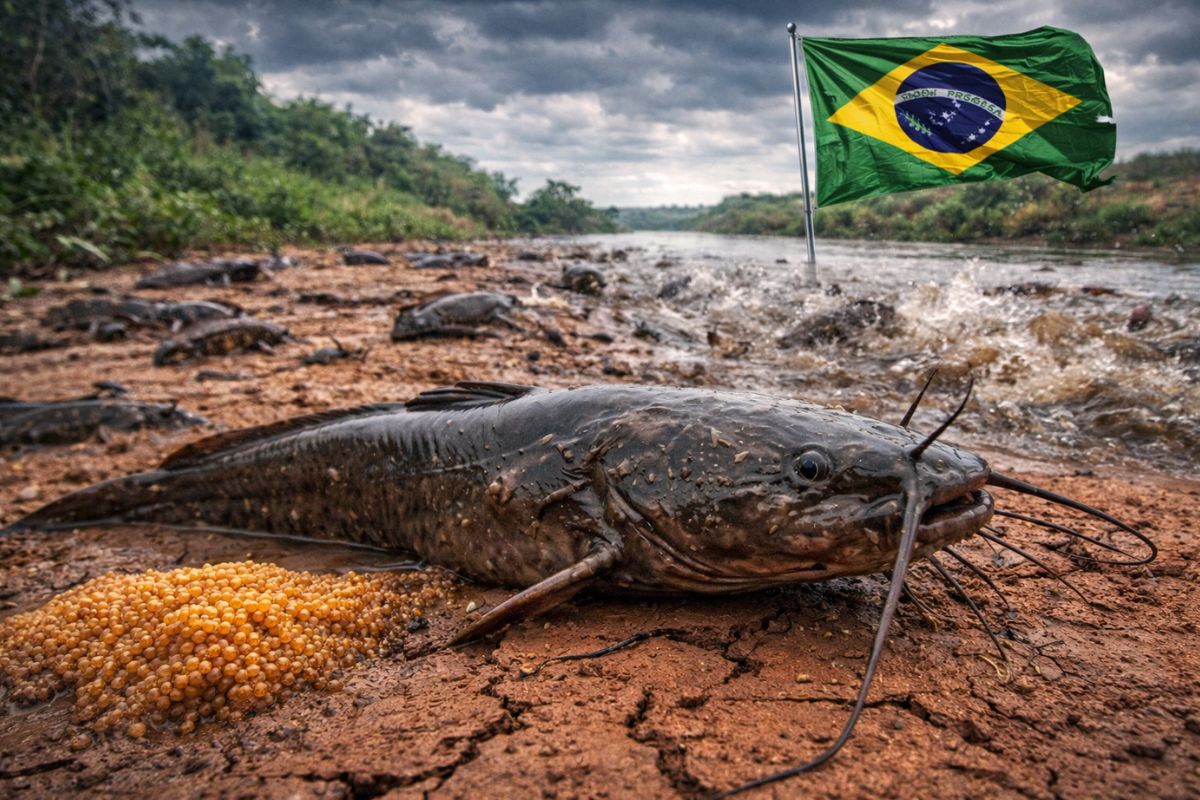
A fish that survives out of water, crawls on land until it finds another river, and whose female lays 80,000 eggs at once is infesting rivers and lakes in Brazil, and no one can stop this invasion.
-
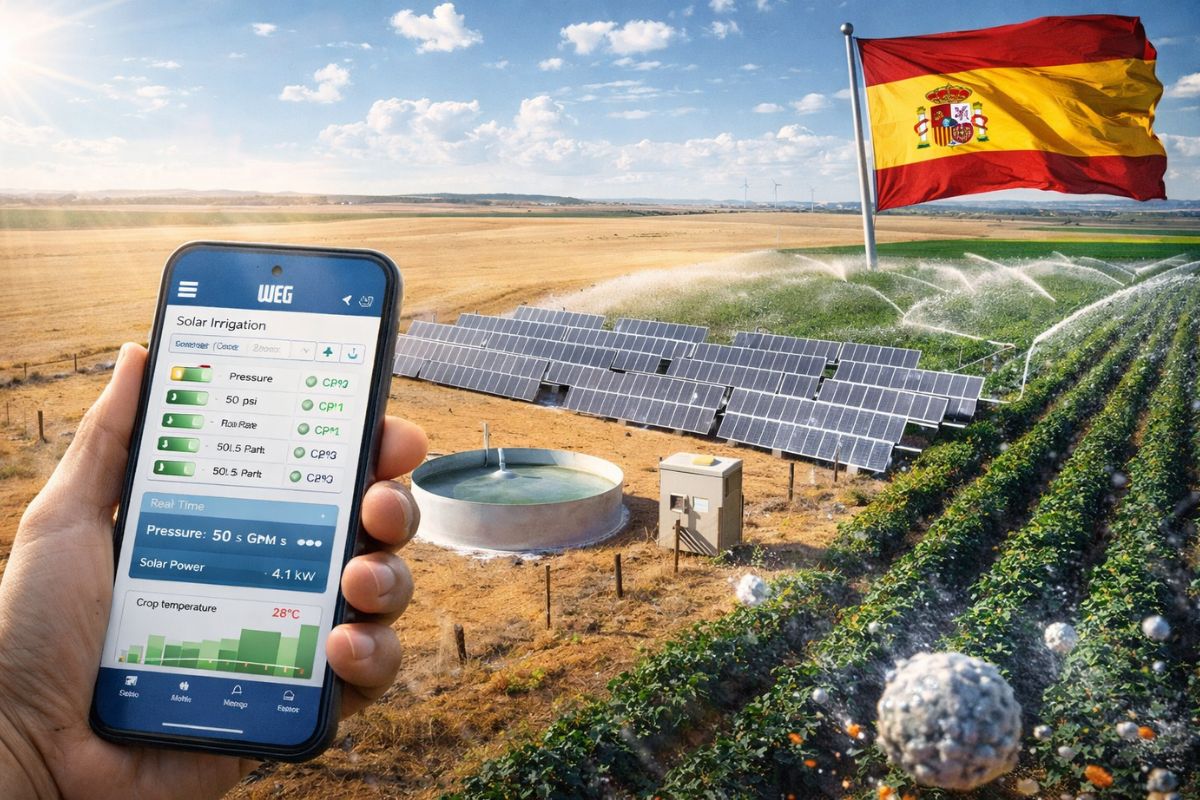
WEG took its technology to Spain to create a solar irrigation system that operates independently without needing an electrical grid, and now farmers control everything remotely via their mobile phones.
-
The US faces a meat crisis with fires, pests, and strikes, consumption rises and supply falls to the lowest level since 1952, creating a billion-dollar opportunity for Brazilian exports to grow in 2026.



According to studies from Embrapa and agricultural research institutions, contour planting can significantly reduce erosion, increase water infiltration in the soil, and improve cultivation conditions in sloped areas. This technique is considered one of the most effective soil conservation strategies used in agriculture.
What Are Contours in Agriculture
Contours are imaginary lines drawn on the land that connect points with exactly the same altitude. When these lines are followed during soil preparation or planting, the rows of crops begin to follow the natural topography of the land.
This creates a series of small natural barriers that hinder rainwater runoff. Instead of quickly descending down the land, the water moves more slowly, which favors infiltration into the soil. According to soil conservation experts, this technique helps to:
- reduce the speed of surface runoff
- increase water absorption in the soil
- decrease nutrient loss
- prevent the formation of furrows and gullies
The result is a more stable soil with greater capacity to store water.
How Hose Level Works
One of the most accessible ways to mark contours is by using the hose level, a simple instrument that can be assembled with common materials. This method uses the principle that water always remains at the same level in connected containers. The system typically consists of a transparent hose, two containers or tubes at the ends, and water inside the hose.
When two people hold the ends of the hose at different points on the land, the water level indicates whether those points are at the same height. If the water level coincides at both ends, it means that the points are at the same topographic level.

With this method, farmers can mark horizontal lines on the land that will serve as references for planting or opening small drainage furrows. This process allows for precise mapping of the land without the need for expensive equipment.
How Contours Are Made on the Land
After identifying points of the same level, farmers can mark these lines using stakes, ropes, or small furrows in the soil. From these markings, soil preparation begins to follow these horizontal lines. Depending on the crop and the conditions of the land, farmers may:
- open shallow furrows along the lines
- form small terraces
- plant directly along the contours
These structures act as small natural barriers that help reduce the force of water during heavy rains. With the decrease in runoff speed, the water has more time to penetrate the soil. This process improves moisture retention and reduces the loss of fertile soil.
Benefits for the Soil and Crops
The application of contour farming brings various benefits to agriculture. One of the main advantages is the reduction of erosion. In sloped areas, erosion can remove large amounts of soil over time, taking essential nutrients away from plants.
With the use of contours, the soil remains more stable. Another important benefit is the increase in water infiltration. When rainwater penetrates the soil instead of running off the surface, it remains available for a longer period for plants.

This can help mitigate the effects of drought periods. Furthermore, the technique contributes to soil fertility conservation, improvement of land structure, and increased agricultural productivity. In many rural properties, the use of contour farming is considered a fundamental practice for sustainable land management.
Application in Different Types of Crops
Contours can be used in various agricultural systems. Among the crops where the technique is most common are corn, beans, coffee, sugarcane, and vegetables. In mechanized farming, contours can also be implemented using tractors equipped with topographic measurement systems.
However, in small rural properties, the use of hose level remains a simple and efficient alternative. This allows farmers to adopt soil conservation practices even with limited technological resources.
Technique Recognized by Agricultural Research
Agricultural research institutions, such as Embrapa, highlight that contour planting is one of the main strategies to prevent soil degradation. Studies show that cultivated areas without this type of management can suffer significant losses of fertile soil over time.

In tropical regions, where heavy rains are common, the risk of erosion is even greater. Therefore, the adoption of soil conservation practices is considered essential for the sustainability of agricultural production.
Contours are part of a set of recommended techniques for preserving soil and maintaining crop productivity.
A Simple Solution That Protects the Soil
Although it is a relatively old technique, the use of contours continues to be an efficient and accessible solution for farmers. The method combines basic principles of topography with simple agricultural management practices.


By reducing erosion, improving water infiltration, and conserving nutrients in the soil, this technique contributes to increasing the sustainability of rural production. Even with simple tools like a hose level, farmers can implement an effective soil conservation strategy that can protect crops for many years.









-

-

4 pessoas reagiram a isso.