





 Portuguese
  English
  Spanish
  2 min of reading
  0 comments


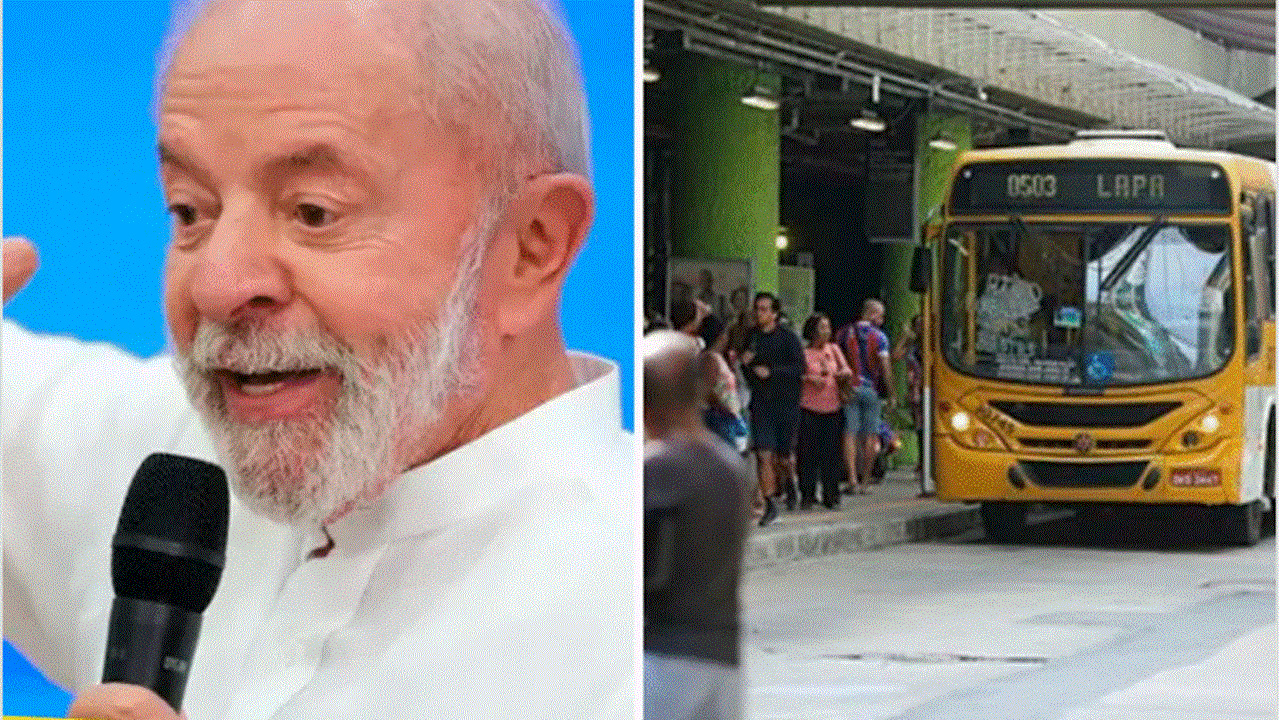
The Study Delivered to the Government Estimates That the Zero Fare Bus Would Reach 160 Million Brazilians and Require Annual Investment of R$ 80 Billion, Divided Between the Federal Government and Municipalities in a Gradual Implementation Model
The debate on the zero fare bus gained momentum after federal deputy Jilmar Tatto received the study from UnB on the impact of the measure, information published by Guilherme Amado’s Column, from the site platôbr.com.br. The parliamentarian intends to deliver the document to President Lula.
Zero Fare Buses and Financial Projection
The study considered municipalities with more than 50,000 inhabitants and estimated an annual cost of R$ 80 billion to serve 160 million people. The forecast is that half of the amount will be covered by the federal government within a phased implementation model.
The deputy stated that the theme has social importance for the PT and should be part of Lula’s government program, in line with the income tax exemption. He believes that the issue will be central to the next agenda of debates.
-
Brazil Ignores Trump’s threats to BRICS, Buys 42 tons of gold and reduces the Dollar’s share by 6.45% in international reserves.

-
Havan buys historic football land in Blumenau for a million-dollar amount protected by a confidentiality clause and is already planning to change even the layout of streets to build a megastore in half-timbered style costing 80 million reais.

-
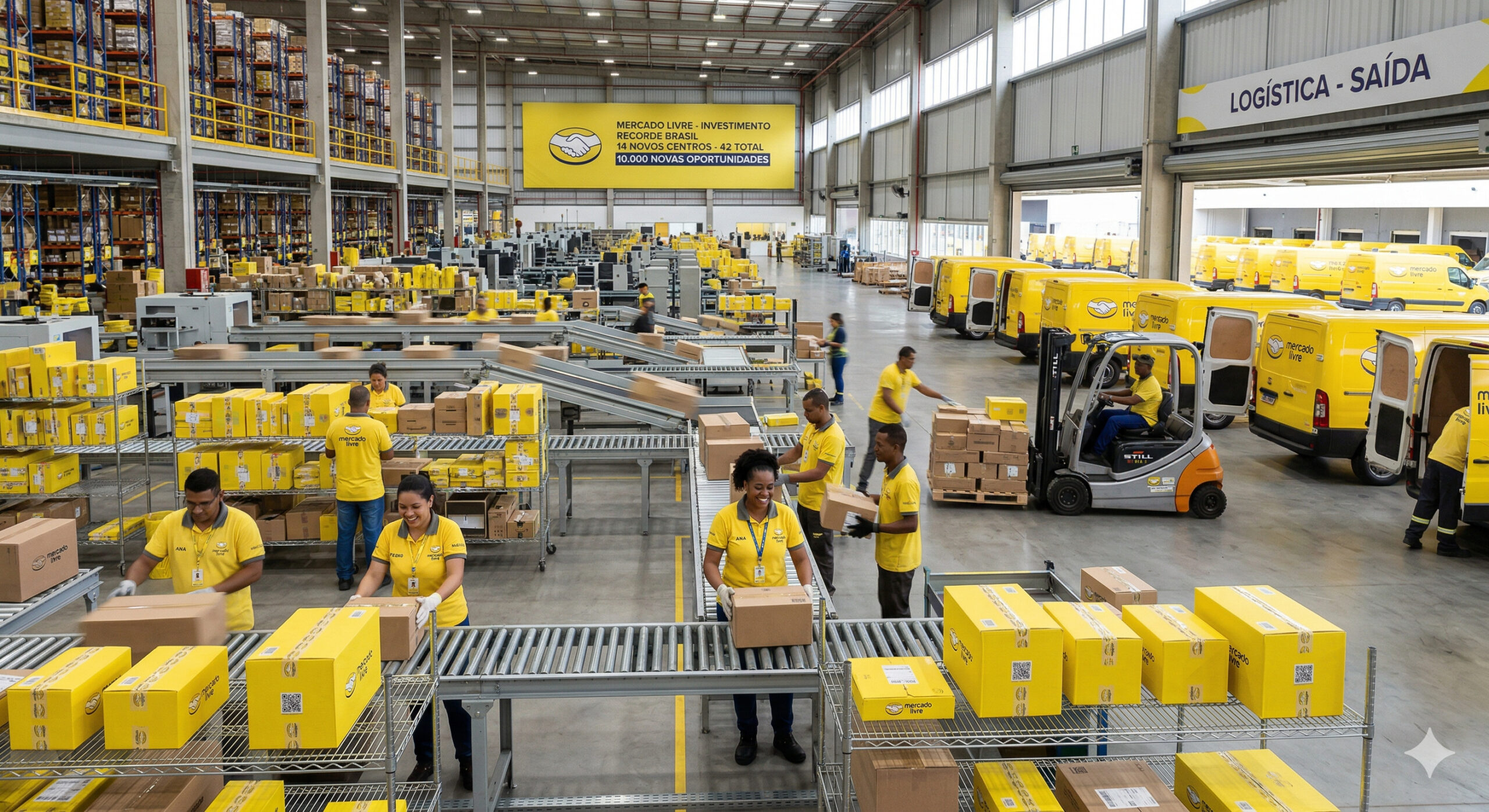
Mercado Livre “opens the vault” and announces a record investment of R$ 57 billion in Brazil in 2026, a value 50% higher than the previous year, with an expansion plan that includes 14 new logistics centers, totaling 42 units in the country and hiring an additional 10,000 employees.
-
How investment in technology can revolutionize the national economy and enhance industrial gains, according to a study that highlights the direct impact on productivity, innovation, and wealth retention within Brazil.


The Position of Jilmar Tatto
Tatto was the Secretary of Transportation during the administrations of Fernando Haddad and Marta Suplicy in São Paulo. In the Chamber, he presented the zero fare bill and considers that the proposal will be a priority for the left in 2026, alongside the end of the 6×1 scale.
The idea he presented is to begin implementation in pilot cities, respecting budgetary viability. The model could be expanded as fiscal conditions improve.
Examples Already in Operation
Today, 138 cities adopt the system. The largest is Caucaia, in the metropolitan region of Fortaleza, with 378,000 inhabitants and the Bora de graça program. There is also a zero fare system in São Caetano do Sul, in the ABC Paulista region.
According to Tatto, mayors from different political orientations support the project because transportation is facing bottlenecks. He believes that the tense atmosphere in the Chamber will not prevent the proposal’s progress and states that no one wishes to vote against something comparable to the income tax exemption. Thus, the zero fare bus remains at the center of the negotiations.








-

-

3 pessoas reagiram a isso.