





 Portuguese
  English
  Spanish
  5 min of reading
  3 comments





Deciding Whether to Keep the Car in Drive (D) or Shift to Neutral (N) While Stopped at a Traffic Light Can Directly Influence the Lifespan of the Automatic Transmission and Prevent High Maintenance Costs.
Stopping at a traffic light seems simple. However, the chosen position in the automatic transmission influences wear and safety. The recommendation changes depending on the vehicle’s system.
In dual-clutch transmissions, the most recommended practice is to select Neutral (N) during immobilization, especially when the car does not have stop/start.
In models with a torque converter, keeping it in Drive (D) during short stops does not bring additional drawbacks.
-
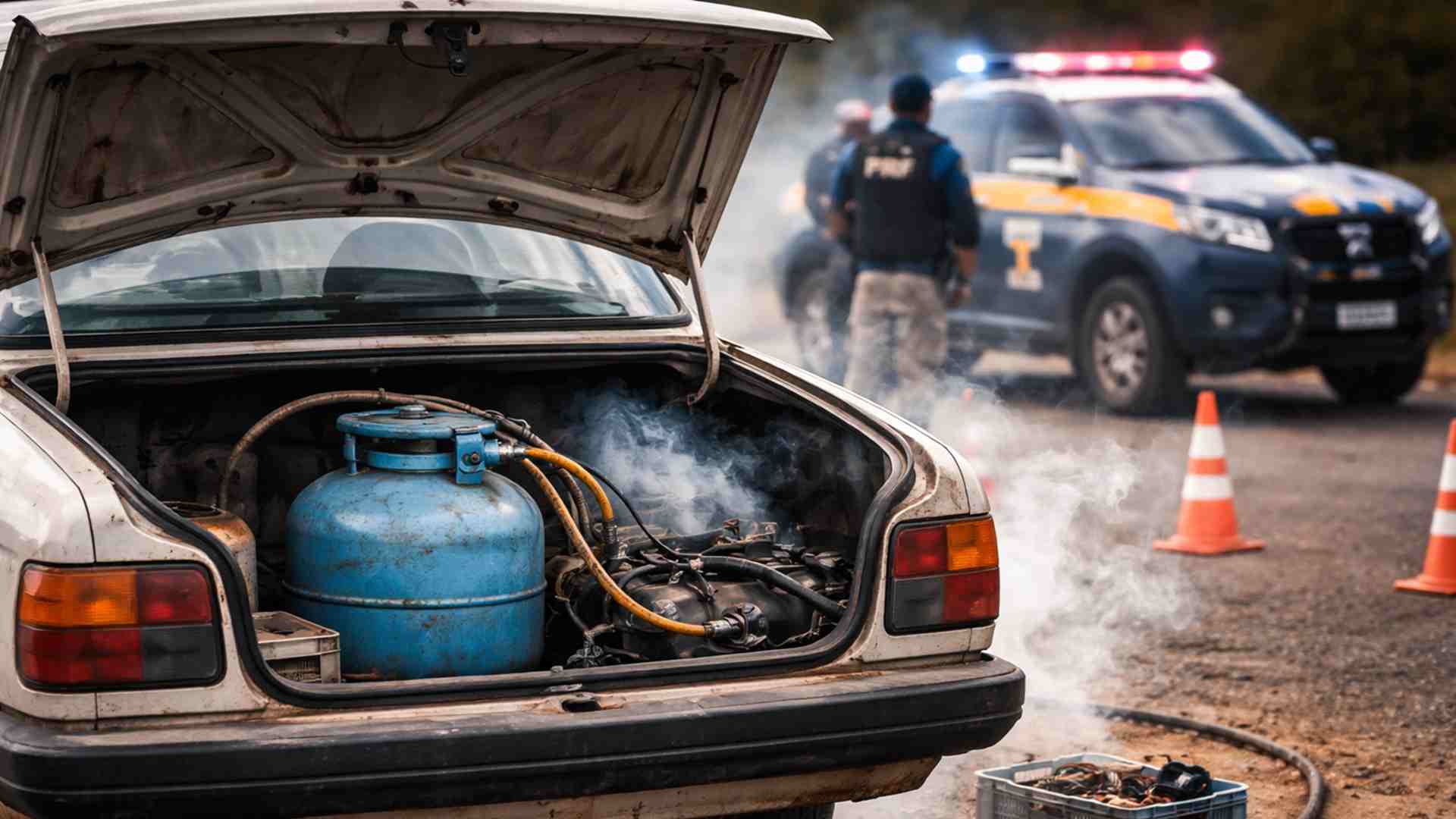
Chevette with cooking gas: How the gas cylinder ends up being used in cars clandestinely and why this makeshift solution can result in leaks, explosions, damaged engines, and seized vehicles.
-
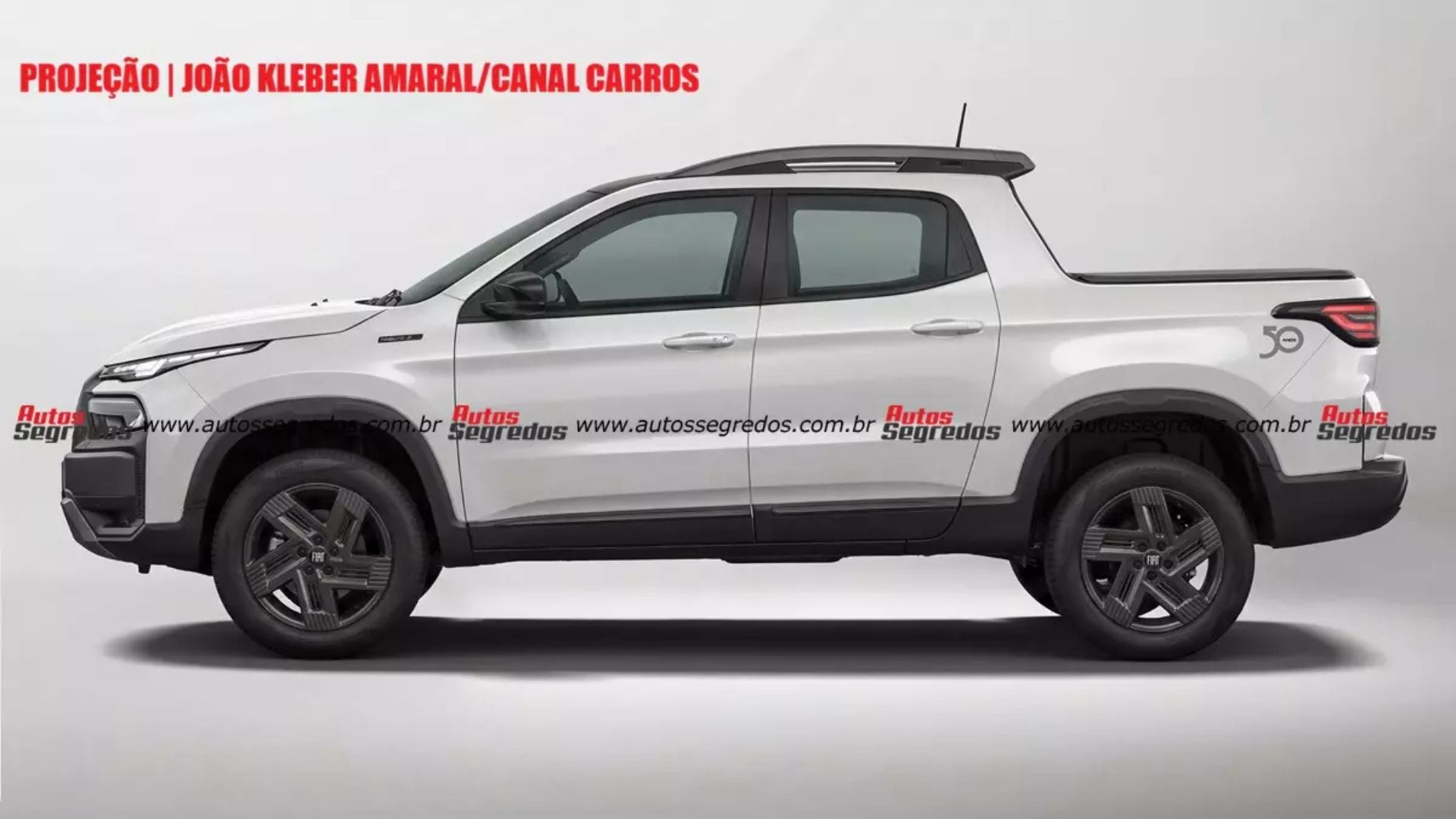
Fiat launches the new 2027 Toro hybrid with 48V, 176 hp, an electric motor of 15.5 hp, a 0.85 kWh battery, up to 7% fuel savings, 8% fewer emissions, and possible exemption from IPVA.
-
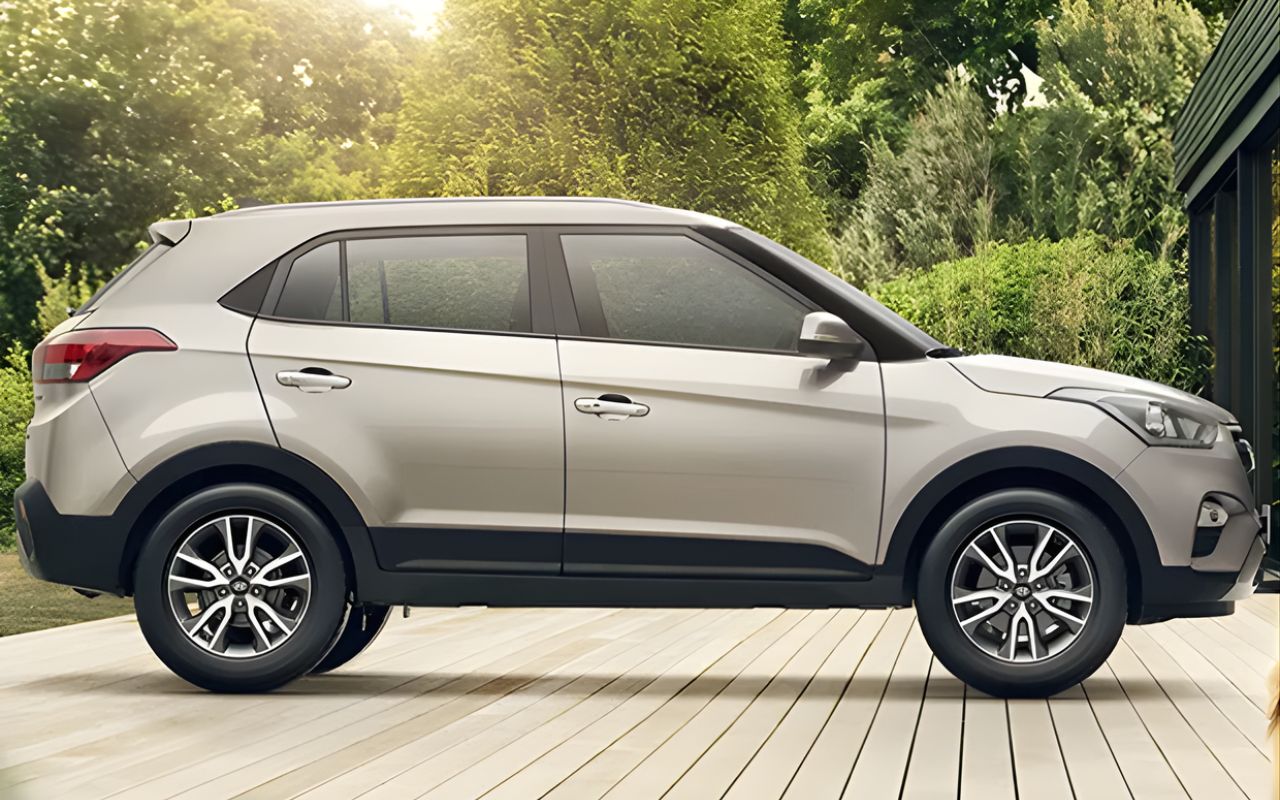
Used automatic cars from Hyundai that are reliable, offer comfort, good performance, and cost between R$ 45,000 and R$ 75,000.
-
Electric car surprises on the Transamazon Highway as it tackles a mud pit; Saveiro and Hilux get stuck and need to be pulled out, while a milk truck crosses alongside with ease and draws attention.


This precaution helps avoid unnecessary strain on expensive components, whose repairs can reach up to R$ 62 thousand.
Differences Between Dual-Clutch and Torque Converter
Although both are called automatic, they function differently. In a dual-clutch system, gear engagement occurs through two sets of clutches that alternate the ratios.
When the car remains stopped in D for a prolonged time, the starting clutch may become partially engaged, which raises the temperature and accelerates wear.
Selecting N at the traffic light decouples the powertrain and reduces the demand on the system, especially in vehicles without the feature to shut off the engine during stops. In a torque converter, the story is different.
The coupling between the engine and transmission occurs through hydraulic fluid, which absorbs part of the effort at low speed.
In this architecture, holding the car with the brake in D during a short pause is the intended use condition, with no significant effect on durability.
The characteristic vibration and “push” are inherent to the system and do not necessarily indicate a problem.


Short Stop, Long Stop, and the Role of Stop/Start
At fast-cycle traffic lights, the practical guidance is to keep the vehicle in D if it uses a torque converter and adopt N in dual-clutch models when there is no stop/start feature.
In traffic jams or longer pauses, the recommendation tends to follow the same logic.
Relieving the effort in dual-clutch transmissions by shifting to N, while in torque converter transmissions, remaining in D is acceptable if the interval is brief.
Stop/start systems, which automatically shut off and restart the engine, have already been designed to handle these conditions without additional driver intervention.
Safety Precautions When Changing Positions
Safety weighs just as much as mechanics.
Any change in position should occur with the vehicle completely immobilized.
Shifting from D to Reverse (R) with the car in motion, even slowly, puts strain on gears, internal clutches, and powertrain mounts.
The recommended practice is to brake to a complete stop, select the desired position, and only then resume movement.
On inclines, it’s ideal to maintain control on the brake and avoid letting the car rely on the “creep” of the transmission to hold the system for long periods.
Functioning of the Automatic Transmission
In automatics with a torque converter, the engine transfers torque to a hydraulic assembly connected to the planetary gears.
This setup allows for progressive and smooth shifts, with electronic management of the ideal moment for each gear.
That’s why, when lifting the foot off the brake in D, the vehicle tends to move forward slowly.
In dual-clutch transmissions, the control is electronic and alternates between two drive shafts, one for odd gears and another for even gears.
The system anticipates the next engagement to speed up shifts. However, when stopped, keeping D can impose continuous work on the starting clutch, raising the temperature.
Shifting to N breaks this effort until a restart, contributing to longevity.
Meaning of Positions P, R, N, and D
The positions of the selector have specific functions and are not interchangeable.
Park (P) mechanically locks the transmission and should be used when parking, always with the vehicle immobilized, and preferably with the parking brake applied to avoid overloading the internal locking pin.
Drive (D) is the driving position, where electronic management handles the gear shifts.
Neutral (N) disconnects the transmission from the wheels, referring to the “neutral” point in the manual, and is used for temporary immobilizations when indicated by the type of transmission.
Reverse (R) reverses the direction of travel and should only be selected when the car is stopped, avoiding internal shocks and noises.
Maintenance Costs and Failure Prevention
The comfort of an automatic transmission comes with a complex set of valves, hydraulic bodies, sensors, and electronic modules.
This sophistication explains why heavy repairs can reach R$ 62 thousand, especially when there is damage to multiple components or the need for complete replacement of the assembly.
Despite the high cost, prevention is possible.
Following the owner’s manual regarding inspection intervals, type of fluid, and specific procedures for the model reduces the risk of premature failures.
In brands that require fluid changes, adhering to specifications and periodicity is part of the durability strategy.
In others, which classify the system as “sealed” or “without scheduled maintenance,” observing symptoms such as jerking, slipping, or noises and seeking early diagnosis makes a difference.
Making the Right Decision on the Road
Besides the type of transmission, it’s worth considering the scenario. In very short stops, keeping the expected position for your system tends to be sufficient.
In longer immobilizations with a dual-clutch transmission, selecting N reduces the effort on clutches and actuators.
In torque converter automatics, remaining in D during quick pauses is compatible with the design, without the need to switch positions at every traffic light.
In any case, shifting positions with the car in motion and accelerating before full engagement remain habits to avoid.
Given these differences, knowing what equipment your car has and adopting the corresponding behavior is the simplest way to save money and maintain safety in daily life.
On your typical route, do you usually deal with short or long stops — and knowing your vehicle’s transmission type, what practice do you intend to adopt from now on?








Excelente trabalho de informação, e tecnicamente profundo.
Para ganhar um 100, poderia publicar uma lista dos carros com diferentes tipos de embreagem???
E no CVT, alguma recomendação??
Putz $62.000,00 reais acho muito imagine um carro zero km que tirei da concessionária por $100.000,00 com câmbio automático então na verdade ele custou $40.000,00 reais…agora quero saber quanto custa um câmbio manual para ver realmente o custo desse automóvel de 100.000 reais kkkk