





 Portuguese
  English
  Spanish
  4 min of reading
  0 comments


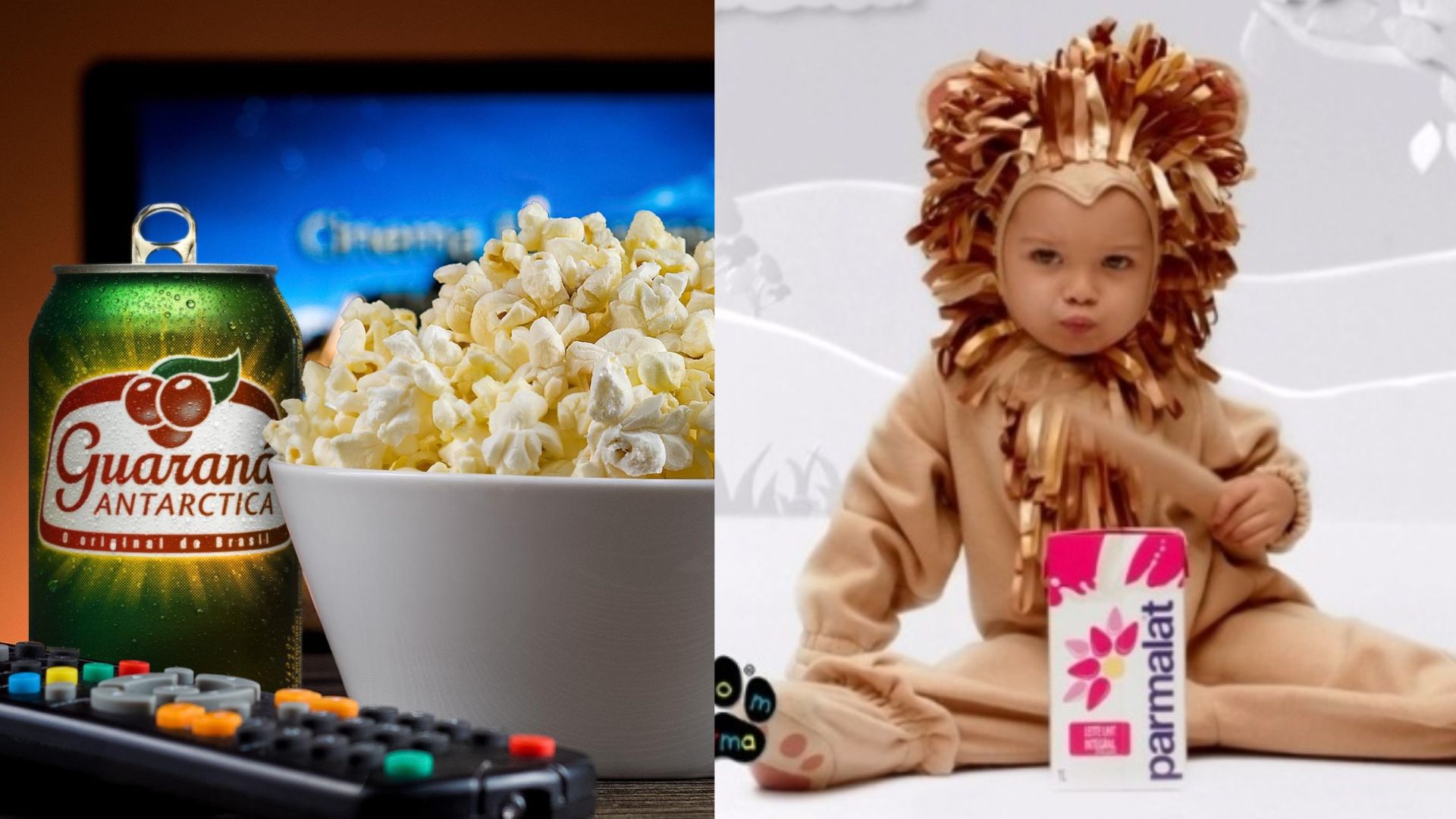
TV Commercials from the 80s and 90s Helped Create Catchphrases, Songs, and Characters That Transcended the Screens and Marked Generations, Consolidating Advertising as an Essential Part of Brazilian Popular Culture.
TV commercials from the 80s and 90s became true landmarks in Brazilian advertising, becoming fundamental elements of national culture and remaining in the memory of different generations.
In the 1980s and 1990s, jingles and advertising campaigns, broadcast primarily on open television, reached millions of people daily, creating expressions, songs, and images that transcended the screens and came to integrate the daily lives of Brazilians.
At that time, open television was the main source of entertainment and information in Brazil, reaching homes across all regions and social classes.
-
There is a city in China right next to Hong Kong where people speak Portuguese, the streets have names in Portuguese, and the architecture looks like it came straight out of a historic city in Brazil.
-
Rare frog thought to be extinct after only appearing in fossils reappears, becoming a ‘living relic’ of evolution and gaining a real path to spread after combating introduced predators.

-
House without a door and without a window: a resident lives high in the mountains, says he enjoys the “free life,” mentions that the cat comes and goes hunting bats and rats, and that when it rains he wakes up with wet feet.

-
Satellite images show that Morocco became so green in 2026 that the country looks different from space: two months of heavy rains transformed arid land into dense vegetation for the first time in a decade.

With few channels available, the audience was massive, giving commercials a reach that is difficult to replicate today, even with the rise of social media and the internet.
This contributed to slogans and soundtracks becoming immediate references, associated with moments of leisure, family, and collective living.
Popcorn with Guaraná: The Jingle That Became an Anthem
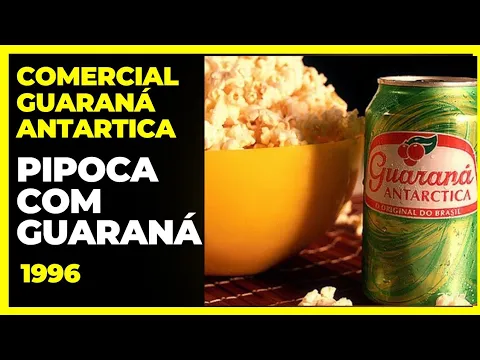
The “Popcorn with Guaraná” commercial marked the 1990s and remains one of the most well-known jingles in Brazilian advertising.
Launched in 1991 by Antarctica, the campaign transformed the simple combination of the soda with popcorn into a cultural phenomenon.
The jingle, with its catchy melody and engaging lyrics, won over adults and children, being repeated at parties, sporting events, and even in stadiums.
The association between the product and consumption during leisure moments reinforced the brand’s presence in the popular imagination, making the advertisement a symbol of that era.

Nice Shirt, Fernandinho: The Catchphrase That Became Slang
The “Nice Shirt, Fernandinho” campaign from US Top, aired in 1984, went down in advertising history by creating a catchphrase that transcended television screens and became national slang.
The ad showcased everyday situations where the character Fernandinho received compliments on his shirts, always followed by the catchy phrase.
The simplicity of the message, combined with the relaxed tone of the commercial, ensured the catchphrase was quickly assimilated by the public, making it part of popular language for many years.
Hollywood Cigarette: Adventure and Striking Soundtrack
The Hollywood cigarette commercials became known for scenes of adventure, extreme sports, and a memorable soundtrack.
During the 80s, the brand invested in campaigns that exalted the youthful spirit, freedom, and the pursuit of new experiences.
Images of parachutists, surfers, and other action sports were accompanied by music that quickly became recognizable, enhancing the emotional appeal of the videos.
Even after restrictions on cigarette advertising, these commercials remain a reference in the industry.
Parmalat: The Campaign That Became a National Fever
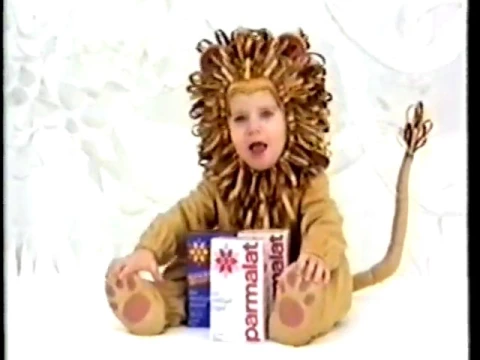
The Parmalat fever began in the late 90s when the company launched a series of commercials featuring children dressed as animals, promoting milk consumption.
The campaign quickly became a national success, generating lines in stores for the famous stuffed animals that accompanied the promotion.
The impact of the campaign was so great that the brand became consolidated among parents and children, becoming a symbol of familial affection and care. To this day, the advertisement is remembered as one of the most effective in the history of Brazilian advertising.
Surprise Chocolate: Stickers and Collectibles
Surprise chocolate innovated by combining product sales with collectibles, especially stickers of wild animals that came in the packaging.
The campaign encouraged the habit of collecting and trading stickers, and the albums released by the brand became a craze among children and teenagers in the 80s and 90s.
This marketing action model, combined with creative commercials, elevated Surprise chocolate to a prominent position in the children’s food segment.
Danoninho: “It’s Worth a Bifinho”
Danoninho and the famous slogan “Danoninho is worth a bifinho” marked a generation of consumers concerned about children’s nutrition.
The campaign emphasized the nutritional value of the product in a playful way, creating a relationship of trust between parents and children.
The commercials explored family scenes and used simple language to convey the message, strengthening the bond between the brand and the child audience.

Telesp: Communication Before the Cellphone
Telesp advertisements also gained notoriety in the 80s and 90s.
At a time when long-distance communication was primarily done by landline, the campaigns of the former São Paulo utility explored everyday situations, highlighting the importance of contact between family and friends.
The commercials conveyed messages of closeness and emotion, reflecting the central role of the telephone in the lives of Brazilians before the popularization of cell phones.
Cultural Impact of 80s and 90s Commercials
These advertising campaigns, with their memorable jingles of Brazilian television and unforgettable slogans, not only boosted brands but also helped build the collective memory of the country.
The strength of these messages can still be observed in the success of reruns, memes, and tributes on social media, proving the impact of 80s and 90s commercials. Which of these commercials do you remember most or would like to revisit today?







Seja o primeiro a reagir!