





 Portuguese
  English
  Spanish
  4 min of reading
  1 comment


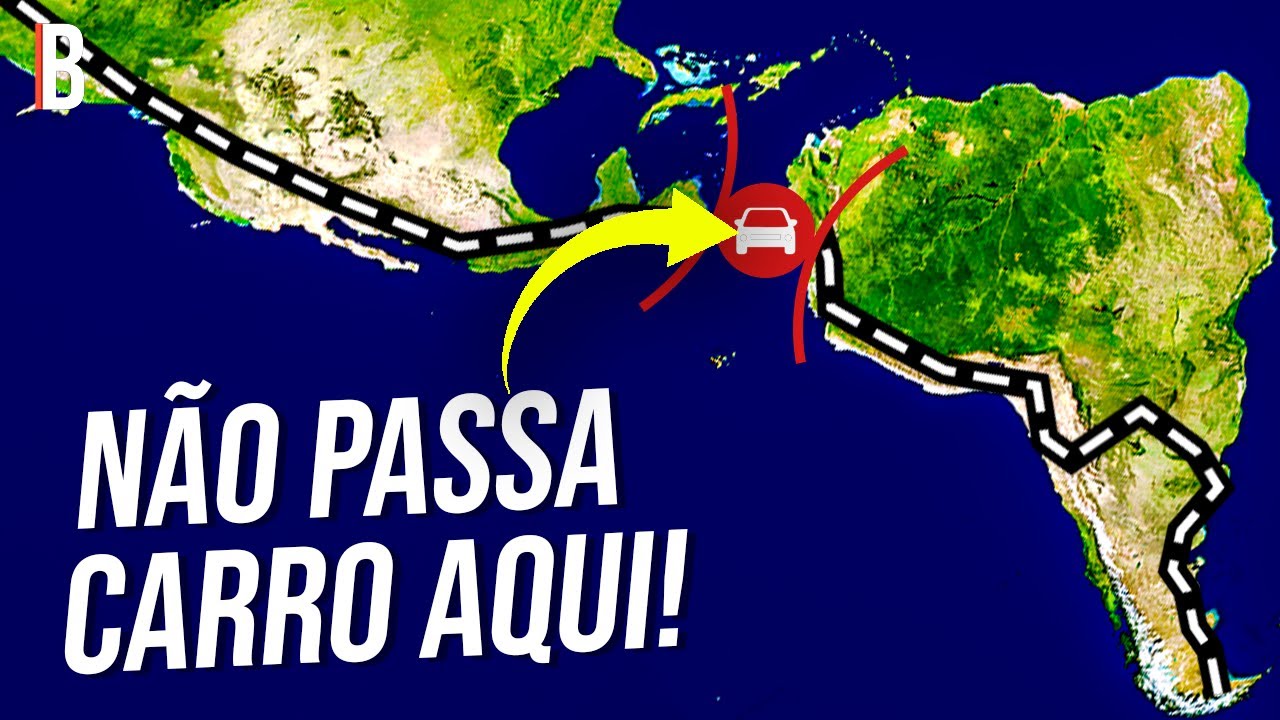


The Region Known as Darién, Between Colombia and Panama, Is an Untraversable Territory Due to Its Hostile Geography and Lack of Infrastructure, Making It Impossible to Drive.
In Panama, a narrow strip of land connecting the north and south of the Americas harbors one of modern geography’s greatest mysteries and obstacles: the Darién region.
Measuring less than 100 km wide, this inhospitable area blocks the continuity of the legendary Pan-American Highway, which connects Tierra del Fuego to Alaska.
The Formation of the Panama Isthmus
Millions of years ago, the formation of the Isthmus (a narrow strip of land connecting two larger land areas) of Panama separated the Pacific and Atlantic Oceans, creating a natural bridge between the Americas.
-
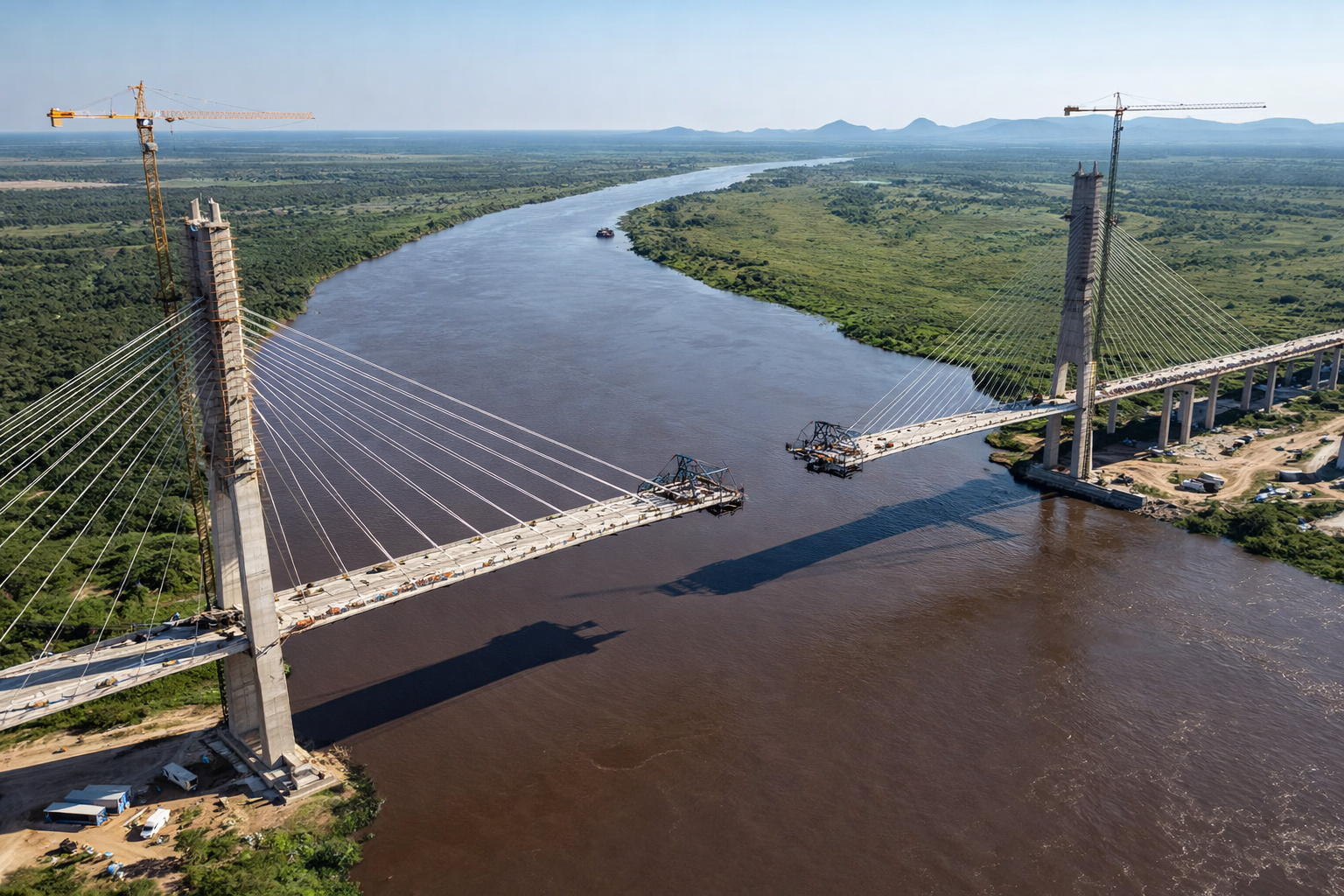
Brazil and Paraguay are just 46 meters away from a historic union on the bioceanic bridge that promises to revolutionize trade between the Atlantic and the Pacific.
-
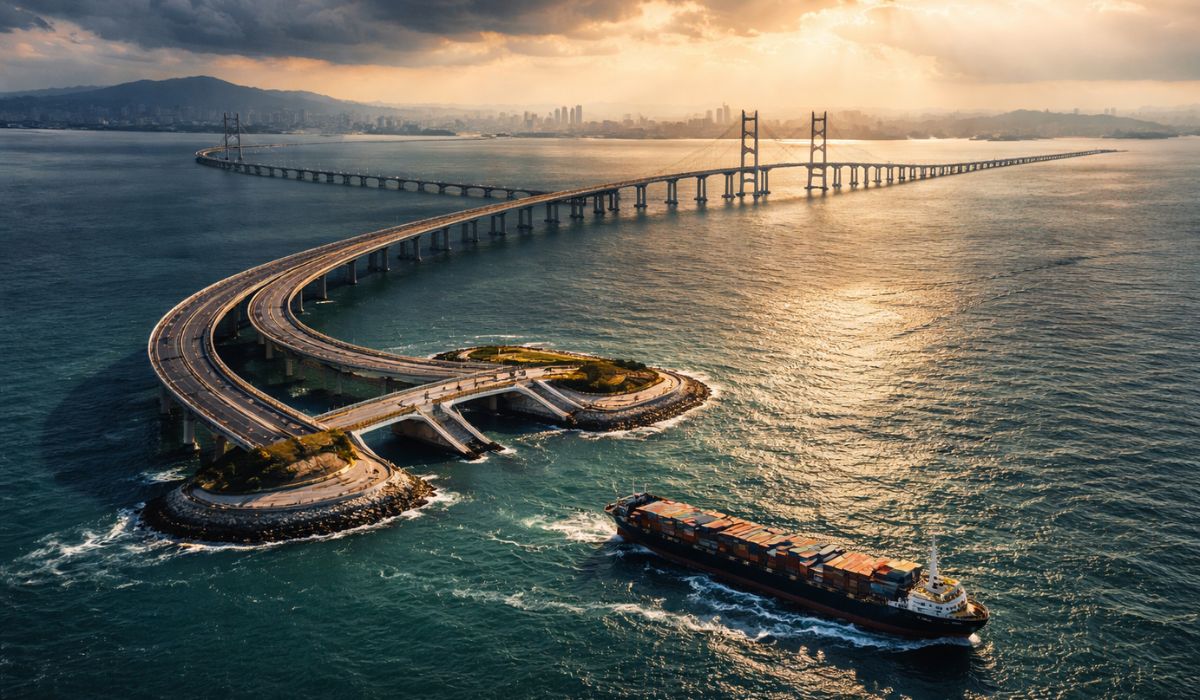
With 55 km over the sea, a cost of US$ 20 billion, and enough steel to build 60 Eiffel Towers, China’s largest project has connected Hong Kong, Zhuhai, and Macau in a colossal bridge that defies the logic of engineering.
-
A trick with joint compound transforms a Styrofoam ceiling into a plaster-like ceiling: leveled panels, wires and mesh at the joints, sand, paint, and change the environment while spending little today.

-
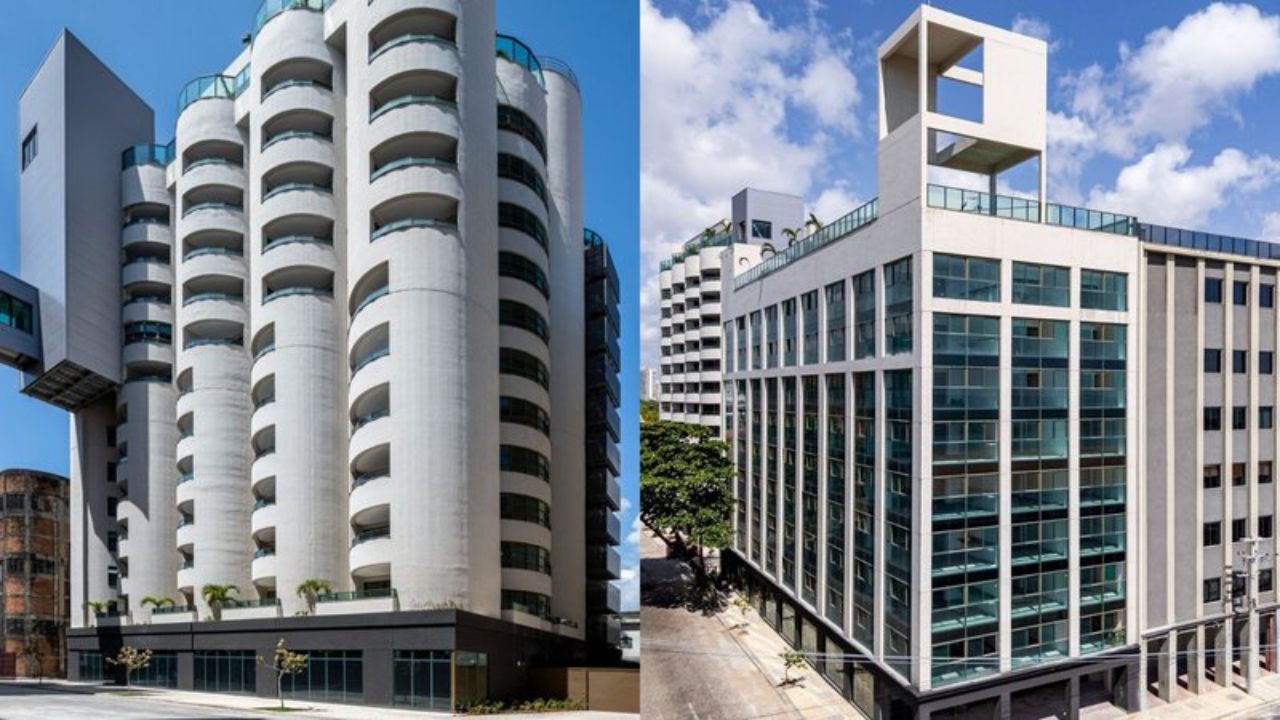
Abandoned for over a decade, century-old silos in the state of Recife have been transformed into 251 apartments with curved walls in one of the most complex retrofits ever done in Brazil.

Since then, the region has been inhabited by indigenous peoples such as the Guna and Guaymí.
The arrival of Spanish colonizers in the 16th century transformed the locale into a disputed and colonized territory.
However, it was in the 20th century that Darién gained global notoriety for being an impenetrable barrier to highways.
Despite advances in engineering, the dense forest and indigenous and environmental resistance have prevented the construction of a road connecting Yaviza, in Panama, to Turbo, in Colombia.
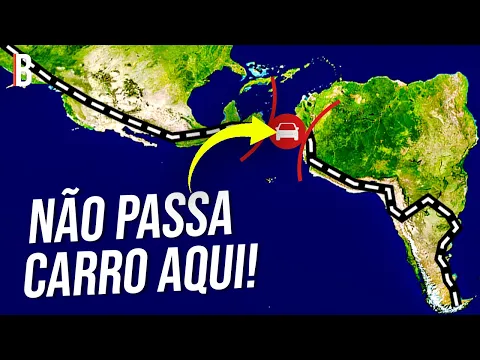

Why Is There No Road?
Although there have been attempts, primarily by the United States, to build a highway through Darién, numerous factors have hindered the realization of this project.
Hostile Terrain: The region consists of swampy land, dense forests, and unique biodiversity. The construction of roads in this environment would be extremely challenging and costly.
Environmental Concerns: The Darién forest is a vital ecosystem for global biodiversity. Environmentalists have warned of the irreparable damage that a road would cause to local fauna and flora. For this reason, Darién was declared a UNESCO World Biosphere Reserve in 1981.
Sanitary Barrier: Darién acts as a natural barrier against foot-and-mouth disease, an illness affecting cattle and pigs in South America. The absence of roads prevents the highly contagious virus from spreading north.
Indigenous Resistance: The indigenous peoples of the region have consistently opposed the construction of roads, arguing that it threatens their lands and cultures.
Organized Crime: The area is also marked by the presence of criminal factions and armed groups. During the 1990s, guerrillas from the FARC (Revolutionary Armed Forces of Colombia) controlled parts of the area, imposing violence, kidnappings, and other crimes.
Additionally, other armed and paramilitary groups are also present in the region, especially linked to drug trafficking and illegal activities.
Attempts and Failures
Over the years, there have been efforts to overcome the challenges of Darién. In the 1920s, Brazilians attempted to drive through South America to the U.S., but faced significant difficulties in the region.
Decades later, in 1985, Loren Upton and Patty Mercier took 741 days to cross 200 km of forest in a jeep.
However, government efforts have been limited.
While they encouraged the creation of national parks, such as Los Katíos in Colombia, to protect the region, road construction has always been considered unfeasible.
In 2010, Colombia announced a road project that would come close to Darién, but Panamanians rejected any extension to connect the countries.
How Do Brazilians Get to the U.S. by Car?
To drive from Brazil to the United States without crossing the Darién Strait, Brazilians need to combine land travel with maritime or air crossings. Here’s the general route:
Since there is no road, Brazilians must ship their car on a boat or ferry from Turbo (Colombia) to a port in Panama (usually Colón or Panama City).
Alternatively, they can transport the vehicle by air, a service available in some areas, but the cost is much higher.
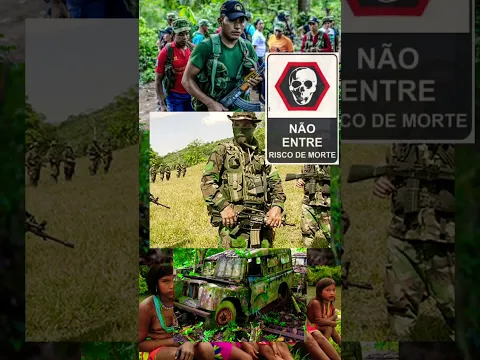
Crossing Darién
Darién is known as “the most dangerous jungle in the continent.”
In addition to its hostile environment, the region has been dominated for decades by guerrillas, paramilitaries, and traffickers. Migrants attempting to cross the area face risks such as kidnappings, diseases, and even death.
Even with improvements in parts of the Pan-American Highway, the Darién gap continues to force travelers and migrants to divert their route, either by boat or plane.
While it is an obstacle to road connectivity between the Americas, Darién still plays a crucial role in environmental preservation and animal health on the continent.
Its unexplored nature is a barrier against diseases, a reservoir of biodiversity, and a refuge for indigenous communities.
Darién is not just a gap in the Pan-American Highway; it is a reminder that sometimes nature prevails over human ambition.







Dois países brigando por conta de duas tribos cai fora e se entrar morre contra os donos das terras índios. Aqui no Brasil também os índios dominam estradas fazendas gados e o IBAMA faz de conta