





 Portuguese
  English
  Spanish
  3 min of reading
  1 comment


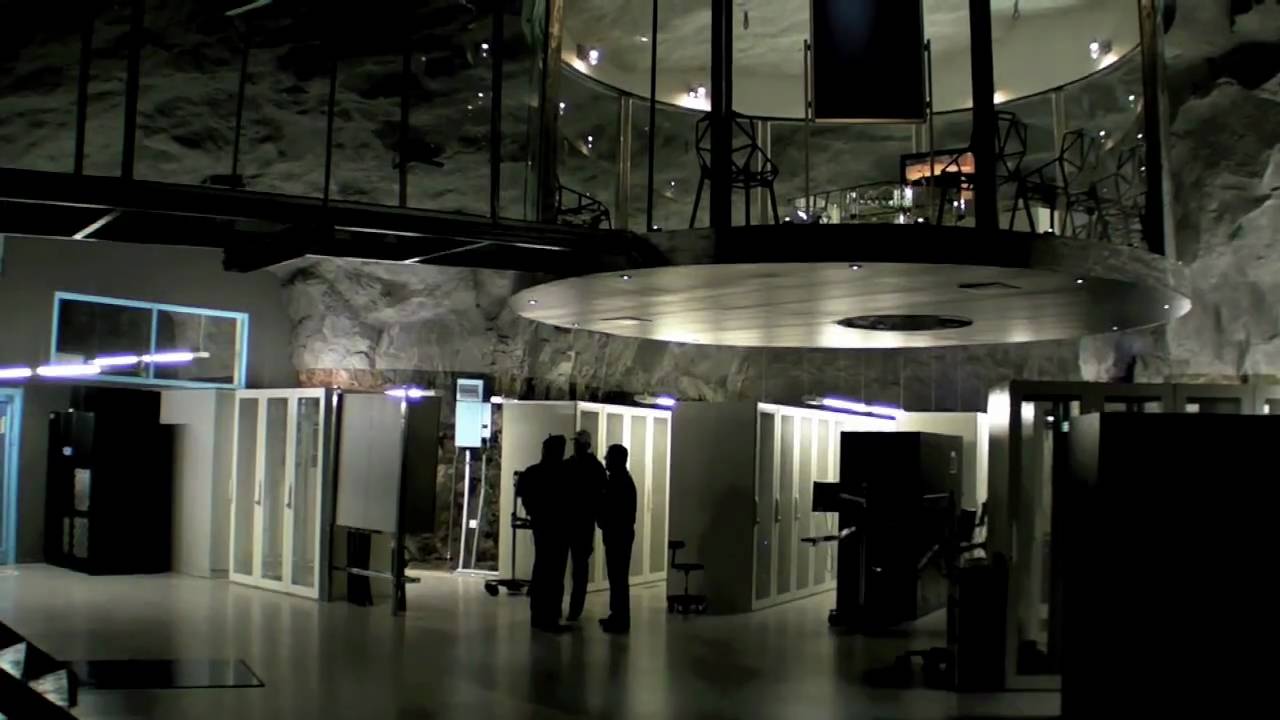


Pionen Data Center Operates More Than 30 Meters Below Granite Rock, Reuses Military Base, and Offers One of the Greatest Physical Protections in the Digital World.
During the Cold War, European governments heavily invested in structures capable of withstanding nuclear attacks, bombings, and sabotage. One of these facilities, deeply excavated in a granite mountain in Stockholm, seemed doomed to abandonment after the end of military tensions. Decades later, this “strategic hole” gained a new function: to house critical digital data in one of the most protected environments ever created by modern engineering.
This is how Pionen White Mountains was born, a data center that transformed an old underground military base into high-security digital infrastructure.
An Entire Mountain as Physical Shield
Pionen is located more than 30 meters below the surface, completely surrounded by solid granite rock.
-
Created by George Lucas with over $1 billion, a futuristic museum in the shape of a spaceship with 1,500 curved panels is about to open in Los Angeles and will house one of the largest private collections of narrative art in the world.

-
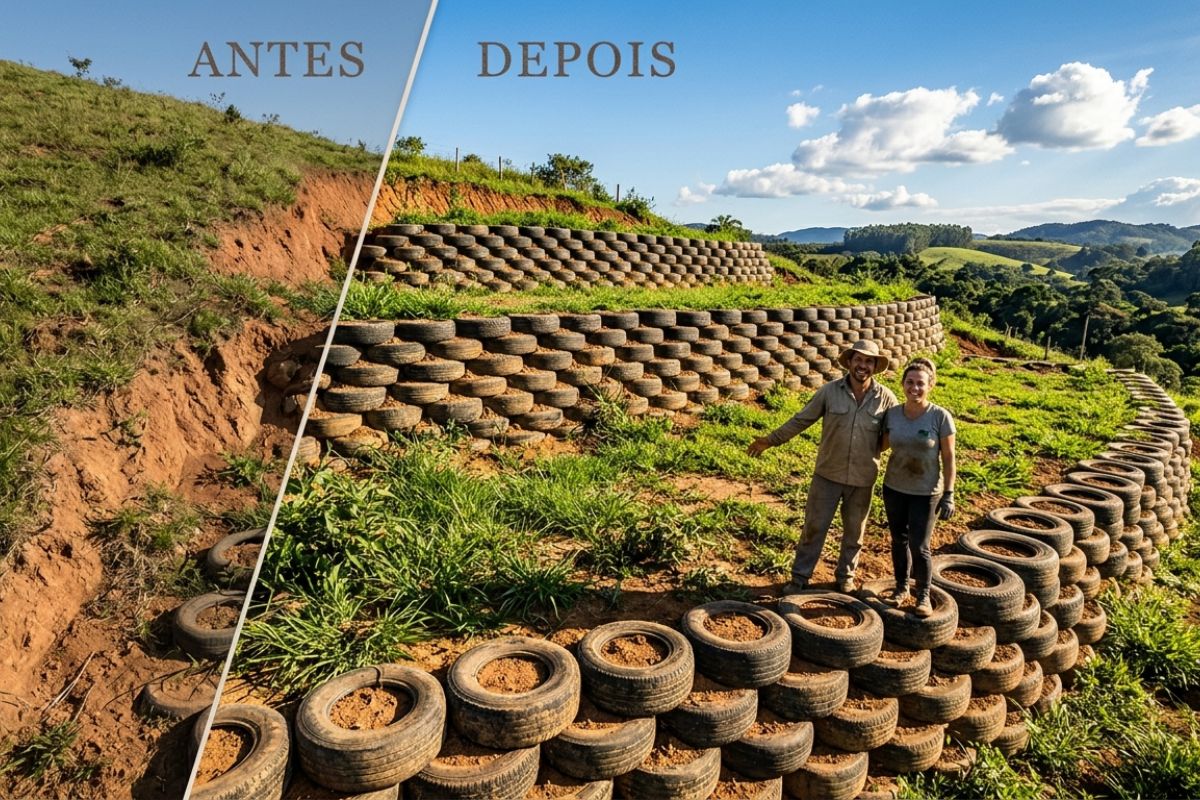
Couple shows how they built a retaining wall on their property using 400 old tires: sloped land turned into plateaus, tires are aligned, filled, and compacted with layers of soil, with grass helping in support and at almost zero cost.
-
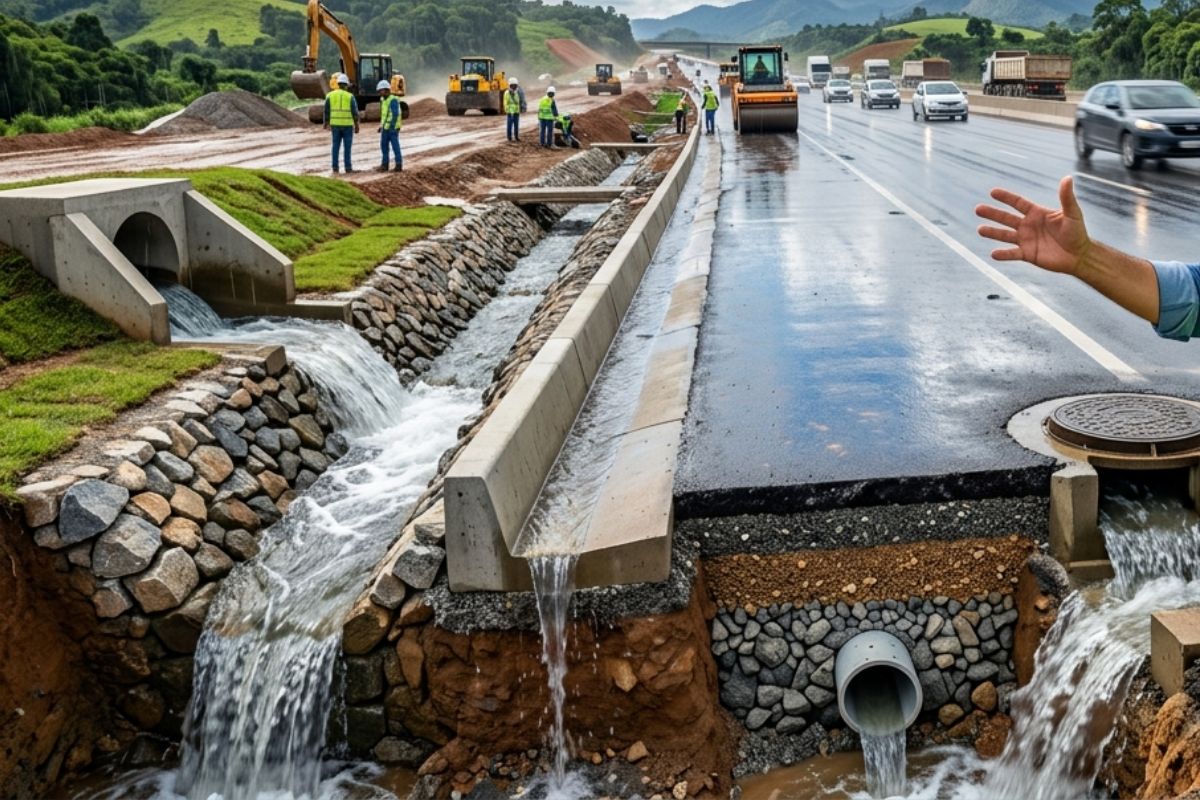
Engineer explains drainage during the rainy season: the difference between surface water and deep water, ditches, gutters, and water outlets on the road, as well as drains and drainage mattresses, to prevent erosion, aquaplaning, and flooding at the construction site today.
-
With 55 floors, 177 meters in height, a 15-meter walkway between the twin towers, ventilated facade, and 6,300 m² of leisure space, Ápice Towers already has one tower completed and another nearly at the top.


Unlike conventional data centers, which rely on reinforced walls and external surveillance, here the main layer of protection is natural: tons of solid rock acting as a permanent shield against explosions, impacts, and even electromagnetic pulses.
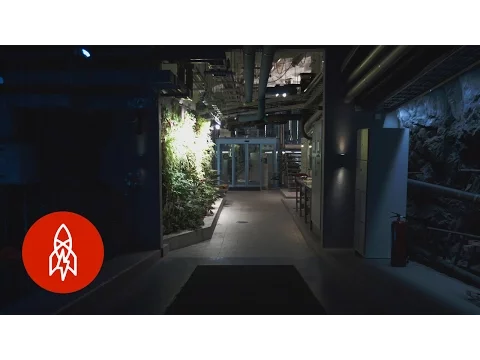

This depth was not chosen at random. The original facility was designed to withstand extreme scenarios, including direct attacks and shock waves, making it an ideal location to host sensitive servers decades later.
Reused Military Infrastructure
The original base featured restricted access tunnels, armored doors, independent ventilation systems, and energy redundancy.
When converted into a data center, this infrastructure was maintained and modernized, drastically reducing the need for new excavations or large civil works.
Steel doors weighing tons, corridors carved directly into the rock, and compartmentalized internal areas create an environment where physical control is as important as digital security.
Stable Climate as Technical Advantage
One of Pionen’s major assets is its thermal environment. The granite rock keeps the internal temperature naturally stable throughout the year, reducing the need for intensive cooling systems. This not only lowers energy consumption but also increases equipment reliability.
While conventional data centers must combat extreme variations in external heat, Pionen operates in an environment shielded from climatic fluctuations, something that only deep underground structures can offer.
Energy, Redundancy, and Autonomy
The complex was designed to operate even in critical situations. Redundant power systems, self-contained generators, and multiple electrical supply routes ensure continuous operation. In the event of an external failure, the facility can remain active autonomously for extended periods.
This level of resilience makes the data center a choice for hosting critical information, where service interruption is not an acceptable option.
The combination of depth, natural rock, restricted access, and infrastructure inherited from the military era places Pionen in a rare tier. Few data centers in the world have real physical protection against direct attacks, and even fewer utilize an entire mountain as a barrier.
Moreover, access to the interior is controlled by multiple layers of physical authentication, making any unauthorized invasion attempt virtually impossible.
From Military Secret to the Heart of the Internet
What once served to protect governments and strategic operations now protects something equally valuable in the 21st century: data. Pionen symbolizes an important shift in modern engineering, where old military structures are not demolished but reinterpreted for new critical functions.
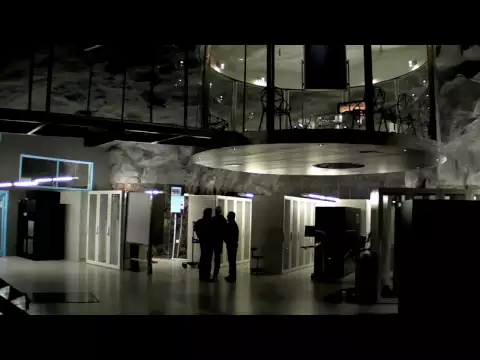
Instead of building from scratch, the solution was to reuse an already extreme, protected, and tested space against the worst imaginable scenarios.
When Past Engineering Sustains the Digital World
The underground data center in Stockholm shows that digital infrastructure does not rely solely on cables, servers, and software. In extreme cases, it depends on geology, depth, and decisions made decades ago.
Excavated in granite, hidden beneath a mountain, and shielded by nature itself, Pionen White Mountains is not just a data center. It is an example of how the heavy engineering of the 20th century has become the silent fortress of the digital world in the 21st century.





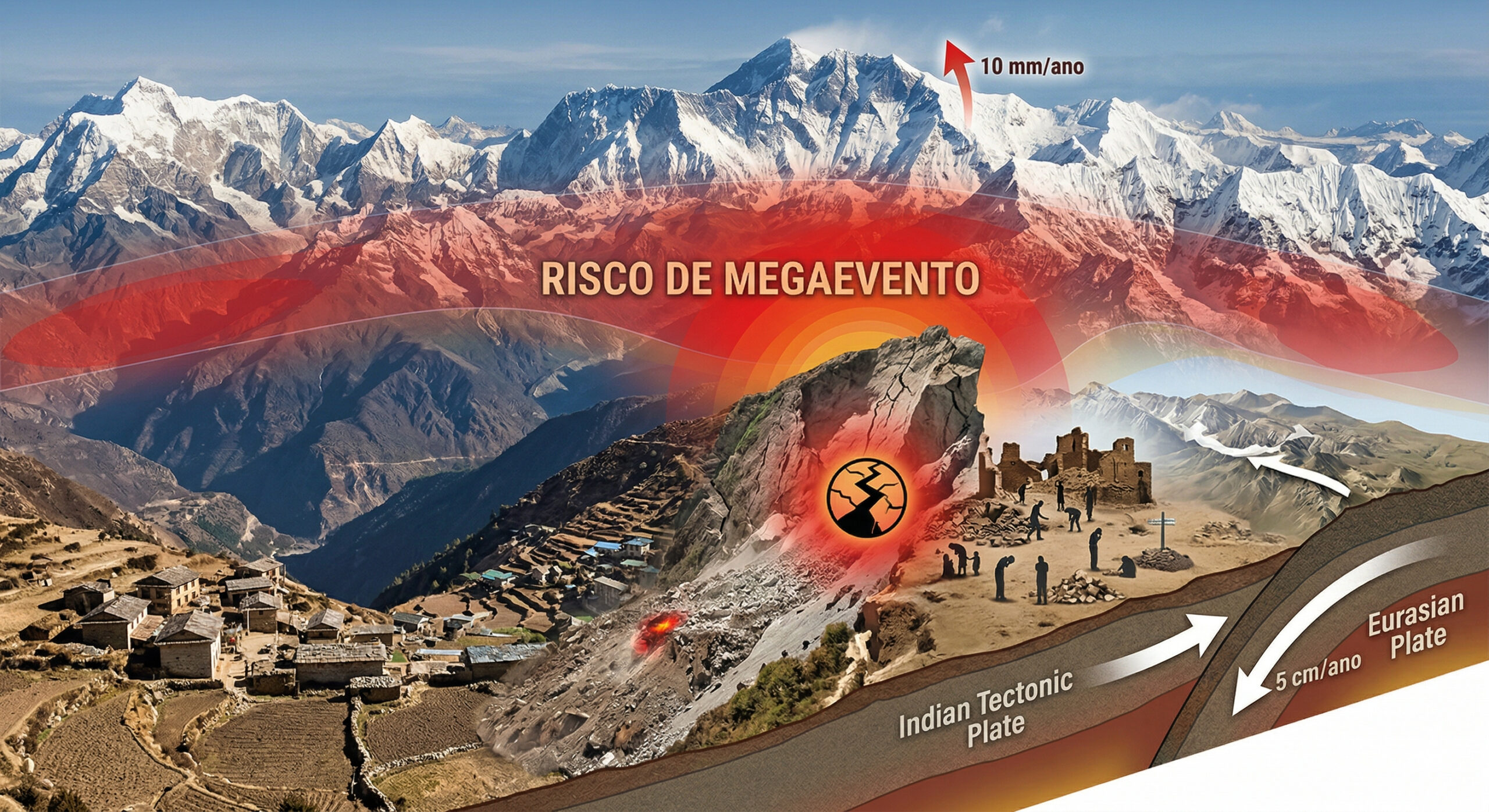


As novas construções de datacenters no Brasil podem migrar para locais mais adequados e seguros onde a guerra, a natureza ou o clima extremo não será capaz de deteriora-los, afinal são os cérebros e os corações das Internetes nacionais…
Serão?