





 Portuguese
  English
  Spanish
  4 min of reading
  0 comments


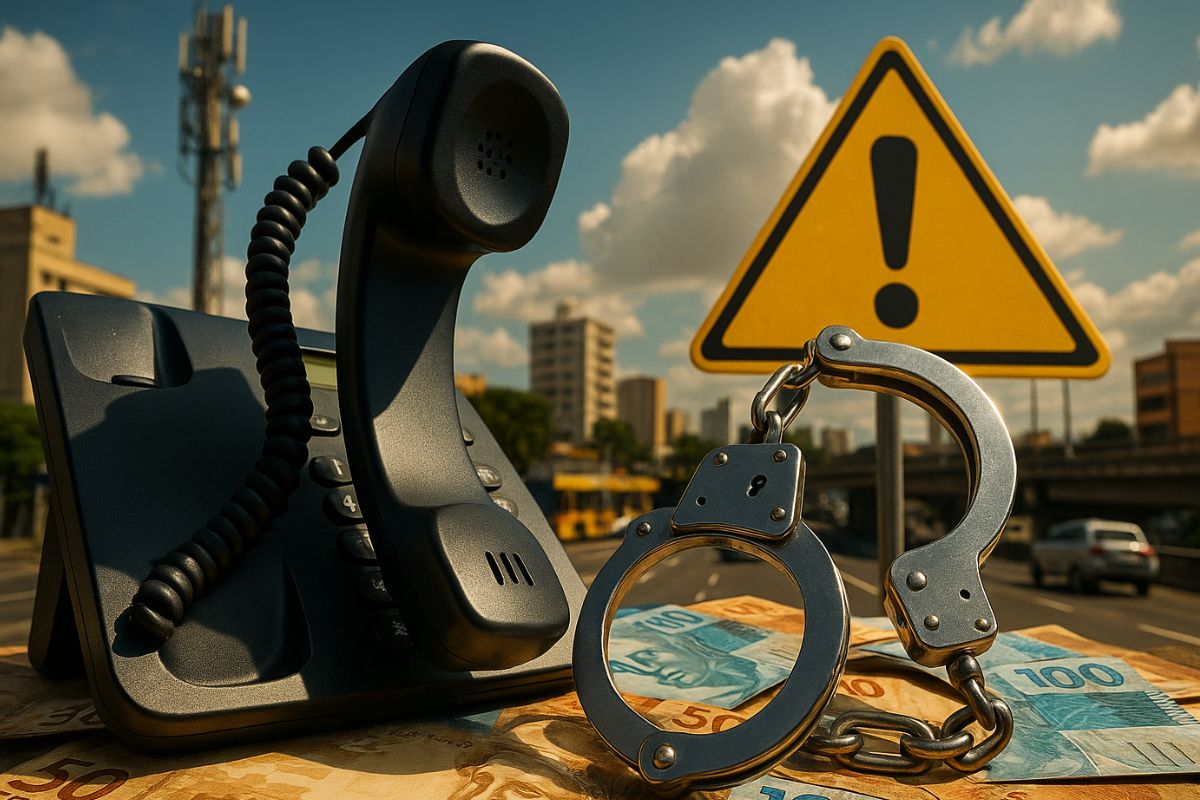
Abusive Phone Collections Are in the Spotlight of the Consumer Defense Code, Which Prohibits Harassment, Threats, and Out-of-Hours Calls; Insistent Practices Can Generate Compensation for Moral Damage and Even Criminal Responsibility for Companies and Third Parties Involved
Abusive phone collections have ceased to be just an annoyance. When insistence crosses legal limits and respect for dignity, the case can leave the realm of embarrassment and enter the territory of crime. The CDC prohibits vexatious methods in debt collection and protects consumers against repeated calls, outside of business hours, or with threatening language. In serious situations, accountability can reach managers and service providers.
The discussion gained momentum with the growth of telemarketing and automation. Robocalls, predictive dialers, and outdated databases have multiplied inappropriate contacts, including for those who are not the debtor. At the same time, instruments like blocking registers and the Over-Indebtedness Law reinforced that collection should exist, but without harassment, violation of privacy, or exposure to ridicule.
What Constitutes Abusive Phone Collection
<p Collection is legitimate. Abusive is the manner. It is characterized as abuse to call insistently, in sequence, at sensitive times, or to use a tone that humiliates, threatens, or exposes the debt to third parties.
-
The Senate approves a bill that criminalizes misogyny, hatred, or aversion towards women, and includes the crime in the Racism Law with a penalty of up to 5 years.

-
Chamber Approves Bill That Allows Pepper Spray for Women Over 16 and Imposes Strict Rules for Purchase, Possession, and Use as Self-Defense

-
Chamber Approves Law to Combat Leucaena, Fast-Growing Plant That Dominates Land and Threatens Native Species in Various Regions of the Country

-
Asset Division: Know What Cannot Be Divided in Case of Divorce

The automatic repetition of calls, including silent ones, can also be understood as disturbance and harassment, especially when it continues after a request to stop.
Another frequent point is the collection from someone who is not the debtor.
Insisting after being informed of the error, or attempting to “confirm details” with relatives and colleagues, crosses the line of what is acceptable.
The rule applies both to the creditor itself and to third-party collection companies, which are jointly responsible for the conduct.
When Does Insistence Become a Crime and What the Law Provides
The framework is clear. The CDC prohibits exposing the consumer to ridicule and forbids harassment, threats, and vexatious methods in collections.
In more serious situations, the conduct can constitute a crime provided for in the CDC itself, with a penalty of detention and fines, without prejudice to civil liability for damages.
The 1988 Constitution elevated consumer protection to a fundamental right, and the Over-Indebtedness Law reinforced the prohibition of harassment and excessive pressure.
Collection does not authorize violations of privacy, calls outside reasonable parameters, or creating an environment of fear to force payment.
If the abuse persists, legal action can be taken with a request for injunction to cease contacts and ascertain responsibility.
How Much Can Generate in Compensation and How to Prove It
There is no automatic table, as each case depends on the evidence and the extent of the damage.
In general, courts have recognized moral damages when there is a disproportionate volume of calls, insistence after a request to stop, contact with third parties, or humiliating language.
The amount of compensation considers the severity, duration of the harassment, and the conduct of the company.
Proving is crucial. Keep screenshots of the call history, audios, names of attendants, protocols, emails, and message screenshots.
Filing a formal complaint with official channels and noting dates and times strengthens the evidentiary set and demonstrates that the victim sought an extrajudicial solution before the action.
How to Act in Practice to Make the Collection Stop
Start with the basics. Note the date, time, number, and content of the calls. Clearly request that contacts by phone be stopped and indicate a preferred written channel.
If you are not the debtor, inform them of the error and request immediate correction of the registration.
With persistence, formalize. File a complaint with consumer protection agencies and use telemarketing blocking registers.
If the harassment continues, seek legal guidance to file a lawsuit requesting cessation of calls, compensation for moral damages, and possible criminal liability for those responsible.
Why Companies Insist and Where They More Often Err
The search for efficiency led to the use of automatic dialers, which call many numbers at once.
When this model is not calibrated and monitored, it generates silent, duplicate calls, and calls at inappropriate times, producing exactly the legal risk that the company intends to avoid.
Another common mistake is to operate with an outdated database and outsource without oversight.
There are ways to collect in compliance.
Updating databases, explicitly recording consent, governing suppliers, and clear limits on frequency and timing are minimal good practices.
Additionally, these actions reduce liabilities, preserve the brand, and avoid judicial decisions that paralyze operations or impose fines.
Over-Indebtedness and the Turning Point in Debtor Treatment
The Over-Indebtedness Law brought to the table the need to renegotiate without harassment. The focus shifted from pressure to sustainable recovery, with the preservation of what is called the minimum existential.
For the serious company, this is an invitation to restructure the collection approach and prioritize realistic agreements, in writing, and with clear information.
In practice, this means offering negotiations proportional to income, empathetic communication, and transparent recording of conditions, without conditioning service to exposure or humiliation.
The result is less litigation, higher recovery rates, and controlled legal risk.
Abusive phone collections reveal a turning point between collecting and harassing. For you, what is the acceptable limit of calls per week and at what times should the approach be prohibited? Have you ever received calls for a debt that was not yours or been collected in front of third parties? Share your experience in the comments and tell us what measures really worked to make the phone stop ringing.









-

Uma pessoa reagiu a isso.