





 Portuguese
  English
  Spanish
  5 min of reading
  0 comments


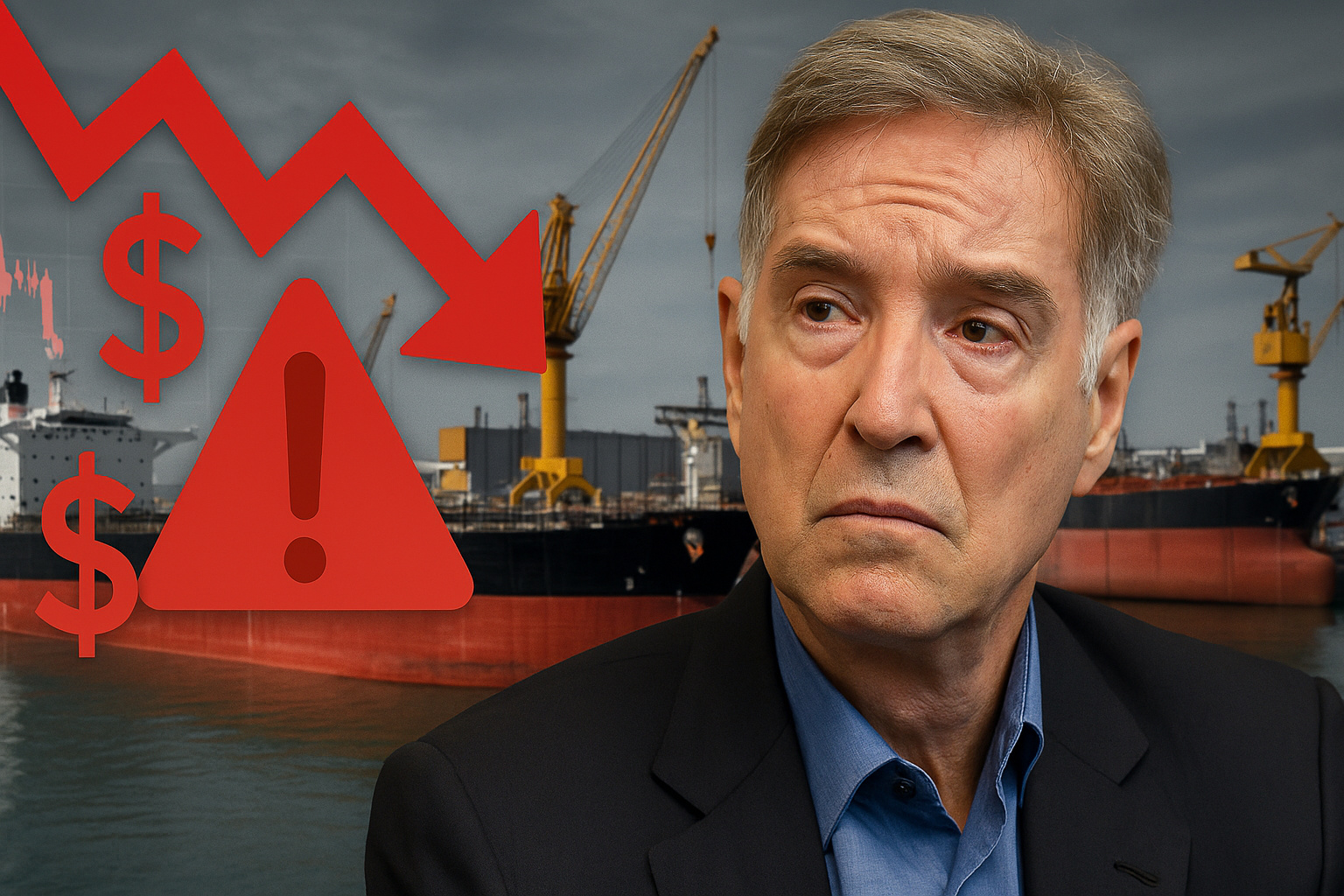
From A Fleet Of 120 Ships And R$ 8 Billion In Contracts To Bankruptcy: The Story Of OGX And OSX, The Empire Of Eike Batista That Promised To Dominate Brazilian Oil And Collapsed.
Few names in Brazil’s recent history have sparked as much fascination and controversy as Eike Fuhrken Batista. The son of former Minister of Mines and Energy Eliezer Batista, Eike built a public image as “the richest man in Brazil” and a visionary capable of transforming entire sectors of the economy. At his peak, he was the eighth richest man in the world, with a fortune estimated by Forbes at US$ 30 billion. Among his most daring ventures were OGX, focused on oil and gas exploration, and OSX, dedicated to shipbuilding and offshore activities.
The project was grand: to create an ecosystem of Brazilian companies capable of competing with international giants, producing ships and platforms domestically, and exploring megafields of oil along the Brazilian coast. However, within a few years, what seemed to herald a new cycle of prosperity turned into one of the largest corporate collapses in national history.
The Birth Of Empire X In Oil And Shipbuilding
OGX was founded in 2007 with a clear promise: to transform Brazil into a global hub for private oil exploration. Eike took advantage of the favorable moment—high oil prices, the discovery of the pre-salt layer, and an optimistic financial market—to raise record capital. The company’s IPO in 2008 raised an impressive R$ 6.7 billion, the largest in B3’s history up to that point.
-
He started running at 66 years old, broke records at 82, and is now a subject of study for having a metabolic age comparable to that of a 20-year-old, in a case that is intriguing scientists and inspiring the world.

-
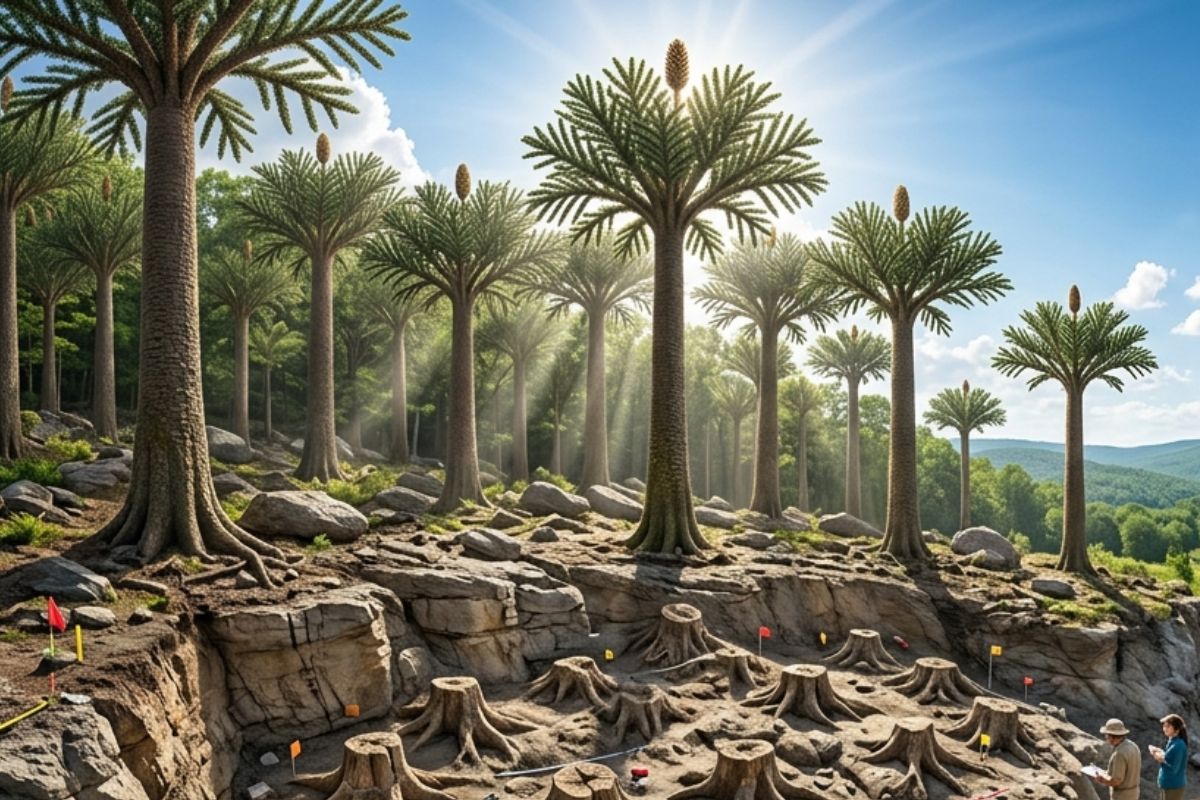
Oldest tree on the planet reappears after 130 years of searches: Wattieza, 385 million years old, was 10 meters tall and had no leaves or seeds; Gilboa fossils in New York solved the mystery in 2007.
-
A 48-square-meter house assembled in hours with 4,000 bricks made of recycled plastic that does not absorb moisture, has natural thermal insulation, and costs less than 90,000 reais in a complete kit.

-
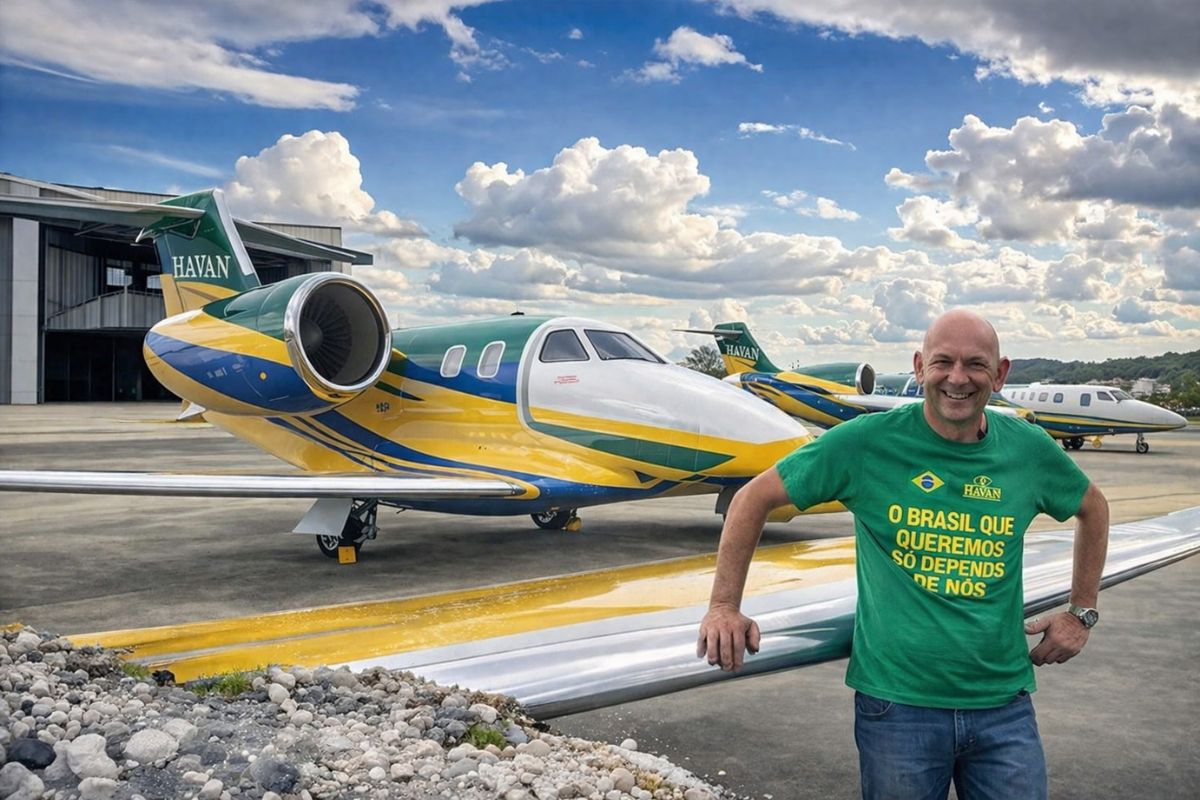
Luciano Hang revealed that Havan’s air fleet has already accumulated more than 20,000 landings, 10,000 flight hours, and 6 million kilometers traveled, and he says that without the planes, the company would never have grown so quickly.



At the same time, OSX was born, focused on building rigs, platforms, and ships to meet the demands of OGX and other oil companies. Inspired by Asian models, Eike decided to build a gigantic shipyard in Açu, along the coast of Rio de Janeiro, as part of a billion-dollar industrial complex.
The strategy seemed perfect on paper: OGX would explore oil, OSX would fabricate the necessary structures, and other companies in the group—such as LLX (logistics) and MPX (energy)—would complete the cycle, ensuring independence and synergy.
The Optimism That Beguiled The Market And Multiplied Contracts
Eike’s charisma and his ability to sell ideas captivated investors. Optimistic projections indicated that OGX could produce up to 1.4 million barrels per day in a few years—numbers that, if confirmed, would place the company among the largest oil companies in the world.
As a result, billion-dollar contracts began to be signed. OSX’s planned fleet included 120 vessels and platforms among drillships, FPSOs (floating production, storage, and offloading units) and oil tankers. Just with OGX, signed contracts totaled R$ 8 billion.

The market, swept up by this narrative, drove OGX’s stock to historic levels. In 2010, each share reached R$ 23.27, making the company one of the most valuable on the Brazilian stock exchange.
The First Cracks In The Glass Castle
What was not clear to the general public was that the production estimates were extremely optimistic and unrealistic. Well tests revealed productivity much lower than expected, and logistics for getting oil out was more complex and expensive than predicted.
Furthermore, OSX, created to be the infrastructure’s engine, failed to advance at the promised pace. The Açu shipyard was delayed, costs soared, and contracts depended almost exclusively on OGX itself, creating a risk of fatal dependency.
By 2012, internal reports began to point to serious problems in the explored fields. In the same year, Eike admitted that some areas would not have economic viability. Market confidence began to crumble.
The Financial Collapse And The Flight Of Investors
The turning point occurred in 2013 when OGX announced that its production would be far below promises and that it would be unable to meet financial obligations. The drop in shares was staggering: within months, they fell from over R$ 20 to cents.
With OGX in crisis, OSX lost its main client and also collapsed. In November 2013, OSX filed for bankruptcy protection with debts exceeding R$ 4.5 billion. In the same month, OGX did the same, with liabilities of approximately R$ 13 billion, the largest bankruptcy protection process in Brazilian history at that time.
Investors who believed in the project lost virtually everything, and Eike, who had flaunted the title of the richest man in Brazil, saw his fortune evaporate.
Economic And Social Impacts Of The Collapse
The ripple effect was devastating. Thousands of workers lost jobs in shipyards and platforms. The Port of Açu, which was supposed to be the base of a new industrial era in northern Fluminense, became marked by unfinished structures and abandoned areas.
The Brazilian naval sector, which had experienced a cycle of optimism driven by the pre-salt layer, entered a downturn. The breaking of contracts affected suppliers, subcontracted companies, and even municipalities that relied on royalties and ISS from large enterprises.
The Fall Of A Symbol And The Public Judgment
The case of Eike Batista became a landmark of how overexposure and excess promises can destroy a reputation. In 2017, he was preventively arrested as part of Operation Car Wash, accused of active corruption and money laundering. Despite claiming innocence, he was convicted and began serving his sentence under house arrest.
For many analysts, Eike was not just a victim of bad luck or oil volatility, but of a business model based on unrealistic expectations and aggressive marketing, without the necessary operational support.
The OGX and OSX case left a legacy of caution in the Brazilian market. The episode highlighted the importance of rigorous due diligence, technical project analysis, and risk diversification. It also reinforced the need for listed companies to maintain full transparency regarding production and financial outlooks.
Today, the Port of Açu operates under new management and is trying to distance itself from the negative image of the past, but the “X Empire” remains an example of a billion-dollar dream that collapsed in record time.









Seja o primeiro a reagir!