





 Portuguese
  English
  Spanish
  3 min of reading
  4 comments


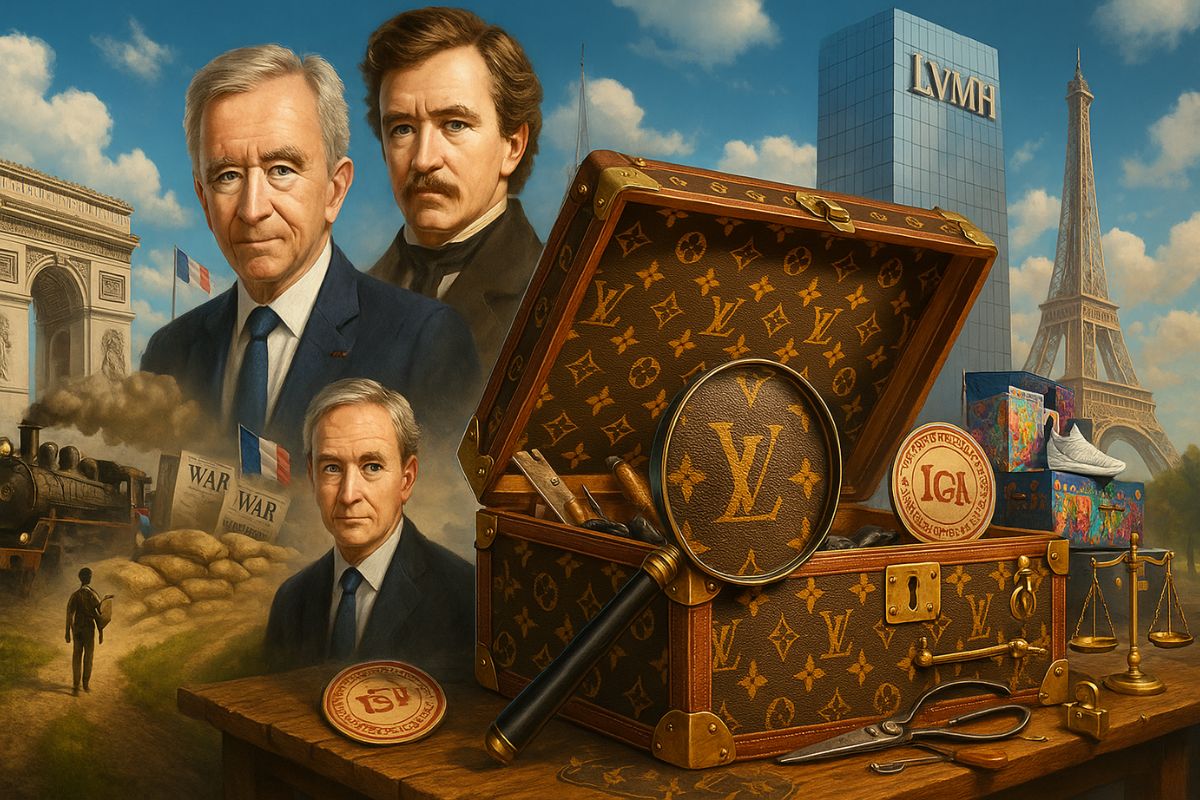


The Turning Point That Took Louis Vuitton From Flat Trunks To LV Monogram Innovation, Scaled With LVMH Under Bernard Arnault And Consolidated An Empire That Still Fights Counterfeits With Strategy And Design
Louis Vuitton is born from an unlikely story. From homeless teenager in France to elite craftsman in Paris, he observes the travel routines of the elite and transforms a utilitarian object into desire. By reinventing trunks with flat tops and lightweight canvas, he creates the technical foundation of a business that would endure wars, reconstructions, and disputes, until merging with LVMH and becoming synonymous with global luxury.
In the post-war period, the family professionalizes processes and protects the identity. The LV monogram becomes a shield and signature, while international expansion demands standardization, cataloging, artisan training, and a constant battle against counterfeiting. Decades later, the entry into LVMH, Bernard Arnault’s leadership, and bold collaborations reposition the brand for new generations, without abandoning the engineering of the trunks that gave rise to everything.
Origin, Paris And The Reinvention Of Trunks
Louis Vuitton learns the craft in workshops that manufactured and packaged custom luggage.
-
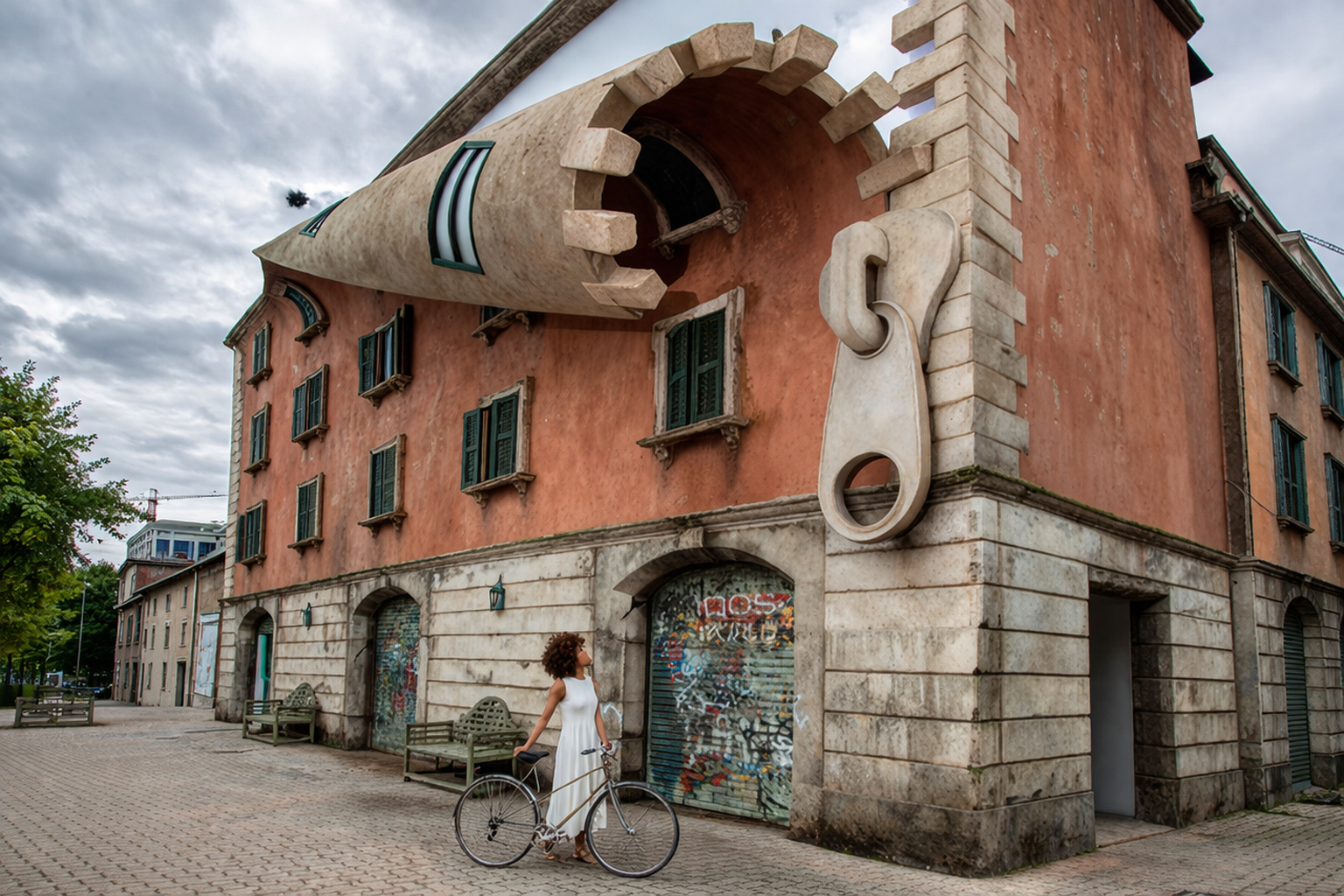
With a façade that resembles a giant zipper, the building in Milan creates a sense of strangeness, featuring lighting that transforms engineering and attracts the attention of residents and tourists.
-
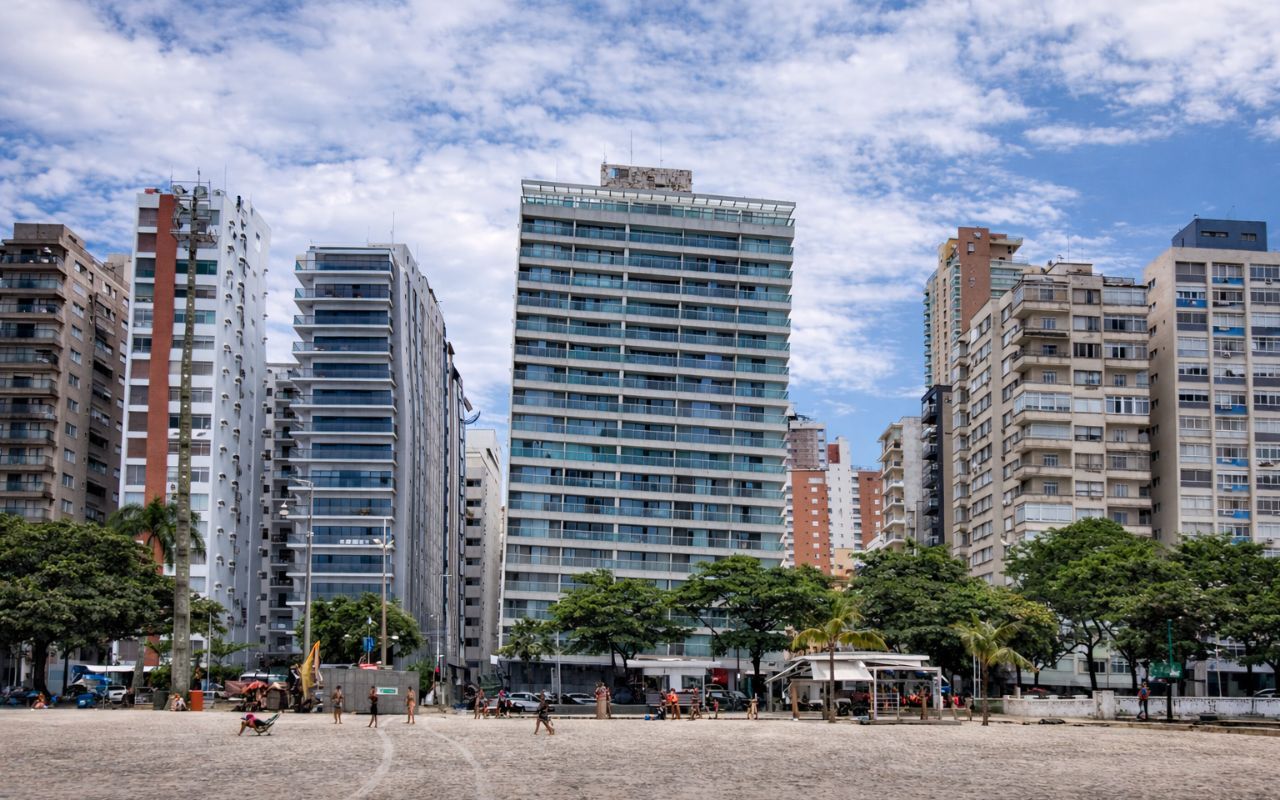
The Brazilian city has 319 crooked buildings built on sandy soil without proper deep foundations, houses the largest beach garden in the world, with over 5 km, and is still considered the birthplace of surfing — meet Santos, in São Paulo.
-
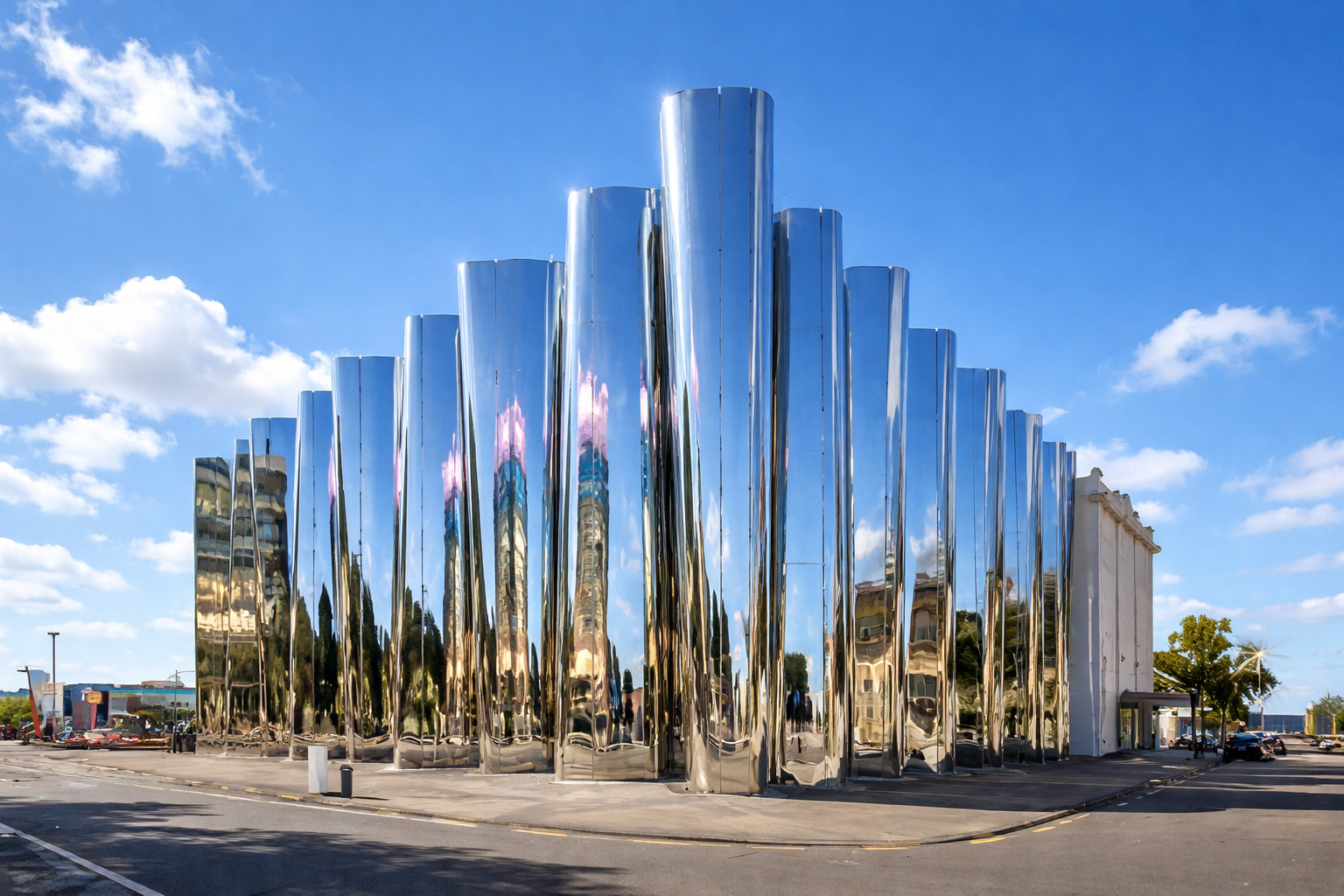
New Zealand builds a shimmering building that vibrates, featuring a 62-seat cinema, moving sculptures, and an environment where sound, light, and energy are felt in the body.
-
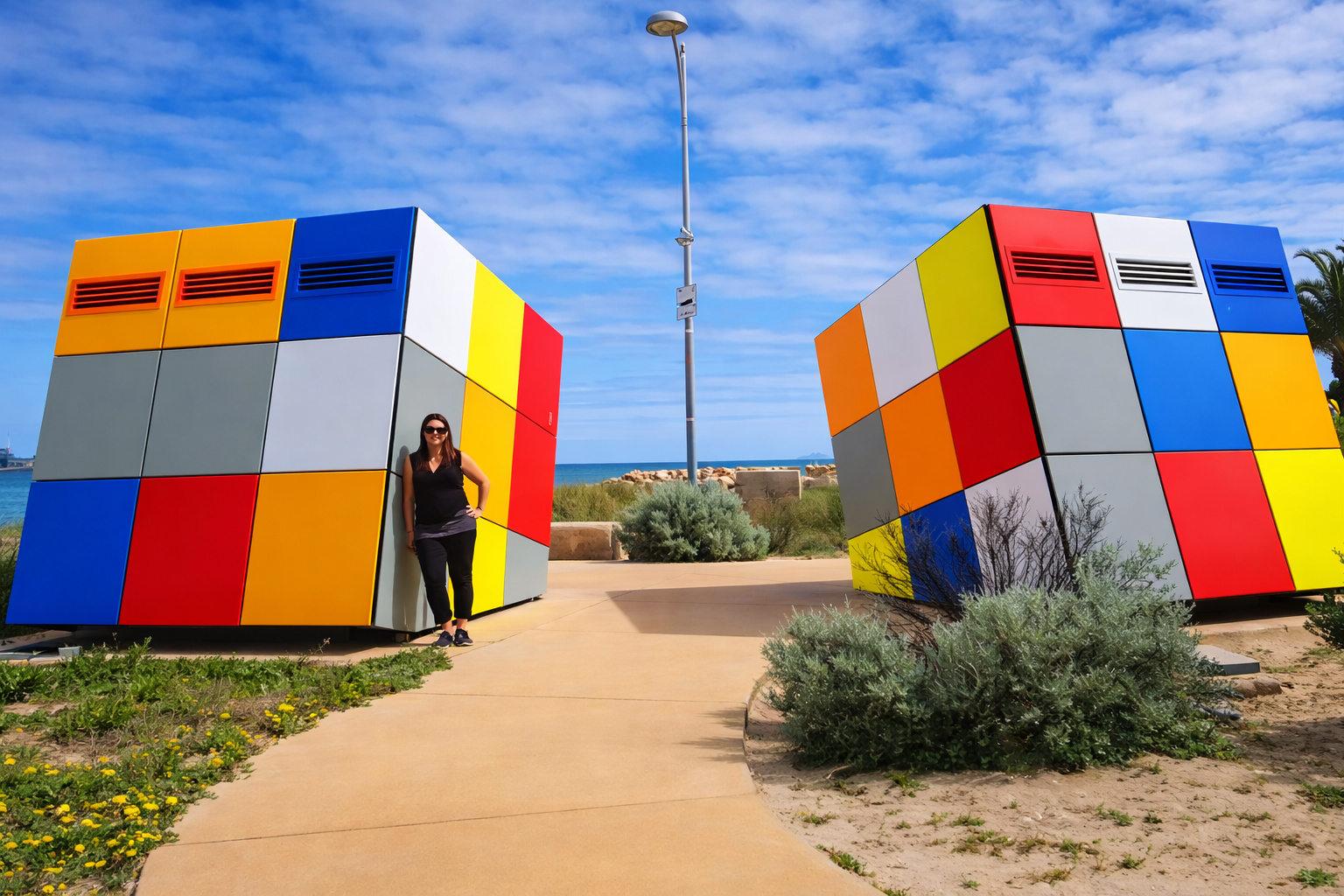
Two colored cubes of 2.5 m transform a public bathroom into a selfie spot in Western Australia, costing up to 75% less than traditional construction and helping to reduce vandalism in public spaces.
He notices the problem of stacking and humidity and designs trunks with flat tops in durable canvas.
The catalog and custom service elevate the experience.
The trunks become a status symbol and logistical solution, connecting technique, lightness, and efficiency.
With demand, the workshop grows, artisans are trained for a long period, and the reputation crosses borders.
The trunks are the founding product and remain the brand language to this day.
The war destroys the store and machinery. Louis Vuitton’s response is to reopen at a strategic point, next to a train station and hotel, with striped canvas lines and impeccable execution.
The focus returns to quality and the customer who travels by train and boat.
The discipline of production and reading the moment allow for margins to be regained and desire to be renewed, maintaining the essence that began with the trunks.
LV Monogram And Fighting Counterfeits
With popularity, counterfeits explode. The LV monogram emerges as a visual signature and protection system.
The LV monogram facilitates identification, standardizes finishes, and makes low-quality copies difficult, alongside proprietary locks and hardware.
Throughout the 20th century, each collection revisits the LV monogram to balance heritage and novelty, maintaining the same purpose: to protect value and punish counterfeits.
Professionalization culminates in the union with LVMH, which integrates fashion, leather goods, watches, and luxury beverages.
LVMH adds capital, distribution, and governance, accelerating stores, supply, and marketing.
Subsequently, Bernard Arnault expands the portfolio and imposes execution discipline, focusing on margin, scale, and brand consistency.
Under LVMH and Bernard Arnault, the house preserves its heritage while accelerating commercial innovation, consolidating its global leadership.
Collaborations And Pop Culture Without Losing The Technical Core
Successive creative directions experiment with materials, colors, and partnerships.
The collaborations reinterpret the LV monogram, create new surfaces, and keep the brand visible among digital generations.
Even when communication changes, the technical core remains: construction, hardware, quality control, and craftsmanship trained for years.
LVMH and Bernard Arnault sustain this balance between scale and perceived scarcity.
Three pillars explain the longevity: strong founding product (the trunks), identity protected by the LV monogram, and LVMH’s corporate platform with Bernard Arnault’s leadership.
When counterfeits press, the response combines legal action, material innovation, and narrative.
When the market changes, the house returns to the archive, proportions, and ergonomics that Louis Vuitton learned from daily contact with travelers.
The trajectory of Louis Vuitton connects survival, technique, and corporate strategy.
From flat trunks to the LV monogram, from post-war reconstruction to LVMH under Bernard Arnault, the brand proves that product innovation and identity protection can transcend centuries and fashions, keeping counterfeits under control and desire high.
If you could revisit history, which piece would you choose to wear today – a classic trunk, a bag with the LV monogram, or a special edition released during the LVMH era under Bernard Arnault?







His son created the LV monogram after his death. 2 minutes of research would have told you that.
Nem parece que era sem teto, hoje para você entrar na loja tem que ter status e pra acessar o site tem que ter permissão.
Caro Bruno Teles, se os mais de 7 mil artigos que você tem publicado tiverem a mesma consistência deste, receio dizer que este número não deveria ser motivo de orgulho. Além do tom exagerado, há erros factuais graves. Louis Vuitton não criou o monograma LV – ele já havia falecido quando seu filho, Georges Vuitton, o desenvolveu em 1896. Também é impossível que Louis tenha “se unido à LVMH com Bernard Arnault”, já que a fusão que originou o grupo aconteceu um século depois de sua morte. Da mesma forma, as colaborações icônicas da marca com artistas e designers contemporâneos não ocorreram na época dele; são fruto da fase moderna da empresa sob o LVMH. Por fim, transformar o atual império bilionário do conglomerado em mérito direto do fundador distorce completamente a linha do tempo.
E o mais curioso é que todas essas inconsistências estão apenas no título – nem cheguei a me aprofundar no restante do texto, que provavelmente contém ainda mais imprecisões. Se a intenção é informar, revisar os fatos é o mínimo necessário para honrar o leitor – e a própria história que você tenta contar.
Teve mais juizo do que eu, que li tudo e cheguei ao fim na mesma.