






 Portuguese
  Spanish


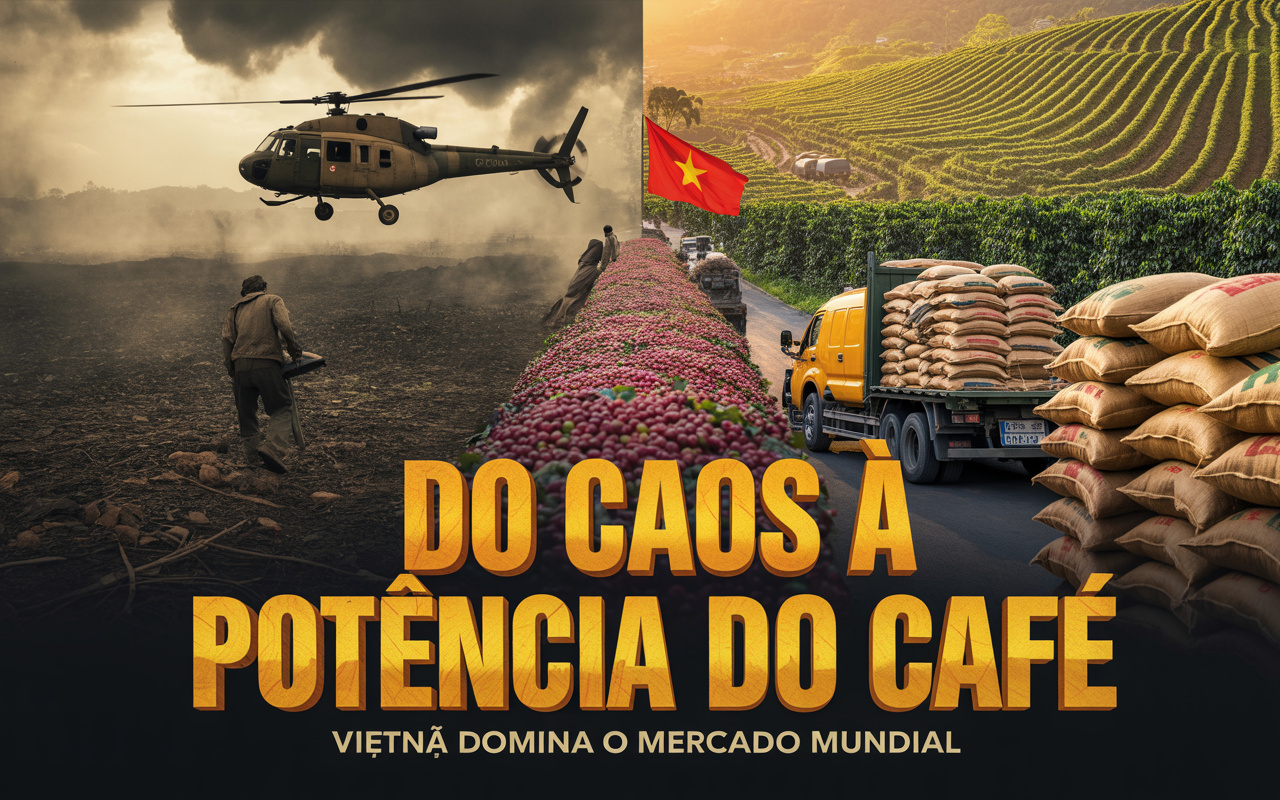


Vietnam Got Out of Extreme Poverty to Become a Global Coffee Power, Producing More Than 1.8 Million Tonnes Per Year and Dominating the World Market for Robusta.
For decades, the name Vietnam was synonymous with war, destruction, hunger, and economic backwardness. After the end of the conflict in 1975, the country remained one of the poorest on the planet, with uncontrolled inflation, food shortages, and almost total dependence on international aid. Almost half a century later, the same nation occupies a strategic position in one of the world’s most powerful agricultural markets: coffee. Today, Vietnam is the second largest global producer, an absolute leader in robusta beans, responsible for about 40% of the global supply of this variety, with an annual production exceeding 1.8 million tonnes.
This transformation was not random nor a stroke of luck. It involved profound reforms in the economic model, opening up to the international market, mechanization in the fields, massive state support for agriculture, and a complete reconfiguration of the country’s position in global trade.
Extreme Poverty in the Post-War Period and the Economic Collapse That Marked the 1970s and 1980s
At the end of the Vietnam War in 1975, the country was economically devastated. Infrastructure had been bombed for years, millions of people were displaced, and the centralized economic model implemented in the post-war period could not guarantee sufficient food production or generate surplus for export.
-
Low-Demand Brazilian Beef Offal Gains Popularity Abroad: Indonesia Purchases $19.5 Million, Boosting Revenue and Reducing Waste

-
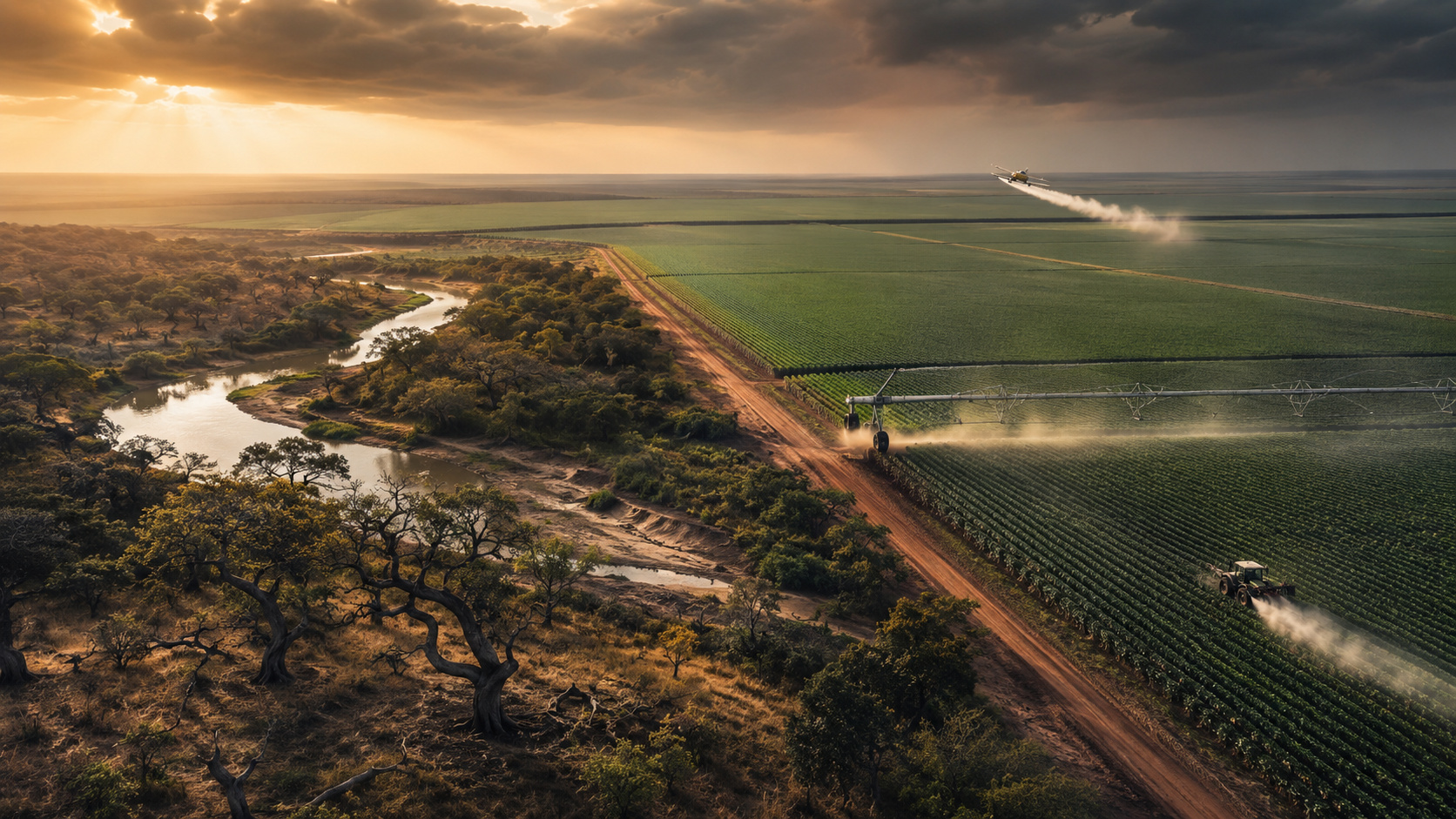
Soy Expansion in Former Brazilian Savanna Sparks Water and Land Conflicts in Major Agricultural Frontier
-
Mexican Pest Threatens U.S. Cattle Herds at Historic Lows, Potentially Boosting Brazilian Beef Exports as Burger Prices Soar

-
Avocado Boom for European and U.S. Markets Fuels Water Crisis in Drought-Stricken Chilean Region





In the following years, Vietnam faced chronic shortages, hyperinflation, declining productivity, and commercial isolation.
By the turn of the 1980s, more than 70% of the population lived below the poverty line, and the country ranked among the poorest in Asia. The fields still used rudimentary techniques, mechanization was low, and there was almost no integration with global value chains.
The Economic Turn with Đổi Mới and the Opening to the International Market
The transformation officially began in 1986, with the implementation of the reform program known as Đổi Mới. The Vietnamese government promoted a historic turnaround by allowing private ownership in the fields, liberating agricultural production for export, opening the country to foreign investment, and reducing direct state control over production.
It was in this new environment that coffee began to be seen as a national strategic asset. The government encouraged farmers to replace unprofitable crops with coffee plantations, expanded rural credit, created large-scale irrigation programs, and attracted multinational companies in the sector.
In less than 15 years, Vietnam went from being an irrelevant producer to becoming a global giant.
Explosion of Production: From Marginal Exporter to Giant of Robusta Coffee
In the early 1990s, Vietnam’s annual coffee production was still less than 100,000 tonnes. Today, the country harvests more than 1.8 million tonnes per year, a figure that in some harvests has approached 2 million tonnes.
Of this volume, the overwhelming majority is from the robusta variety, a more resilient bean, more productive per hectare, and widely used in the production of instant coffee, commercial blends, and industrial beverages.
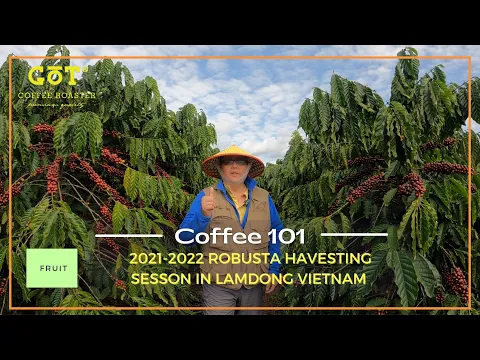
Vietnam accounts for approximately 40% of all global robusta production, a position that gives it direct power over international prices of this coffee category.
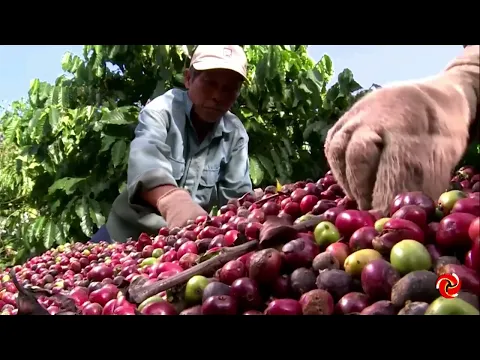
Production is concentrated mainly in the Central Highlands regions, such as Đắk Lắk, Gia Lai, and Lâm Đồng, areas that have received massive investment in irrigation, soil correction, partial mechanization, and crop densification.
How Vietnam Began to Influence Global Coffee Prices
The Vietnamese dominance over robusta made the country a key player in the formation of international market prices. Any climatic fluctuation in Vietnam — droughts, excess rainfall, phenomena like El Niño — generates an almost immediate impact on commodity exchanges.
When Vietnamese production declines, robusta prices rise globally. When there is a bumper crop, prices tend to fall. This is because the global instant coffee and commercial coffee industry depends directly on Vietnamese supply.
In practice, Vietnam has become one of the main natural regulators of the global robusta coffee market, alongside only Brazil, but with even greater weight in this specific variety.
The Social Impact of Coffee Cultivation on Income and Rural Employment
The rise of coffee has profoundly transformed the social structure of rural Vietnam. Millions of small producers began to have regular income, access to credit, rural electrification, and improved living standards.
Regions that once lived on subsistence economies began to integrate into global export chains. Coffee became one of the main drivers of rural poverty reduction in the country over the past three decades.
Between the 1990s and 2020, Vietnam lifted tens of millions of people out of poverty, and agribusiness — with coffee at its center — was one of the pillars of this process.
The Role of Multinationals and the Industrialization of Vietnamese Coffee
Giants of the food and beverage sector established units in the country or entered into direct purchase contracts. Vietnam not only exports green beans but also expanded its industrial processing capacity, with factories for instant coffee, roasting, and blends geared towards the international market.
Today, the country exports coffee to more than 80 countries, with highlights for the European Union, the United States, and China. The Vietnamese bean is present in global fast-food chains, international instant coffee brands, and supermarket chains around the world.
The Environmental Risks of Accelerated Production Growth
The rapid expansion has also brought challenges. The intensive use of irrigation puts pressure on water reserves. Monoculture has increased vulnerability to pests. There are growing concerns about soil degradation and historic deforestation in the areas of initial expansion.
In recent years, the government and cooperatives have been investing in sustainable production programs, with reduced pesticides, efficient water management, and international certifications to meet the environmental requirements of the European market.
The Contrast of Trajectories: From Isolation to Total Integration into Global Trade
In less than 40 years, Vietnam has traveled one of the fastest paths of economic transformation ever documented. It has gone from an economy destroyed by war and political embargoes to becoming one of the world’s largest agricultural exporters.
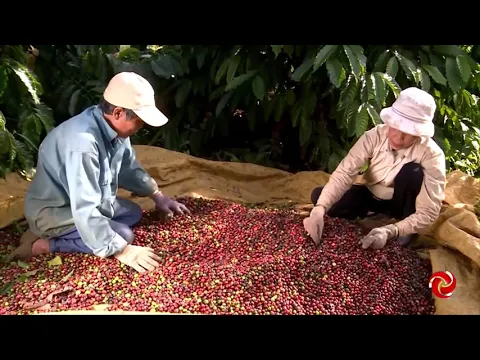
Coffee symbolizes this turning point: it is simultaneously an agricultural product, a global financial asset, a domestic social engine, and a geopolitical instrument of international integration.
Today, when robusta prices fluctuate on international exchanges, investors, roasters, and governments look directly to the Vietnamese plantations. The country has ceased to be merely an exporter to become one of the nerve centers of the global coffee market.
The Vietnam that was once synonymous with war and misery now generates billions of dollars per year in one of the planet’s most consumed commodities.


Good day! I’m humbly offer our farm lots and beach lot in the Philippines.
100 ha
Island for sale
P200m all in
Negotiable
Talibon, Bohol
Suitable in resort, seaweed plantation and oyster farm
Tax declaration or TCT and permit from the Department of Environment and Natural Resources or DENR.
125 ha
P500/sqm
Beach lot
Negotiable
Ubay, Bohol
Suitable in resort, seaweed plantation and oyster farm
Clean title and complete documents
5 ha
Beach lot
P5,000/sqm
Negotiable
Anda, Bohol
Suitable in resort, seaweed plantation and oyster farm.
Clean title and complete documents.
Contact person: Madam Zenaida Quisto
Chat her in Messenger
200 ha
Talakag, bukidnon, Philippines
Farm lot
Barangay road
1km away from the highway
Clean title and complete documents
Suitable in all kinds of agricultural products and livestock products.
If you are interested, you can view the area. At your most convenient time.
1,000 ha
P5m per ha
Negotiable
Panabo, Davao del Norte, Philippines
Farm lot
Suitable in all kinds of agricultural products and suitable also in all kinds of livestock products.
Clean title and complete documents
Concrete road
If you are interested, you can view the area. At your most convenient time.
WhatsApp number: +63950 2360 783
1,682 ha
P550k per ha
Last price
Loreto, agusan del sur, Philippines
Clean title and complete documents
Concrete road
Flood free area
Suitable in all kinds of agricultural and livestock products
If you are interested, you can view the area. At your most convenient time.
WhatsApp number: +63950 2360783
1,569 ha
P800k per ha
Negotiable
Farm lot
Lun masla, malapatan, sarangani
Concrete road
Clean title and complete documents
If you are interested, you can view the area. At your most convenient time.
800,000 ha
P 25,000 per ha
Long term lease
Negotiable
Farm land
Laak, Davao de Oro, Philippines
Along Barangay road
Suitable in all kinds of agricultural products and suitable also in poultry farm, goat farm, sheep farm and cattle farm.
The documents are only Rights. For sure, there is Rights.
There are source of water and electricity.
The peace and order is very excellent.
Contact person: Tol Just Narisma
WhatsApp number: +639502360783