





 Portuguese
  English
  Spanish
  4 min of reading
  1 comment


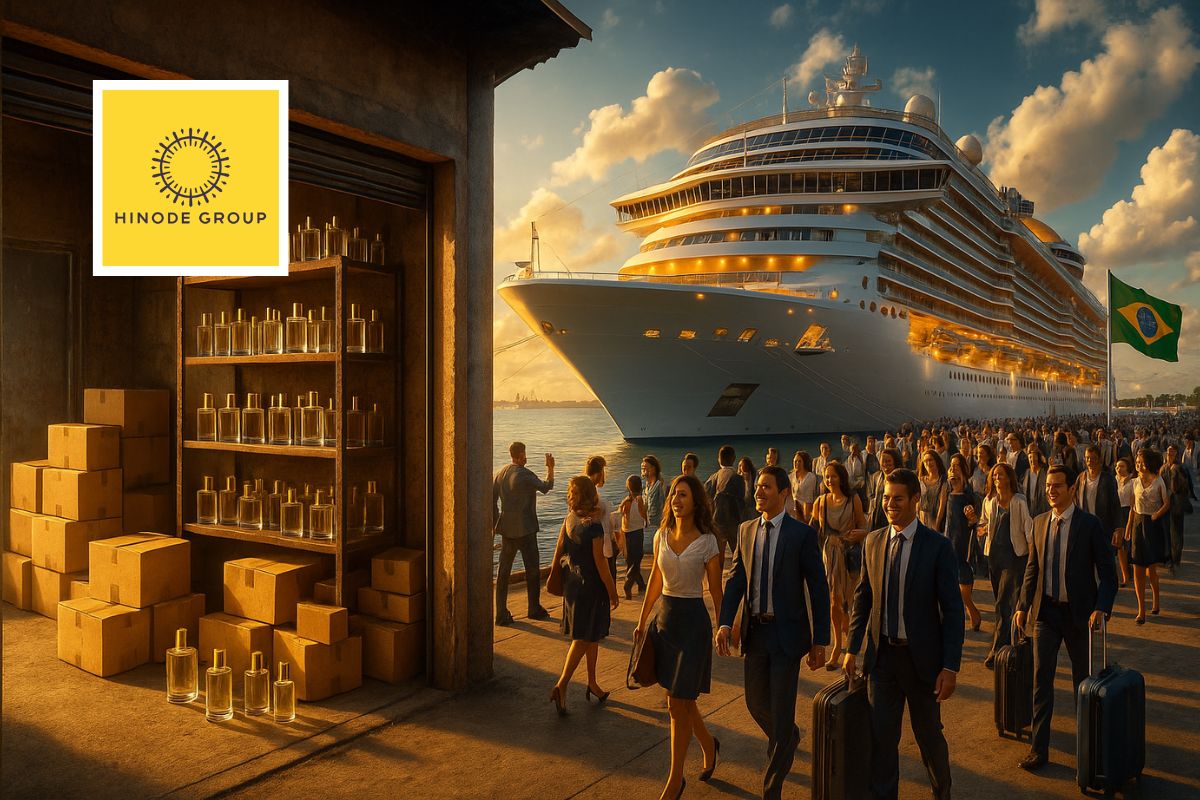


Hinode: From Perfumes in the Garage to Luxury Cruises, the Empire That Fell and Tries to Reborn with Rebranding and Gusttavo Lima
Hinode was one of the most remarkable phenomena of Brazilian entrepreneurship, blending charisma, luxury, and promises of rapid financial ascent. From a small garage in São Paulo, the family business turned perfumes into a symbol of success and created a legion of sellers who saw in the company a chance to change their lives. In just a few years, Hinode filled stadiums, cruises, and auditoriums, moving billions and becoming synonymous with meteoric growth.
But the same system that propelled it was what caused its downfall. The multi-level marketing model, the exaggerated focus on recruitment, and the dependence on monthly activation undermined the sustainability of the business. Today, after years of crisis and loss of credibility, Hinode is trying to be reborn with a rebranding focused on transparency, technology, and a new heavyweight partnership: singer Gusttavo Lima.
The Beginning in the Garage and the Dream of Overcoming
The story of Hinode began in 1988 when the couple Francisco and Adelaide Rodrigues decided to manufacture and sell perfumes to supplement the family income.
-
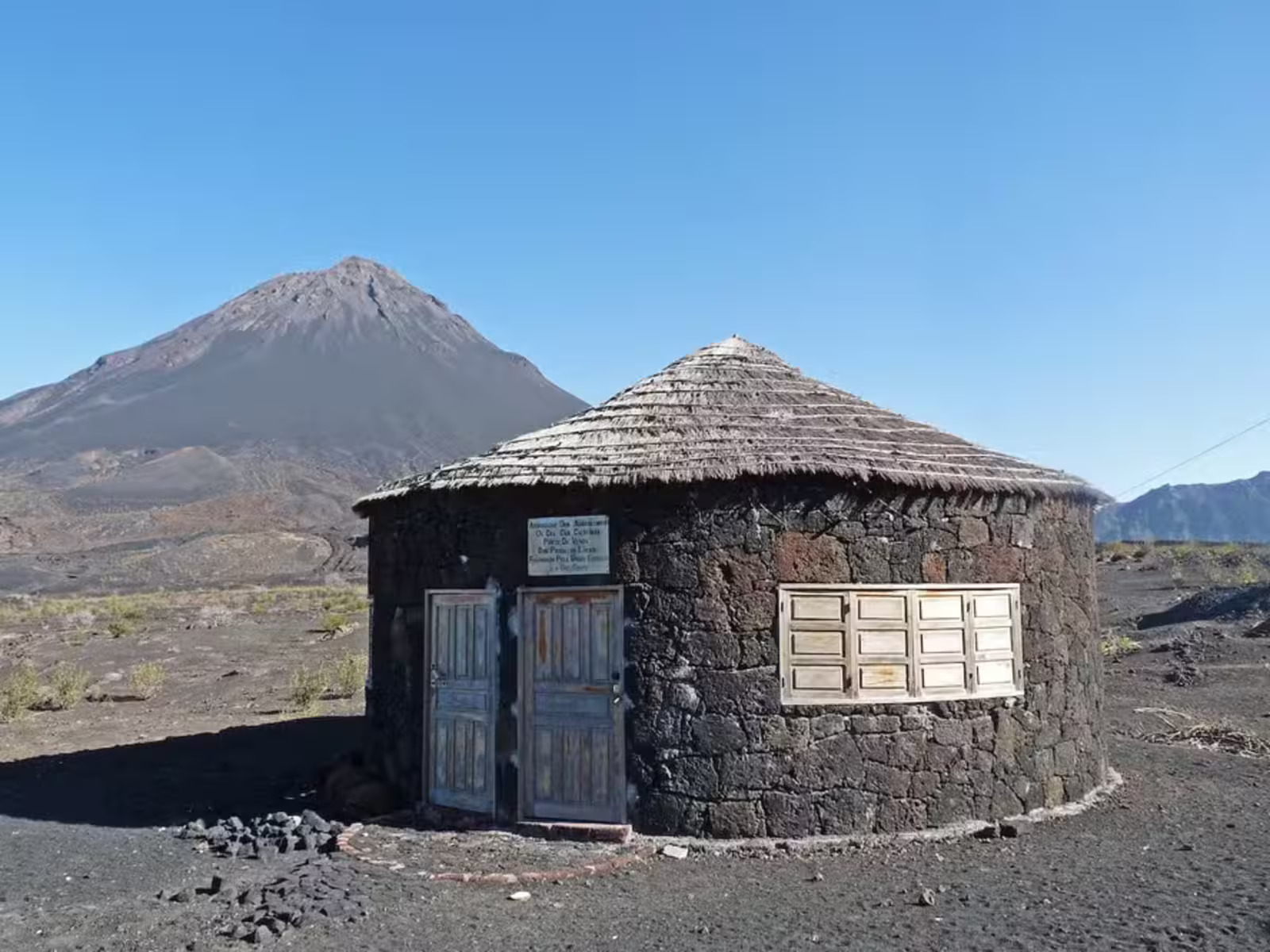
Inside an active volcano in Africa, residents use volcanic rocks to build houses in an impressive setting.
-
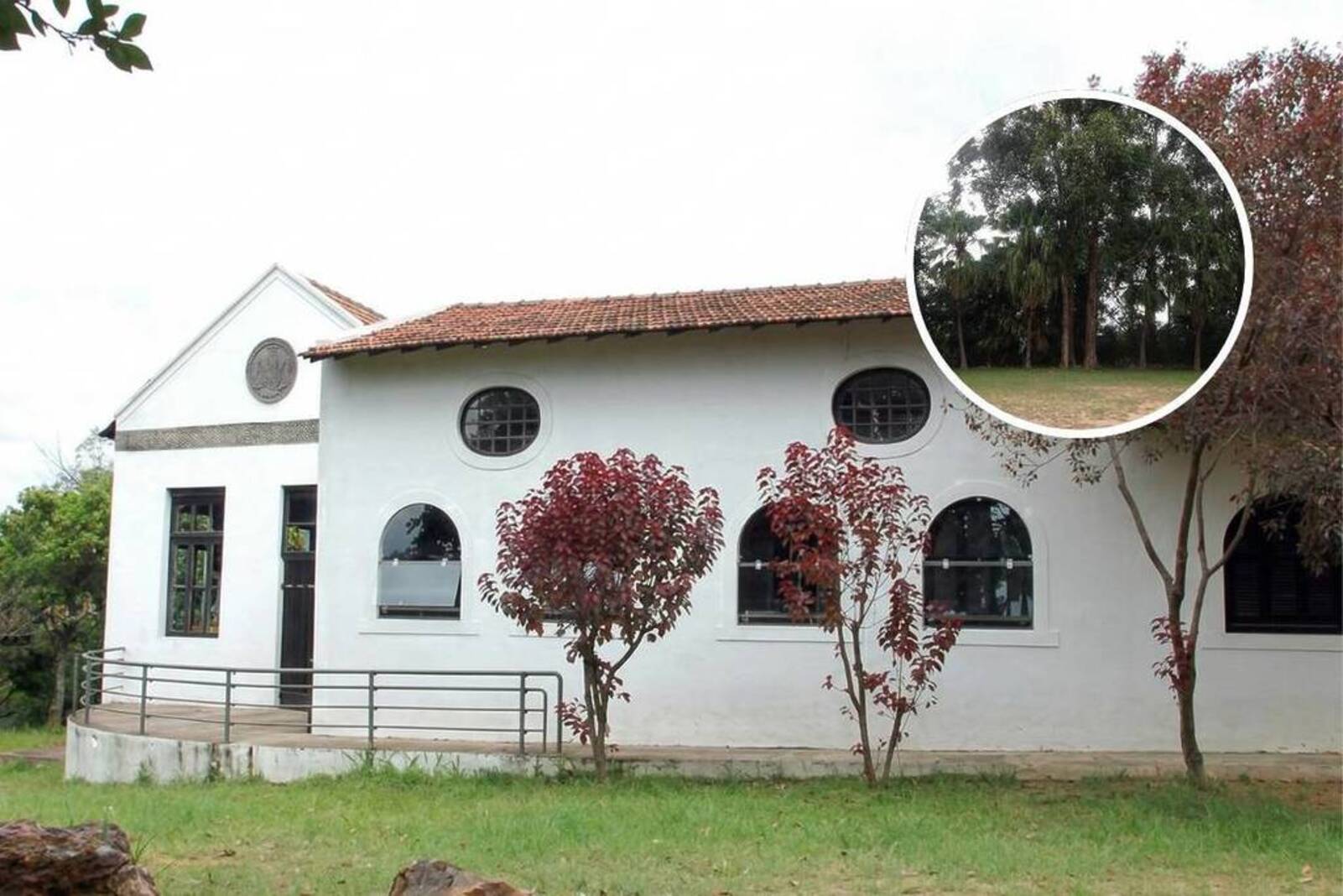
After 14 years of waiting, a rammed earth mansion built in 1702 in the North Zone of São Paulo will become a park with leisure facilities and green areas, with a million-dollar investment.
-
With 2 unfinished nuclear reactors, up to 25 billion in costs, and proven fraud, the Nukegate case has left 800,000 consumers still paying today for energy that will never be produced.

-
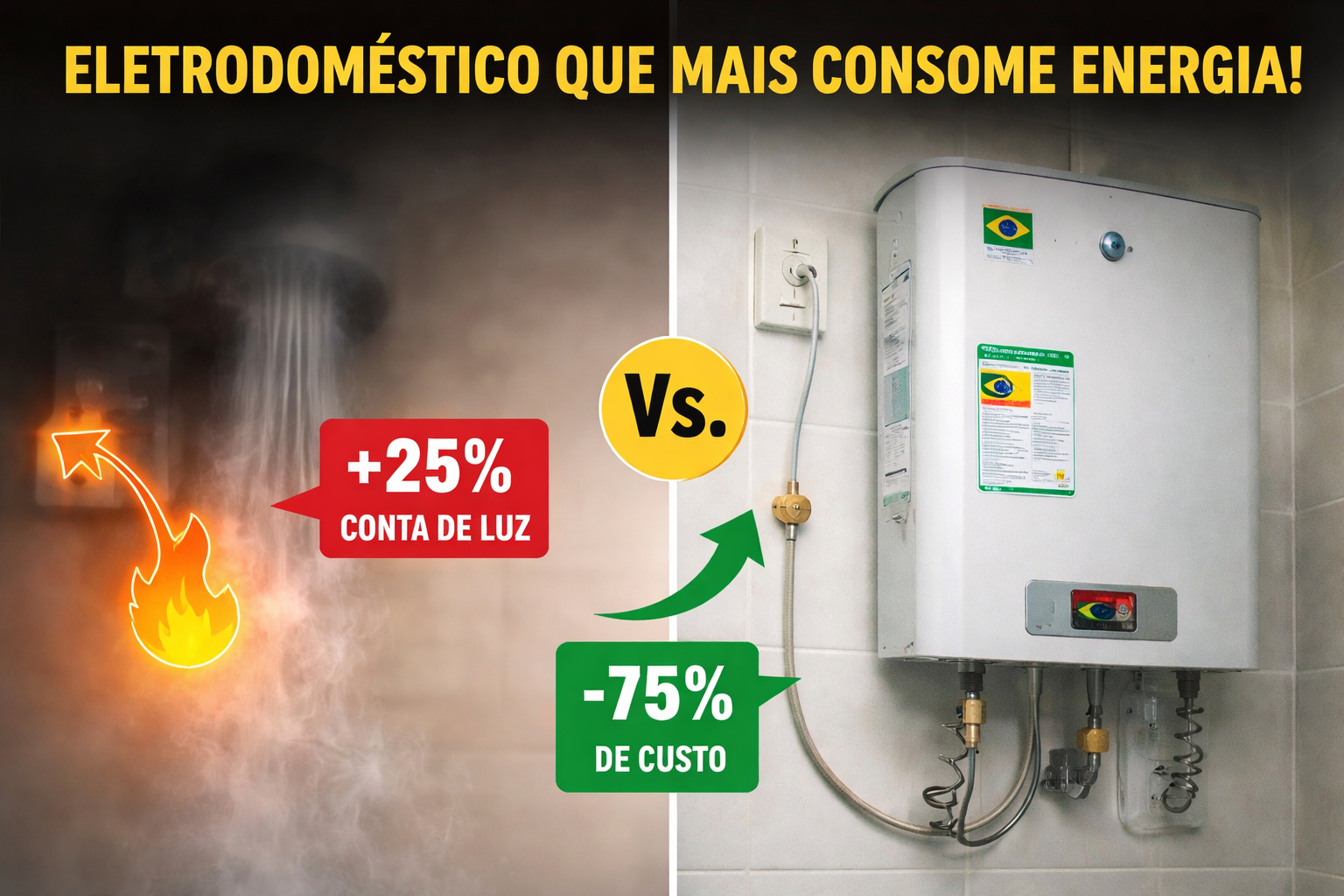
The household appliance that consumes the most energy in Brazilian homes is not the air conditioner; it is located in the smallest room of the house, is used daily, and can account for up to 25% of the electricity bill, while an alternative in the same outlet can reduce this cost by up to 75%.

The business grew based on direct sales and the motto of providing opportunities for those who wanted to entrepreneur.
For two decades, the model remained stable but limited in revenue, which led to a search for new expansion strategies.
The eldest son, Sandro Rodrigues, saw in multi-level marketing a way to scale the business.
The format allowed for profit not only from product sales but also from recruiting new consultants.
The initial success was modest, but the family’s persistence turned Hinode into a national phenomenon in the 2010s.
The Peak and the Luxury Ships
Between 2012 and 2018, Hinode experienced its golden age. The company dominated the direct sales market with grand events, public recognitions, and a culture of personal success.
Outstanding consultants were rewarded with cars, international trips, and exclusive cruises, the ultimate symbol of the ascent promised by the brand.
The gatherings filled stadiums like Allianz Parque, and the consultants became true influencers in the realm of network marketing.
Hinode reached over 800,000 consultants and revenue exceeding R$ 2.8 billion in 2018. It was the company’s peak, supported by a narrative of prosperity and belonging.
The Fall: Monthly Activation, Saturation, and Shortages
The growth model crumbled when the practice of monthly activation, a requirement for minimum purchases to maintain bonuses, generated stockpiling and frustration among consultants.
Many accumulated products without selling, just to avoid losing commissions. Recruitment saturated, and actual sales did not keep pace.
At the same time, serious operational failures emerged. Products began to run out, orders were not delivered, and the portfolio lost innovation.
Consultants’ trust crumbled, and the brand became associated with the image of a financial pyramid, even though it operated legally within multi-level marketing.
The result was a sharp decline: a loss of more than 200,000 consultants and revenue reduced to less than R$ 800 million in 2023.
The Restructuring and Rebranding of Hinode
To avoid definitive collapse, Hinode initiated a process of professionalizing management. The Rodrigues family stepped away from operations, and market executives took over the command.
The new CEO, Marília Roca, led a restructuring focused on digital transformation, strengthening international presence, and cleaning up the public image.
The brand also began to adopt ESG practices, publishing sustainability reports and distancing itself from the ostentation of its golden times.
In 2024, Hinode invested in a strategic partnership with Gusttavo Lima, becoming the official distributor of the GL fragrance line.
The association with a consolidated name in Brazilian music aims to reconnect the brand with a younger audience and rebuild its reputation based on product and credibility.
The case of Hinode is an example of how rapid success can turn into a trap when there is no structural support.
Multi-level marketing took the company to the top, but the excessive dependence on recruitment destroyed the balance between sales and actual consumption.
By now betting on branding, governance, and solid partnerships, Hinode attempts to regain lost trust.
Its new phase is less about glamour and more about reconstruction. The challenge is to prove that the brand can reinvent itself in a skeptical and competitive market.
Do you believe that Hinode‘s rebranding with Gusttavo Lima can truly restore public trust, or does the brand still carry the weight of the past?







O povo tá acreditando tanto na parceria, que preferem nem comentar. 0 comentários… Kkkkk