





 Portuguese
  English
  Spanish
  4 min of reading
  0 comments



The 1958 Rural Willys Was the First SUV Produced in Brazil, a Symbol of Life in the Countryside and Today It Is Sought After as a Relic by Collectors.
In 1958, Brazil was experiencing a phase of accelerated industrialization and opening up for local vehicle production. It was in this context that the Rural Willys emerged, a robust and spacious utility vehicle that would become a landmark in the national market. Initially produced by Willys-Overland do Brasil, the Rural was the first SUV manufactured in Brazilian territory, inspired by American models created after World War II.
With straight lines, an imposing front, and a spacious cabin, the Rural was designed to tackle both dirt roads and growing urban centers. It quickly became a versatile option for families, merchants, and rural producers, establishing itself as one of the most iconic vehicles of its time.
An SUV Even Before the Term Existed
In the 1950s, the acronym “SUV” was not yet popular, but the Rural already featured characteristics that would define this segment: spacious body, elevated driving position, mechanical resilience, and the ability to tackle difficult terrains.
-
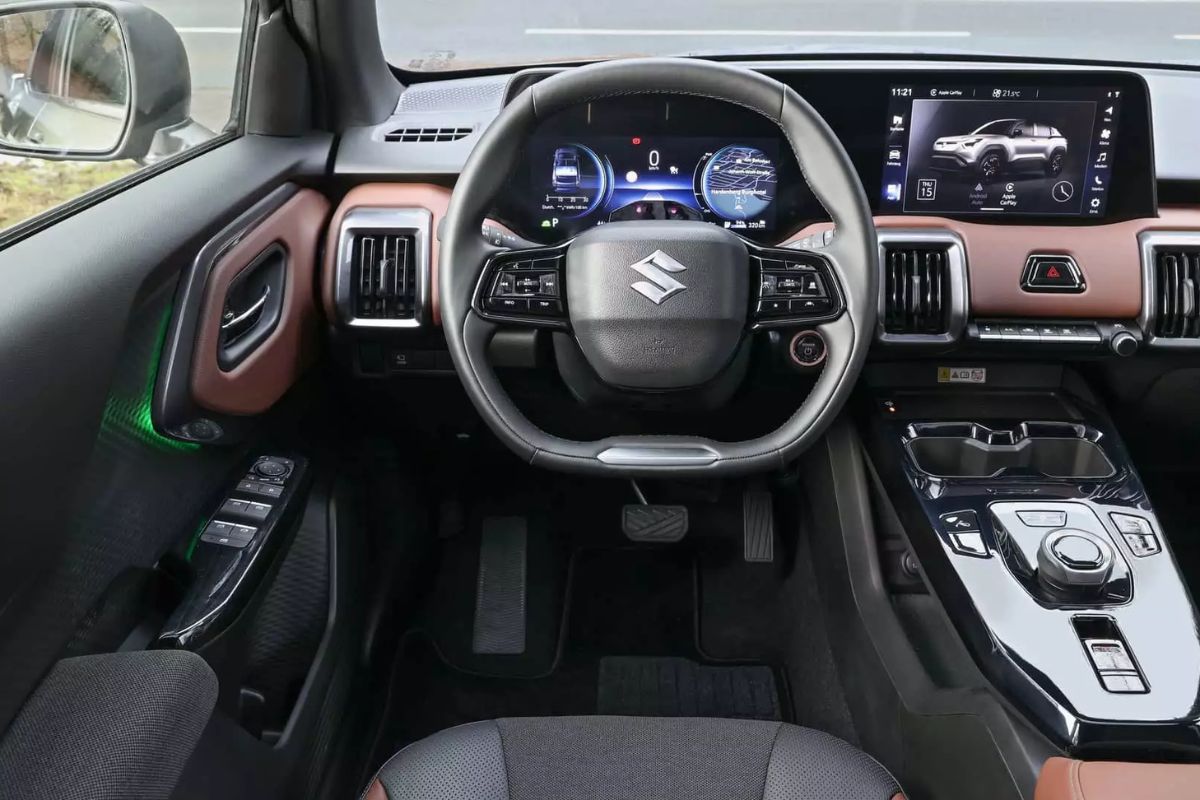
The 2026 electric Vitara arrives in Brazil and proves that Suzuki is not leaving: 4×4 traction, 184 hp, 61 kWh LFP battery, 293 km range, R$ 259,000, and a trunk capacity of 224 L.
-
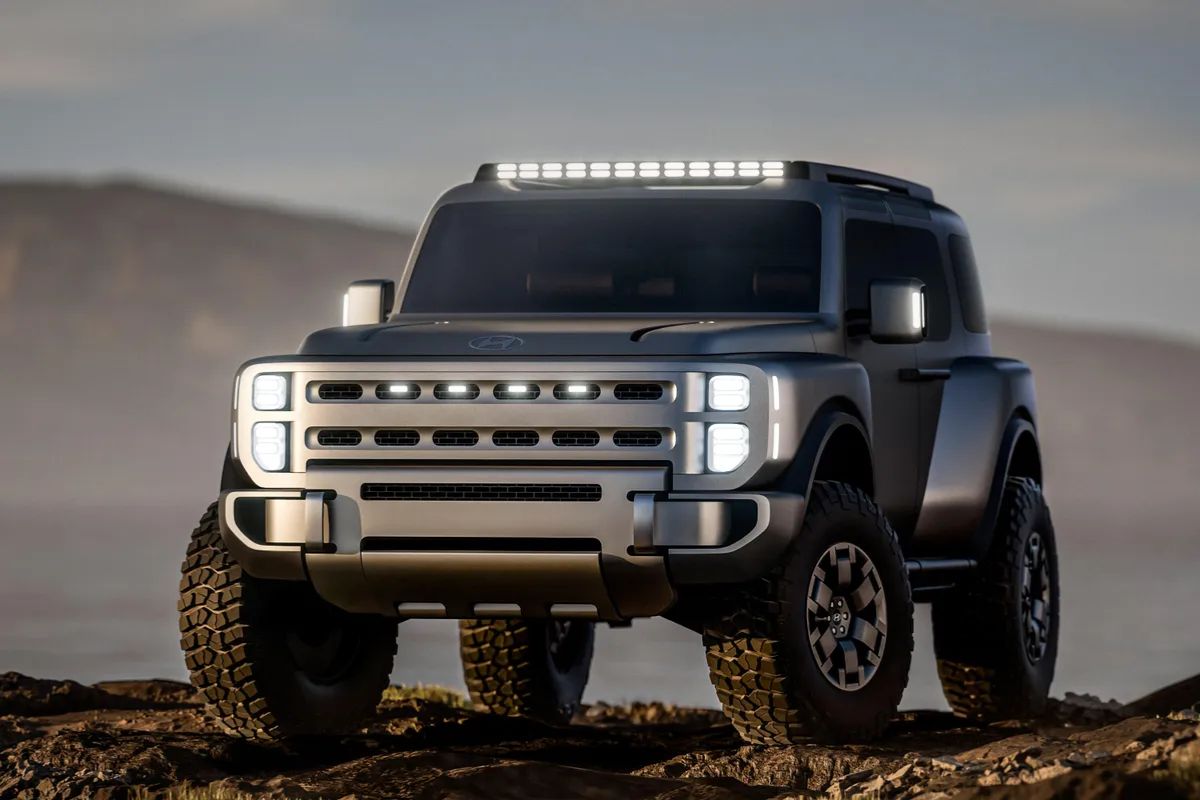
Hyundai has unveiled the Boulder, a square SUV with a body-on-frame design, 37-inch mud tires, and carriage-style doors that seems to be made to take on the Ford Bronco and the Scout Traveller in the United States.
-
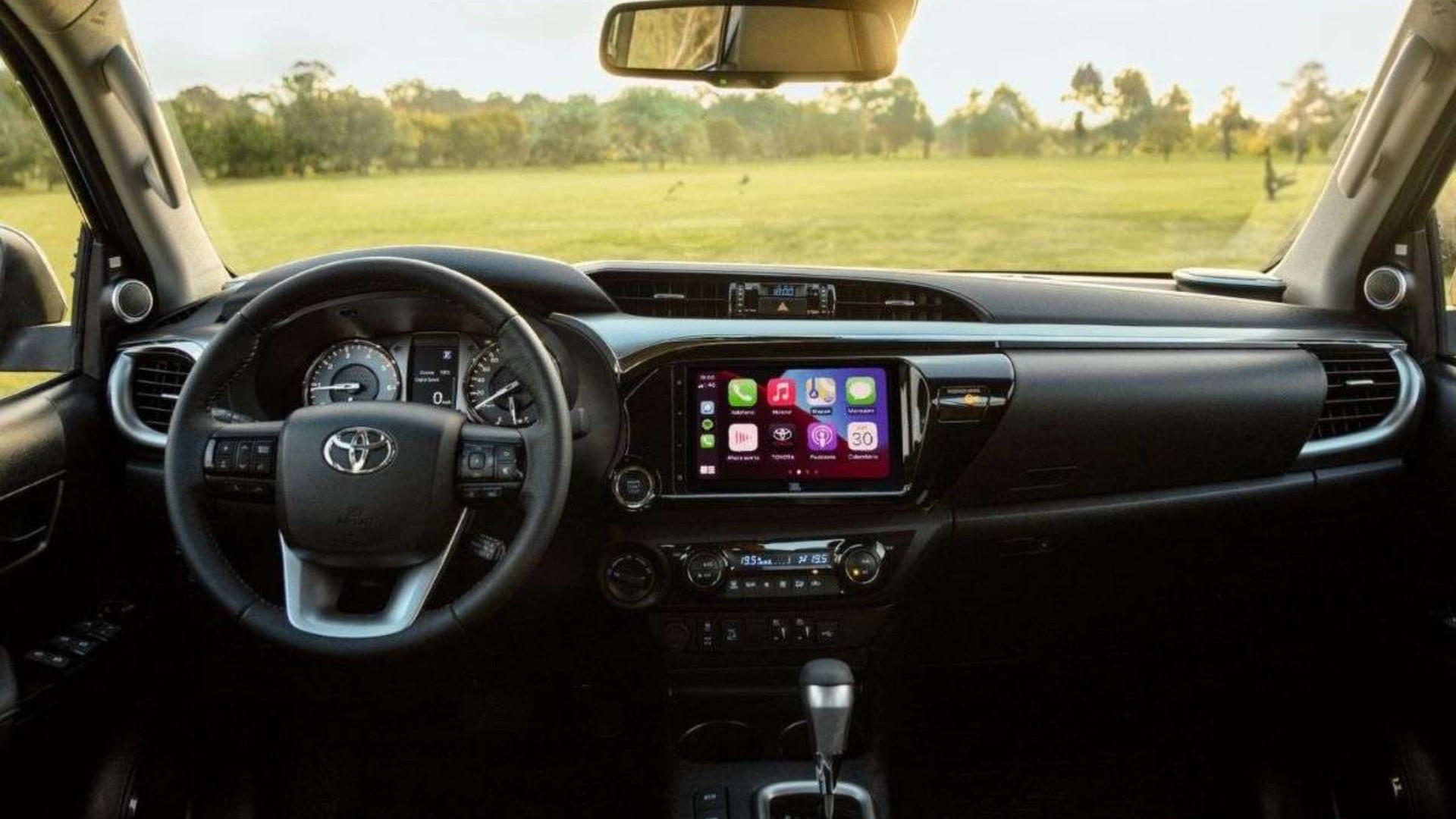
The Toyota Hilux is R$ 75.5 thousand cheaper and bets on the 2.8 turbodiesel engine with up to 204 hp and 50.9 kgfm to catch up with the VW Saveiro, which leads with 4,472 sales.
-
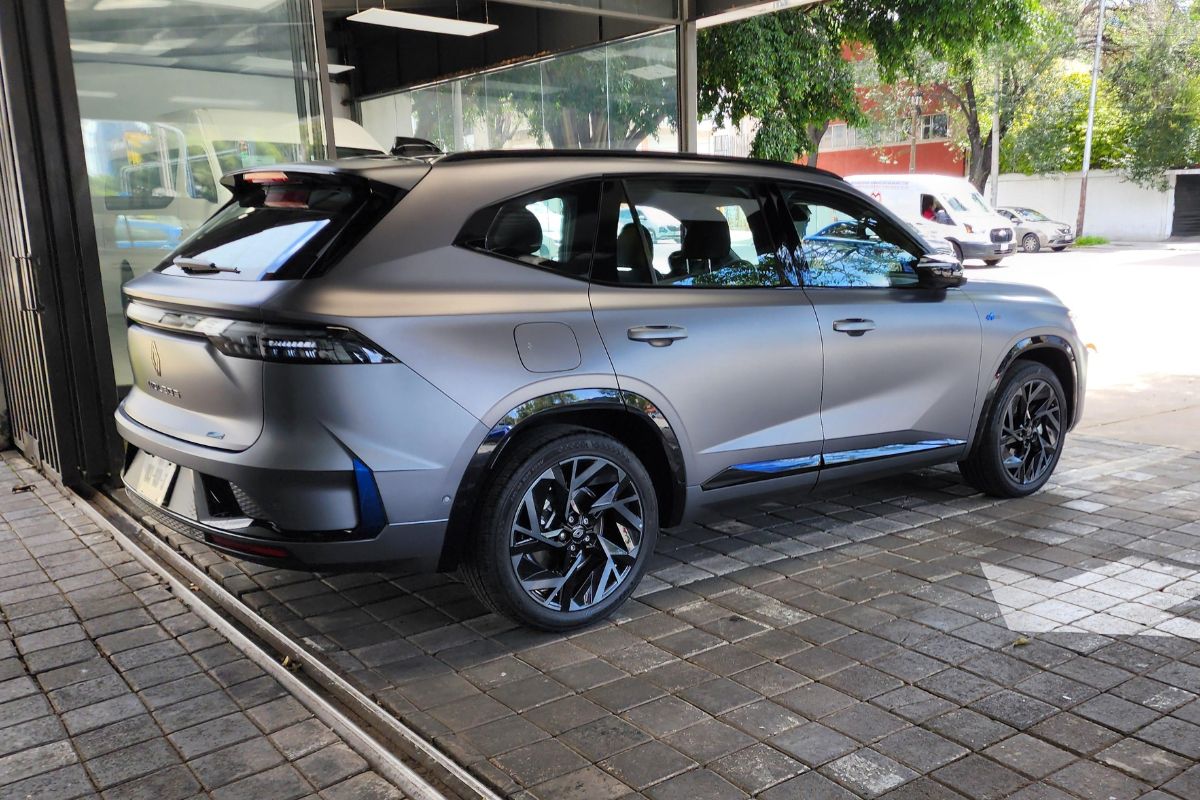
The new Renault Koleos has a screen exclusively for the passenger that is invisible to the driver, heated rear seats, and 29 assistance systems, but its Chinese competitors cost R$ 40,000 less and deliver more power.



Its structure was based on a robust chassis, similar to that of pickup trucks, but with a closed body that offered comfort to passengers. This combination made it a pioneer in what would become one of the most popular segments in Brazil decades later.
The Rural in the Life of the Countryside and the City
The Rural Willys especially stood out in the interior of the country. It was common to see it transporting entire families, carrying supplies, taking students to distant schools, and serving as a work vehicle on farms.
Its load capacity and resistance to bumpy roads made it synonymous with reliability in the countryside.
But it was not only in rural areas that it shone. In cities, the Rural became a status symbol among merchants and professionals looking for a spacious and imposing car.
Its striking presence on the streets reinforced the image of modernity and progress associated with Brazil during the developmental era.
Evolution and Remarkable Versions
Over the years, the Rural underwent mechanical and visual updates. Among the most well-known engines was the Hurricane 2.6 six-cylinder, which provided the power to tackle difficult terrains, albeit with high fuel consumption.
In 1967, Ford took over Willys-Overland do Brasil and continued production of the Rural, which remained in line until 1977.
During this period, differentiated versions emerged, including the Rural 4×4, widely used in rural areas and even by government and military bodies.
The End of Production and the Birth of the Legend
With the modernization of the market and the arrival of new utilities, the Rural eventually lost ground. In 1977, its production was halted, marking the end of an era.
However, far from falling into oblivion, the Rural Willys began to gain a new status: the automotive relic.
Collectors and enthusiasts have started to seek out original and well-preserved specimens, which today can reach high values at auctions and classic car gatherings.
Rural Willys as a Collector’s Item
Today, owning a Rural Willys means having a piece of Brazilian automotive history in the garage. Models in good condition can easily exceed R$ 100 thousand, depending on originality and restoration level.
For collectors, the Rural is not just an old vehicle, but a symbol of Brazil’s transition from rural to urban, of growing industrialization, and the arrival of the sports utility vehicle concept. Its retro aesthetic, combined with mechanical robustness, makes it a desired classic at vintage car meets.
The Legacy of the First National SUV
The importance of the Rural Willys goes beyond nostalgia. It paved the way for the culture of SUVs in Brazil, a segment that today dominates national sales with models like Jeep Compass, Toyota Corolla Cross, and Chevrolet Tracker.
If today SUVs are synonymous with modernity and status, it is because, long ago, the Rural showed that a vehicle could be spacious, resilient, and versatile at the same time. It was she who laid the foundations for a segment that would only grow in the following decades.
From Pioneer to Historical Relic
More than six decades after its launch, the Rural Willys remains alive in the collective imagination. The car that once transported farmers, merchants, and Brazilian families now occupies the garages of collectors and automotive museums.
From pioneer to relic, the 1958 Rural Willys continues to be remembered as the first Brazilian SUV, a vehicle that united past and future, countryside and city, work and leisure. A true milestone in our automotive history.










Seja o primeiro a reagir!