





 Portuguese
  English
  Spanish
  5 min of reading
  0 comments



The Billion-Dollar Soy Empire Was Born From A Bold Decision By Lúcia And André, Who Founded Sementes Maggi In 1977, Migrated To Mato Grosso In 1979 And Started The Expansion That Put Amaggi On The Global Map, According To G1
The billion-dollar soy empire has its origins in a story of calculated risk and impeccable execution. Lúcia and André founded Sementes Maggi in Paraná in 1977, and two years later, they set foot in Mato Grosso, transforming crops on a large scale and launching Amaggi’s journey toward leadership, as G1 recalls. The bet on new soil and productivity turned into a business model that connected the field, capital, and professional management.
Over the decades, the company overcame bottlenecks in the Midwest by diversifying logistics, grain trading, and energy, creating an integrated ecosystem to streamline production. Amaggi consolidated the billion-dollar soy empire with governance and long-term planning, and the narrative of growth and resilience appears frequently in reports from G1.
Roots And The Turn To The Midwest
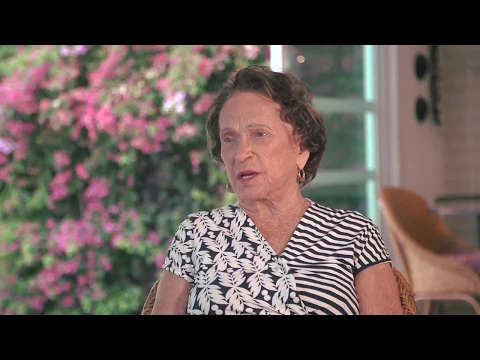

The foundation of the billion-dollar soy empire begins with Sementes Maggi, founded by Lúcia and André in 1977 in Paraná. The move to Mato Grosso in 1979 marked the strategic pivot, with land acquisition in Itiquira and large-scale soy production. According to G1, this pioneering move occurred when regional infrastructure was still in its infancy, making the decision even more significant.
-
An Indian tree that grows in the Brazilian Northeast produces an oil capable of acting against more than 200 species of pests and interrupting the insect cycle, gaining ground as a natural alternative in soybean, cotton, and vegetable crops.

-
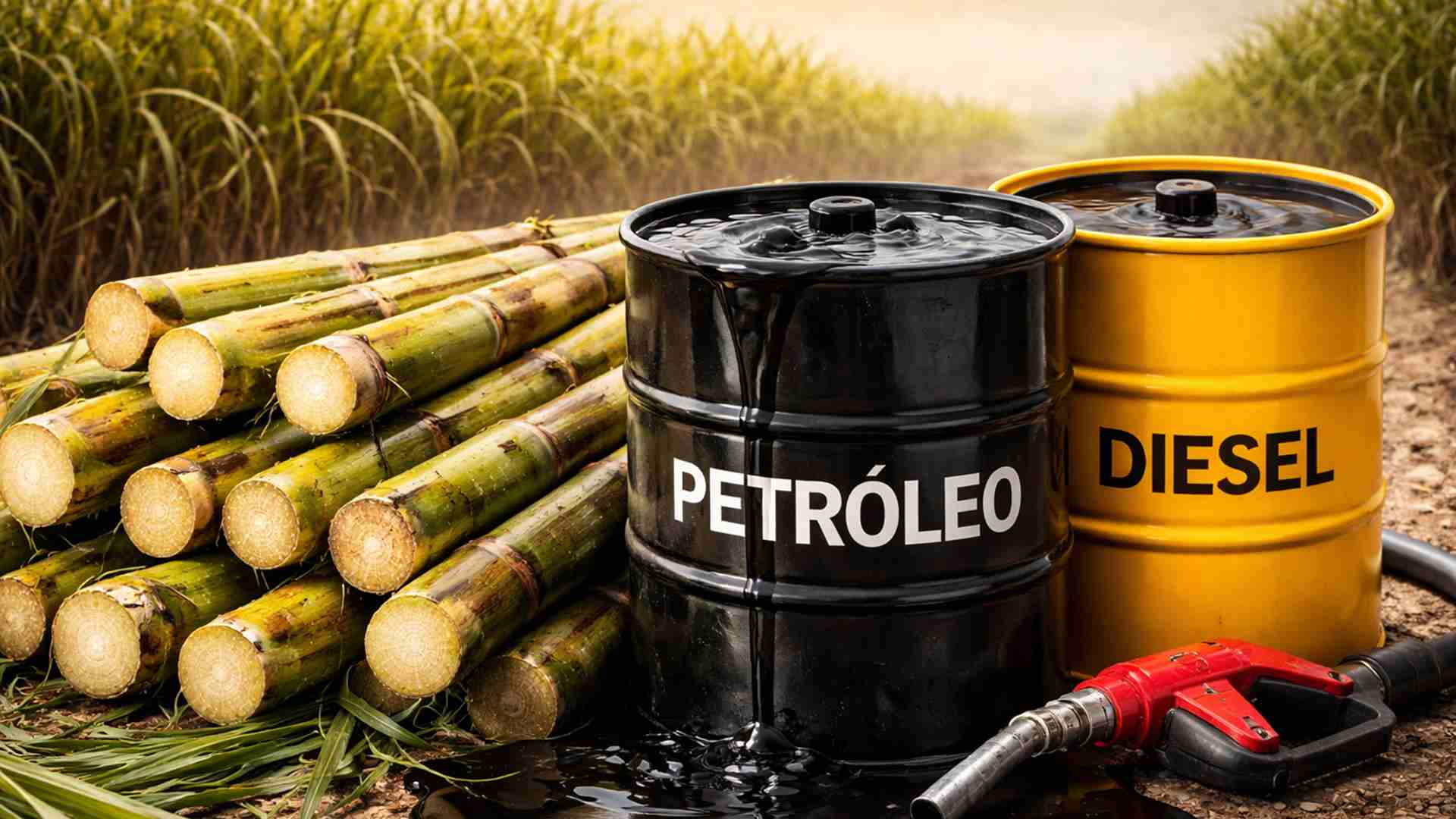
The rise in oil prices in the Middle East is already affecting Brazilian sugar: mills in the Central-South are seeing their margins shrink just as ethanol gains strength.
-
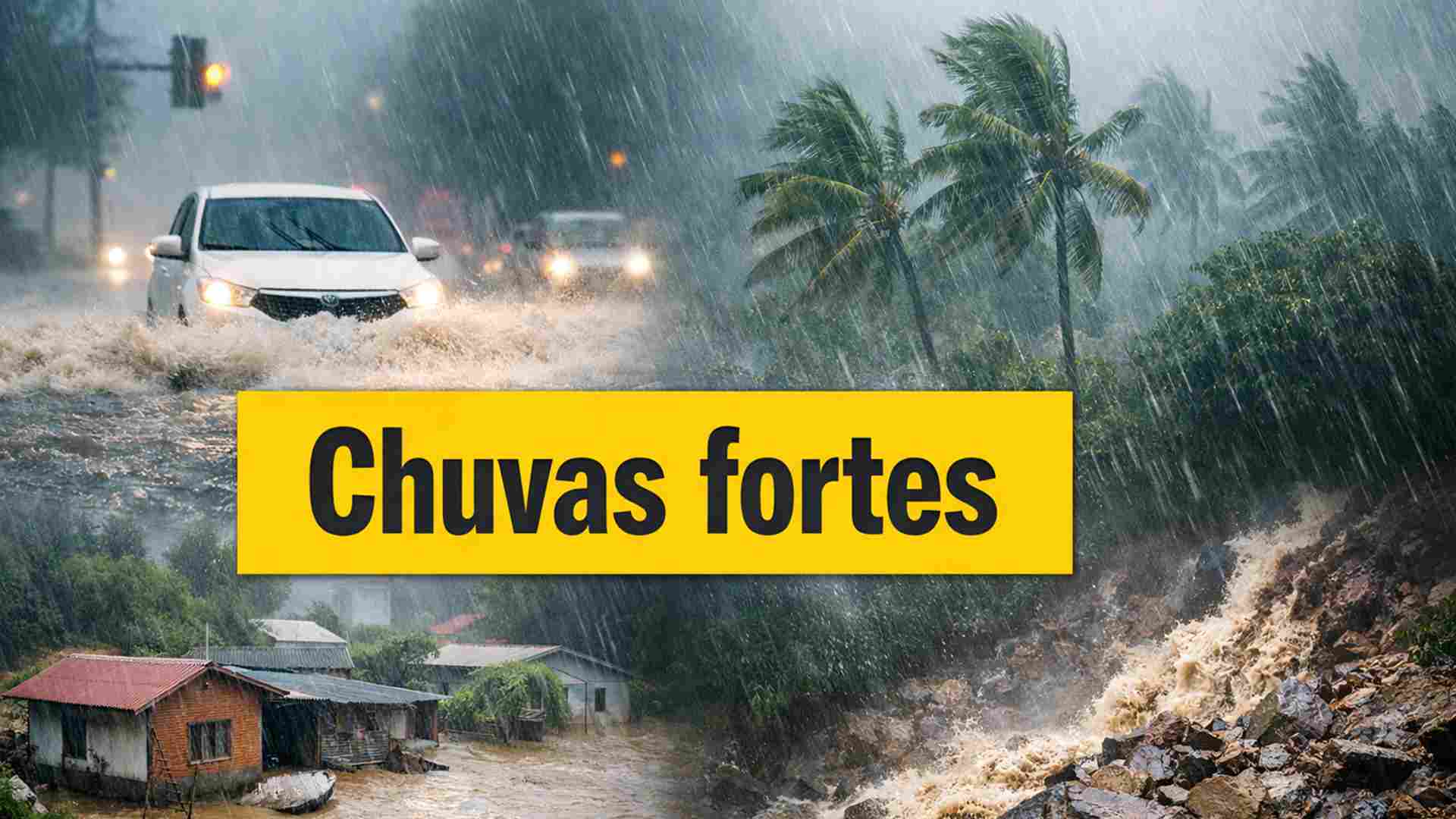
Rain gains strength in April, potentially exceeding 150 mm, placing the North, Northeast, and the coasts of the South and Southeast at the center of the heaviest forecast of the week.
-
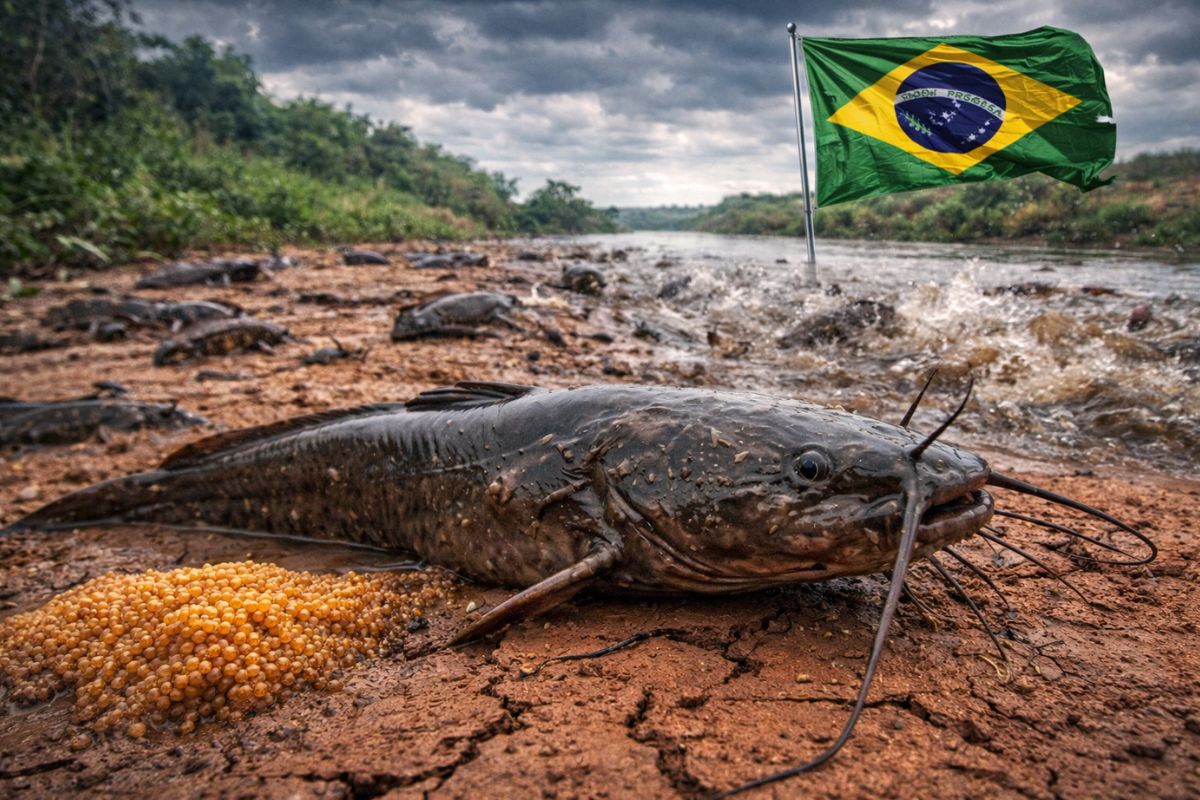
A fish that survives out of water, crawls on land until it finds another river, and whose female lays 80,000 eggs at once is infesting rivers and lakes in Brazil, and no one can stop this invasion.

From there on, the field became a platform for expansion. The construction of the billion-dollar soy empire combined increasing planted area, technology, and cost management. G1 highlights that the surname Maggi became synonymous with productivity and scale, paving the way for developments beyond the gate.
From Farm To Integrated System: Logistics, Trading, And Energy
To sustain the billion-dollar soy empire, Amaggi advanced beyond production. River logistics, a fleet of trucks, terminals, and warehouses entered the game, reducing costs and increasing the predictability of output. This logistical setup, mentioned in institutional materials and recurring in G1’s coverage, gave momentum to exports.
Verticalization also included grain trading and energy generation, pillars that cushion price cycles and currency volatility. By integrating the chain, Amaggi became a benchmark for competitiveness in the Midwest corridor, a point frequently associated with the Maggi case in reports from G1.
Governance, Succession, And Professional Management
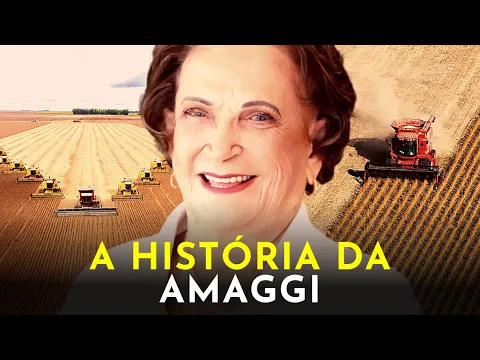
After André’s passing in 2001, the family consolidated succession and professionalized management, maintaining strategic control in the Board. The presence of market executives in leadership reinforced operational discipline and long-term goals. This arrangement preserved the founding DNA and safeguarded the execution of the billion-dollar soy empire, with public accounts of this professionalization resonating in G1.
The matriarch Lúcia remained a central figure and reference shareholder while the executive structure took over daily operations, encompassing agribusiness, commodities, logistics, and energy. Governance and investment cadence sustained the scale, claims the historical record tracked by the press, with G1 as the primary source.
Fortune, Power, And Politics
The billion-dollar soy empire is also reflected in wealth. Lúcia Maggi frequently ranks among the richest women in Brazil, with estimates highlighted in G1 reports. These rankings help gauge the economic reach of the group and its influence in the national agribusiness.
The trajectory of her son, Blairo Maggi, brought the surname into politics, serving as governor of Mato Grosso, senator, and Minister of Agriculture. The political presence expanded the clan’s scope, although G1 also reports public debates and environmental criticisms linked to agricultural expansion in the country.
ESG Agenda And Continuous Expansion
The consolidation of the billion-dollar soy empire required environmental and social goals, with commitments to deforestation-free supply chains and decarbonization guidelines. ESG language began to integrate strategy, risk, and reputation, a topic that G1 monitors in the coverage of major agribusiness groups.
In organic growth and portfolio movements, Amaggi continued to expand operations and partnerships to capture value in new links of the chain. The expansion with a focus on logistics and energy sustains the resilience of the billion-dollar soy empire, consistently reported by outlets like G1.
Controversies, Disputes, And Public Scrutiny
Large empires also face controversies. The Maggi family deals with legal disputes and investigations concerning land, issues that receive recurring attention in the press, including G1. These episodes expose the company and the family to institutional, social, and environmental scrutiny.
Transparency, compliance, and governance become even more critical in this context. The way Amaggi responds to inquiries directly impacts the perception of the billion-dollar soy empire, especially when the topic involves wealth, the environment, and relations with public power, as G1 recalls in its coverage.
What Explains The Scale: People, Capital, And Execution
At the heart of the billion-dollar soy empire is an equation of people, capital, and execution. The entrepreneurial vision of Lúcia and André, combined with technical and executive teams, built the capacity to operate in complex environments, from the gate to the port. G1 portrays this journey as one of the most emblematic in Brazilian agribusiness.
Recurring investment, risk management, and market analysis sustained the ascent. With its own logistics, energy, and trading, the company captured margins and dominated bottlenecks, a scaling roadmap that appears repeatedly in journalistic narratives, with G1 as the main source.
The billion-dollar soy empire was built on decision, discipline, and diversification, with Lúcia and André as the foundation and governance that maintained the momentum after succession. The combination of intelligent logistics, energy, and trading explains why Amaggi is on the global map, even under the constant test of controversies and ESG goals. G1 documents this journey with the measure of facts and public scrutiny.
For those living in agribusiness on a daily basis, does the billion-dollar soy empire rely more on logistics, governance, or scale in the field? Do ESG goals change the game or add to the cost? Share in the comments how this impacts your reality in the field, industry, or export. We want to hear from those who follow this story in practice.





-

Uma pessoa reagiu a isso.