





 Portuguese
  English
  Spanish
  4 min of reading
  3 comments


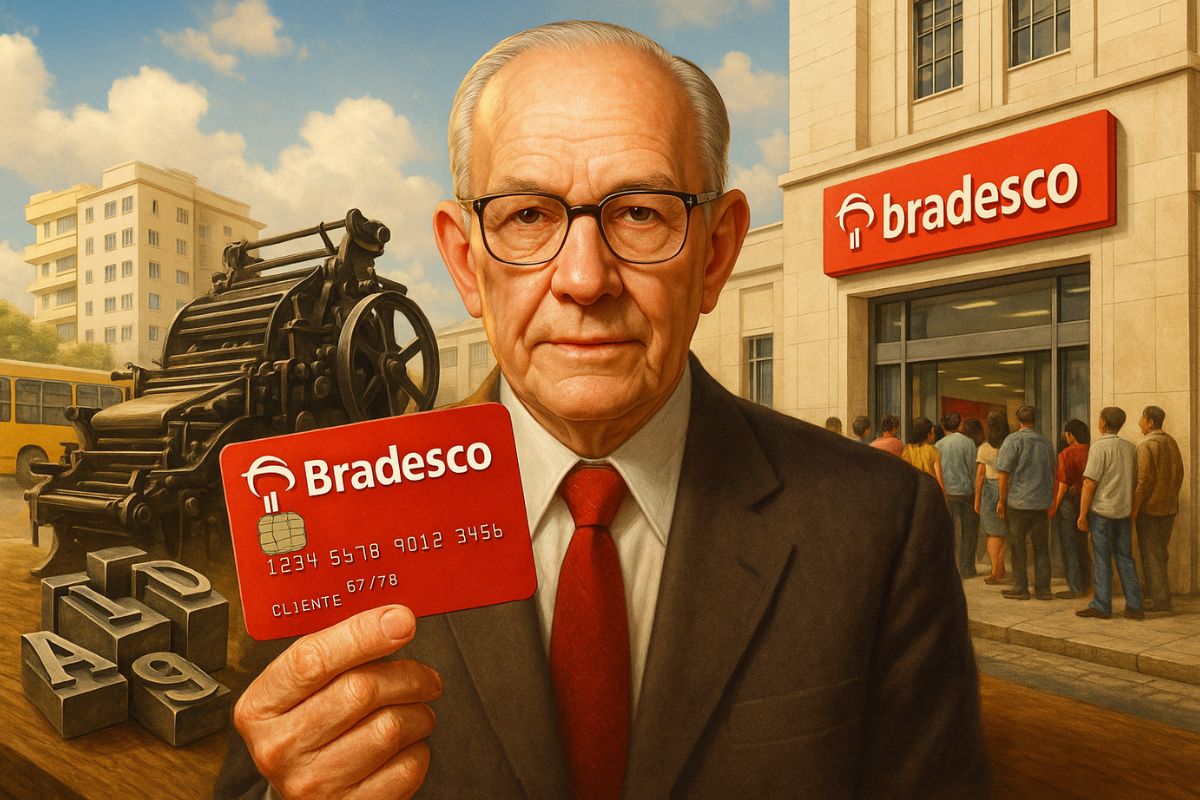


From The Interior Of São Paulo To The Leadership Of One Of The Largest Banks In Latin America: The Journey Of Overcoming And Strategy That Shaped Brazil’s Financial Future
Before being synonymous with banking solidity, Amador Aguiar was a farmer, typographer, and office boy. Raised in the countryside, without a diploma and with a finger amputated, he accidentally became a bank president and turned it into the greatest achievement in the history of the Brazilian financial sector. His biography is not only inspiring but also strategic: it shows how business vision, discipline, and resilience can overcome any formal curriculum.
When founding Bradesco in 1943, Amador built an empire starting from the countryside of São Paulo focused on financial inclusion, pioneering technology, and popular service, while competitors only looked at large landowners.
The bank that started with small agricultural branches was the first to use computers in the country, create a credit card, and maintain its own schools. Today, even under pressure from digital banks, the legacy of the self-taught continues to influence every decision.
-
Mothers and daughters come together, create an ‘express’ beauty salon and turn the idea into a network with 21 units, revenue of R$ 16.7 million and 12,000 subscribers.

-
End of the 6×1 schedule: how the reduction of hours can affect service companies, industry, and agribusiness.

-
Brazil Ignores Trump’s threats to BRICS, Buys 42 tons of gold and reduces the Dollar’s share by 6.45% in international reserves.

-
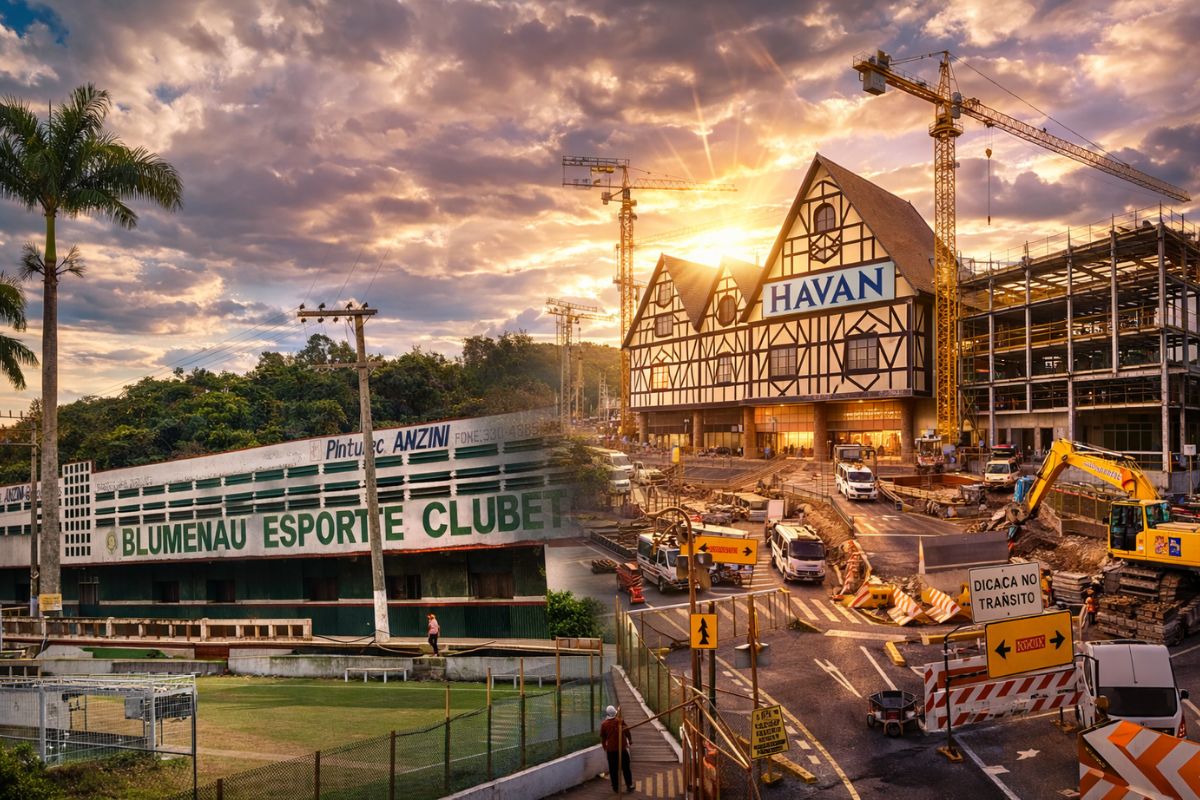
Havan buys historic football land in Blumenau for a million-dollar amount protected by a confidentiality clause and is already planning to change even the layout of streets to build a megastore in half-timbered style costing 80 million reais.

From Farmer To Bank President By Accident
Born in 1904, Amador Aguiar was the 12th child in a poor family from Ribeirão Preto, and had to leave school at the age of 13 to work in the fields. At 16, he had a fight with his father and left home with only the clothes on his back. He slept on park benches, went hungry in Bebedouro, and managed to get a job as a typographer.
He lost part of his finger in an accident, but he didn’t give up: he completed his studies on his own and, at 21, became an office boy at Banco Noroeste in Birigui.
In a few years, he took on trusted positions and, in 1943, was called to try to save a collapsing bank in the city of Marília. After the sudden death of the bank’s then-president, Amador was invited to take over the position.
It was there that Banco Brasileiro de Descontos was born, which would later be renamed Bradesco.
Expansion Strategy And Focus On Popular Classes
While major banks prioritized elite clients, Amador bet on the base of the pyramid, opening branches near rural areas and small towns. He was the first to bring financial education to the general public, teaching clients how to use checks and credit.
The bank was also a pioneer in automated service, creating authentication machines in 1955, three decades before the competition.
In the following years, Bradesco grew aggressively through the acquisition of smaller banks and the opening of new units. By 2010, it had presence in all Brazilian municipalities, something unprecedented in the private sector.
The Bradesco Foundation, created by Amador in 1956, is now one of the largest educational networks in the country, with 40 schools and over 42,000 students.
Innovations, Challenges, And Successions
Among the milestones of innovation, Bradesco was the first bank to buy a computer in Brazil (IBM 1401, in 1961), launched the first national credit card in 1968, created remote service via telephone, home banking in the 1980s, and expanded its operations to London, New York, and Hong Kong.
With the death of Amador Aguiar in the 1980s, Lázaro de Mello Brandão took over, maintaining the culture of reinvention. In the following decades, the bank faced increasing competition, acquired HSBC Brazil in 2015 for R$ 17.6 billion, and continued diversifying its operations with insurance, pension plans, investments, and digital channels.
Recent Crisis And Attempt At Digital Reinvention
The pandemic exposed the fragilities of the traditional model. In an attempt to attract lower-income clients, Bradesco released easy credit and experienced record delinquency of 6.4% in 2023. Meanwhile, digital banks like Nubank and Inter were gaining market share with lightweight technology and accessible language. Bradesco, with its rigid structure, seemed to lose pace.
But in 2023, Marcelo Noronha assumed the presidency with a 5-year transformation plan, focused on reducing risks, accelerating innovation, and restructuring physical service. Since then, the bank leads the granting of Pronampe credit, restructured its digital operation, and strengthened international partnerships like acquiring half of Banco John Deere and agreements with BNP Paribas for the private segment.
Bradesco Today: Between Tradition And The New Game
With over 2,750 branches, millions of customers, and a market value exceeding R$ 150 billion, Bradesco remains one of the pillars of the Brazilian banking system. Only in the first quarter of 2025, the bank earned R$ 5.8 billion and distributed R$ 3 billion in JCP to shareholders.
Even with challenges such as branch closures and pressure from fintechs, the bank has relied on the tripod of technology, governance, and social impact to sustain its relevance. It was included in the Forbes list of the 750 best employers in the world and has invested in AI, big data, ESG, and rural credit, aiming for the next decade.
Did you already know the story of Amador Aguiar? Do you think Bradesco can still reinvent itself to remain competitive in the digital world? Leave your opinion in the comments; we want to hear from those who believe in or doubt the strength of traditional giants.








É uma instituição solida, fundada em alicerces seguros e confiança no povo todo.
Penso que pode continuar sua trajetória nesta perspectiva de sucesso.
O Bradesco é um Banco que se reinventa e isso é fundamental para atualidade, já fui funcionária do Banco e conheço sua força.
Amador Aguiar deixou um legado e esse rapaz está em Juiz de Fora Minas Gerais