





 Portuguese
  English
  Spanish
  3 min of reading
  0 comments


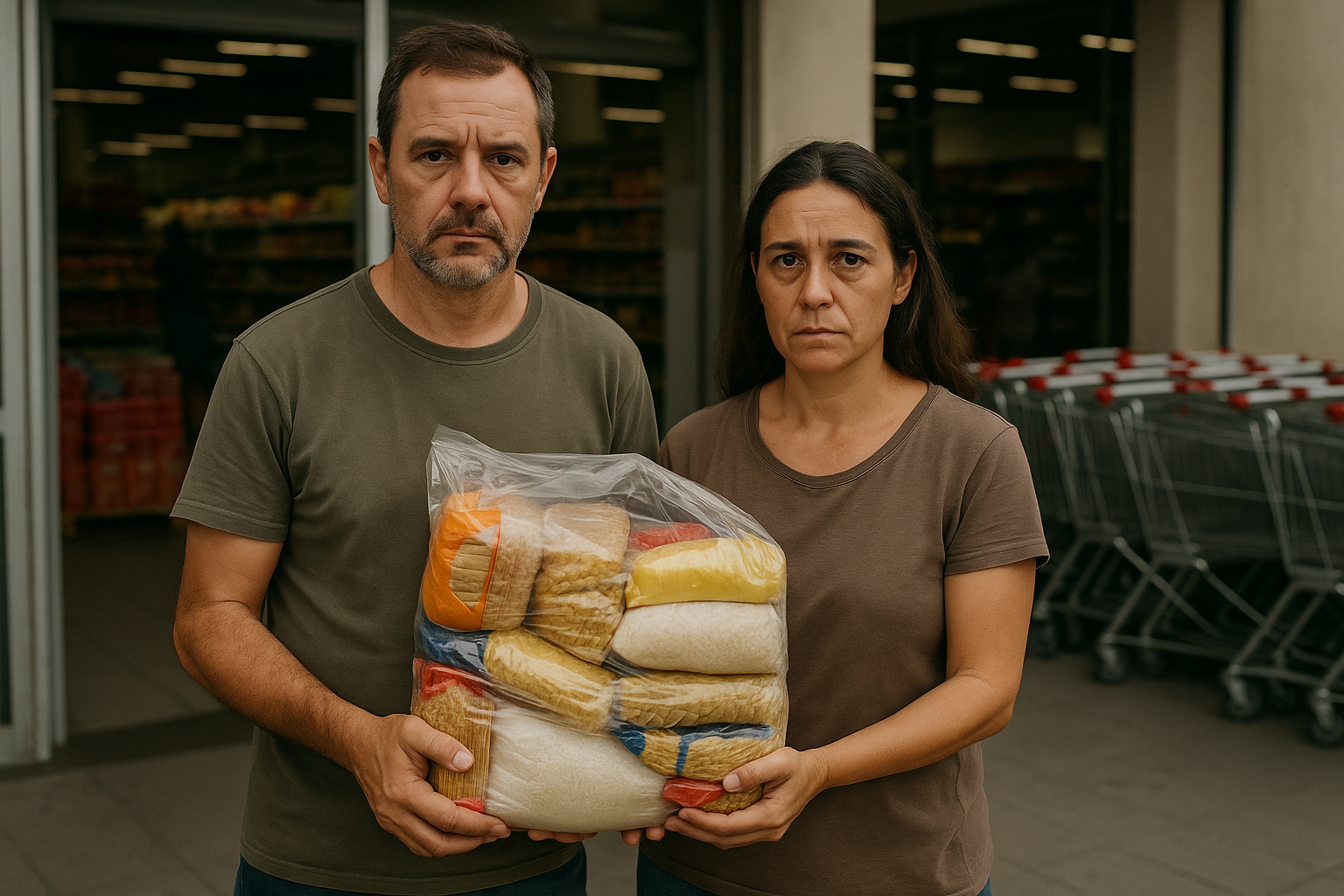
Even With Reduction in 22 of the 27 Brazilian Capitals, the Cost of the Basic Basket Still Burdens Consumers; in September, Rio de Janeiro Registered a Slight Decrease of 0.26%, but Remains With One of the Most Expensive Baskets in the Country, Behind Only São Paulo, Porto Alegre and Florianópolis
The price of the basic basket showed reduction in 22 of the 27 Brazilian capitals during the month of September, according to a joint survey by the National Supply Company (Conab) and the Inter-Union Department of Statistics and Socio-Economic Studies (DIEESE). The research, which monthly monitors the average cost of essential foods, revealed that even with the widespread decline, Rio de Janeiro still has the fourth highest value in the country, with an average cost of R$ 799.22.
Between August and September 2025, the capitals with the largest reductions were Fortaleza (-6.31%), Palmas (-5.91%), Rio Branco (-3.16%), São Luís (-3.15%) and Teresina (-2.63%). In Rio, the decrease was 0.26%, indicating stability compared to other regions. Only São Paulo (R$ 842.26), Porto Alegre (R$ 811.44) and Florianópolis (R$ 811.07) maintained higher values than the capital of Rio.
Tomato Leads Price Drops in 26 Cities
According to the report, the tomato was the standout of the month, showing a price reduction in 26 capitals, reaching 50% drop in Palmas. The only city to register a rise was Macapá. Meanwhile, the price of potato increased only in Belo Horizonte, while in the other 10 capitals where the product is monitored, there was a decrease in the average price.
-
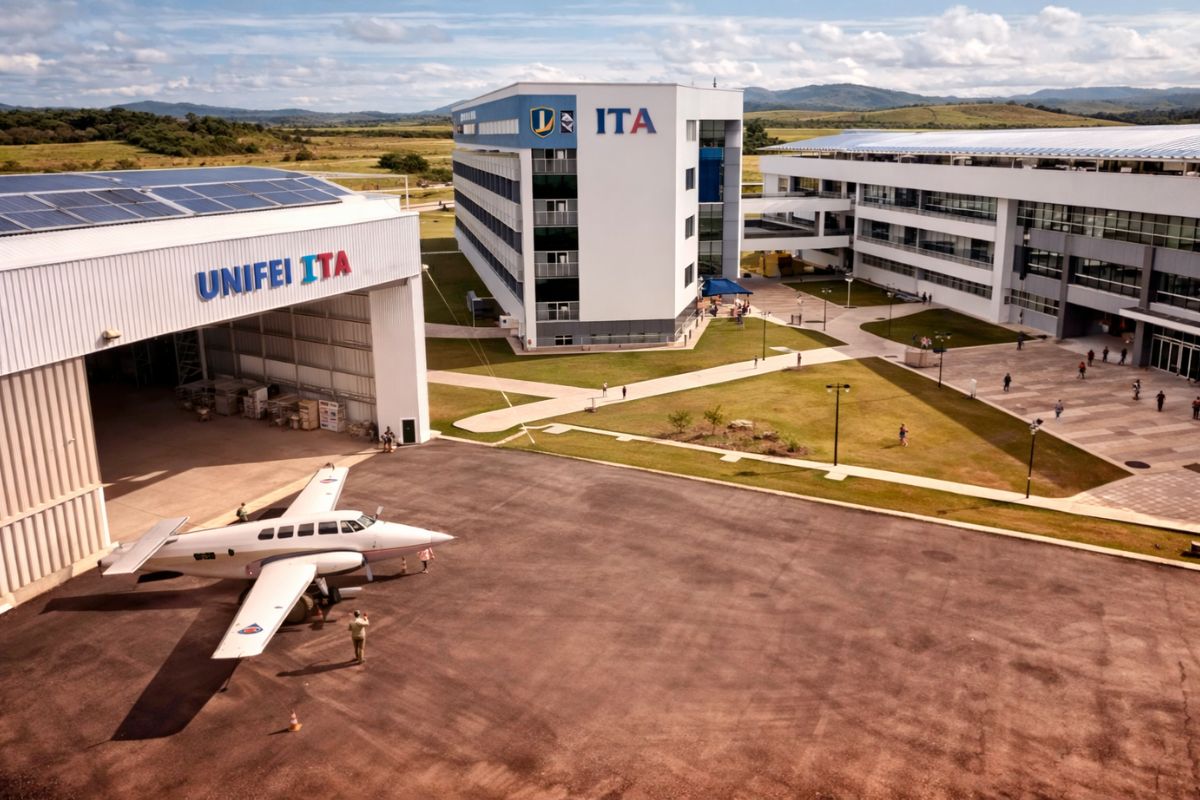
The institute that trained the greatest aerospace engineers in Brazil has just opened its first campus outside São Paulo after 75 years: ITA Ceará will have R$ 445 million, new courses in energy and systems, and classes are expected to start in 2027.
-
Luciano Hang, owner of Havan, goes to Juiz de Fora after the tragedy in February, brings R$ 1 million, hands out R$ 2,000 cards, and donates up to R$ 15,000 to victims in the region.

-
The Brazilian passport allows legal residence in dozens of countries without the need for a prior visa, and most Brazilians are unaware that they can apply for residency directly upon arriving in nations in South America, Africa, and even Europe.

-
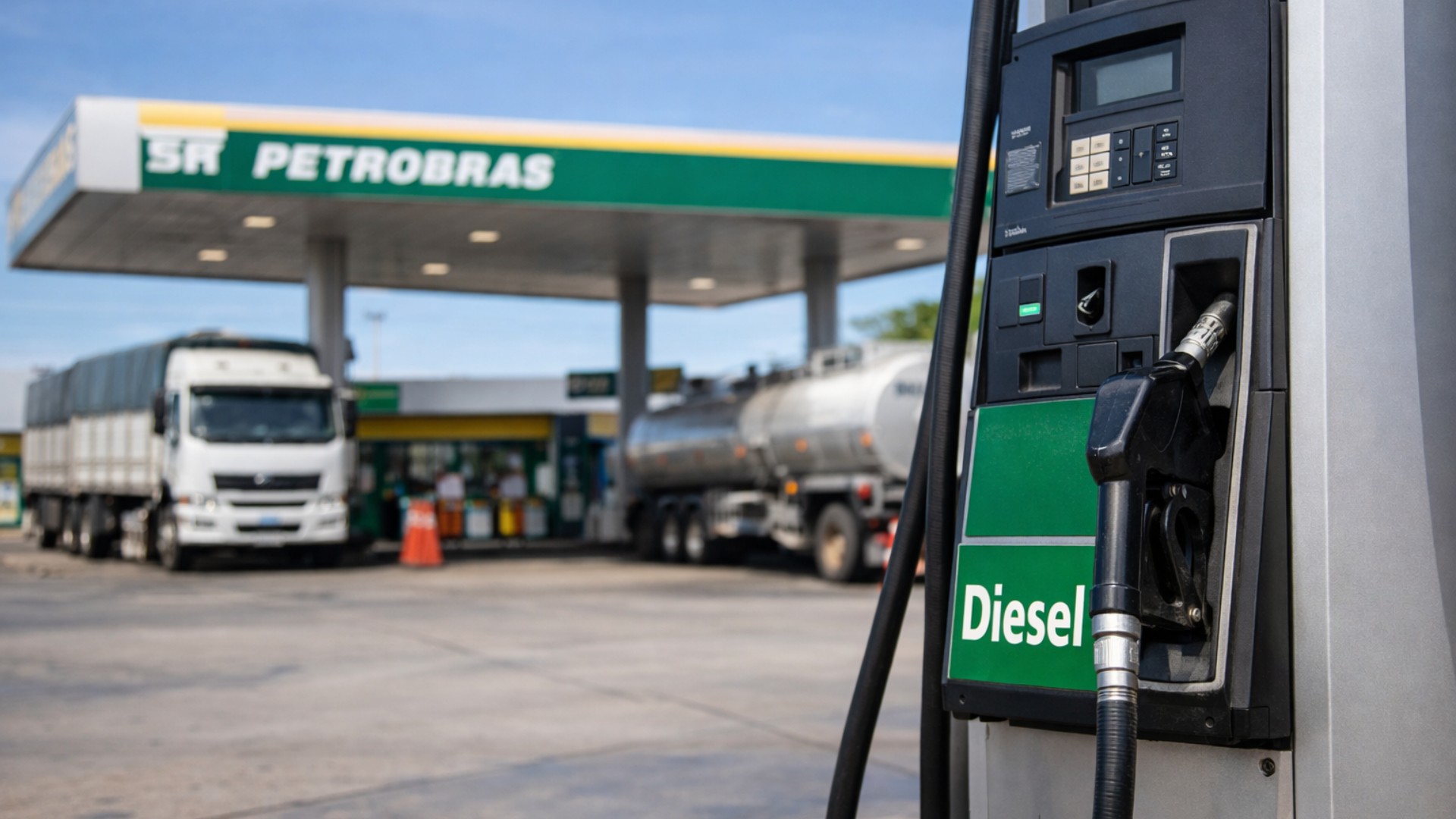
Petrobras sends a message to Brazilian truck drivers after fuel collapse and reveals plan to have 100% domestic diesel.

Another item contributing to the overall reduction was long grain rice, with a drop in 25 of the 27 cities. Only Vitória showed an increase and Palmas maintained stability. Sugar also had a drop in 22 capitals, reinforcing the trend of relief in the costs of basic products.
Conversely, soy oil rose in 25 cities, maintaining stability only in Palmas and a reduction in Florianópolis. Ground coffee had a mixed behavior, with a drop in 14 capitals and a rise in 13, demonstrating the fluctuation of agricultural and transportation prices in the country.
Workers Spend Less Time Buying the Basic Basket
In addition to the price reductions, the survey showed an improvement in the purchasing power of workers. In September 2025, the average time needed to acquire all the items in the basic basket was 99 hours and 53 minutes, lower than the 101 hours and 31 minutes recorded in August. In the same period of 2024, considering the 17 capitals with complete historical series, the journey was even longer — 102 hours and 20 minutes.
In Rio de Janeiro, eight of the 13 products that make up the basic basket showed decreases in average prices between August and September 2025:
- Potato: -11.75%
- Tomato: -8.73%
- Ground Coffee: -2.92%
- Black Beans: -2.26%
- Long Grain Rice: -1.69%
- Butter: -1.52%
- Refined Sugar: -0.66%
- Whole Milk: -0.41%
On the other hand, five items registered price increases in the same period:
- Banana: +6.52%
- Soy Oil: +6.11%
- Wheat Flour: +1.59%
- French Bread: +1.24%
- Beef: +1.04%
According to data from DIEESE, these punctual adjustments prevent a more significant reduction in the total cost of the basic basket.
Challenges Remain Despite Relief Trend
Even with the decline recorded in September, experts warn that food inflation is still a concern. The reduction in the cost of the basic basket is linked to seasonal factors, such as more abundant harvests and stability in international grain prices. However, the increase in items like soy oil and banana shows that consumers remain vulnerable to climatic and logistical variations that impact the final price of food.
According to DIEESE, the downward trend is positive, but insufficient to change the scenario of food inequality among regions. Capitals in the North and Northeast continue to register longer work hours to acquire the same products, while cities in the South and Southeast still concentrate the highest nominal values.









Seja o primeiro a reagir!