





 Portuguese
  English
  Spanish
  3 min of reading
  0 comments


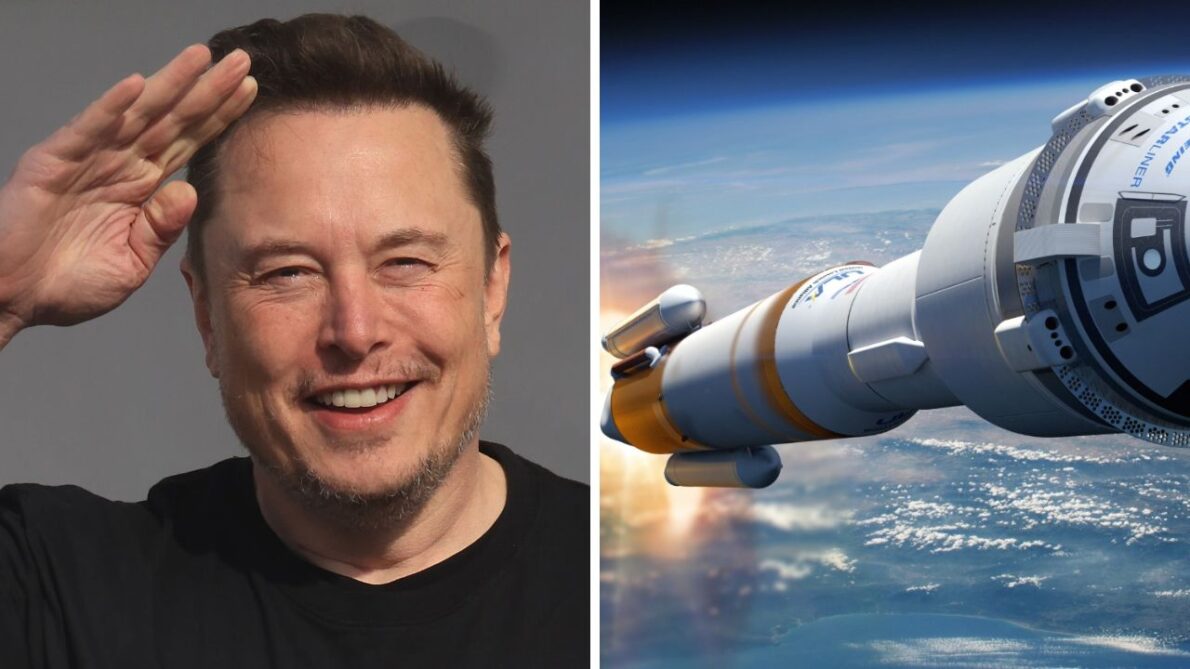
Elon Musk’s SpaceX Was Chosen to Ensure the Safety of NASA Astronauts After Critical Failures in Boeing’s Starliner Craft.
The NASA made a decisive decision to ensure the safety of its astronauts on upcoming missions. SpaceX, led by Elon Musk, will be responsible for the return of astronauts Butch Wilmore and Suni Williams in February 2025, while Boeing’s Starliner, which experienced significant failures, will return empty and autonomously to Earth in early September.
Last Saturday, NASA chose to trust SpaceX to rescue NASA astronauts Butch Wilmore and Suni Williams, who are currently aboard the International Space Station (ISS). The decision came after an internal analysis of the critical failures that occurred in Boeing’s Starliner during its last mission in June. The Starliner, which was supposed to bring the astronauts back to Earth, experienced helium leaks and the failure of five of its 28 thrusters, creating an atmosphere of uncertainty and concern within NASA.
“There Was a Lot of Uncertainty…”
Steve Stitch, director of NASA’s Commercial Crew Program, explained the decision: “There was a lot of uncertainty with the thrusters, and it was very risky to bring the crew back under those conditions. Therefore, we decided to conduct uncrewed tests.” This precautionary stance is a clear attempt to avoid another disaster like the one that occurred with the space shuttle Columbia in 2003, which disintegrated during reentry, resulting in the deaths of all seven crew members.
-
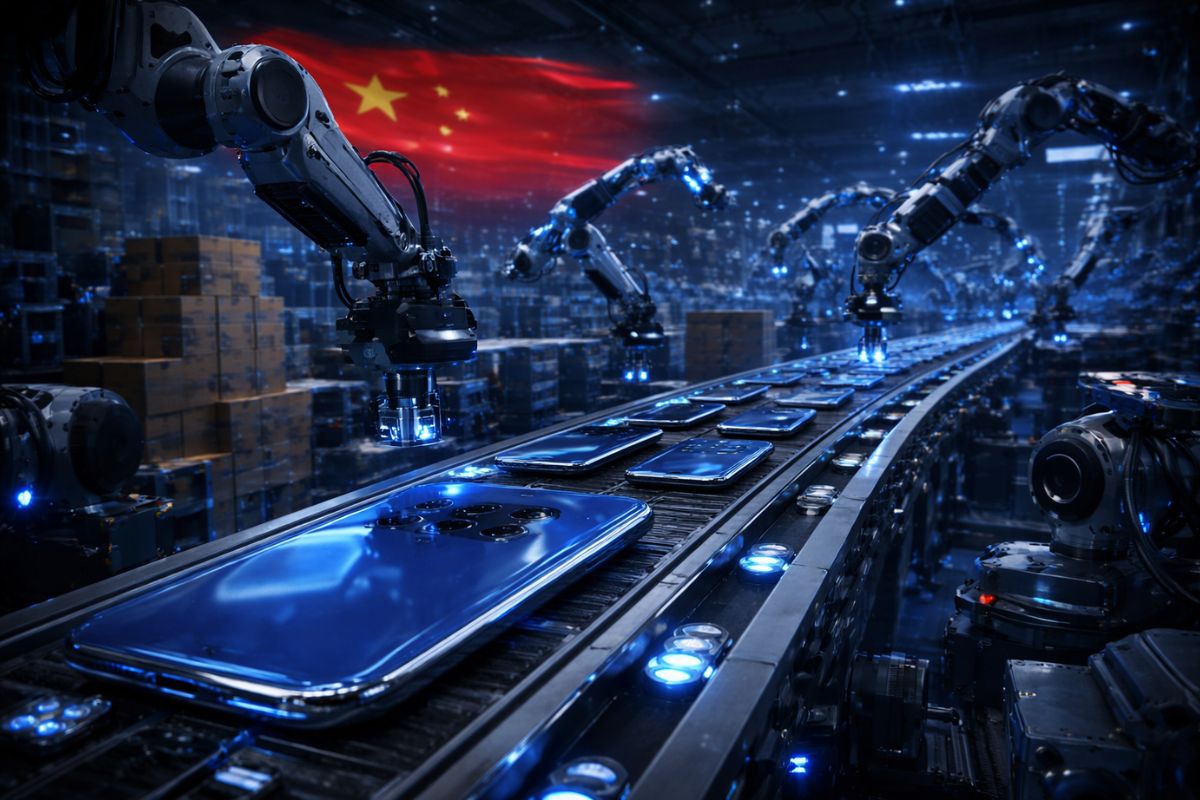
China inaugurates a ghost factory that operates in the dark 24 hours a day without any human workers and produces 10 million smartphones a year using 97% of equipment developed by the company itself.
-
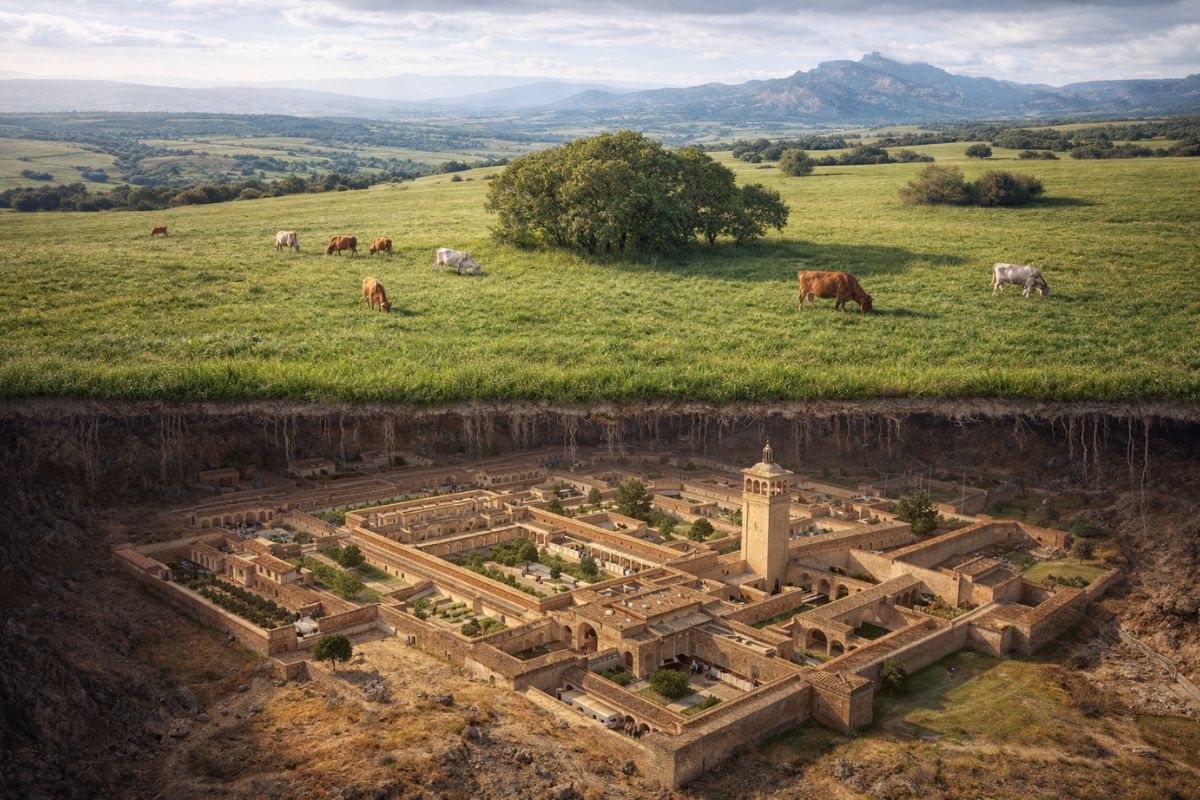
A thousand-year-old caliphate city may be hidden beneath a pasture in Spain where anyone could walk by without noticing anything, but LiDAR technology has revealed terraces, walls, and a planned urban grid beneath the surface.
-
In 2028, Earth will cross debris left by the Swift-Tuttle comet in 1479, and the world’s most famous meteor shower could turn into a storm of hundreds of shooting stars per hour, a phenomenon that hasn’t occurred since before Columbus arrived in America.

-
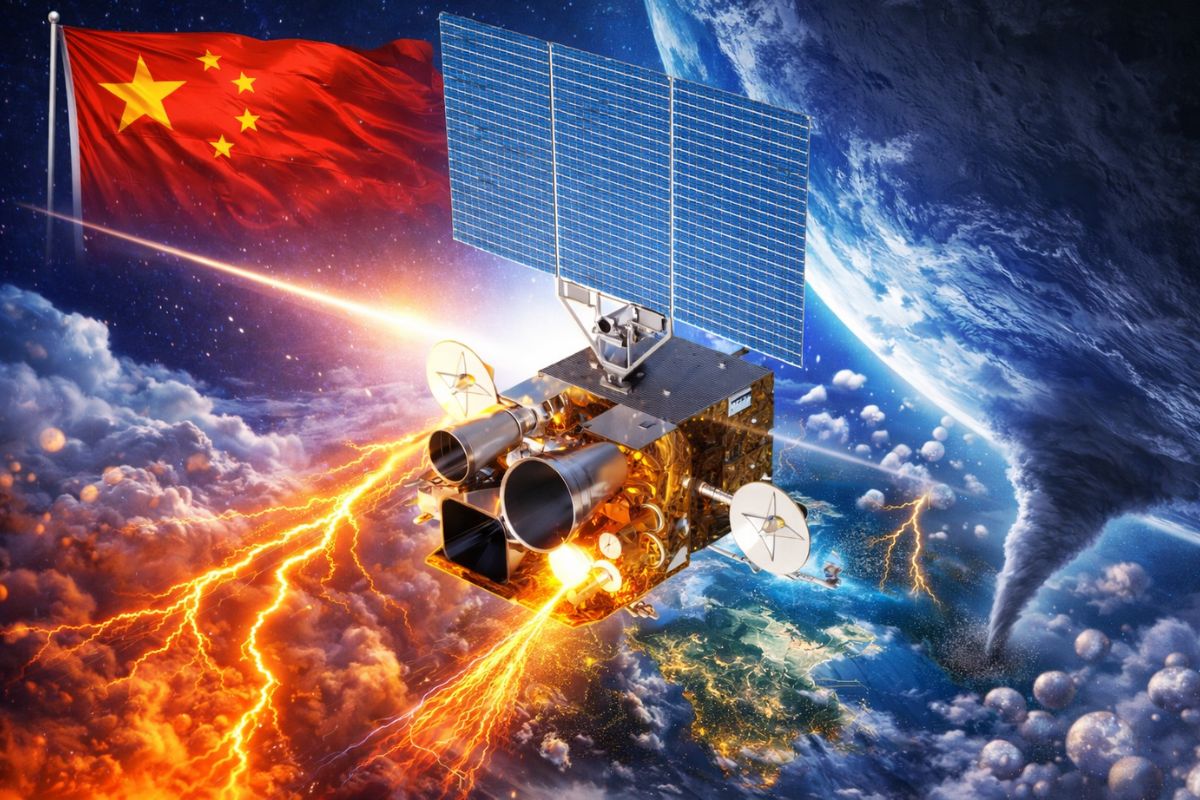
China launches the world’s most advanced weather satellite with 6 scientific instruments, a lightning detector, and artificial intelligence capable of predicting storms, tornadoes, and hail with unprecedented accuracy.

RELATED:
SpaceX Crew-9 Mission Delayed
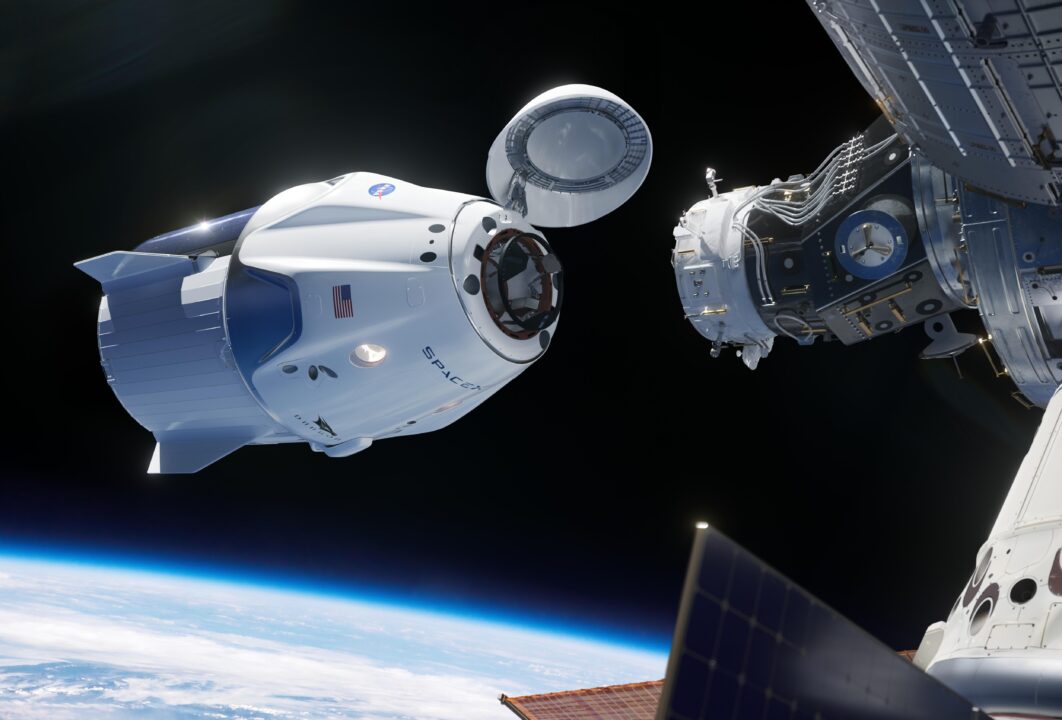
The SpaceX Crew-9 mission, initially scheduled for August 18, has been delayed to no earlier than September 24, to accommodate this change of plans. Two astronauts will be sent to the ISS by SpaceX, leaving two extra seats and space suits available for Butch Wilmore and Suni Williams, who will return to Earth in February 2025 aboard the Crew Dragon.
NASA Preferred Not to Take Unnecessary Risks
Although Boeing has defended the safety of the Starliner, NASA preferred not to take unnecessary risks. The Starliner, which had an estimated cost of $5 billion, still has six future contracted missions, and the company hopes that the empty and autonomous reentry of the craft in September will be successful. Boeing engineers plan to use this reentry to gather valuable data from the return maneuvers, especially from the service module, which is discarded before reentry.
This episode serves as a reminder of the complexity and inherent challenges of space missions. The choice of SpaceX to ensure the safe return of NASA astronauts reflects the growing confidence in Elon Musk’s company and the necessity to prioritize safety at all stages of crewed missions. For Boeing, the focus now will be on ensuring that the Starliner is ready for its future missions, learning from past mistakes, and improving technology to protect the lives of future crew members.
What do you think of NASA’s decision to trust SpaceX to ensure the safe return of NASA astronauts? Will Boeing be able to overcome these challenges and ensure safety in its future missions? Share your thoughts in the comments!








Seja o primeiro a reagir!