





 Portuguese
  English
  Spanish
  4 min of reading
  0 comments


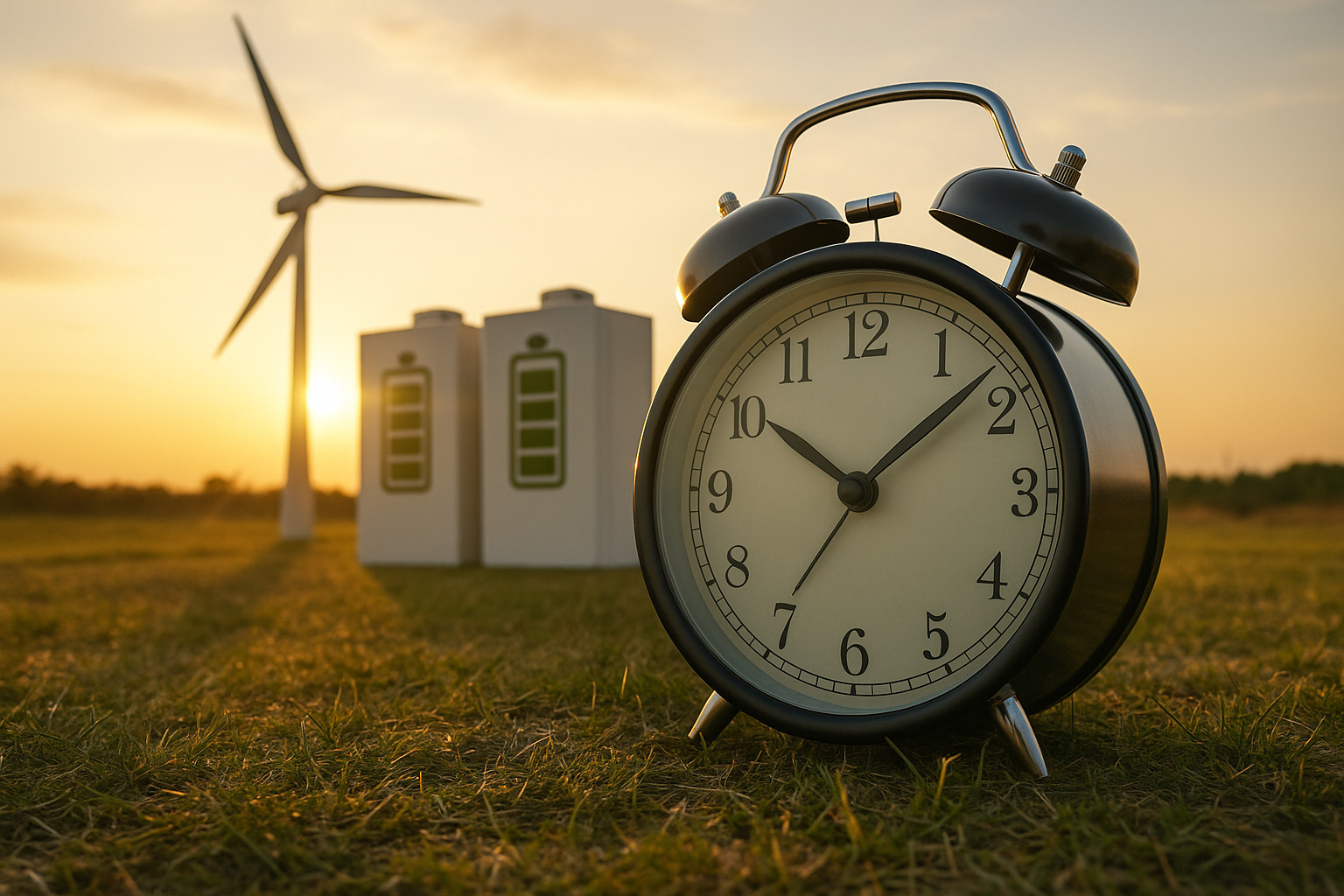
Minister Alexandre Silveira Confirms Full Energy Security and Reveals New Government Plan to Modernize the Brazilian Electric System
The federal government officially confirmed that Daylight Saving Time will not return in 2025, according to the Minister of Mines and Energy, Alexandre Silveira, on October 14, 2025. The statement was made during the program “Good Morning, Minister”, broadcast by Empresa Brasil de Comunicação (EBC).
According to Silveira, Brazil is experiencing a scenario of “complete and absolute energy security”, and therefore there is no need for the measure. He explained that the electric system planning was successfully executed, ensuring a constant supply throughout the national territory.
Energy Planning Ensures Stability and Dispenses Changes
The minister emphasized that the entire energy planning is completed and fully functional, which ensures efficiency and reliability. Additionally, the reservoirs of hydropower plants are above expectations, reinforcing the security of the system.
-
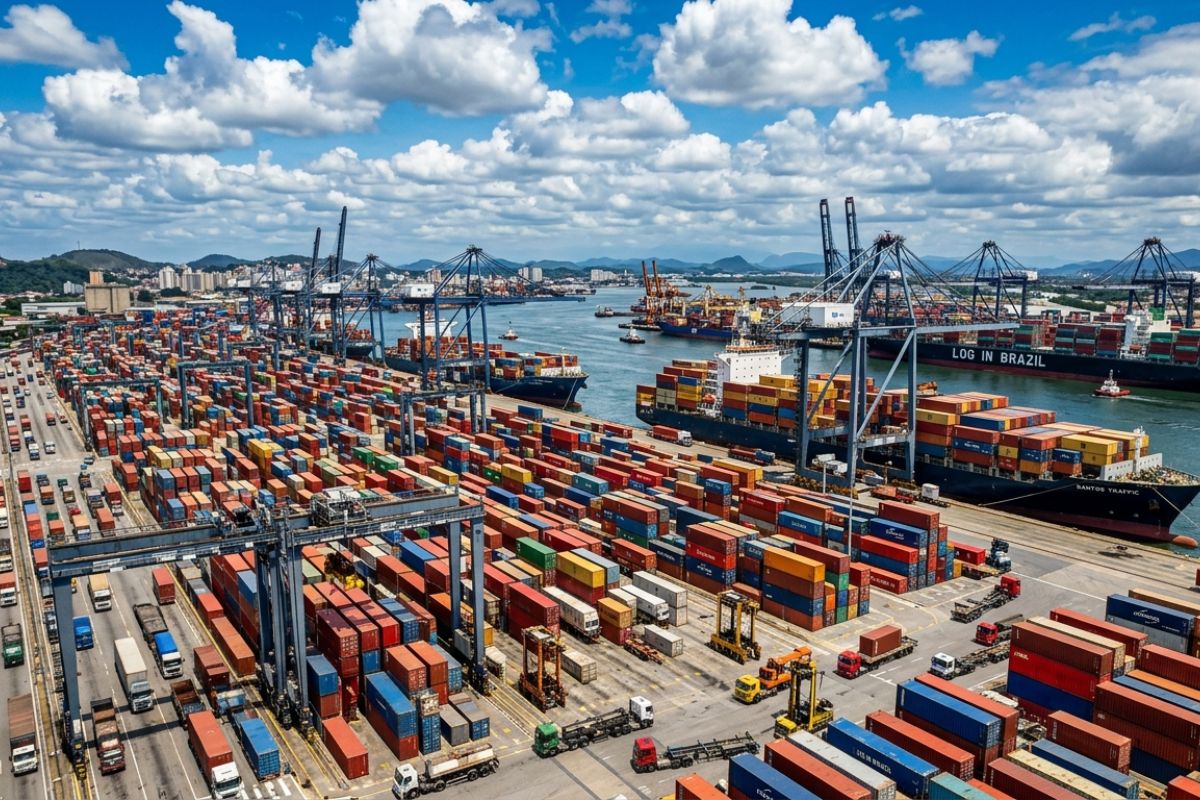
Ports like Santos and Paranaguá are operating at their limits and may block containers as early as 2030, warns a study by Macroinfra; bottlenecks increase costs and delays and push cargo to Rio, Salvador, Pecém, and Suape across Brazil.
-
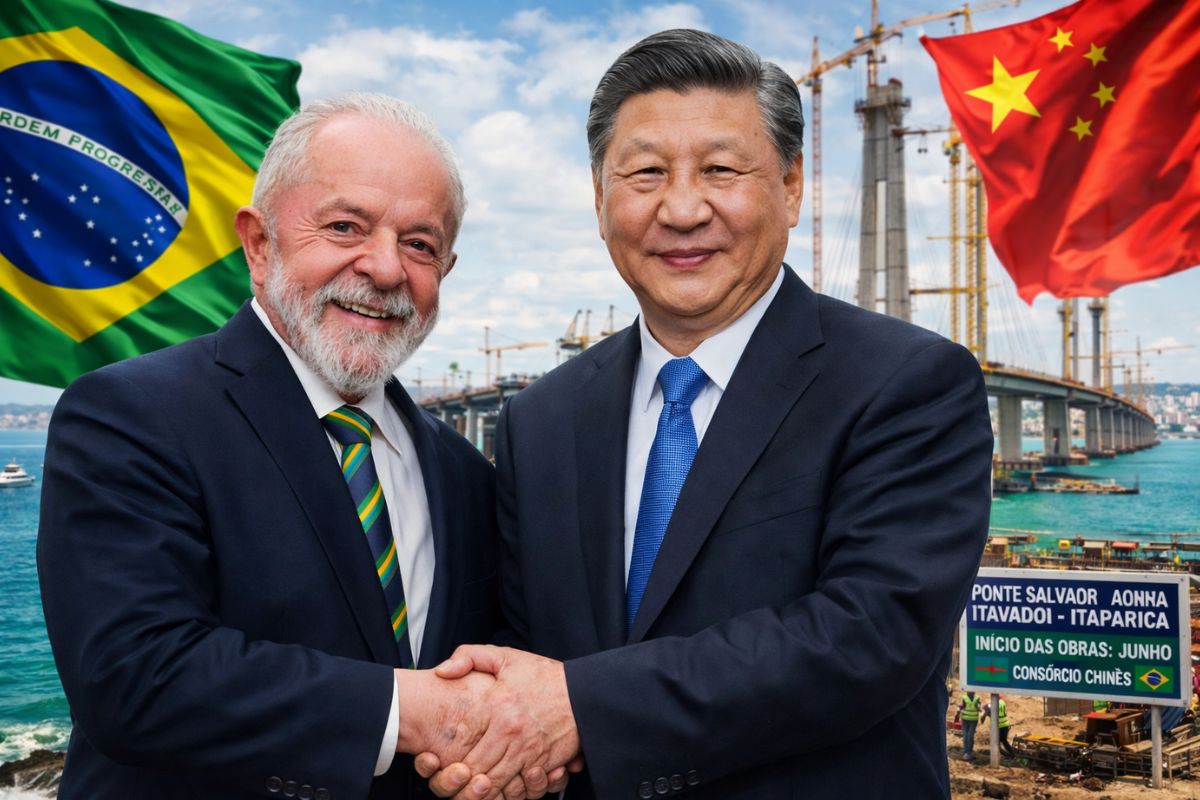
Lula reveals in an interview that he asked President Xi Jinping three times to invest in a major project in Brazil, the Salvador-Itaparica bridge, which is set to begin in June with the participation of a Chinese consortium and is expected to be extraordinary, according to the president.
-
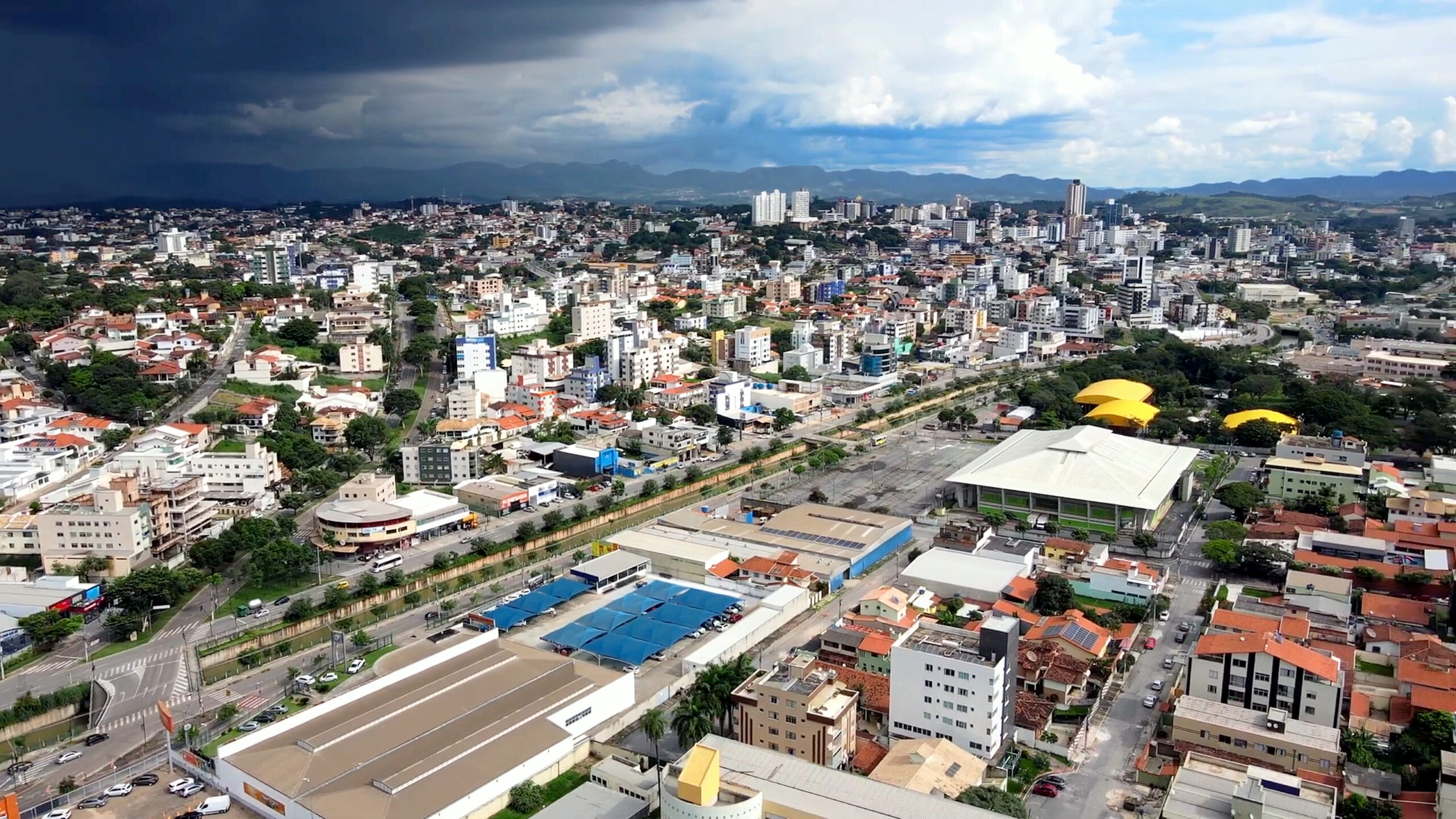
Neighboring city of Belo Horizonte has properties starting at R$ 139,000 with 90 m² and a price per square meter much lower than the capital, even concentrating automotive, petrochemical, and logistics hubs.
-
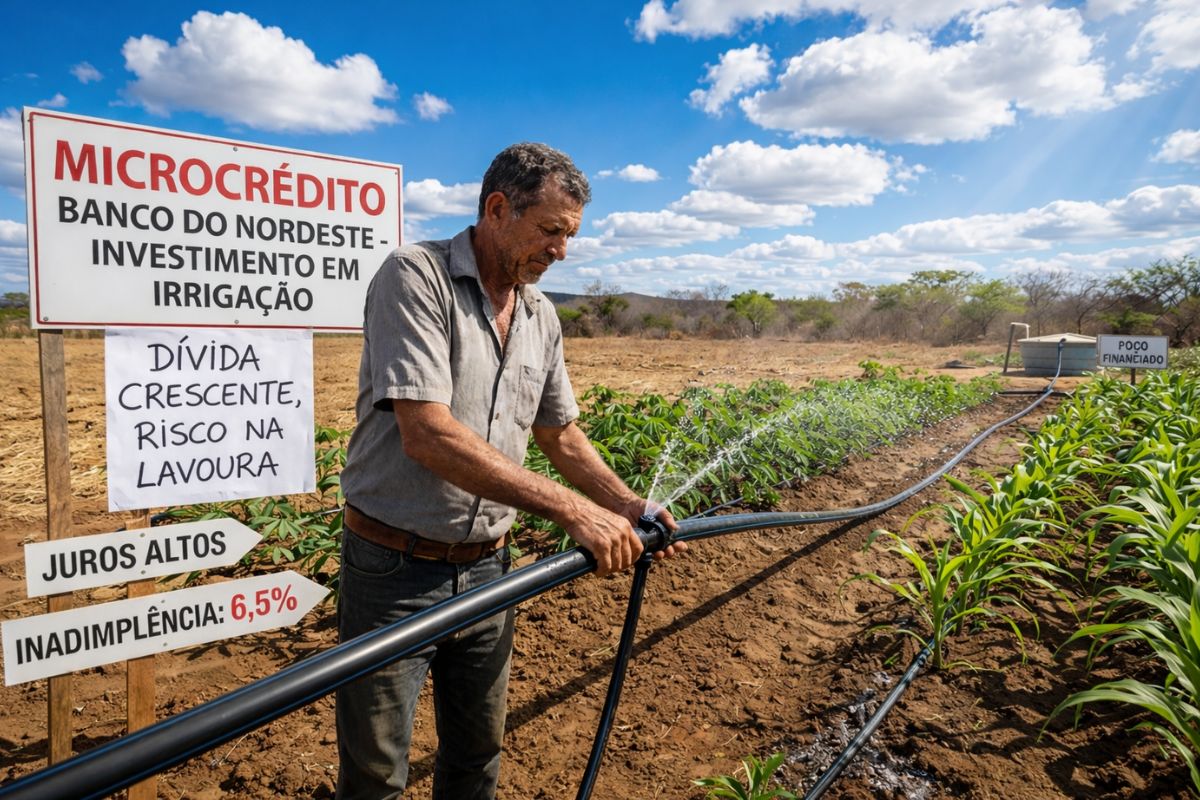
Drought in northern Bahia forces family farmers to invest in expensive irrigation and seek microcredit from Banco do Nordeste; with high interest rates and a default rate of 6.5%, the debt becomes a threat to the crops.

According to Silveira, the government is ready to act quickly if necessary, but there are no signs of energy risk. He emphasized: “We are absolutely sure that we do not need Daylight Saving Time this year. We would have the courage to implement it if it were necessary.”
As a result, the government maintains focus on modern solutions, based on technical data, sustainability, and innovation. Thus, the country ensures stable energy and avoids outdated seasonal measures.
Government Bets on Batteries for a New Era of Clean Energy
While discarding the old economy model, the government invests in high-capacity batteries to store solar and wind energy. This strategy allows for a constant supply, even during periods of low production.
The first national battery auction is scheduled for 2025 and is expected to mark a new chapter in the Brazilian electric matrix. According to Silveira, these batteries will be able to store solar energy for up to 22 hours, reducing losses and balancing the system.
He stated: “We will literally store the wind. The wind will be captured through the batteries.” With this, Brazil paves the way for a technological revolution in the electric sector and strengthens its position as a global leader in clean energy.
Energy Security Reinforces Brazil’s Protagonism
According to data from the National Electric System Operator (ONS) and the Ministry of Mines and Energy (MME), the country’s reservoirs are at levels above 80%. This ensures stability and eliminates any risk of rationing.
For this reason, the government considers the resumption of Daylight Saving Time unnecessary, maintaining focus on structural projects and sustainable technologies. This condition strengthens the electric system and increases the reliability of supply.
Furthermore, the MME emphasizes that the diversification of energy sources — hydroelectric, solar, and wind — ensures lasting balance. The goal is to guarantee a modern, clean, and efficient energy matrix.
Historical Context and Technical Reasons for Ending the Measure
Daylight Saving Time was last applied in 2018 and suspended the following year. According to studies by Aneel and MME, the change in electricity consumption patterns reduced the measure’s effectiveness.
Since then, Brazil has begun to adopt smarter strategies, utilizing digital monitoring, demand forecasting, and efficient use of renewable sources. Thus, the country replaced old practices with long-term solutions.
The minister explained that current technology ensures constant energy stability and that the savings achieved from Daylight Saving Time have become irrelevant. Thus, the government chose to prioritize innovation, efficiency, and sustainability.
The Future of the Brazilian Electric Matrix
With a focus on batteries and smart storage, Brazil is entering a new energy era. The auction scheduled for 2025 promises to increase storage capacity and reduce waste, ensuring a continuous and clean supply.
Silveira stated that the country is prepared to lead the global energy transition, uniting technological innovation, operational efficiency, and environmental commitment. This stance reinforces Brazil’s credibility in the international arena.
In closing the discussion, the minister declared that the government prefers to invest in technology and security rather than in low-impact seasonal adjustments. Thus, the country moves toward a self-sufficient, modern, and sustainable electric matrix.
Do you believe that storing wind and solar energy in batteries is the most efficient path for the future of energy in Brazil?







-

-

-

-

-

11 pessoas reagiram a isso.