





 Portuguese
  English
  Spanish
  5 min of reading
  0 comments


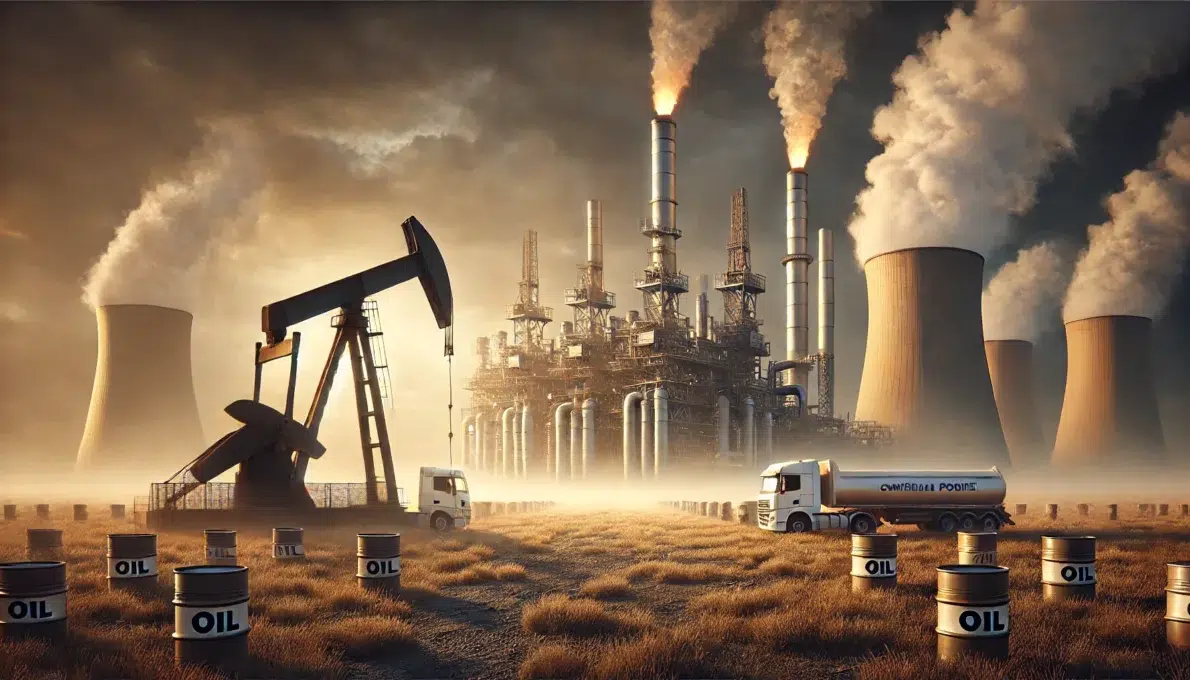
The Astonishing Growth of Energy Demand by 2050: Oil Remains Essential
Global energy demand is set to increase by 24% by 2050, and remarkably, oil will still play a crucial role in this scenario. Although renewable sources are rapidly growing, oil will continue to be a vital source to fuel various sectors of the global economy, especially in emerging markets.
See what this means for the future of global energy and why oil still won’t be left behind.
Increase in Energy Demand: Oil Leading the Supply
According to a recent report from the Organization of the Petroleum Exporting Countries (OPEC), global energy demand will see a leap of 24% by 2050. This growth reflects a combination of factors, including:
-
The rise in oil prices could ensure an extra revenue of R$ 100 billion for the Federal Government, indicates a recent economic study.

-
Naturgy begins an investment of R$ 1.6 million to expand the gas network in Niterói and benefit thousands of new residences and businesses.

-
A major turn in the Justice system suspends tax increases and directly impacts oil and gas companies in Brazil by affecting costs, contracts, and financial planning, leaving uncertain what could happen to the sector if these costs had increased.

-
Brava Energia begins drilling in Papa-Terra and Atlanta and could change the game by reducing costs in oil while increasing production and strengthening competitiveness in the offshore market.

- Economic expansion in developing countries, particularly in Asia and Africa.
- Increase in the global population, which will reach nearly 10 billion people.
- Greater need for energy for transportation and industrial production, where renewable alternatives are still not fully viable.
These data show that, despite the advancement of green technologies and growing environmental awareness, oil will still be a key player in the global energy matrix.
Oil vs. Renewable Sources: Who Will Win the Race?
In recent years, renewable energies have gained momentum, with massive investments in solar, wind, and hydropower. However, technological limitations and insufficient infrastructure still keep oil as the most viable option in many strategic sectors. Sectors like heavy transportation, aviation, and petrochemicals still heavily rely on oil, and a complete transition to renewable sources may take decades.
- Transportation: Heavy vehicles, ships, and airplanes continue to require oil for their efficient operation. While electric cars are gaining traction, long-distance transport and planes still lack adequate technological solutions to completely replace fossil fuels.
- Petrochemical industry: Chemicals, plastics, and many petroleum-derived materials are still widely used, and complete replacement with alternative materials faces economic and technological challenges.
Despite the growth of clean sources, OPEC projects that oil will maintain about 28% of the share in energy supply by 2050.
Growth of Emerging Markets: Oil Demand Will Soar
The engine behind this increase in demand is not in developed economies, but in emerging nations, where urbanization, industrialization, and population growth continue to drive the need for energy. According to the International Energy Agency (IEA), countries like India, China, and several African economies will experience significant increases in oil consumption as their infrastructures expand.
Why Don’t Renewables Dominate Yet?
Although the expectation is that renewable energies will grow rapidly in the coming decades, they still face several challenges that hinder faster adoption:
- Implementation costs: Many emerging countries struggle to invest in the energy transition due to high infrastructure costs.
- Storage and transmission: Renewable energy storage technologies, like large-scale batteries, are still insufficient to provide a stable long-term solution for global energy demand.
- Dependence on fossil fuels in key sectors: As mentioned earlier, sectors like long-distance transportation and aviation lack efficient alternatives to fossil fuels, reinforcing the need for oil.
The Role of Major Oil Corporations in the Energy Future
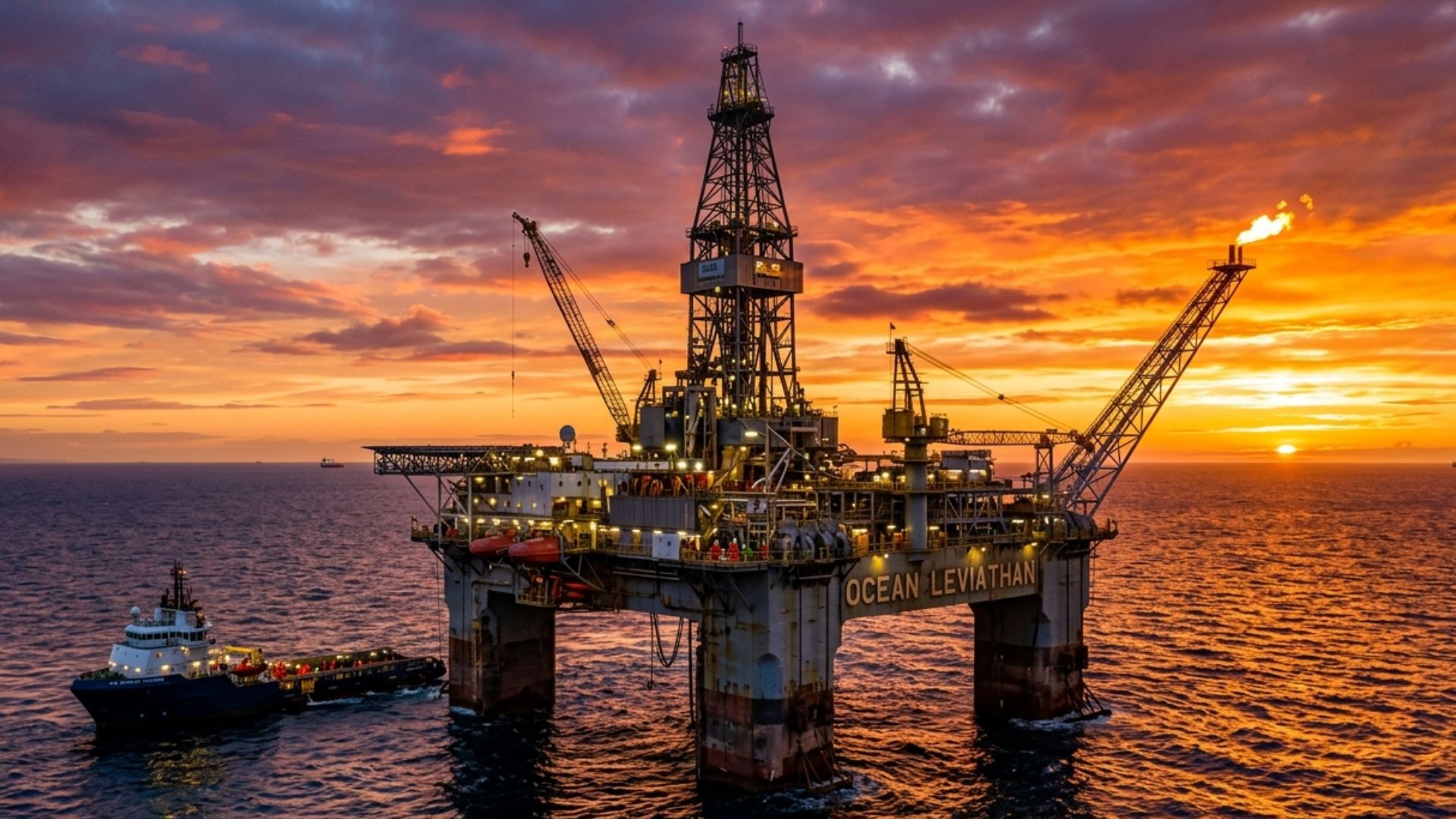
Major energy companies like BP, Shell, ExxonMobil, and Chevron are already aware of this dynamic. Despite investing heavily in clean energy, these corporations continue to explore new oil fields, primarily in deep-water extraction and Arctic exploration, aiming to secure energy supply for the coming decades.
Mitigation Strategies: Cleaner and More Efficient Oil
With increasing environmental pressure, industry companies are also investing in carbon capture technologies and other measures to reduce the environmental impact of oil production. The concept of “cleaner oil” is being developed as a temporary solution until renewables can meet global demand more efficiently.
Companies like TotalEnergies and Equinor are at the forefront of these innovations, working to balance oil production with reduced carbon emissions.
Oil and Geopolitics: The Global Influence Continues
Another factor that keeps oil in the spotlight is its geopolitical relevance. Oil-rich countries like Saudi Arabia, Russia, and the United States continue to influence the global energy market through supply policies and price controls. These nations still play a fundamental role in defining the course of the energy transition, as any abrupt change in oil production can cause shocks to the global economic system.
Moreover, energy security remains one of the main challenges for oil-importing countries. While governments seek to increase their renewable energy reserves, they also need to ensure a stable supply of oil to avoid supply crises.
The Influence of OPEC in the Global Energy Market
OPEC, composed of some of the largest oil producers in the world, continues to be a dominant force in the market. While oil production is diversifying with the entry of new players, OPEC maintains its influence through supply and demand control policies.
The decision-making power of OPEC directly affects global oil prices, which in turn impacts energy costs worldwide. The organization has adopted a strategic approach to balance the increasing demand with sustainability and decarbonization goals, while also protecting the interests of its member countries.
What to Expect from Oil by 2050?
Although the world is moving towards a more diversified energy matrix, oil will continue to be an indispensable source of energy for decades. Even with global efforts to reduce carbon emissions and advancements in renewable technologies, the role of oil will not be replaced anytime soon.
Main Trends by 2050:
- Continuous increase in energy demand, particularly in developing countries.
- Greater use of cleaner oil technologies, such as carbon capture and energy efficiency.
- Integration of renewables into the energy mix, with a gradual transition.
- Oil still having a dominant role, accounting for about 28% of global supply by 2050.
Although forecasts point to massive growth in renewable energy sources, oil will still be a central part of the global energy scenario in the coming decades. The growth of emerging economies, technological challenges, and current infrastructure reinforce the importance of oil in the future of energy. Companies, governments, and global organizations are already aware of this reality and are taking action to mitigate environmental impacts, while balancing the need for energy supply.
The world is in transition, but oil will not exit the stage anytime soon.










Seja o primeiro a reagir!