





 Portuguese
  English
  Spanish
  4 min of reading



The Transition of the Energy Sector Will Require Job Opportunities with Graduation, Specialization Profiles, and Also Technical Professionals, with Great Potential for the Inclusion of Young People
In February 2021, the Ministry of Mines and Energy (MME), in partnership with the Future Energy Professionals Initiative, conducted a study on “Future Professions in the Energy Sector and Implications for Professional Training.” According to the data collected in the research, it was found that to achieve energy democracy connecting structural changes in the energy sector with economic, political, and social changes, it is necessary to encourage gender diversity and the inclusion of young people in the labor market.
Considering jobs in the energy sector, MME studies show that the demand for professionals is expected to triple between 2018 and 2030. The transition of the energy sector will require graduation, specialization profiles, and also technical professionals, with great potential for the inclusion of young people.
The Future Leaders
The need for qualified professionals for the sector to develop in the next decade is crucial for future leaders to contribute to the country’s energy transition. But after all, who are these future leaders?
-
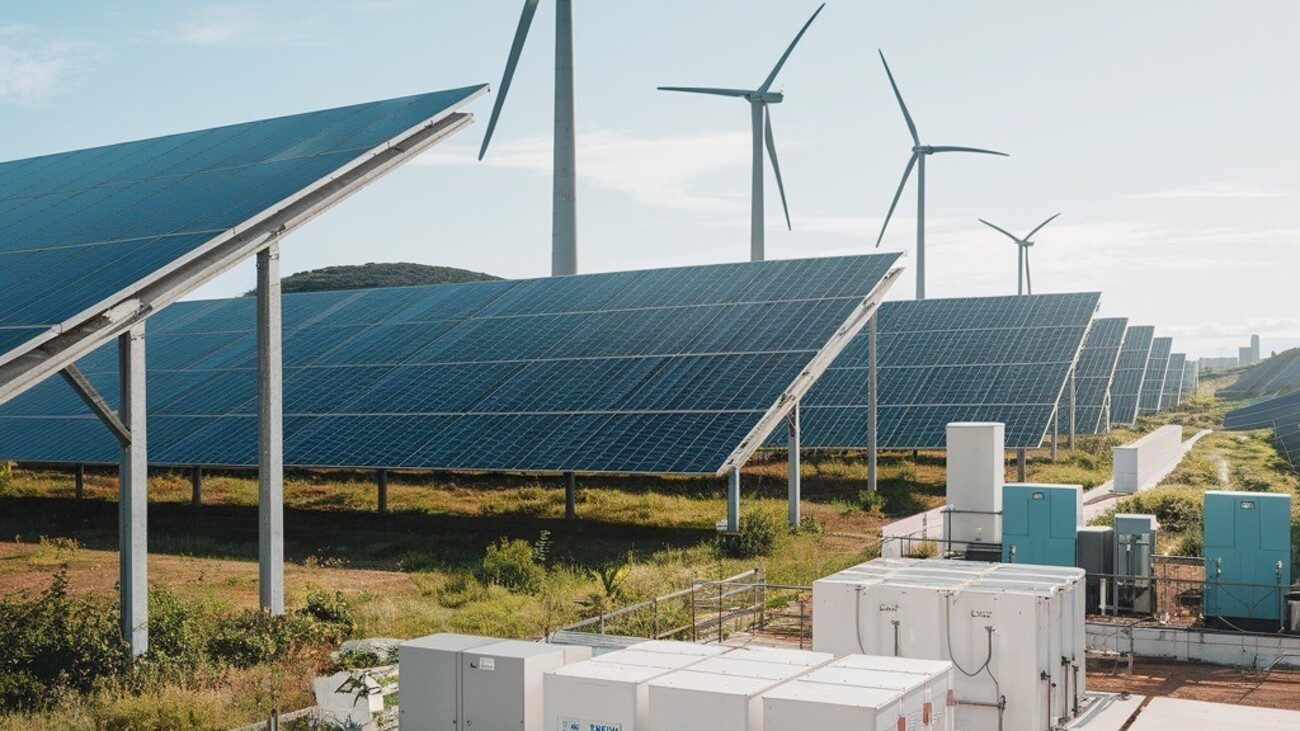
Boosting the energy transition: European Union releases €20 million funding to modernize the system and optimize electricity grid storage.
-
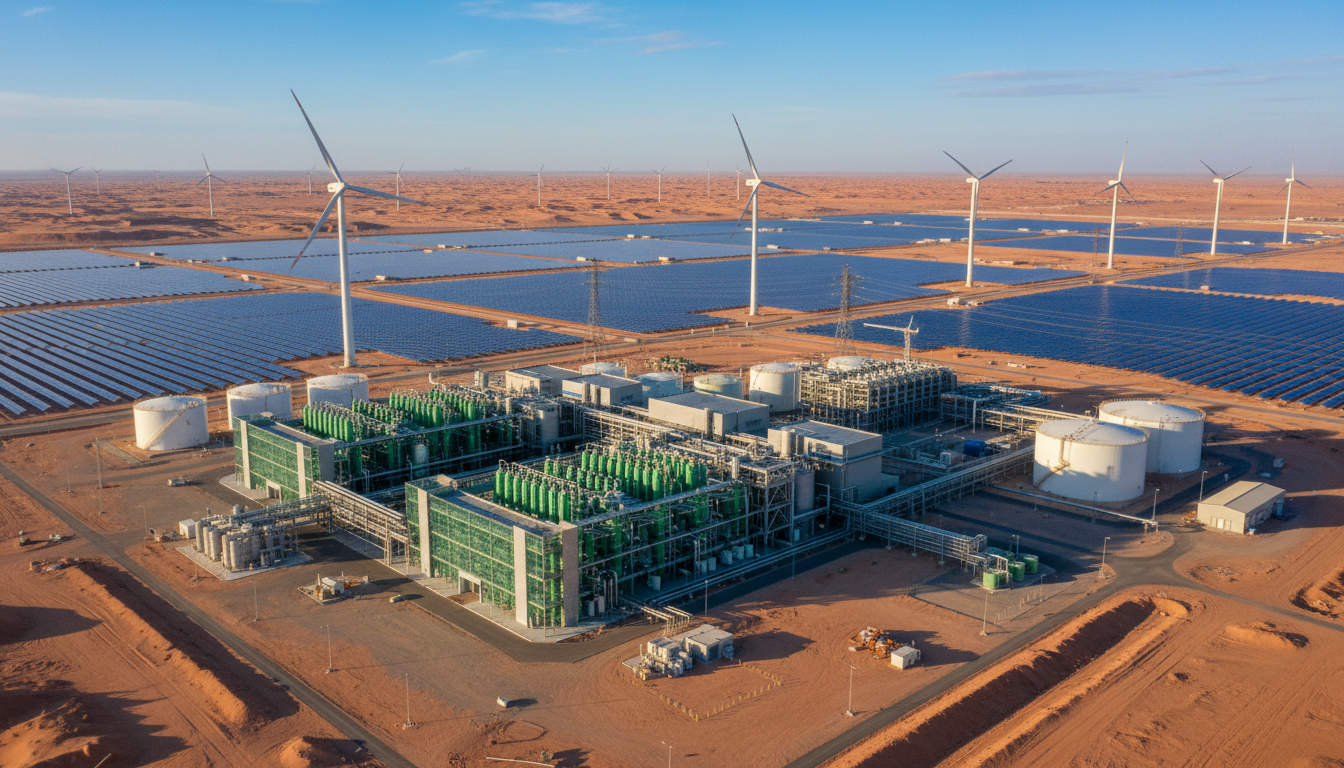
In the Saudi Arabian desert, the world’s largest green hydrogen plant is 80% complete and will use 4 gigawatts of solar and wind energy to produce 600 tons of clean fuel per day when it opens in 2027.
-
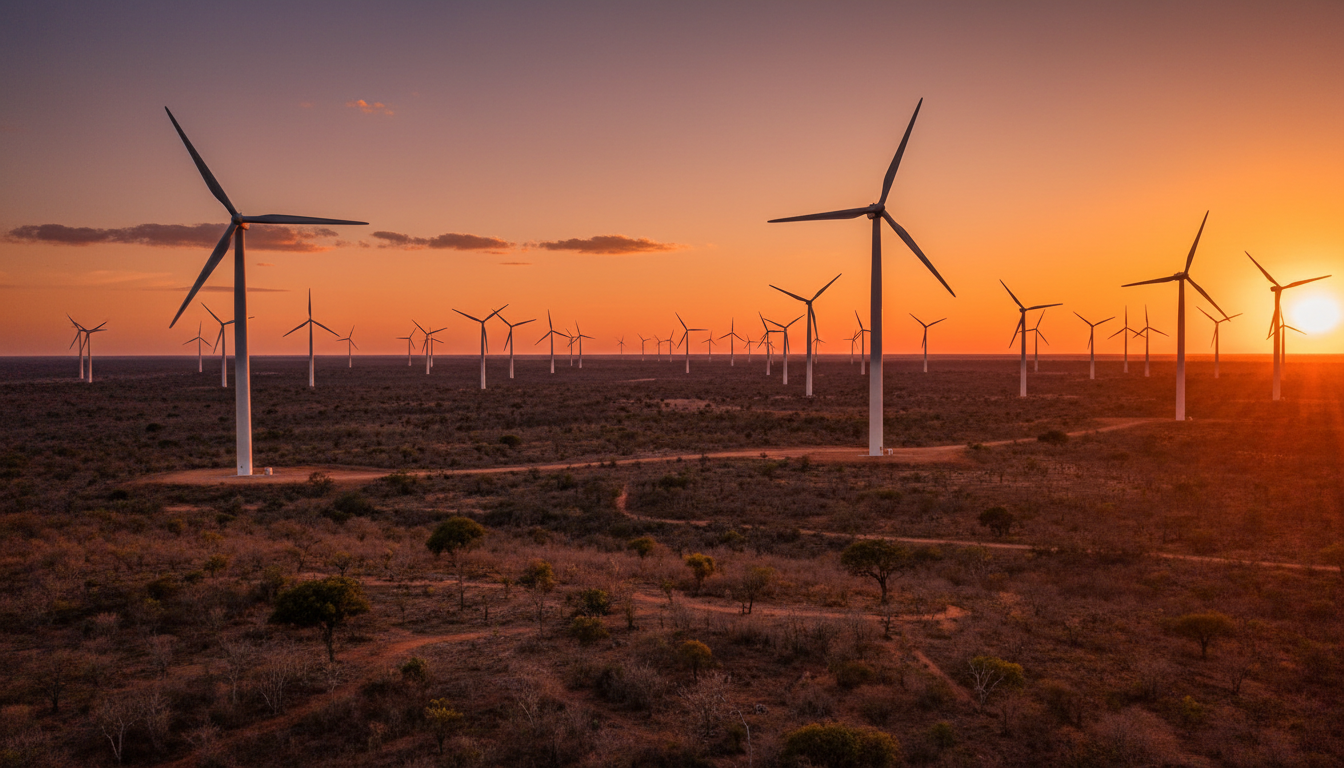
Instability in the energy market drives investments in renewables and starts the global race for the electric transition.

-
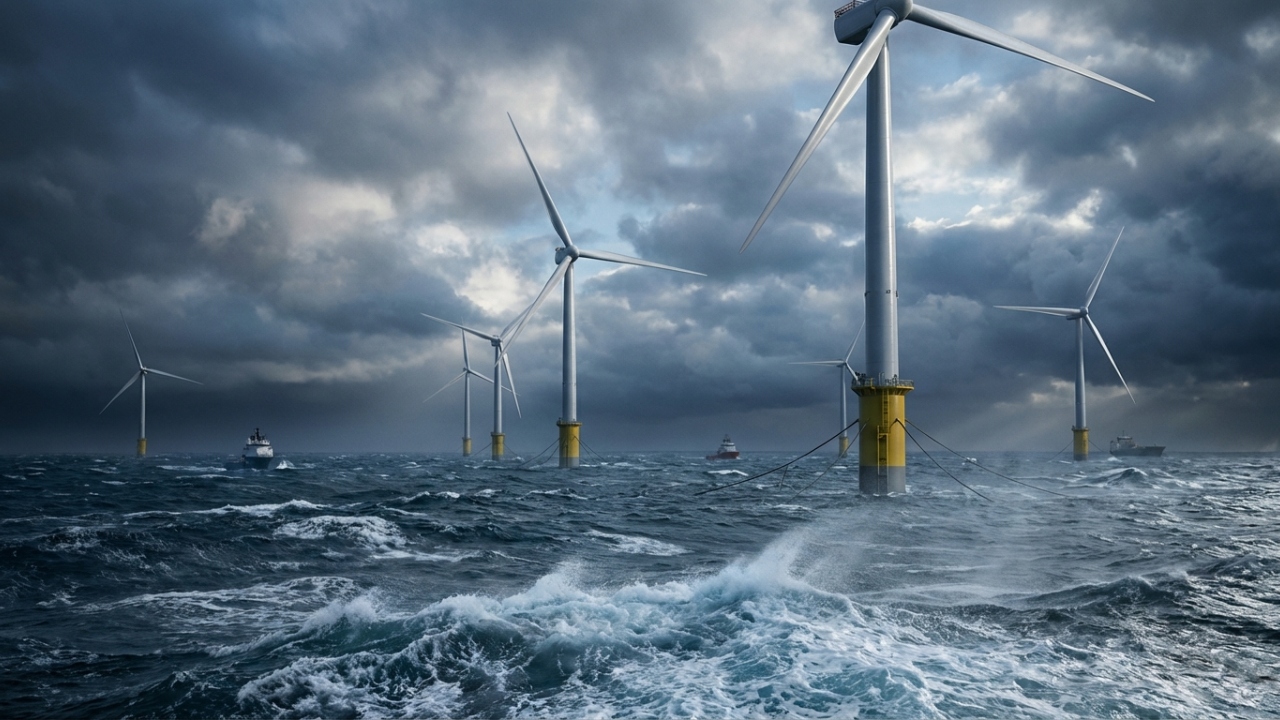
The Brazilian Northeast is receiving the largest wave of investments in clean energy ever seen in the country, with R$ 200 billion in wind and solar, 9,000 km of transmission lines, and a promise that could change the economy of 60 million people.
Between January 10 and February 28, 2021, EnergyC, the 1st HUB of young people in the energy sector conducted the research “The Profile of Young People in the Energy Sector” with the mobilization of 30 organizations that operate in the sector and with the participation of 400 young people aged 18 to 29, distributed across 24 states in the 5 regions of Brazil.
This initiative sought, in a collaborative and unprecedented format, to identify the profile of young people in this area, map the characteristics of young people who work or intend to work in the energy sector, awaken their protagonism, and stimulate the debate to create mechanisms to contribute to the development of young leadership in the energy market.
Who Are the Young People in the Energy Sector
Unprecedented data collected by the research shows that young people in the energy sector predominantly have a degree in Engineering, accounting for 74.44% of respondents. Additionally, of the respondents, 23.81% declared themselves unemployed, with a higher incidence in the North Region (38.71%) and lower in the Southeast region (18.25%).
Among the areas of interest, in line with the energy transition, 84.71% of interviewed young people said they are interested in pursuing a career in Renewable Energies, followed by Oil and Gas (43.11%), Electric System (39.85%), and Biofuels (35.84%).
Regarding the behavioral skills considered important by the respondents for professionals in the energy sector, teamwork (13.8%), leadership (11.8%), and adaptability (8.2%) stand out. When asked about which company is a reference in excellence in the energy sector, of the 126 organizations mentioned, the most recalled companies were Petrobras (11.9%), Equinor (6.9%), and Raízen (4.5%).
However, when the young people are asked who the professional leadership references in the sector are, 32% of respondents could not answer. Among the 175 leadership figures mentioned, the most recalled were Elon Musk (4.3%), Bárbara Rúbim (4%), Márcio Félix (3%), Élbia Gannoum (2.7%), Fernanda Delgado (2.5%), and Joiris Dachery (2.5%). In this brief snapshot, it is possible to analyze that young people in energy know the main companies in the sector but lack references in leadership in this area.
In the area of research, when asked which development institution is a reference, the main ones cited were the National Council for Scientific and Technological Development (CNPQ), with 45.9% of the respondents, and the Coordination for the Improvement of Higher Education Personnel (CAPES), with 32.8% of the respondents; demonstrating the strength of national research institutions in the energy sector, being indicated by 78.7% of respondents.
Regarding practical experiences in college, 41% of respondents declared they had not participated in any organized initiative, followed by 19.6% who were in junior companies and 14% who participated in an SPE (Society of Petroleum Engineers). Also, when asked if it is necessary to bring the energy sector industry closer to educational institutions, the response is unanimous: 88.45% strongly agree and 9.78% agree with this statement.
About the Research
According to the data collected, 53% of the research was completed by men and 47% by women; 62.2% of respondents are between 18 to 24 years old, and 37.8% are between 25 to 29 years old. In total, 57.6% identified as white, 29.6% as brown, 10% as black, and 2.8% as yellow, indigenous, and others.
The 30 organizations that supported the research were: 2W Energia; AIChE UFRJ; Archote Júnior; Brazilian Association of Energy Law and Environment; Until the Last Barrel; CAEEN UNIFEI; CAEPETRO UFS; COLTECH Júnior; DAEQ UFRJ; E3J Electrical Engineering; EnergyHub; ENP Energy Platform; Ergos; FATOR Júnior; FLUXO Consultoria; INSA; LUMUS Engenharia; Papo Energético; Portal do Petroleiro; Sai do Papel; SEMEC UFRJ; SERPERTRO JR.; Solutions and Innovations in Energy; SPE UFAM; SPE UFCG; SPE UFRN; SPE UFS; SPE UniGranRio; National Union of Electrical Engineering Students; and UNICAMP Energy Club.
Interested in the content? The complete analysis report is available on the www.energyc.com.br website. You can also take part in the 2nd edition of the research “The Profile of Young People in Energy,” which will be open from March 21 to April 21, 2022, on the EnergyC website.
What we can say is that this youth has the power to effectively contribute to the construction of the future of the energy sector with a disruptive outlook and transformative strength.






Seja o primeiro a reagir!