





 Portuguese
  English
  Spanish
 4 min of reading
  0 comments


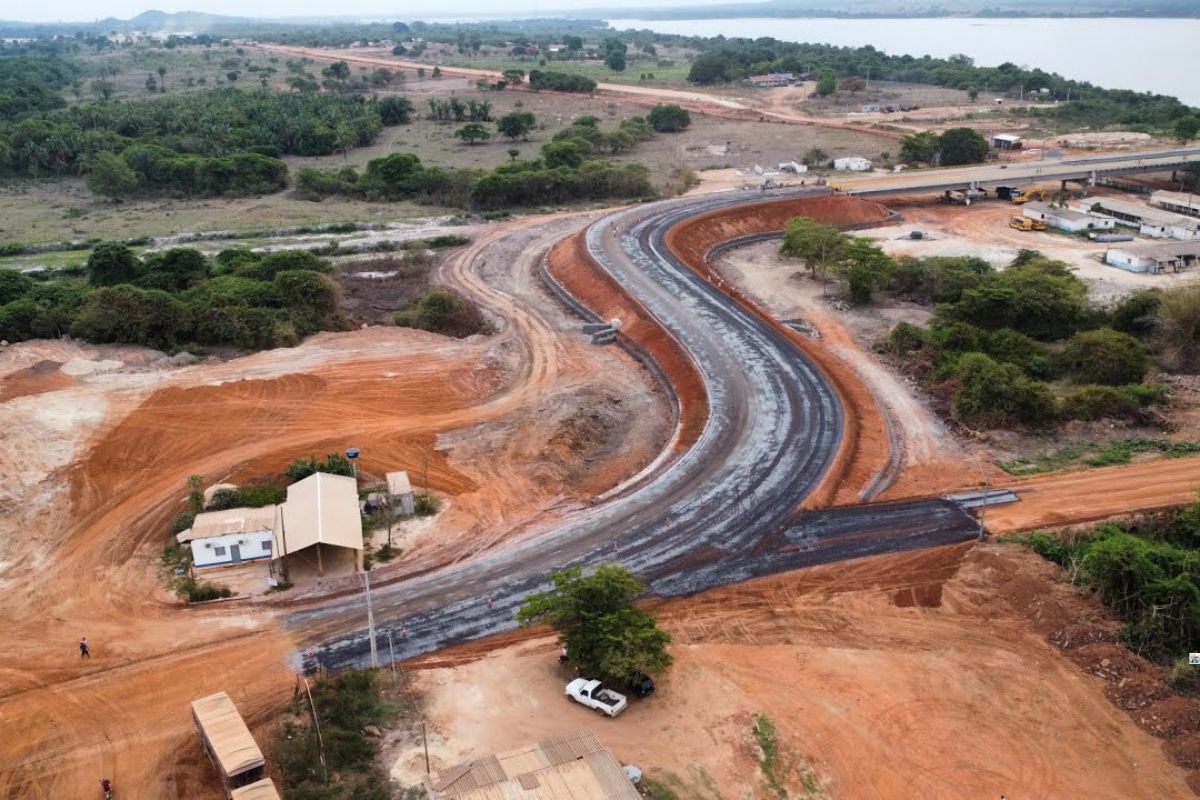
After Half a Century of Promises and Delays, the Paving of the Bridge over the Araguaia River Enters the Decisive Phase at the Pará–Tocantins Border, with the Application of Processed Asphalt on the Deck, Adjustments to the Abutments, and Forecast for Operational Completion of the Stretch
Images recorded on October 31, 2025, show work fronts applying 7 cm asphalt layer directly on the deck of the structure on BR-153, while teams prepare the finishing and transition to the abutments. The procedure occurs after deck washing and prior application of binder, an essential step for adhesion and durability.
The paving of the bridge over the Araguaia River consolidates the road connection between São Geraldo do Araguaia and the Tocantins bank, reducing dependence on ferries and shortening travel times in the North–Midwest integration. The local expectation is for full traffic release after final touches and safety checks.
Where the Work is Taking Place and Why It Matters
The bridge is on BR-153, a strategic drainage axis that connects Pará to Tocantins.
-
A rare storm transformed part of the Gulf into an unlikely scene of hail, extreme rain, and tornado risk in the middle of the desert, with volumes that exceeded the annual average in a single day.

-
Brazil catches the world’s attention with ships powered by ethanol and biodiesel that have lower emissions, an unprecedented certification with advantages in chartering, and a revolution in cabotage.

-
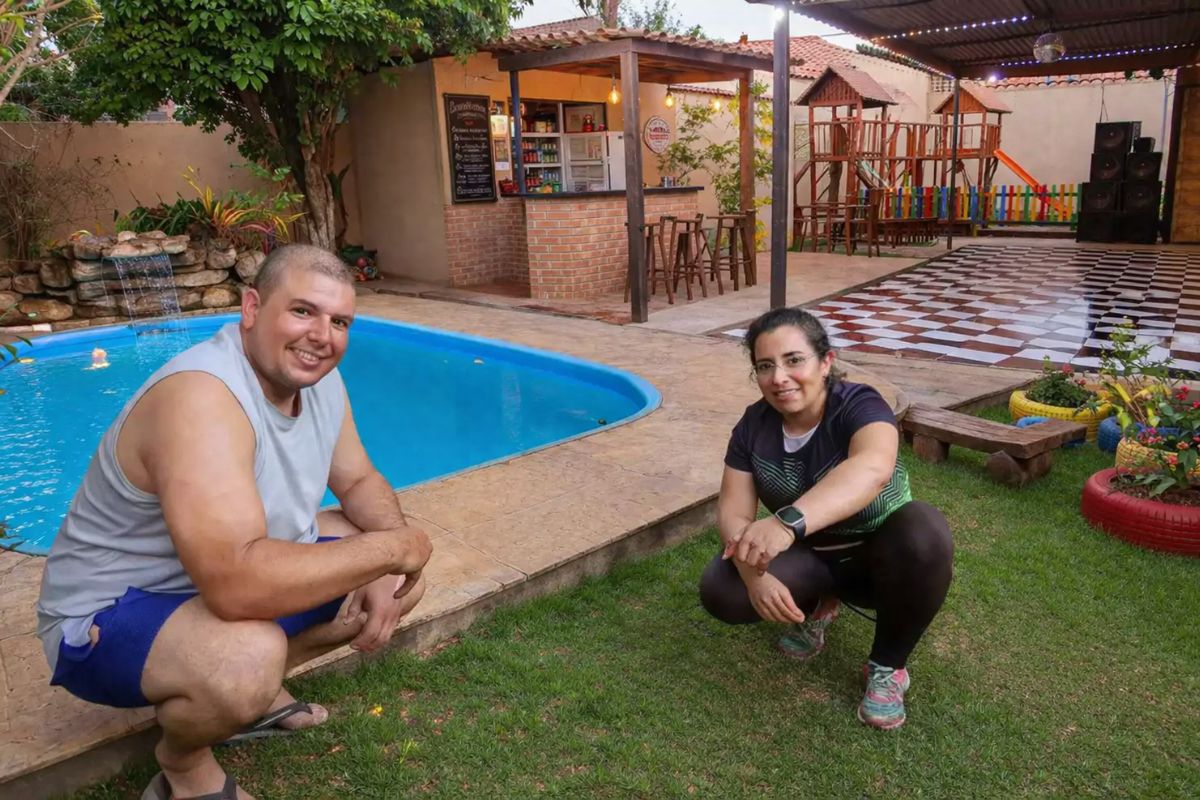
A couple who only has Sundays free has built a hand-dug pool, a hamburger joint, a dance hall, and a playground in their own home without hiring a mason, and even with breaks due to accidents and the pandemic, the work has never truly stopped.
-
Furniture made with aluminum and glass does not warp and has become an alternative to replace MDF in Brazil.


The progress of the paving of the bridge over the Araguaia River meets a historical demand from residents, transporters, and producers who, for decades, depended on ferry crossings during peak periods.
The corridor will benefit freight flows, public services, and daily commuting, strengthening regional economic hubs.
The reliability of the pavement on the deck is crucial for standardizing speeds, reducing queues, and increasing safety.
How the Paving is Being Executed
According to field records, the application of asphalt occurs in a single continuous 7 cm lane on the deck, with measurement control and advancement through successive loads of processed asphalt.
Previously, the teams performed deck washing and binder spreading, a step that improves adhesion between concrete and coating.
At the end of the application, finishing teams enter, responsible for joints, edges, transitions, and regularization of contact with the abutments.
These connections are critical: they absorb expansions, prevent steps, and ensure comfort and safety for users.
What Changes with the Conclusion
With the paving of the bridge over the Araguaia River and the completion of the abutments, the crossing will no longer depend on the ferry system, reducing variables such as waiting time, river level, and trip capacity.
The logistical gain tends to lower operational costs and provide predictability for trips.
For the surrounding cities, the paved bridge facilitates access to health, education, and commerce and enhances the attractiveness of investments.
The continuity of maintenance and monitoring will be key to preserving these benefits in the medium and long term.
What is Still Missing and What Are the Next Steps
The work fronts reported on October 31 indicate ongoing paving on the deck and adjustments to the abutments.
The natural sequence includes horizontal and vertical signaling, drainage verification, and adhesion and regularity testing.
With these steps completed, the roadway manager must plan for operational release with speed guidelines and initial traffic monitoring, adjusting any points of vibration, joint noise, or residual steps at transitions.
Road Safety and Short-Term Operation
As long as the work lasts, drivers must respect temporary signage, maintain distance from equipment, and avoid overtaking on the deck.
The presence of hot asphalt and ongoing compaction imposes controlled speeds and heightened attention.
After delivery, periodic inspections need to monitor cracks, drainage, and expansion joints.
Preventive maintenance is cheaper and more effective than corrective interventions and prevents initial defects from turning into pavement pathologies.
Impacts for Transportation and Regional Economy

In freight transport, the paved bridge reduces cycle times and logistical variability, benefiting everything from agribusiness supply chains to urban supplies.
The reliability of the route also improves fleet planning and driver safety.
For passenger transport, the direct connection integrates labor markets and services between the banks, decreasing the social cost of commuting.
The predictability of trips is a valuable asset for tourism, events, and local commerce.
The advancement of the paving of the bridge over the Araguaia River marks a turning point after 50 years of expectation and benefits the entire BR-153 corridor.
In your view, what should be the priority after traffic release: reinforcing maintenance and continuous monitoring or accelerating the implementation of new signaling and safety devices in the immediate surrounding area?








-

Uma pessoa reagiu a isso.