





 Portuguese
  English
  Spanish
  3 min of reading
  2 comments


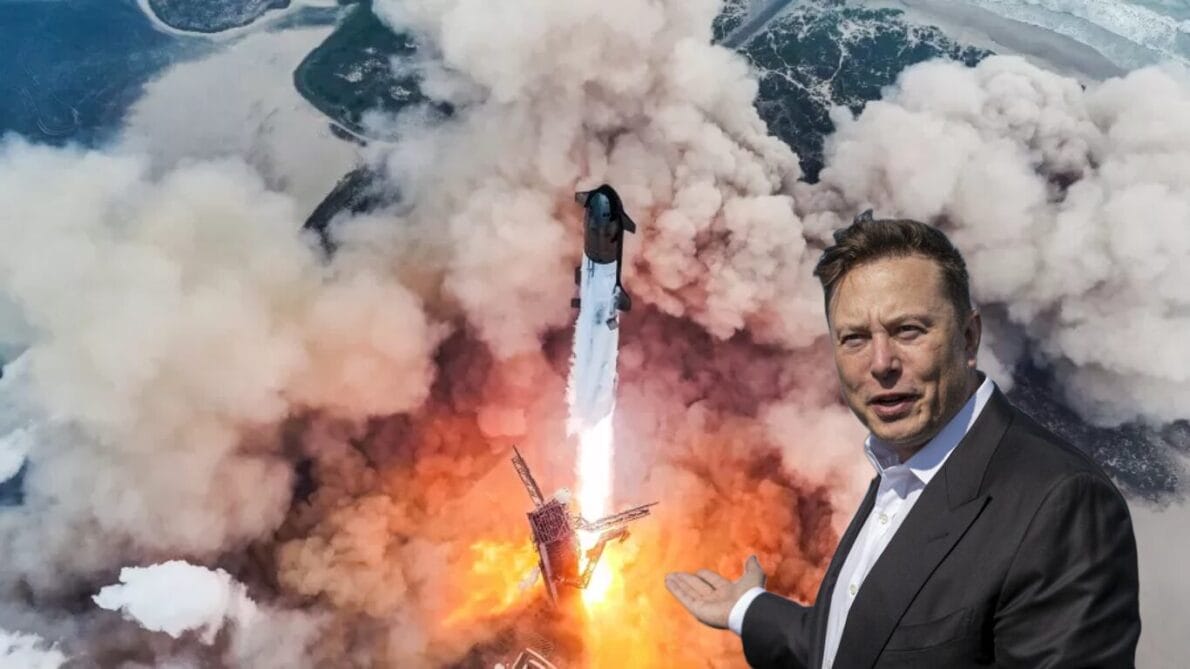

The First Launch of the Dark Side of the Moon Showed China’s Advancements in Space, Indicating That the Rivalry with Elon Musk’s SpaceX Is Just Beginning. Supporting Its Private Sector, China Promises to Heat Up the Space Race Even More.
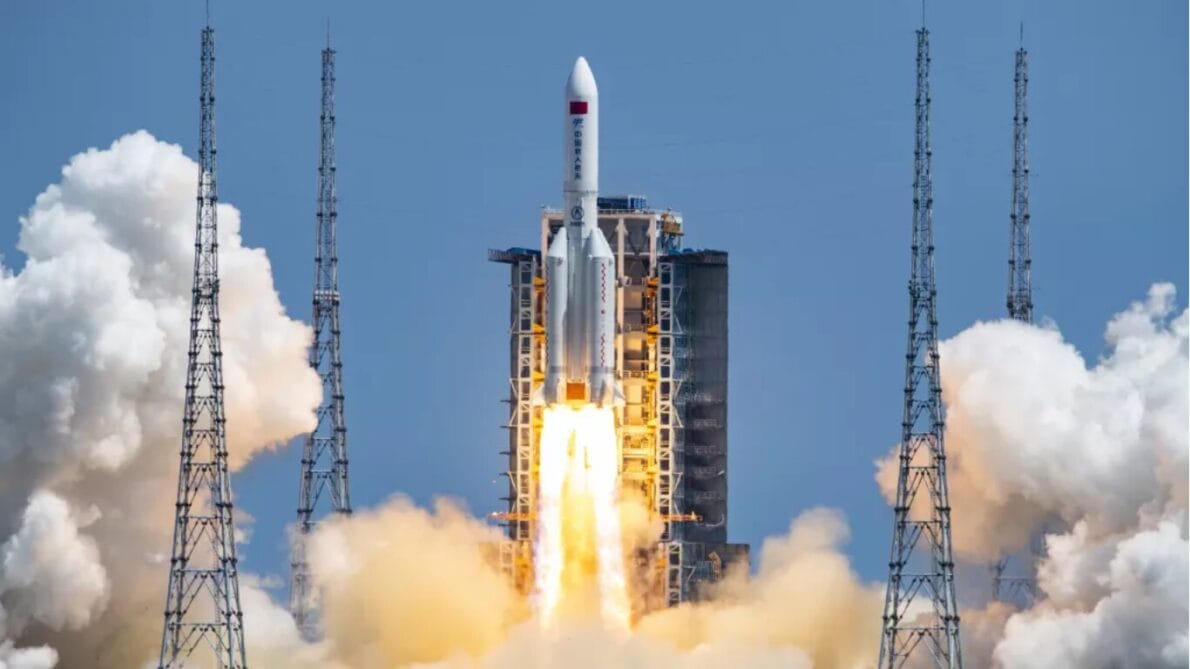
This week, China made history by launching a mission from the dark side of the Moon, signaling its impressive advancements in the aerospace sector. With this feat, China demonstrates its ambition to rival giants like SpaceX, founded by Elon Musk, whose Starship spacecraft is destined for missions to the Moon and Mars, according to uol.
While Chinese companies are still behind American ones, especially SpaceX, the gap is narrowing. This is due to the increasing support from the Chinese government for the private sector, which has been strengthening the country’s aerospace capabilities. According to experts, in five years, SpaceX may feel the pressure.
The Parallel with Electric Cars
The logic of electric cars may replicate in the space sector. In the electric vehicle market, the Chinese BYD surpassed Tesla, also owned by Musk, in the last quarter of 2023. Similarly, the Chinese private space sector is growing rapidly. Since the opening to private capital in 2014, hundreds of companies have emerged. On Thursday, Galactic Energy’s launcher “Ceres-1” put three satellites into orbit, and Beijing has dozens of launches scheduled for this year.
-
Scientists drilled 523 meters of ice in Antarctica with water at 75 degrees and found 218 meters of sediments that prove that where there is now half a kilometer of ice, there was an open ocean millions of years ago.

-
The cell phone is present in 99.5% of Brazilian households and has already replaced the alarm clock, the camera, and the GPS; now it is beginning to threaten the last device that resisted: the card reader, which is present in 19 million points of sale in the country.

-
Scientists create a new propulsion system that allows satellites to use the air from Earth’s atmosphere as fuel to operate in space with lower costs and longer operational time.
-
A startup backed by OpenAI has started selling a $20,000 robot for household tasks, but when the robot doesn’t know what to do, an employee puts on a virtual reality headset, sees the inside of the house through a camera, and operates each movement. The CEO said that without this, he cannot improve the product.

Expert Blaine Curcio points out that the Chinese private space sector is of impressive scale, emphasizing that while SpaceX still leads, Chinese companies are advanced compared to the intermediate sector positions in the U.S.
Crewed Missions and Conquest of the Moon
The Chinese state space programs have already carried out crewed flights, built a space station, and sent rovers to the Moon and Mars. The goal is to send crewed missions to these celestial bodies around 2030 and 2033, respectively. The Chang’e-6 spacecraft, for instance, is returning to Earth with samples from the dark side of the Moon, a milestone in space exploration.
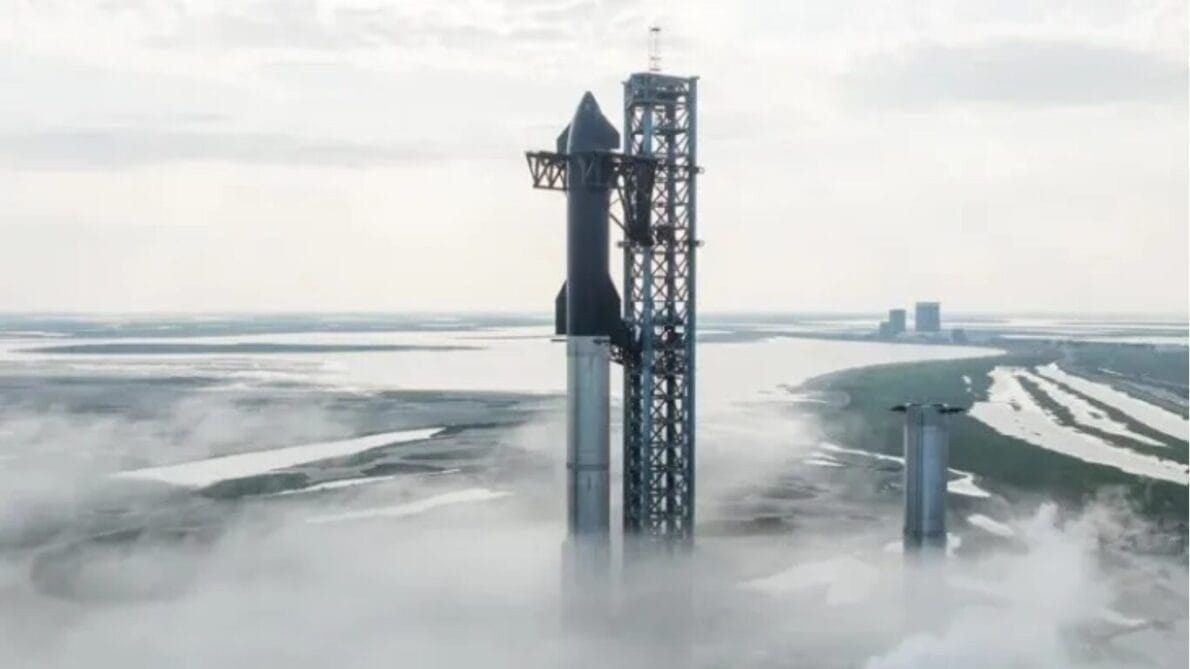
Meanwhile, the Chinese private sector specializes in launching satellites and low-cost spacecraft. Its launch capabilities will be essential to achieve governmental objectives of establishing megaconstellations of satellites, such as the Guowang and G60 networks, which together will total 25,000 satellites.
The Future of Aerospace Competition: China vs SpaceX
The next major goal of the Chinese private sector is to design a rocket similar to SpaceX’s Falcon 9 and master the technique of reusing launch modules. Chen Lan, an expert in the Chinese space program, believes several companies will achieve these goals in 2024.
Additionally, the Chinese private sector is expected to conduct 30 of the 100 launches planned by Beijing this year. By comparison, SpaceX conducted 98 of the 109 American launches in 2023. However, Chen predicts that the situation could be completely different in five years, with China consolidating its position in the aerospace landscape.
A New Era in the Space Race
The space race between China and the United States is intensifying, with both countries rapidly advancing their aerospace programs. The Chinese government’s support for the private sector is yielding impressive results, and the competition with SpaceX promises to bring innovations and significant advancements. As we look to the future, the rivalry between these aerospace giants will continue to shape space exploration and the development of new technologies.






Que matéria tendenciosa, brincadeira comparar carro e os foguetes produzidos na china com a tesla e os foguetes da SpaceX, sem noção
Bom, a BYD superou a tesla em quantidades vendidas. Em faturamento está bem atrás e na qualidade também. Inundar o mundo com vários modelos pelo preço que fazem logicamente vai vender mais. Vamos ver daqui 5 anos como vão estar os modelos da BYD vendidos. Lembrando que para cada tesla vendido a BYD precisa vender 7 unidades. Sobre a briga espacial eu acho muito bom isso pq cada vez mais a tecnologia se desenvolve. Mas graças ao Elon Musk, a indústria de carros elétricos começaram a se mexer. Agora, graças, novamente ao Elon Musk, a indústria espacial vai crescer também.