





 Portuguese
  English
  Spanish
  2 min of reading


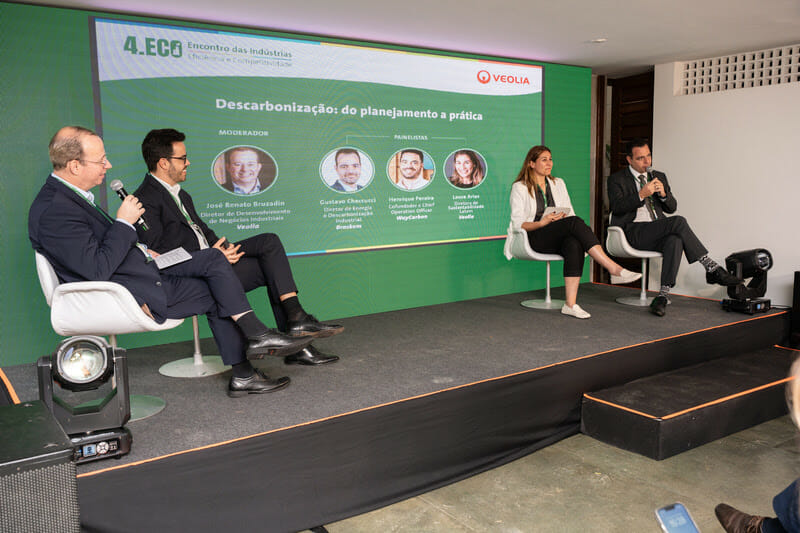
Companies Lead The Change Toward A Low-Carbon Future And Greater Sustainability.
In the words of Pedro Prádanos, CEO of Veolia Brazil, 90% of companies are committed to reducing their carbon footprint. Recently, leaders from various sectors gathered to discuss how decarbonization and effective management of natural resources are now central to their objectives.
At the recently held 4.ECO seminar, Gustavo Checcucci, Director of Energy and Industrial Decarbonization at Braskem, shared insights on their efforts to cut 300,000 tons of CO2 annually. He highlights that through focused initiatives, Braskem aims to reduce its emissions by 15% by 2030.
From Theory to Practice: Joining Forces for Decarbonization
-
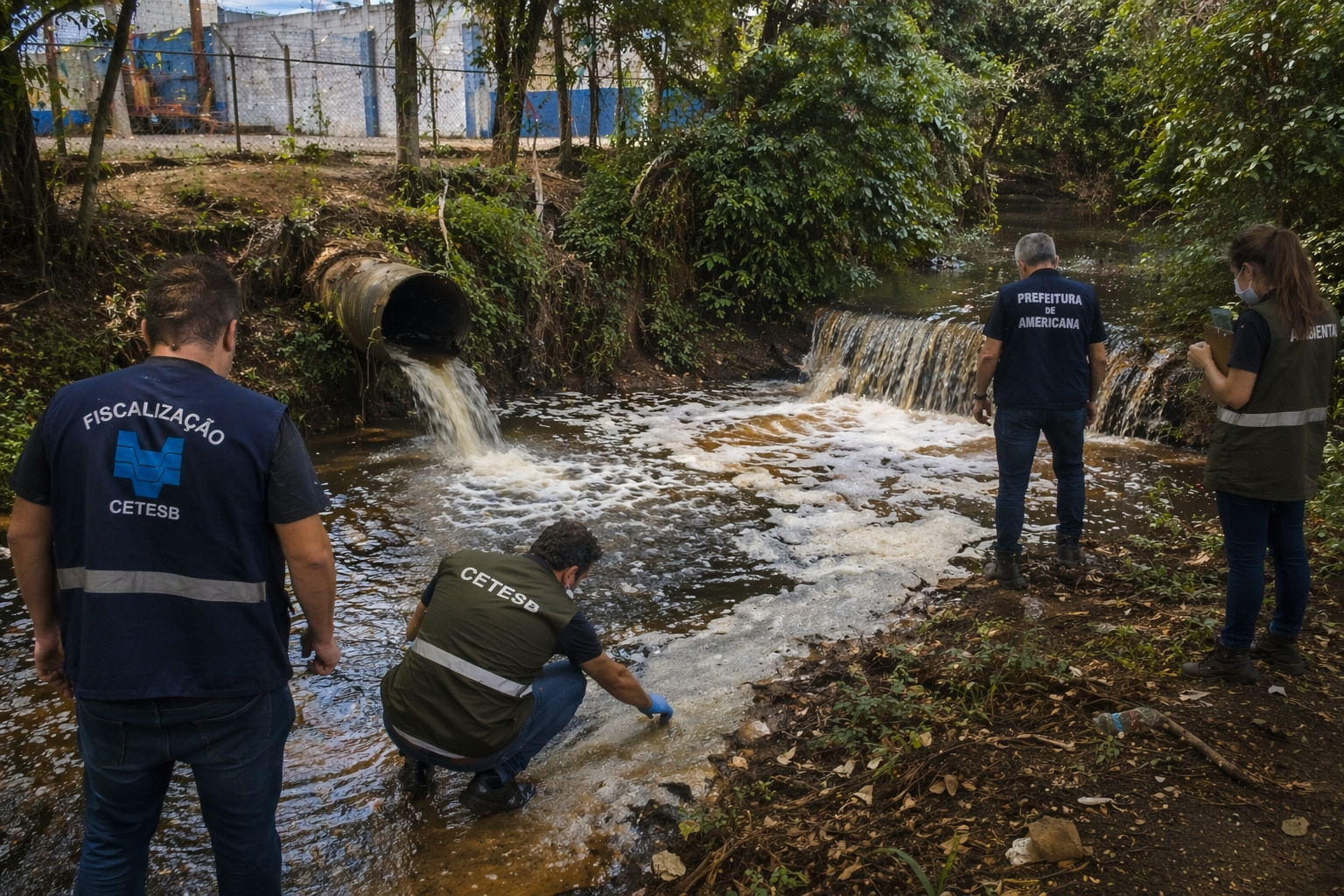
A fine of R$ 115 thousand places Goodyear at the center of an environmental case in Americana after oil and grease appeared in a stream and the company was required to act quickly.
-
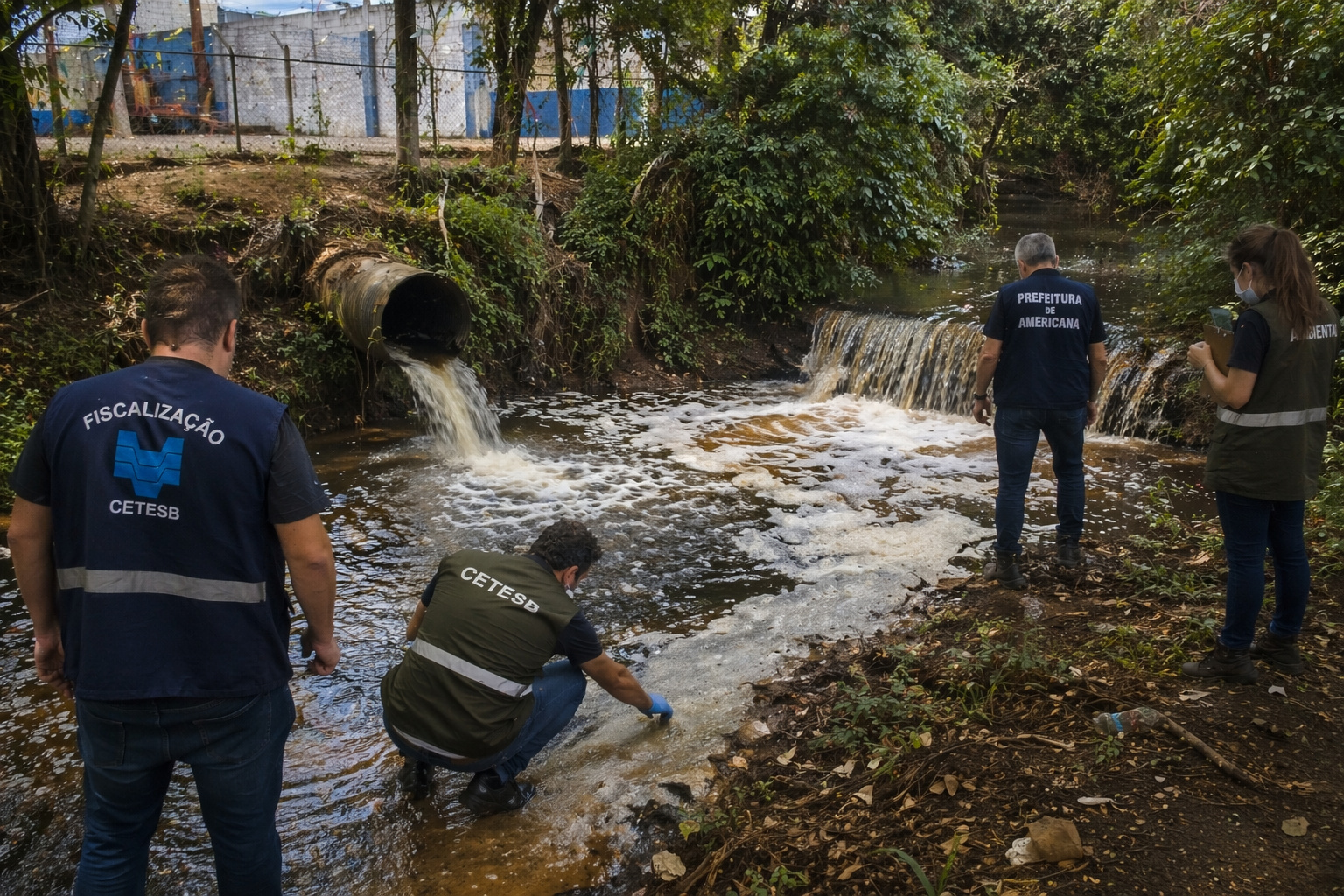
A fine of R$ 115 thousand puts Goodyear at the center of an environmental case in Americana after oil and grease appeared in a stream and the company was forced to act quickly.
-
Lack of workers and an aging population: Japan bets on AI robots in factories, logistics, and infrastructure to keep the economy and essential services active.

-
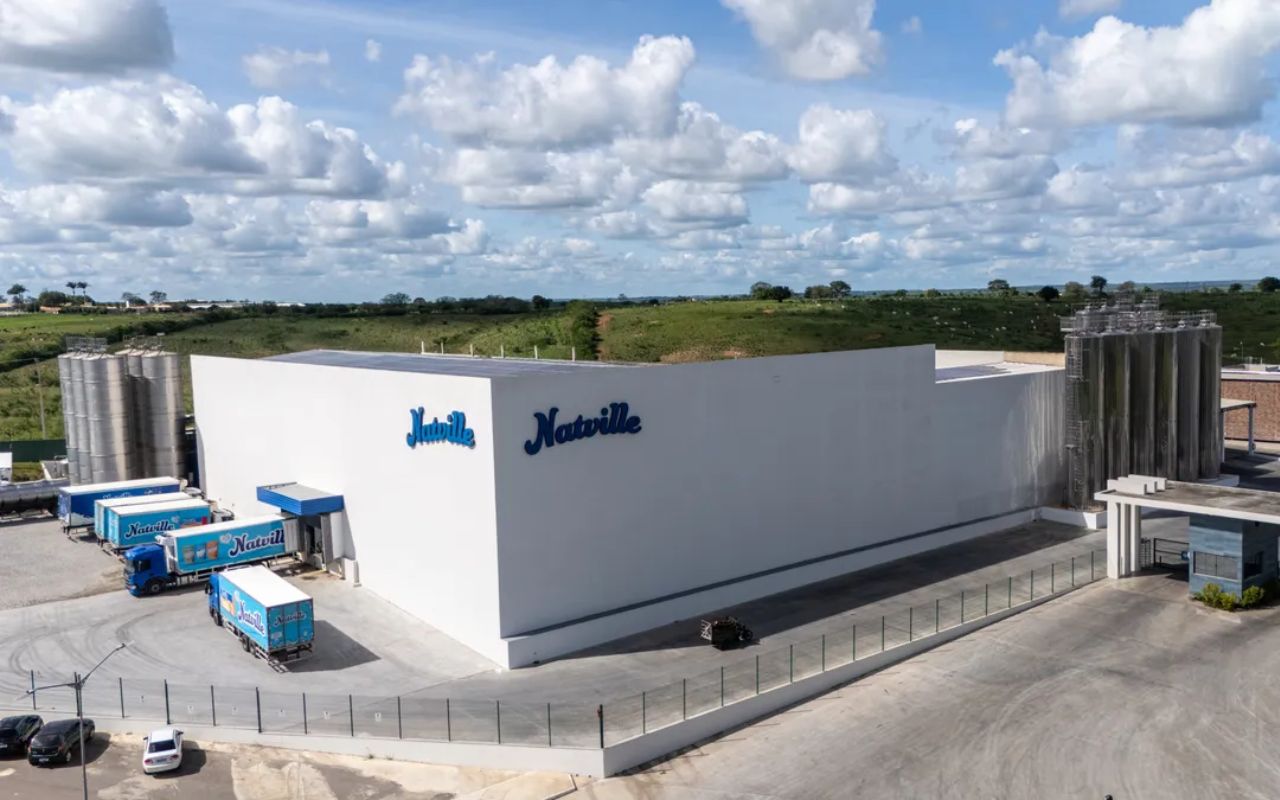
Natville puts R$ 700 million on the table for new factories in the Northeast, generating jobs and boosting the local economy.
During the panel “Decarbonization: From Planning to Practice,” there was a consensus on the importance of collaboration between public and private sectors. Laura Arias, Director of Sustainability at Veolia, emphasized that “ecological transformation requires joint efforts.” Her company, Veolia, is at the forefront of this movement, assisting over 500,000 companies globally in managing water, waste, and energy.
Henrique Pereira from WayCarbon sees decarbonization as a critical strategy for the industry. He believes that most companies still need to recognize and prepare for the imminent climate risks.
The Intersection of Water and Sustainability
The discussions also turned to the relationship between access to water and corporate sustainability. Marcus Vallero from VWTS spoke about the robustness provided by water reuse, especially in light of growing environmental challenges. Recycled water, according to him, can be more reliable than water from natural sources.
Wrapping up the meeting, the focus shifted to waste management. Anícia Pio from FIESP emphasized the need for advances in public policies in this area. Isabela Malpighi from Kenvue illustrated how partnerships between companies can promote circularity and reuse of materials, with practical examples such as transforming post-industrial waste into new products for the industry.
Photo: Roberta Lopes









Seja o primeiro a reagir!