





 Portuguese
  English
  Spanish
  3 min of reading
  17 comments


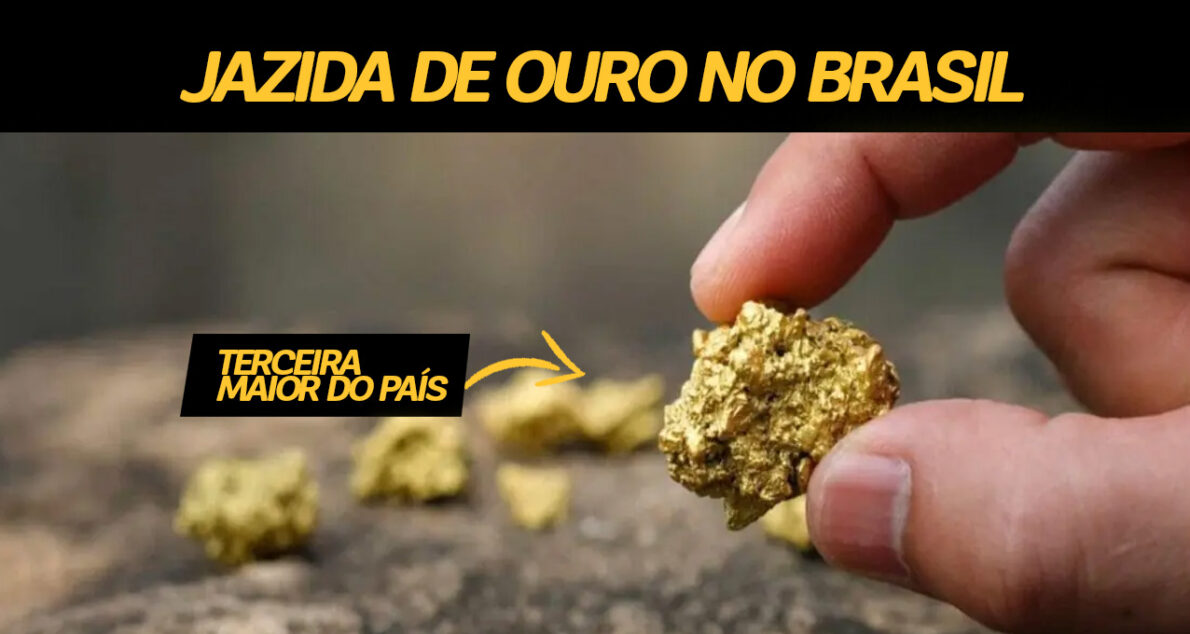

Project With An Investment Of R$ 2.2 Billion Reveals The Third Largest Gold Deposit In Brazil. This Milestone In Mining Already Generates Thousands Of Jobs And Promises To Transform The Local Economy, Highlighting Brazil On The Global Stage.
A historic milestone in Brazilian mining emerges in Pará: the discovery of the third largest gold deposit in Brazil, with a surprising investment that already generates thousands of jobs.
In the heart of the Amazon, a new golden era is taking shape. The Tocantinzinho Project, led by G Mining Ventures, unveiled one of Brazil’s largest gold deposits, located in Itaituba, Pará.
With an investment that has already surpassed R$ 2.2 billion, this initiative promises to not only transform the local economy but also place Brazil in a prominent position in the global mining scene.
-
Work at Vale! The company is recruiting individuals with high school, technical, and higher education in areas such as maintenance, operations, and technology, with 400 immediate openings in 6 states, salaries of up to R$ 10,000, and 100% online applications.
-
Australia accelerates the search for foreign workers in 2026 with an official list of in-demand professions that includes drivers, programmers, and nurses, salaries starting from AUD 76,515 per year, and visas that can lead to permanent residency.
-
The Macaé City Hall starts the week with job openings that promise to boost hiring and open doors for qualified professionals and newcomers to the market, with a focus on offshore positions.

-
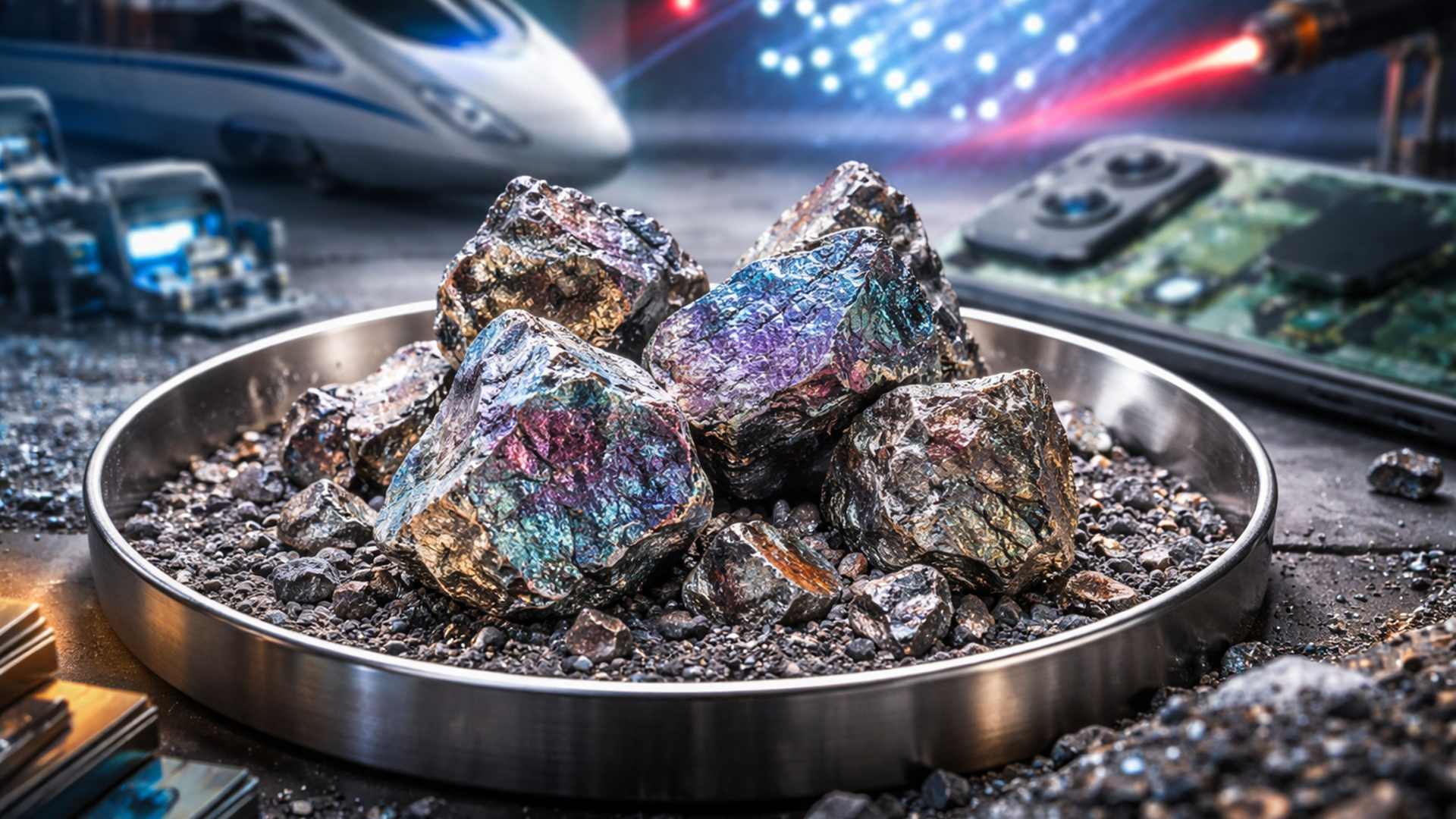
Rare earths are in everything, from cell phones to bullet trains, and what almost no one realizes is why they have become the target of such a delicate global war.

Progress Of The Project And Economic Implications
The Tocantinzinho Project has received the necessary operational licenses to begin its commercial activities in the second half of 2024.
The Environmental Agency Of The State Of Pará and the State Secretariat For Environment And Sustainability (SEMAS) authorized the operation of the mine, processing plant, tailings facilities, and the new landing strip.
With the completion of all construction activities, the mine is ready to begin operations at full capacity. According to Louis-Pierre Gignac, President and CEO of G Mining Ventures, “this final stage in the regulatory approval process is a testament to the business-friendly environment for mining in Brazil and our team’s commitment to excellence.”
The Magnitude Of The Project
The Tocantinzinho is a licensed gold deposit that will be mined through an open-pit operation, with estimated reserves of 2 million ounces of gold.
Located 108 km from Moraes de Almeida, a district of Itaituba, access to the project is via the Transgarimpeira highway.
In the implementation phase, the project employs around 2,000 people, while in the operational phase, there will be approximately 600 direct jobs. The mine’s lifespan is estimated at 10 years.
Production Process And Sustainability
The gold extraction process involves several stages, from mineral extraction in the pit to gold separation at a processing plant.
The separated gold will be converted into bars, destined for the national and international markets. The tailings will be treated in specific dams, strictly following the new dam regulations of the National Mining Agency (ANM).
At the end of the exploration, the tailings will be used to fill the pit of the mine, minimizing environmental impact. It is important to note that there will be no need for relocation of communities or resettlement of indigenous populations, as there are no communities nearby the project.
A History Dating Back To The 1970s
The history of the Tocantinzinho area dates back to the 1970s, in the Tapajós region, where the largest gold rush in Brazil’s history occurred.
According to the National Department Of Mineral Production (DNPM), the region produced between 20 and 30 million ounces of gold from alluvial sources. In 2010, after negotiations, the area was acquired by Eldorado Gold Corp and is now part of the G Mining portfolio as a strategic asset.
Impact On The Local Community With The Tocantinzinho Project
The project prioritizes local hiring, with 60% of the workforce coming from the region.
Furthermore, Brazauro, the subsidiary responsible for local execution, continuously invests in training and skills development for workers, aiming to strengthen the regional economy.
Thus, with an investment that has already surpassed R$ 2.2 billion and a significant potential to generate wealth and jobs, the Tocantinzinho Project is establishing itself as a landmark in Brazilian mining. This venture not only reinforces the importance of Pará on the national stage but also opens doors for new opportunities in development and sustainability.
And what do you think, should Brazil encourage more mining projects, even with the environmental challenges involved? Leave your opinion in the comments!






Deviam liberar mineração dentro das terras indígenas, regulamentar , incentivar, treinar, dar apoio aos heróis GARIMPEIROS, incluir esta turma na previdência, pois de uma forma ou de outra eles influenciam fortemente no nosso PIB e no entanto são considerados MARGINAIS **** sem direito algum, apenas de cumprirem **** por desenvolverem o lado mais sombrio da nossa mineração. Antes da chuva de críticas, sou consultor técnico de mineração e conheço todos os problemas relacionados aos interesses das milhares de ONGS. Que nos roubam nos solapam muita quantidade de minérios estratégicos, por interesse e corrupção endêmica que assola o país.
As ONGS são as que estão usurpando nossas riquezas ****.
Essa área foi dês aberta por brasileiros a mais d 100 anos , TD perseguição e terrorismo do gov com propósito de expulsar os garimpeiros do local foi com esse resultado d entregar p grupos estrangeiros nossas riquezas onde pagam salário menor q de uma cozinheira no garimpo ,
Considero um milagre que este projeto tenha alcançado este estágio, enfrentando todo o estigma da mineração na região Amazônica, onde ainda existem muitas áreas favoráveis a serem pesquisadas.
Parabéns aos envolvidos neste desafio.