






 Portuguese
  Spanish


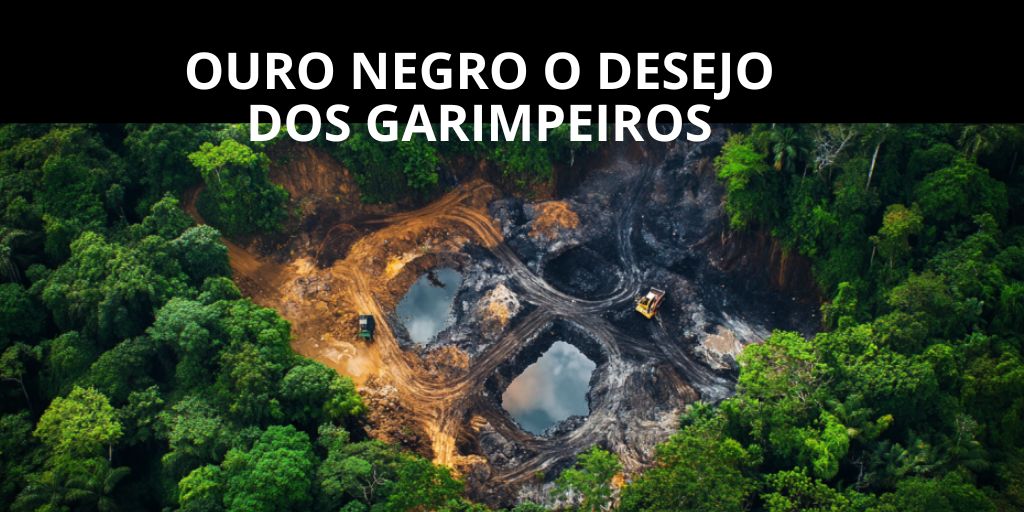

When It Comes to “Black Gold,” Many Think Immediately of Oil, but Few Know That Another Natural Resource with Equally Impressive Value Has Fueled a Silent War in the Brazilian Forests.
Hidden in the depths of the Amazon, a little-known mineral, but of extreme importance to the global industry, has become the target of many’s greed – and the consequences of this unchecked exploitation are devastating.
From north to south in Brazil, cassiterite, primarily composed of tin, has emerged as one of the most valuable and, at the same time, dangerous resources for the future of indigenous lands and the Amazon rainforest.
The Challenge of Yanomami Lands
The numbers do not lie: Brazil has one of the largest tin reserves in the world, and this includes vast deposits of cassiterite spread across protected areas.
-
Brazilian Job Market Surprises: Unemployment Falls to 5.6%, Hits Record Low for May, Brazilian Incomes Rise, and Underemployment Reaches Lowest Level Ever Recorded by IBGE

-
Chinese E-commerce Giant Predicts Robots Will Replace 700,000 Delivery Workers as Autonomous Vehicles Expand to 200 Cities, Offering Training for Workers to Maintain Their Machines

-
Trump warns Europe with 100% tariff threat on digital tax, potentially impacting wine and trade agreements
-
As Homeownership Becomes Unattainable in Brazil, Japanese Municipalities Offer Abandoned Houses for as Low as $3,000 to Revitalize Aging, Emptying Cities


According to the National Mining Agency (ANM), the country ranks ninth globally in terms of reserves of this mineral, a fact that puts Brazil in a strategic position in the world market.
Cassiterite is used in a wide range of industries, from the manufacture of cans to high-tech components, making it essential for global production.
However, it is in indigenous areas, such as Yanomami lands, that this natural wealth has triggered a fierce battle.
Since the beginning of 2024, federal government operations to combat illegal mining in these regions have intensified, culminating in the seizure of large quantities of cassiterite and the destruction of infrastructure used by miners.
The extraction of this mineral, often carried out using methods reminiscent of gold extraction, brings a series of devastating impacts to the environment and indigenous communities.
The removal of alluvial cassiterite from riverbeds, a common practice, results in the degradation of water bodies, increased turbidity, and contamination by toxic waste. Recent government operations have resulted in a 75% reduction in illegal mining activities in the Yanomami Territory between January and July 2024, which has led to improvements in the water quality of local rivers.
The Impact of Illegal Cassiterite Mining
In addition to the environmental impact, illegal cassiterite mining and other minerals have devastating social consequences.
Indigenous communities, such as the Yanomami, have suffered not only from the degradation of their territories but also from health problems, such as mercury contamination and increasing disease, resulting from the massive presence of illegal miners.
Despite government efforts to eradicate illegal mining, miners continue to invade these areas due to the high value of cassiterite in the international market. According to the Finance Secretariat of Rondônia, the price of cassiterite can reach up to R$ 107.55 per kilogram, while tin, which is the main component of this mineral, can reach R$ 165.46 per kilogram.
Operations like “Catrimani II,” led by the Federal Police and the Armed Forces, have been crucial in dismantling these criminal networks.
In July 2024 alone, authorities seized 1,200 kg of cassiterite, in addition to other infrastructures used for illegal extraction. These actions have not only reduced illegal mining but also prevented further damage to the environment and the health of indigenous communities.
The Future of Yanomami Lands in Brazil
The fight for the protection of Yanomami lands is far from over. Despite recent victories, the threat of illegal mining persists.
The government plans to continue enforcement operations and expand public policies aimed at the health and food security of indigenous communities, which still suffer from the impacts left by decades of uncontrolled mining.
For many experts, the recovery of devastated lands and the guarantee of autonomy for indigenous peoples will be ongoing challenges in the coming years.
The case of cassiterite in Brazil highlights the complexity of the relationship between economic development and environmental preservation, especially in a country with one of the largest biodiversities in the world.
Will Brazil be able to balance the exploitation of its natural resources with the protection of its indigenous territories?


Excelente conteúdo…
Á ambição do homem destrói seu próprio habitat.
É muito preocupante á situação de nossa querida floresta Amazônica,que Deus tenha misericórdia dos povos indígenase de todos nós e que venha haver uma solução imediata para este fim.
…o que o Exército está fazendo nos quartéis??